From Indonesia to India: Is There Hope for Anti-Corruption Efforts Within the G20?

Civil Society, Development & Aid, Economy & Trade, G20, Global, Global Governance, Headlines, TerraViva United Nations

Opinion

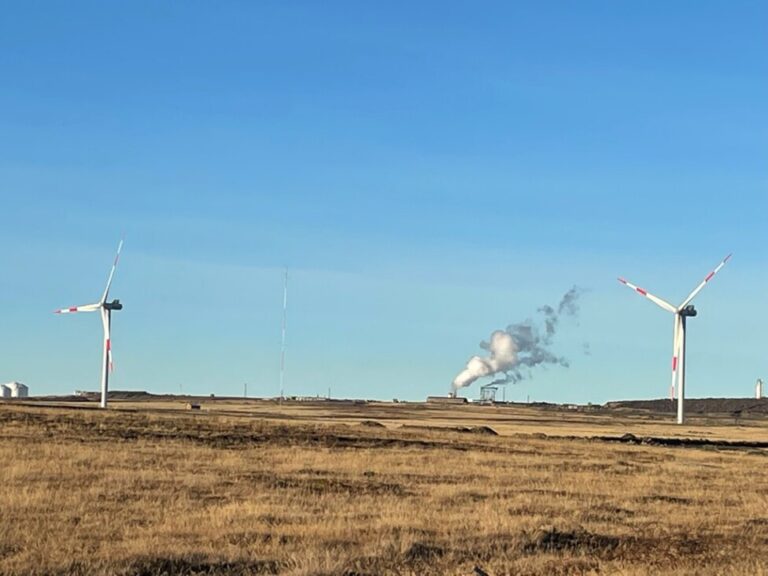
Many of the global crises we face are caused or exacerbated by corruption. Credit: Ashwath Hedge/Wikimedia Commons

Many of the global crises we face are caused or exacerbated by corruption. Credit: Ashwath Hedge/Wikimedia Commons

WASHINGTON DC, Sep 27 2022 (IPS) – As global crises mount, the G20 is proving unable to find solutions. Political disagreements within the bloc- including most prominently with Russia over the ongoing war in Ukraine- have hamstrung collective efforts.


Economic challenges have inevitably led to a focus on domestic priorities. And significant political changes in key G20 countries over the past few months- such as the UK and Italy- have further undermined joint decision-making.

Equally, on corruption issues, the G20 has a long way go, although the body continues to reiterate its commitment fighting graft and leading by example on core issues such as the role of audit institutions, anti-corruption education, money laundering and graft in the renewable energy sector.

The G20 Anti-Corruption Working Group (ACWG) meets for the final time under the Indonesian Presidency this week- and while there remains plenty to do, there are also glimmers of hope for the future, as India takes on leadership of the G20 for 2023.

It is easy to get disheartened about the continued ubiquity of corruption- but beyond the headlines and if we pay attention to the small print, there is some important progress being made

To better understand the progress made, Accountability Lab, as one of the international Co-Chairs of the C20 Anti-Corruption Working Group (ACWG), has partnered with the Royal United Services Institute (RUSI) to distill complex and scattered information on anti-corruption within G20 countries (often buried in lengthy reports, as we’ve highlighted previously) into a set of easy-to-understand one-pagers. Each of these (see Australia here or South Africa here for example) outlines for each of the member countries the progress made against key priorities, with the goal of encouraging sharing of ideas and learning within the G20.

Here is what we found:

Enhancing the role of audit in tackling corruption

The G20 ACWG recognizes the important role of audit in preventing corruption in both the public and private sectors, and member countries have institutions and systems in place to deter corruption.

For instance, 17 out of the 19 G20 member countries (the 20th is the EU) score over a global average of 63 on the International Budget Partnership’s metric for oversight by supreme audit institutions. Brazil has received a great deal of scrutiny in recent years because of corruption, but Brazil’s Tribunal de Contas da Uniao (TCU) is cited as an example for its innovative use of data analytics and artificial intelligence including identifying indicators of corruption.

Member countries are also improving existing laws, with Japan proposing to reform its audit law to provide more enforcement power to the Japanese Institute of Certified Public Accountants and improve oversight of listed companies.

Promoting public participation and anti-corruption education

Most G20 member countries have policies guaranteeing the right to participation through specific laws such as the right to information, public information disclosure or public procurement, to name a few.

In India, the Pre-legislative Consultation Policy was passed recently to ensure public participation in policy-making processes, and government as well as civil society platforms are available to promote public education, including on corruption issues.

Similarly, South Korea’s Public-Private Consultative Council for Transparent Society under the Anti-Corruption and Civil Rights Commission provides a platform to inform and disseminate anti-corruption messages. South Korea also aims to strengthen civic space and public participation including through a national Participatory Budgeting Citizens’ Committee.

In Australia a public-private partnership (Bribery Prevention Network) launched in October 2020 bringing together the private sector, civil society, government and academia to provide free resources to help corporates implement anti-bribery programmes, and was runner up in the Anti Corruption Collective Action Awards 2022.

Professional enablers of money laundering

The G20 acknowledges gaps in member countries’ anti-money laundering efforts, particularly related to preventive measures targeting professional enablers, including accountants, lawyers, or real estate agents- and is aiming to pull together guidance on these issues through a Compendium for Professional Enablers of Money Laundering.

While most countries do not have a comprehensive definition of Designated Non-Financial Business Professionals (DNFBPs), Indonesia, Japan, Mexico, and Saudi Arabia comply with the 2012 Financial Action Task Force (FATF) standards on the definition. The 2021 follow-up review from FATF noted that the revisions to China’s anti-money laundering law will include general provisions and supervision of DNFPBs.

In the US, if the ENABLERS Act– which was approved by the House of Representatives in July 2022– is passed by the Senate, it could regulate professional enablers; and in the UK, lack of supervision of enablers is being acknowledged by the government as it looks at different models to strengthen the supervision of accountants and lawyers.

Promoting corruption in the renewable energy sector

The G20 is working on a background note on Promoting Anti-Corruption in Renewable Energy in order to raise awareness and increase collaboration to prevent corruption in the energy sector. In 2022, Argentina launched an open information system (SIACAM) which provides public access to data on mining activities in the country, including their environmental and socio-economic impacts.

The Resource Governance Index notes that Argentina is one of only 7 countries that has made this type of data available. Similarly in Mexico, progress has been made with the publication of all oil procurement contracts on the state-owned website oil company, Pemex.

Japan’s cooperation agreement with India and the European Union to share experiences and best practices on liquid natural gas is cited as an example to follow by the International Energy Agency.

It is easy to get disheartened about the continued ubiquity of corruption- but beyond the headlines and if we pay attention to the small print, there is some important progress being made.

With the G20, the key now- as India assumes leadership of group- is for member countries to double down on their commitments and follow-through on implementation of reforms. Many of the global crises we face are caused or exacerbated by corruption- now is the time for our leaders to get this right.

Blair Glencorse is Executive Director of Accountability Lab; Sanjeeta Pant is of Accountability Lab. This piece draws on research carried out with RUSI. Follow the Lab on Twitter @accountlab

  Source

We Need Urgent Commitment, Resources & Action to Tackle Hunger Crisis

Civil Society, Development & Aid, Editors’ Choice, Featured, Food and Agriculture, Global, Headlines, Population, Poverty & SDGs, TerraViva United Nations

Opinion

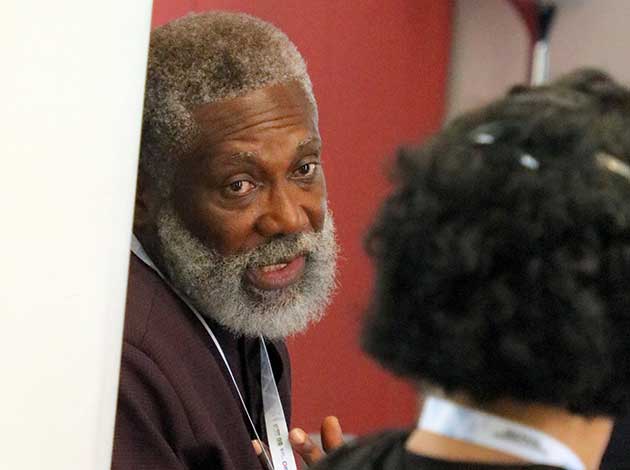
Conversation at the UN General Assembly Side Event on Responding to the Urgent Humanitarian Needs in the Horn of Africa. Credit: Karelia Pallan/Oxfam

NEW YORK, Sep 27 2022 (IPS) – Last week, as world leaders gathered in New York for the 77th United Nations General Assembly, one topic came up more than most: looming famine. That’s because despite a global commitment to make famine a relic of the past, it is once again knocking at our door.


In Somaliland two weeks ago, I witnessed communities past their breaking points. Grandparents there told me they could not recall a drought like this in their lifetimes.

At UNGA, I was honored to take part in many discussions on this and other topics – in particular a panel about the urgent humanitarian needs in the Horn of Africa. The region is facing several interlinked issues, including hunger, conflict, climate, and COVID-19. As we discuss – and more importantly, respond to – the crisis, we should keep in mind three themes: the urgency of the moment, the need for more access and more funding, and the implementation of a systemic solution.

The humanitarian crisis in the Horn needs to be at the top of the international agenda, and we need commitment, resources and action urgently. We have seen the warning signs that famine is coming for quite some time – and now we have been warned that it could be declared in Somalia as soon as next month.

Often, the international community is reactionary to crises, but this time we must also be anticipatory in assessing and responding to the needs of the region. In my trip to Somaliland, I spoke to farmers, pastoralists, and visited communities impacted by conflict, climate, and COVID-19. It was my first visit back to Somaliland in more than 20 years, which offered an interesting perspective of the arc of change.

Abby Maxman speaks with Safia, a woman forced to leave her home in Somaliland amid the drought and growing hunger. Credit: Chris Hufstader/Oxfam

Their shared experience is clear: their livelihoods and way of life – and that of their ancestors – are in danger and the need for action now is more urgent than ever. It is dispiriting that these preventable tragedies continue to repeat when the world has the resources and know-how to prevent them.

I spoke with Safia, a 38-year-old divorced mother of eight children, who lost 90% of her livestock. She stayed as long as she could in her community until she felt unsafe as the weak and dead livestock attracted hyenas at night, compelling her to make the five-day journey to reach the Dur-Dur IDP (Internally Displaced Person) camp near Burao.

At Dur Dur they were welcomed with clean water, some food, and materials to build a shelter. She and her children have been there for about three months. They are struggling to get enough food and might eat one meal a day, if they can. Oxfam and others are there offering support, but it’s not nearly enough to meet their basic needs.

Safia’s experience was just one of countless more of those who are bearing the brunt of the dual global hunger and climate crises that has been brought on by distant forces who are prioritizing profits over people and planet.

Earlier this year, Oxfam’s research estimated that one person is dying from acute hunger in the region every 48 seconds. Since then, the situation has only gotten worse. We have a narrow window of opportunity to stave off hunger in the horn. It is not too late to avert disaster, but more needs to be done immediately.

We know that anticipatory action saves lives, livelihoods, and scarce aid money, and across Oxfam and with our partners we have been sounding the alarm of this slow, onset emergency at local, national, and global levels for the past two years. Yet we are witnessing a system that is failing the people who are least responsible for this crisis.

We need more access and a lot more funding that supports frontline organizations and leaders. During the panel, it was encouraging to hear Under-Secretary-General for Humanitarian Affairs and Emergency Relief Coordinator Second Martin Griffiths put such emphasis on funding local organizations and leaders who have the knowledge, access, and courage to make real impact.

Local organizations know where the most vulnerable people are located, they can reach disaster zones quickly, and they understand the languages, cultures, geography, and political realities of the affected communities far better than outsiders.

These local leaders should be given the resources and space to make decisions to have the most effective response that will save lives now and in the long run. This may mean that international donors and organizations need to be more flexible in how they coordinate, fund, and implement a humanitarian response. The old way may not be the most effective – in fact we know it is not – especially where there are access challenges.

Finally, we must take a systemic approach in tackling these issues. We know that hunger, climate, and conflict do not happen in silos – they are inextricably linked. We must make sure we are fighting these interlinked crises, especially hunger and climate, together.

Climate change is causing more extreme weather events like droughts, floods, and heatwaves, which devastate crops and displace vulnerable communities. In fact, hunger has more than doubled in 10 of the worst climate hotspots in recent years.

Countries that have contributed the least to emissions are bearing the worst impacts of the climate crisis, while fossil fuel companies see record-breaking profits. Less than 18 days of profits from fossil fuel companies could cover the whole UN humanitarian appeal of $48.82 billion for 2022.

These conversations and convenings are important, but we must do more than raise the alarm – we must see action to follow them up. I hope that leaders recommit the political will to fulfill their moral obligation to meet this crisis in the Horn head on.

Safia is doing all she can to ensure her family’s survival – we must see leaders do all in their power, right now, to make sure she and millions more get the urgent aid they need now to survive, and see their right to a safe, healthy future recognized and realized in years to come.

Abby Maxman is President and CEO Oxfam America.

IPS UN Bureau

  Source

Women Advocates for Harvesting Rainwater in Salinity-Affected Coastal Bangladesh

Asia-Pacific, Climate Change, Development & Aid, Editors’ Choice, Environment, Featured, Headlines, Humanitarian Emergencies, Innovation, Natural Resources, TerraViva United Nations

Humanitarian Emergencies

Lalita Roy now has access to clean water and also provides a service to her community by working as a pani apa (water sister), looking after the community's rainwater harvesting plants. Credit: Rafiqul Islam/IPS

Lalita Roy now has access to clean water and also provides a service to her community by working as a pani apa (water sister), looking after the community’s rainwater harvesting plants. Credit: Rafiqul Islam/IPS

KHULNA, Bangladesh, Sep 23 2022 (IPS) – Like many other women in Bangladesh’s salinity-prone coastal region, Lalita Roy had to travel a long distance every day to collect drinking water as there was no fresh water source nearby her locality.


“In the past, there was a scarcity of drinking water. I had to travel one to two kilometers distance each day to bring water,” Roy, a resident of Bajua Union under Dakope Upazila in Khulna, told IPS.

She had to collect water standing in a queue; one water pitcher was not enough to meet her daily household demand.

“We require two pitchers of drinking water per day. I had to spend two hours each day collecting water. So, there were various problems. I had health complications, and I was unable to do household work for lack of time,” she said.

After getting a rainwater harvesting plant from the Gender-response Climate Adaptation (GCA) Project, which is being implemented by United Nations Development Programme (UNDP), Roy is now collecting drinking water using the rainwater harvesting plant, which makes her life easier.

“I am getting the facilities, and now I can give two more hours to my family… that’s why I benefited,” she added.

Shymoli Boiragi, another beneficiary of Shaheber Abad village under Dakope Upazila, said women in her locality suffered a lot in collecting drinking water in the past because they had to walk one to three kilometers every day to collect water.

“We lost both time and household work. After getting rainwater harvesting plants, we benefited. Now we need not go a long distance to collect water so that we can do more household work,” Boiragi said.

Shymoli revealed that coastal people suffered from various health problems caused by consuming saline water and spent money on collecting the water too.

“But now we are conserving rainwater during the ongoing monsoon and will drink it for the rest of the year,” she added.

THE ROLE OF PANI APAS

With support from the project, rainwater harvesting plants were installed at about 13,300 households under 39 union parishads in Khunla and Satkhira. One pani apa (water sister) has been deployed in every union from the beneficiaries.

Roy, now deployed as a pani apa, said the GCA project conducted a survey on the households needing water plants and selected her as a pani apa for two wards.

“As a pani apa, I have been given various tools. I go to every household two times per month. I clean up their water tanks (rainwater plants) and repair those, if necessary,” he added.

Roy said she provides services for 80 households having rainwater harvesting plants, and if they have any problem with their water tanks, she goes to their houses to repair plants.

“I go to 67 households, which have water plants, one to two times per month to provide maintenance services. If they call me over the cellphone, I also go to their houses,” said Ullashini Roy, another pani apa from Shaheber Abad village.

She said a household gives her Taka 20 per month for her maintenance services while she gets Taka 1,340 (US$ 15) from 67 households, which helps her with family expenses.

Ahoke Kumar Adhikary, regional project manager of the Gender-Response Climate Adaptation Project, said it supported installing rainwater harvesting plants at 13,300 households. Each plant will store 2,000 liters of rainwater in each tank for the dry season.

The water plants need maintenance, which is why the project has employed pani apas for each union parishad (ward or council). They work at a community level on maintenance.

“They provide some services, and we call them pani apas. The work of pani apas is to go to every household and provide the services,” Adhikary said.

He said the pani apas get Taka 20 from every household per month for providing their services, and if they need to replace taps or filters of the water plants, they replace those.

The pani apas charge for the replacements of equipment of the water plants, he added.

NO WATER TO DRINK

The coastal belt of Bangladesh is one of the most vulnerable areas to climate change as it is hit hard by cyclones, floods, and storm surges every year, destroying its freshwater sources. The freshwater aquifer is also being affected by salinity due to rising sea levels.

Ullashini Roy said freshwater was unavailable in the coastal region, and people drinking water was scarce.

“The water you are looking at is saline. The underground water is also salty. The people of the region cannot use saline water for drinking and household purposes,” Adhikary said.

Ahmmed Zulfiqar Rahaman, hydrologist and climate change expert at Dhaka-based think-tank Center for Environmental and Geographic Information Services (CEGIS), said if the sea level rises by 50 centimeters by 2050, the surface salinity will reach Gopalganj and Jhalokati districts – 50 km inside the mainland from the coastal belt, accelerating drinking water crisis there.

PUBLIC HEALTH AT RISK

According to a 2019 study, people consuming saline water suffer from various physical problems, including acidity, stomach problems, skin diseases, psychological problems, and hypertension.

It is even being blamed for early marriages because salinity gradually changes girls’ skin color from light to gray.

“There is no sweet water around us. After drinking saline water, we suffered from various waterborne diseases like diarrhea and cholera,” Ullashini said.

Hypertension and high blood pressure are common among coastal people. The study also showed people feel psychological stress caused by having to constantly collect fresh water.

Shymoli said when the stored drinking water runs out in any family; the family members get worried because it’s not easy to collect in the coastal region.

SOLUTIONS TO SALINITY

Rahaman said river water flows rapidly decline in Bangladesh during the dry season, but a solution needs to be found for the coastal area.

The hydrologist suggested a possible solution is building more freshwater reservoirs in the coastal region through proper management of ponds at a community level.

Rahaman said low-cost rainwater harvesting technology should be transferred to the community level so that coastal people can reserve rainwater during the monsoon and use this during the dry season.

He added that the government should provide subsidies for desalinization plants since desalinizing salt water is costly.

IPS UN Bureau Report

  Source

Monster Monsoon: “Pakistan and Its People Are Paying the Costs of What They Are Not Responsible For.”

Aid, Asia-Pacific, Civil Society, Climate Action, Climate Change, Development & Aid, Economy & Trade, Environment, Headlines, Inequality, TerraViva United Nations

Opinion

Credit: Pakistan Development Alliance

ISLAMABAD, Pakistan, Sep 1 2022 (IPS) – Pakistan has been going through the worst time of its recent history due to unprecedented colossal monsoon rains and devastating floods. The current floods would have been expected less than once a century, but climate experts claim that what we are seeing today is just a trailer of what’s in store for us if we don’t pay heed to climate change. More than 112 districts are currently afffected and around 30 million people; their property and land are totally devastated. Across the country, where hundreds of thousands of cattle died due to the Lumpy Skin Disease, now more than 727,000 have perished due to floods and rains. The number is increasing rapidly.


We were in the countryside conducting a study on the rights of women farm workers, when the Monster monsoon hit the country. We had to cut our field mission short and we are now relatively “safe” here in Islamabad, busy organising emergency relief and rescue operations.

Pakistan and its people are paying the costs of what they are not responsible for. For the past 20 years, Pakistan has consistently ranked among the top 10 most vulnerable countries on the Climate Risk Index. We are facing such climate change aggression and devastation while contributing only 0.8% of greenhouse carbon emissions to global warming. We are squeezed, geographically situtated between titans China and India, who are the top two emitters of greenhouse gases. This impacts the glaciers of the Himalaya. In Pakistan, our 7253 glaciers – more glaciers than almost anywhere on Earth – are melting faster than ice-cream in the sun due to climate change. Since the whole country is situated in the downstream of the Hamalaya, heavy floods have become the norm. To this scenario, you need to add flawed developement interventions, absence of rule of law and the lack of policy priorities towards the management of “everyday” disasters. This results in risks being left undone instead of being treated as full-fledged national security emergencies.

Today, the horrific scale of the floods are not in doubt, but the catastrophe is still unfolding. Rehabilitation and reconstruction activities need to be initiated immediately. Pakistan is already facing food insecurity due to this manmade disaster. In the long run, this crisis will increase poverty, inequality and economic instability in the country if we – supported by the world at large – fail to respond quickly.

Being part of a civil society network I see with my own eyes how civil society is vehementally engaged in rescue, relief and emergency activities through local resources and philanthropic initiatives. The international community and INGOs have not yet initiated their field operations. Although the government has officially appealed for the support of the international community and has levereged restrictions, the intensive regulatory frameworks are still working against rights based NGOs.

I have a message for the international community. Please support flood affected communities as early as possible. Local civil society needs to be strengthened and financed as well, as they are on the frontlines, they are the first reaching affected communities. In the future, there needs to be serious investments on addressing the impacts of climate change, particularly in vulnerable countries such as Pakistan, where climate change adaptation mechanism and infrastructure support should be mainstreamed. Now they are at the periphery, and it shows.

IPS UN Bureau

  Source

Colombia’s New President May Need U.S. Blessing to Realize his Domestic Agenda

Armed Conflicts, Civil Society, Development & Aid, Featured, Headlines, Human Rights, Latin America & the Caribbean, TerraViva United Nations

Opinion

The writer is a Geneva-based researcher for the Third World Network

A woman paints a mural for Peace and Reconciliation in Colombia. Credit: UNMVC/Jennifer Moreno

GENEVA, Aug 9 2022 (IPS) – For the first time in its contemporary history, Colombia has a left-wing government. The presidency of Gustavo Petro, who took the reins August 8, marks a significant break from the political status quo. He also represents a stiff test for U.S. influence in Latin America.


Colombia is Washington’s most enduring ally in the region, and in recent years their relationship has been built around combatting the nation’s drug cartels. But despite major efforts to curb supply, Colombia remains a top source of cocaine for the United States.

The United Nations Office on Drugs and Crime (UNODC) recently estimated that Colombia’s cocaine harvest hit a record high in 2020. On the back of new coca varieties (the base ingredient for cocaine) and better cultivation techniques, Colombia’s potential output reached 1,228 tonnes in 2020. This was triple the 2010 level and four times greater than in the early 1990s, when Pablo Escobar was at the height of his infamy.

Since launching its controversial ‘war on drugs’ in 1971, successive Republican and Democratic administrations have supplied more than $13 billion in military and economic aid to Colombia. To little avail.

According to a 2021 United States’ Drug Enforcement Agency report, over 90 percent of the cocaine seized in the U.S. originates from Colombia. The U.S. remains the biggest consumer market for Colombian cocaine.

Petro is among those who have denounced the U.S.’s counter-narcotics strategy as counterproductive. In particular, he’s taken aim at US-backed aerial fumigation campaigns to destroy coca fields.

He favours expanding crop substitution programs that provide credit, training and enhanced land rights to rural farmers. For Petro, tackling Colombia’s violent drug trade is bound up with the county’s historic land ownership inequality.

He has also been an ardent critic of Colombia’s free-trade agreement (FTA) with the U.S. for pushing farmers into coca production and for exacerbating Colombia’s over-reliance on fossil fuel and coffee exports.

At the same time, imports from America’s highly subsidized agricultural sector have displaced whole segments of Colombia’s agrarian economy, forcing thousands of farmers into coca production.

Petro’s election campaign called for “smart tariffs” to protect Colombia’s rural farmers from U.S. imports and, by extension, criminal activity. “The free trade agreement signed with the United States handed rural Colombia to the drug traffickers,” he told the Financial Times in May. What’s more, he noted that “agricultural production cannot be increased if we do not renegotiate the FTA.”

An ex-member of the M-19 guerrilla group, Colombia’s new president has vowed to tackle asymmetric trade relations in line with land reform and the drug trade. But he will likely face severe opposition from the armed forces, who themselves fought leftist guerrilla movements during Colombia’s 52-year civil conflict.

Further, the military have a longstanding role in the U.S.-led war on drugs. For his part, Petro has accused Colombia’s top brass of corruption and human rights abuses, even since the Government-Farc peace treaty of 2016.

Elsewhere, the President faces a divided congress and deep hostility from landowning elites. It will require skilful manoeuvring to unite a fractured country around his domestic policies. And even if Petro can generate sufficient national support around his policy aims, he would still need to convince the Biden administration to back-track on the U.S.’s ideological commitment to free trade.

So, what cards can Petro play?

His opening gambit is likely to be a financial argument. While cocaine overdoses claim far fewer lives than opioids, the fiscal costs associated with interceding cocaine into the U.S. are staggering.

Navy and Coast Guard seizures alone cost American taxpayers US$56 billion in 2020, to say nothing of land border expenditures. State funds are also used for cocaine-linked policing, incarcerations and medical treatment.

The current geopolitical landscape may also provide Petro with an unlikely Trump card. Given President Joe Biden’s condemnation of Russia’s invasion of Ukraine, he will be careful avoid pushing Colombia (which he has described as a security “linchpin”) into a closer embrace with Cuba and Venezuela, who are diplomatically aligned with the Kremlin.

To isolate Russia even further, Biden will likely soften America’s stance in renegotiating its FTA with Colombia.

Last month, senior representatives from the Biden administration met with Petro to discuss, among other things, the FTA. While the U.S. has taken tentative steps towards renegotiating the deal, Petro should be wary of a favourable result.

Over the past twenty-five years, an intricate web of government and military bureaucracy has been constructed around U.S.-Colombian counter-narcotics operations. It will be difficult to disentangle.

IPS UN Bureau

  Source

U.S.-Latin America Immigration Agreement Raises more Questions than Answers

Active Citizens, Civil Society, Development & Aid, Editors’ Choice, Featured, Headlines, Human Rights, Latin America & the Caribbean, Migration & Refugees, Population, Poverty & SDGs, Regional Categories

Migration & Refugees

A hundred Central American migrants were rescued from an overcrowded trailer truck in the Mexican state of Tabasco. It has been impossible to stop people from making the hazardous journey of thousands of kilometers to the United States due to the lack of opportunities in their countries of origin. CREDIT: Mesoamerican Migrant Movement

A hundred Central American migrants were rescued from an overcrowded trailer truck in the Mexican state of Tabasco. It has been impossible to stop people from making the hazardous journey of thousands of kilometers to the United States due to the lack of opportunities in their countries of origin. CREDIT: Mesoamerican Migrant Movement

SAN SALVADOR, Jul 19 2022 (IPS) – The immigration agreement reached in Los Angeles, California at the end of the Summit of the Americas, hosted by U.S. President Joe Biden, raises more questions than answers and the likelihood that once again there will be more noise than actual benefits for migrants, especially Central Americans.


And immigration was once again the main issue discussed at the Jul. 12 bilateral meeting between Mexican President Andrés Manuel López Obrador and Biden at the White House.

At the meeting, López Obrador asked Biden to facilitate the entry of “more skilled” Mexican and Central American workers into the U.S. “to support” the economy and help curb irregular migration.

Central American analysts told IPS that it is generally positive that immigration was addressed at the June summit and that concrete commitments were reached. But they also agreed that much remains to be done to tackle the question of undocumented migration.

That is especially true considering that the leaders of the three Central American nations generating a massive flow of poor people who risk their lives to reach the United States, largely without papers, were absent from the meeting.

Just as the Ninth Summit of the Americas was getting underway on Jun. 6 in Los Angeles, an undocumented 15-year-old Salvadoran migrant began her journey alone to the United States, with New York as her final destination.

She left her native San Juan Opico, in the department of La Libertad in central El Salvador.

“We communicate every day, she tells me that she is in Tamaulipas, Mexico, and that everything is going well according to plan. They give them food and they are not mistreating her, but they don’t let her leave the safe houses,” Omar Martinez, the Salvadoran uncle of the migrant girl, whose name he preferred not to mention, told IPS.

She was able to make the journey because her mother, who is waiting for her in New York, managed to save the 15,000-dollar cost of the trip, led as always by a guide or “coyote”, as they are known in Central America, who in turn form part of networks in Guatemala and Mexico that smuggle people across the border between Mexico and the United States.

The meeting of presidents in Los Angeles “was marked by the issue of temporary jobs, and the presidents of key Central American countries were absent, so there was a vacuum in that regard,” researcher Silvia Raquec Cum, of Guatemala’s Pop No’j Association, told IPS.

In fact, neither the presidents of Honduras, Xiomara Castro, of Guatemala, Alejandro Giammattei, or El Salvador, Nayib Bukele, attended the conclave due to political friction with the United States, in a political snub that would have been hard to imagine just a few years ago.

Other Latin American presidents boycotted the Summit of the Americas as an act of protest, such as Mexico’s López Obrador, precisely because Washington did not invite the leaders of Cuba, Nicaragua and Venezuela, which it considers dictatorships.

 From rural communities like this one, the village of Huisisilapa in the municipality of San Pablo Tacachico in central El Salvador, where there are few possibilities of finding work, many people set out for the United States, often without documents, in search of the "American dream". CREDIT: Edgardo Ayala/IPS

From rural communities like this one, the village of Huisisilapa in the municipality of San Pablo Tacachico in central El Salvador, where there are few possibilities of finding work, many people set out for the United States, often without documents, in search of the “American dream”. CREDIT: Edgardo Ayala/IPS

More temporary jobs

Promoting more temporary jobs is one of the commitments of the Los Angeles Declaration on Migration and Protection adopted at the Summit of the Americas and signed by some twenty heads of state on Jun. 10 in that U.S. city.

“Temporary jobs are an important issue, but let’s remember that economic questions are not the only way to address migration. Not all migration is driven by economic reasons, there are also situations of insecurity and other causes,” Raquec Cum emphasized.

Moreover, these temporary jobs do not allow the beneficiaries to stay and settle in the country; they have to return to their places of origin, where their lives could be at risk.

“It is good that they (the temporary jobs) are being created and are expanding, but we must be aware that the beneficiaries are only workers, they are not allowed to settle down, and there are people who for various reasons no longer want to return to their countries,” researcher Danilo Rivera, of the Central American Institute of Social and Development Studies, told IPS from the Guatemalan capital.

The Los Angeles Declaration on Migration and Protection states that it “seeks to mobilize the entire region around bold actions that will transform our approach to managing migration in the Americas.”

The Declaration is based on four pillars: stability and assistance for communities; expansion of legal pathways; humane migration management; and coordinated emergency response.

The focus on expanding legal pathways includes Canada, which plans to receive more than 50,000 agricultural workers from Mexico, Guatemala and the Caribbean in 2022.

While Mexico will expand the Border Worker Card program to include 10,000 to 20,000 more beneficiaries, it is also offering another plan to create job opportunities in Mexico for 15,000 to 20,000 workers from Guatemala each year.

The United States, for its part, is committed to a 65 million dollar pilot program to help U.S. farmers hire temporary agricultural workers, who receive H-2A visas.

“It is necessary to rethink governments’ capacity to promote regular migration based on temporary work programs when it is clear that there is not enough labor power to cover the great needs in terms of employment demands,” said Rivera from Guatemala.

He added that despite the effort put forth by the presidents at the summit, there is no mention at all of the comprehensive reform that has been offered for several years to legalize some 11 million immigrants who arrived in the United States without documents.

A reform bill to that effect is currently stalled in the U.S. Congress.

Many of the 11 million undocumented migrants in the United States come from Central America, especially Honduras, Guatemala and El Salvador, as well as Mexico.

While the idea of immigration reform is not moving forward in Congress, more than 60 percent of the undocumented migrants have lived in the country for over a decade and have more than four million U.S.-born children, the New York Times reported in January 2021.

This population group represents five percent of the workforce in the agriculture, construction and hospitality sectors, the report added.

 Despite the risks involved in undertaking the irregular, undocumented journey to the United States, many Salvadorans continue to make the trip, and many are deported, such as the people seen in this photo taken at a registration center after they were sent back to San Salvador. CREDIT: Edgardo Ayala/IPS

Despite the risks involved in undertaking the irregular, undocumented journey to the United States, many Salvadorans continue to make the trip, and many are deported, such as the people seen in this photo taken at a registration center after they were sent back to San Salvador. CREDIT: Edgardo Ayala/IPS

More political asylum

The Declaration also includes another important component of the migration agreement: a commitment to strengthen political asylum programs.

For example, among other agreements in this area, Canada will increase the resettlement of refugees from the Americas and aims to receive up to 4,000 people by 2028, the Declaration states.

For its part, the United States will commit to resettle 20,000 refugees from the Americas during fiscal years 2023 and 2024.

“What I took away from the summit is the question of creating a pathway to address the issue of refugees in the countries of origin,” Karen Valladares, of the National Forum for Migration in Honduras, told IPS from Tegucigalpa.

She added: “In the case of Honduras, we are having a lot of extra-regional and extra-continental population traffic.”

Valladares said that while it is important “to enable refugee processes for people passing through our country, we must remember that Honduras is not seen as a destination, but as a transit country.”

Raquec Cum, of the Pop No’j Association in Guatemala, said “They were also talking about the extension of visas for refugees, but the bottom line is how they are going to carry out this process; there are specific points that were signed and to which they committed themselves, but the how is what needs to be developed.”

Meanwhile, the Salvadoran teenager en route to New York has told her uncle that she expects to get there in about a month.

“She left because she wants to better herself, to improve her situation, because in El Salvador it is expensive to live,” said Omar, the girl’s uncle.

“I have even thought about leaving the country, but I suffer from respiratory problems and could not run a lot or swim, for example, and sometimes you have to run away from the migra (border patrol),” he said.

  Source