UNCCD COP16 Spotlights Drought But Fails to Agree on a Legally Binding Protocol

Combating Desertification and Drought, Conferences, Development & Aid, Environment, Featured, Global, Headlines, Middle East & North Africa, Sustainable Development Goals, TerraViva United Nations

Combating Desertification and Drought

COP16 in Riyadh launched a drought resilience initiative, which also saw contributions of over USD 12 billion for land restoration and drought resilience. Credit: IISD/ENB

COP16 in Riyadh launched a drought resilience initiative, which also saw contributions of over USD 12 billion for land restoration and drought resilience. Credit: IISD/ENB

RIYADH & HYDERABAD, Dec 17 2024 (IPS) – The 16th meeting of the Conference of the Parties to the UN Convention to Combat Desertification (UNCCD COP 16) concluded early hours of Saturday with a renewed focus on building drought resilience globally. However, the COP also failed to agree on bringing a legally binding drought protocol. Like the biodiversity and climate change COPs held earlier in the year, COP16 also failed to finish in time and ended by postponing several key decisions to COP17 scheduled to be held in 2026.


The COP started on December 2 in Riyadh, under the presidency of Saudi Arabia. On Saturday, in a press statement, Osama Faqeeha, Deputy Minister for Environment, Ministry of Environment, Water and Agriculture, and Advisor to the UNCCD COP16 Presidency, claimed that the conference was a resounding success because it had attracted the largest number of participants till date, representing diverse sectors.

“The Riyadh Action Agenda has already helped galvanize state and non-state actors around the world. However, COP16 in Riyadh is just the beginning of its impact, and Saudi Arabia’s UNCCD COP16 Presidency will continue to engage with everyone, from the investment community, NGOs and scientists to Indigenous Peoples and farmers, to maximize its lasting global legacy,” he said.

One of the biggest success stories scripted in Riyadh was the launch of a drought resilience initiative, which also saw contributions of over USD 12 billion for land restoration and drought resilience. Launching the initiative on the first day of the COP, Saudi Arabia announced it was contributing USD 150 million for its operationalization. The rest of the fund was pledged by the Arab Coordination Group, which has 22 member countries, including the UAE, Egypt and Bahrain. The initiative would aim to support 80 of the world’s most vulnerable countries to increase their capacity to combat the effects of drought and build their drought resilience.

“The Riyadh Global Drought Resilience Partnership will work to deliver a transformative shift in how drought is tackled around the world. Harnessing the collective impact of major global institutions will move drought management beyond reactive crisis response through enhancing early warning systems, financing, vulnerability assessments, and drought risk mitigation. This stands to be a landmark moment for combating international drought, and we are calling on countries, companies, organizations, scientists, NGOs, financial institutions and communities to join this pivotal partnership,” Faqeeha said.

AI For Combating Drought

As part of the Riyadh Action Agenda, Saudi Arabia’ also launched the International Drought Resilience Observatory (IDRO). This is the first artificial intelligence-driven global platform that will help countries assess and improve their ability to cope with more severe droughts. This innovative tool is an initiative of the International Drought Resilience Alliance (IDRA).

Saudi Arabia also announced the launch of an international sand and dust storm monitoring initiative. This effort, part of a regional early warning system, aims to complement existing efforts overseen by the World Meteorological Organization. Based in Jeddah, the Sand and Dust Storm Warning Advisory and Assessment System (SDS-WAS) increases the number of global World Meteorological Organization-affiliated nodes to four. Saudi Arabia also pledged $10 million in funding over the next five years to enhance early warning systems in countries currently unable to monitor for sand and dust storms.

However, despite their best efforts, the COP16 could not bring all negotiators to agree on its proposal of creating a legally binding treaty for action on drought. The protocol, if agreed upon, could have been a huge step forward, having the world’s first legally binding global treaty on drought, land degradation and desertification, equivalent to the UNFCCC’s Paris Agreement and the Global Biodiversity Framework.

Paving Greater Participation of Youths and IPLCs

Among the other decisions taken at the COP16 is the creation of a Youth Caucus and an Indigenous Peoples and Local Communities Caucus. Though a caucus within the COP has an advisory role without any voting power, it can help broaden the participation of the Indigenous people and provide an opportunity to them for lobbying for language concerning Indigenous issues in the future negotiation texts.

Reacting to the development, Jennifier Corpuz, leader of the International Indigenous Forum on Biodiversity (IIFB), an umbrella organization of Indigenous Peoples and local communities from seven global regions, said that it was a decision that had been long overdue.

“The decision by the UNCCD to support the development of a Terms of Reference for an Indigenous Peoples Caucus and a local communities caucus is a great development for enhancing rights-holder engagement in the work of the UNCCD. It is the last Rio Convention to support the establishment of an IP Caucus and the first to explicitly support a specific local community Caucus, so it is about time, even long overdue. The hope is that the new UNCCD IP and LC caucuses learn from the nest practices and enhanced participation arrangements established in the other Rio Conventions and avoid the mistakes,” Corpuz told IPS News.

UN Warns Against Business-As-Usual Approach

Meanwhile, throughout COP16 in Riyadh, the UNCCD released several major publications highlighting the urgency of tackling land degradation, desertification and drought. The UNCCD’s financial risk assessment flagged that presently there is a $278 billion annual shortfall in funding for land restoration and drought resilience and emphasized the urgent need for private sector engagement.

The UNCCD also issued a landmark report into the growing global expansion of drylands, finding three-quarters of the Earth’s land became permanently drier over the last three decades. In addition, the rate of land degradation has rapidly increased. As a result, there are now 1.6 billion hectares of degraded land instead of 1 billion hectares in 2015. This means the convention’s flagship program, Land Degradation Neutrality, which aims to restore all degraded land by 2023, now also urgently needs a greater level of efforts as there is now half a billion more hectares to be restored. If this was to be achieved, the parties must shun their business-as-usual approach and put greater focus on land restoration, said Ibrahim Thiaw, the Executive Secretary of UNCCD.

“Land Degradation Neutrality is an ambition that was adopted in 2015 based on the science and it is still valid. If we manage to achieve it as it was conceived in 2015, that is a big step forward. Unfortunately, with more recent studies and data, we realized that we need to restore even more land by 2030 than it was envisaged in 2015. It doesn’t change or diminish the importance of the decision made in 2015. Because now we have updated science, we know that we need to restore 1.5 billion hectares of land instead of 1 billion hectares by 2030 in order to have equilibrium in the world. So basically, we have science to tell the decision-makers of the world that business as usual does not work,” Thiaw told IPS News.

The next UNCCD COP will be held in 2026 under the presidency of the Government of Mongolia. With the most ambitious of the decision—a global drought protocol—left unreached, onus is now on the UN to build a consensus among parties on a global drought agreement before they convene at COP17.

IPS UN Bureau Report


‘We Will Not Go Quietly Into the Rising Sea,’ Tuvalu Tells International Court of Justice

Asia-Pacific, Civil Society, Climate Change, Climate Change Finance, Climate Change Justice, Development & Aid, Environment, Featured, Global, Headlines, Human Rights, Humanitarian Emergencies, International Justice, Natural Resources, PACIFIC COMMUNITY, Pacific Community Climate Wire, Small Island Developing States, Sustainable Development Goals, TerraViva United Nations, Trade & Investment

Climate Change Justice

Territorial integrity is not limited to physical land territory. It must be conceived as of a historical and cultural norm linked to the vitality, dignity and identity of the people holding the right to self-determination to ensure respect for territorial integrity goes beyond ensuring the maintenance of physical land boundaries—Professor Phillipa Webb

Water floods in, showing how nature and people are at risk. Trees can’t grow because of salt, leaving no protection. This photo warns about climate change’s effect on our islands and atolls. It’s a clear sign we need to act to keep our world safe. Credit: Gitty Keziah Yee/Tuvalu

THE HAGUE, Dec 13 2024 (IPS) – Rising sea level caused by greenhouse gas emission-fueled climate change is threatening existence in coastal communities and island nations. At the International Court of Justice (ICJ), on Thursday, December 12, 2024, small island states, including Tuvalu and a Pacific-based fisheries agency detailed their ongoing existential threats caused by the climate change-induced sea level rise and impacts on fishery-based livelihood.


Tuvalu, the Alliance of Small Island States (AOSIS) and the Pacific Islands Forum Fisheries Agency (FFA) both focused their oral presentations before the court on highlighting added and exacerbated struggles faced by people in the region through visual evidence and testimony of the frontline community.

At the request of Vanuatu, the UN General Assembly asked the ICJ to issue an advisory opinion on the obligations of UN member states in preventing climate change and ensuring the protection of the environment for present and future generations. While its advisory opinion will not be enforceable, the court will advise on the legal consequences for member states who have caused significant harm, particularly to small island developing states. So far, more than 100 countries and agencies have presented their case before the court.

On Thursday, island states stressed the disproportionate effects of climate change on small islands, urging the court to recognize the duty of cooperation, the stability of maritime zones, and the principle of continuity of statehood.

Climate Crisis Can not be Solved in Isolation—Tuvalu

Tuvalu, a small island nation in the South Pacific with over 11,000 people, emphasized its right to self-determination and territorial integrity at a time when it is facing an existential threat from climate change-induced sea level rise.

The low-lying island nation of Tuvalu is fighting for its existence; according to scientists, much of their land area, along with critical infrastructure, will be under water by 2050. Tuvalu urged the ICJ to issue a strong advisory opinion on states’ obligations to combat climate change and protect small island states.

Furthering the submission, Laingane Italeli Talia, Attorney General of Tuvalu, said climate change is the single greatest threat the country is facing. “It cannot be that in the face of such unprecedented and irreversible harm, international law is silent.

“Tuvalu, accordingly, asks the court to keep the unprecedented infringement on our people’s right to self-determination at the very center of his critical advisory opinion in order to help chart the pathway forward for our very survival.”

‘Annihilation Posed By Nuclear Weapons’ 

Professor Phillipa Webb, representing Tuvulu, used the analogy that the threat of disappearance faced by states like Tuvalu is like the potential annihilation posed by nuclear weapons.

“This extreme circumstance triggers all the tools that international law provides for respecting statehood, ensuring territorial integrity and protecting sovereignty over natural resources,” Webb said.

“Tuvalu’s constitution affirms that its statehood will remain in perpetuity, notwithstanding any loss to its physical territory. In the same way that the right to survival requires state continuity, the right also compels respect for territorial integrity, which encompasses a state’s permanent sovereignty over its natural resources,” Webb said, drawing on the drawing on the Montevideo Convention on the Rights and Duties of States.

“Respect for territorial integrity and territorial sovereignty is an essential foundation of international relations in the context of climate change. This obliges States to prevent and mitigate transboundary environmental harm. It requires that States facilitate adaptation to climate change impacts, and these measures should not be limited to the preservation and restoration of coasts and islands but also to protecting the rights of peoples to self-determination.”

The right to self-determination includes aspects other than physical land, and the court should take this into account.

“Territorial integrity, a corollary of the right to self-determination, is not limited to physical land territory. It must be conceived as a historical and cultural norm linked to the vitality, dignity and identity of the people holding the right to self-determination to ensure respect for territorial integrity goes beyond ensuring the maintenance of physical land boundaries. Like other concepts in international law, such as cultural heritage, biodiversity and intellectual property, it covers tangible and intangible assets.”

Quoting Tuvaluan climate activist Grace Malie, Webb told the court, “Tuvalu will not go quietly into the rising sea.”

Statehood Should be Ensured—AOSIS

AOSIS submitted its case on behalf of the 39 small island and low-lying coastal developing states and urged it to consider the existential threat posed by climate change-induced sea level rise and the possibility that some states may not even have dry land in the near future.

It emphasizes the importance of equity and self-determination in the context of climate change and the need for international law to support the continuity of statehood and sovereignty.

Fatumanava-o-Upolu III Dr. Pa’olelei Luteru, Chair of AOSIS and Permanent Representative of Samoa to the United Nations, focused on the impact of the climate crisis on states defined by the ocean’s limited resources and geographic vulnerability.

“Small island developing states rely heavily on coastal and marine resources as key drivers of our economies,” he said. “However, climate change is disrupting the fishery sector because of warming waters and an altered marine environment.”

The AOSIS asked the court to uphold the principle of continuity of statehood as established in international law, ensuring that statehood and sovereignty endure despite physical changes to land territory.

Luteru added, “In this era of unprecedented and relentless sea level rise, international law must evolve to meet the climate crisis and the disproportionate effect that it has on states.”

Focus on Sustainability of Tuna Fisheries—FFA

Rising sea level and ocean warming are not only threatening the existence of island nations but they are also hammering a major way of livelihood, fishing. Representing the fishing community at the ICJ, FFA highlighted the state of loss of fisheries, including tuna.

Tuna fisheries are crucial for the economic, social, and cultural development of Pacific Island communities, with 47 percent of households depending on fishing as a primary or secondary source of income.

FFA, an intergovernmental agency, focuses on sustainable use of offshore fisheries resources, particularly tuna, which are facing threats to climate change impacts.

“Damage to fisheries and loss of fish stocks will have a significant negative impact on the income, livelihoods, food security and economies of Pacific small island developing states, as well as social and cultural impacts,” Pio Manoa, Deputy Director General of FFA, said.

“Climate change is driving tuna further to the east and outside of members, exclusive economic zones into the high seas, threatening the loss of economic and food security of Pacific small and developing states.”

Studies show climate change-driven redistribution of commercial tuna species will cause an economic blow to the small island states of the Western and Central Pacific, ultimately threatening the sustainability of the world’s largest tuna fishery.

By 2050, under a high greenhouse gas emissions scenario, the total biomass of three tuna species in the waters of 10 of the Pacific small islands developing states members of the agency could decline by an average of 13 percent.

“The adverse consequences for the livelihood and well-being of coastal communities are profound, including their very security and survival impacts on marine resources, including offshore fisheries such as tuna,” Manoa said. “It is therefore incumbent upon the international community to take necessary action to deal with anthropogenic emissions of greenhouse gases and their consequences.”

IPS UN Bureau Report

  Source

In Zimbabwe, Women Are Leading the Battle Against Climate Change

Africa, Africa Climate Wire, Civil Society, Climate Change, Combating Desertification and Drought, Development & Aid, Environment, Featured, Food and Agriculture, Food Security and Nutrition, Food Sustainability, Headlines, Humanitarian Emergencies, Natural Resources, Sustainable Development Goals, TerraViva United Nations, Women & Economy

Food and Agriculture

Some farmers buying seed at discounted prices during a seed fair in Masvingo, Zimbabwe. Credit: Farai Shawn Matiashe/IPSome of the farmers purchasing seed at discounted prices during a seed fair in Masvingo, Zimbabwe. Credit: Farai Shawn Matiashe/IPS

Some farmers buy seed at discounted prices during a seed fair in Masvingo, Zimbabwe. Credit: Farai Shawn Matiashe/IPS

MAFAURE, Zimbabwe, Dec 11 2024 (IPS) – When Susan Chinyengetere started to focus on farming in her home village in south-eastern Zimbabwe, she wondered if she could earn a living and raise her children.

With climate catastrophes ravaging the country, her hesitation on rain-fed agriculture worsened. But two years later, the 32-year-old mother of two from Mafaure village in Masvingo, about 295 km from the capital Harare, is now a champion in farming.


Armed with early maturity and drought-resistant crop varieties like orange maize, cowpeas and lab-lab for livestock feed, Chinyengetere has a good harvest despite prolonged droughts across Zimbabwe.

“There was a drought last farming season, but I managed to get enough food to feed my family until next season,” she says. “I even sold leftovers to the local market.”

Brutal Drought Ravaging Crops

Zimbabwe, a landlocked country, relies on rain-fed agriculture. But over the years, rain patterns have been erratic, threatening the entire agriculture sector. The Southern African nation has been hit by one climate disaster after another. If there are no violent cyclones, severe floods or devastating droughts are ravaging the country.

From 2023 to 2024, a brutal El Niño drought—the strongest on record—plummeted the entire country.

Mozambique, Malawi and Zambia were also not spared by the same El Niño drought. There was crop failure in more than 80 percent of the country, according to the government.

Some farmers have been left with little or no food, and sources of livelihood in rural areas have been affected. Zimbabwe may be reaching a tipping point for rain-fed agriculture.

Farmers in Masvingo are growing orange maize, which has high vitamins amid climate change. Credit: Farai Shawn Matiashe/IPS

Farmers in Masvingo are growing orange maize, which has high vitamins amid climate change. Credit: Farai Shawn Matiashe/IPS

But woman farmers like Chinyengetere have their little secret as to how they are becoming resilient and adapting to the effects of climate change. She is part of Ukama Ustawi, an Initiative on Diversification in East and Southern Africa by CGIAR, a global research partnership for a food-secure future dedicated to transforming food, land, and water systems in a climate crisis. The farmers are subdivided into small groups of at most 15.

“I use zero tillage when I plant orange maize on my land spanning 40 m by 90 m. The idea is not to disturb the soil,” says Chinyengetere. “I was used to white maize. When I joined this project, I planted yellow maize for the first time.”

Zero tillage is an agricultural technique where farmers sow seeds directly into the soil without disturbing it. It is part of conservation agriculture that is becoming popular in Zimbabwe after it was upscaled across the country by the government. Chinyengetere prefers the technique because it has less labour than tillage farming.

“Even when I am alone and my children are at school, I can still sow the whole field,” she says.

In Masvingo, men are also providing solutions to climate change through the Ukama Ustawi initiative, though women are the majority.

Anton Mutasa from Zindere village in Masvingo says he has been able to feed his family because of climate-smart agriculture. “I grow orange maize, cowpeas, and lab-lab. To conserve water, prevent soil erosion and allow water to infiltrate, I spread some mulch around the plants,” says the 55-year-old father of six.

“This is vital, particularly during the dry season. I also rotate the crops to improve soil fertility. For instance, if I grew cowpeas on this part of land last season, this season I will make sure I grow oranges.”

Climate change affects women differently

Both men and women are affected by climate change. But for women, it hits harder because of the preexisting inequalities. They suffer because of the entrenched societal roles and limited access to resources.

Women are primarily responsible for cooking for the family and fetching water, particularly in rural areas. This places them on the frontlines of climate change because food and water become scarce during extreme weather events like drought.

Another farmer, Tendai Marange, from Machengere village in Masvingo, says less labour farming techniques allow women to continue their role as women. “I am expected to do house chores, but at the same time I want to go to the farm. This technique saves me time,” says the 47-year-old mother of three.

Farmers networking during a seed fair in Masvingo, Zimbabwe. Credit: Farai Shawn Matiashe/IPS

Farmers networking during a seed fair in Masvingo, Zimbabwe. Credit: Farai Shawn Matiashe/IPS

Chinyengetere says she is inspiring other women. “I feel empowered. I am occupied. The fact that I am bringing income and food for the family brings happiness to my marriage,” she says. “I even doubted myself. I thought, as a woman, I am a child-bearing machine.”

Once Chinyengetere and Marange’s projects are successful, they will share what they learned with others in Zimbabwe and beyond the borders.

“I am contributing solutions to climate change. Women are often at the receiving end of climate change. But my case is different; I am leading from the front,” says Chinyengetere.

Over 1 million farmers have been reached with different agriculture initiatives. At least 140,000 use the technologies that were promoted under Ukama Ustawi in Ethiopia, Kenya, Zimbabwe, Malawi and Zambia, according to Christian Thierfelder, a principal cropping systems agronomist at the International Maize and Wheat Improvement Center (CIMMYT), one of the research centres working with CGIAR.

About 60 percent of those were women. More than 45 percent were youth.

Thierfelder says as part of Ukama Ustawi in Zimbabwe, they work in 30 communities, where they have trials on drought-resistant crops.

He says Ukama Ustawi’s primary aim is to shift farmers’ behavior and perceptions, moving away from conventional maize-only farming systems towards diversified maize-based systems under conservation agriculture principles. “This involves promoting practices like crop rotation, intercropping, and sustainable soil management, all of which are essential for improving resilience to climate variability and boosting long-term productivity,” Thierfelder says.

Many farmers across the country lost their livestock due to lack of feed after grazing lands were depleted and outbreaks of diseases precipitated by the El Niño drought. Ukama Ustawi is working to change this by fostering livestock feeding systems with green manure cover crops and forage grasses.

“I lost my cattle in the previous droughts before joining Ukama Ustawi. I had no feed and diseases worsened the situation. I am now using lab-lab to make feed for my goats,” says Marange.

Networking

Ukama is a Shona word that translates to relationship. Marange says the groups provide networking opportunities. “We are a family. We share tips and ideas on conservation farming,” she says.

Since 2020, CIMMYT has been organizing seed and mechanization fairs where farmers access high-quality seeds and equipment they would otherwise struggle to access. “It is cheap to buy seeds at the fairs. It is usually cheap. We get discounts,” says Marange.

Thierfelder says Ukama Ustawi recognizes the importance of integrating a variety of crops, such as legumes, cowpeas, groundnuts, and small grains, into maize-dominated systems to achieve both ecological and economic sustainability.

“Seed fairs play a pivotal role in advancing this mission by providing farmers access to a diverse range of seeds, including drought-tolerant maize and other complementary crops that support diversification,” he says.

Thierfelder says plans are underway to upscale the Ukama Ustawi initiative to reach approximately more than 20 million farmers around the world with their technologies. “This is meant to be scaled up because those have reached a scaling readiness level and that is very high,” he says.

For Chinyengetere, the dream is to see more women leading the battle against climate change. “It is tough to convince young women to do farming under this extreme weather. Climate change is pushing them away into other dangerous activities like illegal mining,” she says.

Note: This story was produced with support from CGIAR and MESHA.

IPS UN Bureau Report

  Source

Pacific Community Calls Out Urgency of Climate Loss and Damage Finance for Frontline Island Nations

Asia-Pacific, Climate Change Finance, Climate Change Justice, Conferences, COP29, Development & Aid, Editors’ Choice, Environment, Featured, Headlines, Human Rights, Humanitarian Emergencies, PACIFIC COMMUNITY, Pacific Community Climate Wire, Small Island Developing States, Sustainable Development Goals, TerraViva United Nations

Climate Change Finance

A house damaged due to coastal erosion caused by rising sea levels in Tuvalu. Credit Hettie Sem/Pacific Community

A house damaged due to coastal erosion caused by rising sea levels in Tuvalu. Credit Hettie Sem/Pacific Community

SYDNEY, Dec 10 2024 (IPS) – Advancing development of the new Climate Loss and Damage Fund was a key call by Pacific Island nations at the COP29 United Nations Climate Change Conference being held in Azerbaijan in November. For Pacific Island Countries and Territories, the fund represents a critical step towards addressing what they consider a gross climate injustice: despite contributing less than 0.03 percent of global greenhouse gas (GHG) emissions, they bear the brunt of climate change’s devastating impacts.


The concept of climate finance as a “polluter pays” issue is grounded in the principle that those who have historically contributed the most to greenhouse gas emissions should be financing the developing world’s ability to deal with its impacts and scale climate action.

Fifteen years after the Paris Agreement’s promises, the Pacific region has only accessed 0.22 percent of global climate funds, severely impeding the region’s ability to adapt to escalating climate impacts.

“Access to funding is very limited to date,” Coral Pasisi, Pacific Community’s Director of Climate Change and Environmental Sustainability, Niue, told IPS. “There are structural impediments to why international funds are not financing adaptation and mitigation in the Pacific at the rate they need. Most global funds do not take account of the special circumstances of SIDS—including their extreme exposure to disasters, remoteness, lack of capacity and small population sizes. And there is a direct correlation between the lack of access to climate finance for resilience and adaptation measures and the mounting costs of loss and damage for the Pacific region.”

Access to climate-related international finance has been and remains a significant challenge for Small Island Developing States (SIDS). The global multilateral climate financing architecture is administratively complex, requiring considerable capacity to access and taking too long—on average three years for project development to approval. Through pooling resources and frontloading, the regional organization, the Pacific Community, is a vital partner in raising the chances of funding success for some of the world’s smallest nations.

According to the United Nations Framework Convention on Climate Change (UNFCCC), loss and damage are ‘the negative impacts of climate change that occur after all reasonable adaptation and mitigation measures have been implemented’. These impacts can be economic, such as damage to infrastructure, destruction of homes, reduced agricultural yields, and other financial losses. They can also be non-economic, such as loss of culturally important areas, traditional knowledge, loss of life and grief. It is important to note that most often, loss and damage have both non-economic and economic implications. When communities and nations face overwhelming challenges and lack sufficient financial resources to address these impacts, they become increasingly vulnerable. This exacerbates loss and damage, undermining recovery and resilience efforts.

With the global temperature rise on course to exceed the 1.5-degree Celsius safety threshold in the 2030s, warns the IPCC, losses inflicted by climate extremes are set to escalate and will be beyond the economic resources of Pacific Island states. Even though there are six Pacific Island nations among the 20 most disaster-prone countries in the world. In 2019, disasters were costing the region USD 1.07 billion per year, with 49 percent of losses due to cyclones and 20 percent due to droughts, reports the UN Economic and Social Commission for Asia and the Pacific (ESCAP). And this century, annual average losses could amount to 20 percent of GDP in Vanuatu and 18.2 percent in Tonga.

Recent disasters include the violent eruption of the Hunga Tonga Hunga Ha’apai volcano in the Polynesian nation of Tonga in 2022. It affected 85 percent of the population of about 107,000 people, destroyed infrastructure, agriculture and tourism, and left a damage bill of USD 125 million.

Extreme rainfall and floods caused months of agricultural losses in Siai Village, Oro Province, Papua New Guinea, in 2012. Credit: Catherine Wilson/IPS

Extreme rainfall and floods caused months of agricultural losses in Siai Village, Oro Province, Papua New Guinea, in 2012. Credit: Catherine Wilson/IPS

The following year, Vanuatu was hit by two cyclones, Judy and Kevin, plus a 6.5-magnitude earthquake in March. Again, more than 80 percent of people were affected, crops were lost, tourists fled and the cost of damages amounted to 40 percent of the country’s Gross Domestic |Product (GDP). Meanwhile, in Fiji, villagers on Vanua Levu Island have witnessed higher sea tides accelerate coastal erosion in the past 18 years and communities have been forced to relocate inland due to excessive flooding.

Climate losses in the region are related to the vulnerability of populations. Ninety percent of Pacific Islanders live within 5 kilometres of weather-exposed coastlines and plants in the region that generate 84 percent of total power are exposed to cyclones, reports ESCAP.

“Critical infrastructure, such as schools, roads and hospitals, is one of the areas that has the costliest impacts in terms of economic loss and damage and non-economic implications. This is especially the case where only one main hospital exists, for example; the effects of losing that facility extend well beyond the repair and replacement costs,” said Pasisi.

Non-economic losses are more difficult to quantify. These “are debilitating and often irreversible, including loss of land, cultural sites, burial grounds, traditional knowledge, village displacement, psychological trauma from recurrent disasters, failing human health, coral reef degradation and more,” reports the Vanuatu Government.

Despite their funding needs, Pacific island states face major bureaucratic handicaps in putting together complex international climate funding applications. These include lack of technical expertise, dearth of data and sheer capacity constraints within governments.

Mapping Loss and Damage challenges

In March 2023, the Pacific Island nation of Vanuatu was hit by two cyclones, Judy and Kevin, that affected 80 percent of the population and left a loss and damage bill of US$433 million. Credit: Catherine Wilson/IPS

In March 2023, the Pacific Island nation of Vanuatu was hit by two cyclones, Judy and Kevin, that affected 80 percent of the population and left a loss and damage bill of USD 433 million. Credit: Catherine Wilson/IPS

The new global Loss and Damage Fund was first agreed by world leaders at the COP27 Climate Change Conference in 2022. Its objective is to procure major contributions from industrialized, large carbon-emitting nations and aid vulnerable and developing countries in times of climate-driven crises. It will play a vital role given that a recent study claims that, from 2000-2019, climate extremes cost the world USD 16 million per hour.

Island nations view this initiative as a long-overdue step toward addressing climate injustice. Solomon Islands welcomes the spirit of cooperation and commitment to operationalize the Loss and Damage Fund.

“While we welcome the pledges being made in particular from developed country parties, we need to ensure that these pledges are being delivered,” Dr Melchior Mataki, Deputy Head of the Solomon Islands Delegation to COP28, told media in December 2023.

Progress in operationalizing the fund has been slow, even as the climate crisis accelerates. “The biggest challenge is the time it takes to access funding. Time is not on our side,” said Michelle DeFreese, SPC Loss and Damage Project Coordinator. “Countries have urged for the development of the Fund for decades, but the impact of climate-related loss and damage is already taking a tremendous toll on countries in the Pacific.” She explained that “responding to and preparing for sea level rise is one of the greatest funding needs in the region, particularly for low-lying atoll nations, including Kiribati, the Republic of the Marshall Islands and Tuvalu.”

To address this, the Pacific Community has collaborated with the Tuvalu Government to develop advanced physical and computer models demonstrating the impact of a 25–50-centimeter sea level rise on the atoll nation by the end of the century. The information is vital to making the case for the funding needed. From 1993 to 2023, the mean sea level rise in the Pacific was 15 centimetres, far higher than the global mean rise of 9.4 centimetres, reports the UN. And, if the global temperature rises to 1.5–3.0 degrees Celsius, the Pacific Islands could confront a rise of 50–68 centimetres.

Yet, while SIDS are encouraged by the global commitment to the new Loss and Damage Fund, with the secretariat hosted by the World Bank, the details of how it will operate, the criteria for applications and the amount of funds it will offer are still undetermined. Funding promises also fall far short of what is required. At COP28 in December last year, sizeable contributions were committed by nations including Germany, France, Italy and the United Arab Emirates, but the total of USD 700 million stands in contrast to the projected USD 100 billion per annum needed for accelerating climate losses this century.

“The Pacific has championed Loss and Damage since 1991 and will continue to do so. While all countries face climate change impacts, the Pacific and other SIDS have done the least to cause climate change and face disproportionate impacts,” Ronneberg said. “If the world doesn’t reduce emissions to be compatible with the 1.5 degree target, we will face existential threats from climate change loss and damage.”

Recognizing the urgency, the Pacific Community has intensified efforts to help nations develop comprehensive loss and damage strategies. With support from the Danish Ministry of Foreign Affairs, the organization has launched a project to help Pacific nations develop loss and damage plans and strategies. Denmark has pledged EUR 5 million to support vital research and data collection needed for funding applications.

“The project that the Pacific Community started this year with funding from the Danish Ministry of Foreign Affairs aims to support countries in the development of loss and damage national plans and strategies in parallel with the operationalization of the Fund for responding to loss and damage,” DeFreese explained.

The need for swift and substantial global action has never been greater, as the Pacific continues to face the mounting toll of climate impacts. Without accelerated efforts to operationalize the fund and deliver on pledges, vulnerable nations risk being left unprepared for the challenges ahead.

IPS UN Bureau Report

 

South Africa’s G20 Presidency: A Call for Transformative Leadership in a Fractured World

Civil Society, Climate Action, Climate Change, Climate Change Justice, Economy & Trade, Environment, Gender, Global, Headlines, Human Rights, Inequality, Sustainability, Sustainable Development Goals, TerraViva United Nations

Opinion

G20 social in Rio de Janeiro, Brasil.

NEW DELHI, India, Dec 9 2024 (IPS) – South Africa’s G20 Presidency begun in December, with only 12% of SDG targets on track and significant backsliding on more than 30%. As we write this today, there is an urgent need for a paradigm shift and practical solutions for a progressive, people-centred, and development-driven agenda in a fractured global landscape that needs collective healing.


This sense of urgency was pinned down at the recent G20 Summit in Brasil, where South Africa assumed the Presidency amidst calls from global civil society at the Civil20 (C20) Summit to address today’s most pressing challenges: climate change, gender inequality, social inequalities, economic injustice and attacks on civic space.

This year, the Brasilian Association of NGOs (Abong), chaired the C20, amplifying the demands of social movements and civil society for global justice, highlighting the importance of gender in public policies, anti-racist economies, climate justice, the fight against hunger and the urgent need for a reform of international governance.

“Civil society is not merely a participant; it is a driving force for justice, equity, and sustainability. Without our voices at the table, solutions risk being incomplete, inequitable, and disconnected from the realities of the most vulnerable,” says Henrique Frota, Executive Director of Abong.

Yet, while the G20 leaders addressed major global crises, from climate change to economic inequities, the voices of those most affected by these challenges—grassroots movements, communities that have been historically marginalised, and civil society actors—still struggle to resonate within the halls of power. In fact, gaps persist in ambition and action, exposing a troubling disconnect between commitments made in international forums and the lived realities of citizens from across the globe.

Civil Society as Equal Partners: Moving Beyond Symbolism

The G20 Rio de Janeiro Declaration, emphasizes inclusivity and acknowledges civil society’s role , but it omits the issue of shrinking civic space in many member countries. The G20 should adopt concrete measures to protect civic freedoms and support CSOs in challenging environments. Futhermore, while the Declaration noted the inclusion of civil society groups in dialogues like the G20 Social Summit, it stopped short of guaranteeing institutionalised access for CSOs.

Jyotsna Mohan Singh, Forus, C20

Aoi Horiuchi, Senior Advocacy Officer at the Japan NGO Center for International Cooperation (JANIC) shared that despite opportunities for C20 to meet, decision-makers and submit recommendations, “access is still limited”. The meeting with President Lula happened just days before the Leaders’ Summit. He emphasizes, “civil society as an official stakeholder group, should have access to all preparatory meetings and have space for speaking up. To truly “leave no one behind”, we need to maintain the momentum and push for more progressive policies on taxing and economic justice.”

Meaningful engagement with civil society cannot be an afterthought. Governments must ensure that civil society has the autonomy, resources, and protected spaces necessary to contribute fully to global governance processes. Expanding civic engagement is crucial, especially at the national level. Data shows that 87% of the global population lives in countries where civic freedoms are restricted.

As we approach the first G20 Summit on the African continent in 2025, “breaking silos, shifting power, and amplifying Global South movements must become central priorities for global governance reform,” says Anselmo Lee, Lead from the Asia Civil Society Partnership for Sustainable Development.

“We must move beyond a purely event-driven approach and establish clear, systematic mechanisms for reviewing decisions and ensuring their effective implementation,” adds Harsh Jaitli, Chief Executive Officer of the Voluntary Action Network India (VANI). Over the years, along with other national platforms, VANI has worked towards strengthening the voice of civil society in this space.

Inequality and Systemic Change: Missing the Mark

The Declaration rightly identified inequality as a root cause of global challenges but failed to propose bold measures to dismantle the structures that sustain the giant inequality pyramid. The creation of the Global Alliance Against Hunger and Poverty is a step forward. Specifically on access to food, the declaration identifies hunger as a pressing global issue, affecting 733 million people in 2023, and emphasizes the G20’s commitment to eradicating hunger. The vague language and lack of binding commitments undermine these efforts. Specific timelines and accountability frameworks are missing.

We need clear action to address inequalities and extreme wealth concentration, fair financing and reforms of multilateral development banks (MDBs) and public development banks (PDBs) to provide financing that directly benefits marginalised communities and an increase in support to local actions, notably investing in community-driven solutions that prioritise equity and sustainability. In the narratives and the actions, there is insufficient detail on the mobilization of resources for grassroots and community-led initiatives, a critical element of Forus’s advocacy for inclusive and sustainable financing.

Policy Coherence: Balancing the Scales and Building a Holistic Approach to Sustainability

While the G20 Declaration highlighted policy coherence as essential for achieving the SDGs, it leans heavily on private sector-driven solutions. Blended finance and private capital mobilization dominated the agenda, sidelining civil society and community-led initiatives and reinforcing the systemic inequities that perpetuate inequality.

A just and sustainable world cannot be achieved through fragmented efforts. Instead, a holistic approach that leverages the collective expertise and experiences of all stakeholders, public, private, and civil society. From a CSO perspective, a critical gap persists in aligning economic growth objectives with environmental, social, and human rights priorities. Without such alignment, conflicting objectives risk perpetuating systemic inequalities and ecological harm, undermining the promise of the SDGs. Moreover, the recent trend of certain governments, such as Argentina’s proposed withdrawal from the Paris Agreement, highlights a dangerous backslide from climate commitments and a disregard for sustainable development goals.

Gender Equality: From Rhetoric to Reality

The G20 Declaration’s recognition of gender equality and commitments to combating gender-based violence are important steps forward. However, the absence of concrete action plans undermines their potential impact. Women and girls continue to face systemic barriers, including unequal access to education, healthcare, and economic opportunities, as well as the pervasive threat of gender-based violence. To achieve meaningful progress, policies must go beyond rhetoric and actively dismantle discriminatory norms while creating leadership opportunities for women across all sectors.

The C20 group, has emphasised the need to address exclusion in all its forms. Expanding spaces for groups that have historically been marginalised and ensuring their full, equal, and meaningful participation in governance processes is not only a matter of justice but also a prerequisite for the type of development that We want. This includes acknowledging the intersecting challenges faced by rural and Indigenous women and those experiencing multiple forms of discrimination.

“Beyond commitments, we need frameworks that address intersectional inequalities and create leadership opportunities for all women, including rural, Indigenous, and LGBTIQ+ communities,” says Alessandra Nilo, C20 Sherpa, Director of Gestos, Brasil.

Reforming Global Governance for a Just Future

The G20 Declaration acknowledges the urgent need to reform global governance systems to address the complex crises of our time—geopolitical tensions, economic inequities, and climate emergencies. Commitments to the UN reform and enhancing transparency in global governance are promising. The emphasis on anti-corruption measures and progressive taxation aligns with civil society’s struggles.

A critical starting point is amplifying the voice of World Majority countries in global decision-making. The inclusion of the African Union as a full G20 member is a welcome development, signaling progress toward inclusivity. However, current power imbalances, where wealthier nations disproportionately influence global policy agendas, must be dismantled to ensure fairness and inclusivity.

As the G20, a premier global forum, assumes increasing responsibility for shaping the global agenda, it is imperative that it takes a strong stance on these issues and “shift powers”.

As the C20 Declaration reminds us, the solutions to today’s challenges lie in inclusive governance that empowers those most affected by global crises. We urge governments and G20 stakeholders to institutionalise civil society participation, prioritise rights-based solutions, and deliver on commitments to equity and sustainability. By weaving together the principles of rights, equity, sustainability, and collaboration, we can begin to build a future where “no one is left behind” not just in theory but also in practice.

IPS UN Bureau

  Source

Plastics, Power, and Politics: The High-Stakes Fight for a Global Treaty

Civil Society, Climate Change, Economy & Trade, Environment, Global, Headlines, Sustainable Development Goals, TerraViva United Nations

Opinion

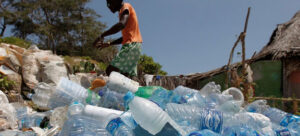
Local people from Watamu, Kenya, work with Local Ocean Conservation to pick up plastic on the beach. Credit: UNEP/Cyril Villemain

KERALA, India, Dec 9 2024 (IPS) – As the fifth round of negotiations of the Intergovernmental Negotiating Committee (INC) for a global plastics treaty concluded in Busan, South Korea (25 November-December 1 2024), the meeting underscored both the complexities and the promises of multilateralism. What we saw in Busan was indicative of other environmental treatymaking spaces, including ones on climate and biodiversity.


There is a stark contrast between countries who are willing to show ambition and those who will engage in obstruction at any cost. This exposes the systemic challenges that both plague and demonstrate the enduring potential of multilateral environmental diplomacy to confront global challenges.

The plastics crisis affects every living being on the planet, becoming an undeniable reality rather than just a collection of statistics or headlines. Every day brings new stories of its impact on our health, environment, and livelihoods. Recognizing the scale of this crisis, countries around the world came together almost three years ago to say enough is enough.

The plastics treaty negotiations are the result of this collective realization, marking a critical step toward addressing a problem that touches every corner of our shared existence.

A 30-foot-high monument entitled Turn off the Plastics Tap by Canadian activist and artist Benjamin von Wong was exhibited at the UN Environment Assembly in Nairobi, Kenya, in 2022. Credit: UNEP/Cyril Villemain

We were supposed to leave Busan with treaty text that would be ready for adoption. But instead, negotiators left without an agreement on the treaty, the barriers ahead are not only procedural or political; they are also philosophical. They reflect a deeper battle between the outdated paradigms of profit-driven growth and the urgent need for a collective reimagining of progress.

Petro-states are continuing to cling to fossil-fueled profits at the expense of collective well-being. It is not merely an economic strategy—it is a moral failure that will damage generations to come!

A Tale of Two Ambitions

Despite significant challenges, the negotiations also showed critical pathways forward. Panama and the Pacific Small Island Developing States (PSIDS) emerged as powerful voices advocating for a global cap on plastic production—a bold proposal that garnered substantial support from 100 countries.

In a decisive show of ambition during the closing plenary, Rwanda, speaking on behalf of 95 nations, championed ambitious controls on plastic production, while Mexico, representing 85 countries, pressed for stringent regulations on chemicals of concern. These elements represent the backbone of a treaty that is fit to overcome the scale of the plastics crisis and deliver meaningful and lasting solutions.

The Shadow of Petrochemical Interests

The petrochemical industry’s influence loomed large over INC-5, with industry representatives forming the largest single delegation at the talks — outnumbering delegations of Indigenous Peoples, scientists, and some countries including the European Union and all of its member states.

This outsized presence underscores the strategic interest of fossil fuel giants toward plastics as renewable energy and progressive climate policies shrink traditional markets.

Petrochemicals, used in everyday products like plastics and medical equipment, are now the largest drivers of global oil demand, surpassing cars and planes. They are projected to account for over a third of oil demand growth by 2030 and nearly half by 2050, adding 7 million barrels of oil and 83 billion cubic meters of natural gas consumption daily by mid-century.

This shift represents a calculated gamble to embed plastics deeper into the global economy, ensuring the fossil fuel industry’s continued dominance despite the environmental and health costs. Yet the environmental and health costs of this strategy are catastrophic. Without significant reductions in plastic production, the sector is poised to consume up to 31% of the remaining carbon budget needed to keep global warming below 1.5°C.

But climate impact is only part of the story. Plastics are fundamentally chemical products, often containing a cocktail of toxic additives that threaten human and planetary health. From endocrine disruptors leaching into water supplies to carcinogens linked to manufacturing processes, the chemical footprint of plastics amplifies the crisis far beyond its carbon implications.

Decarbonizing the plastics industry, as some companies now propose, is a false solution. True solutions must address not only the climate footprint of plastics but also their broader toxic legacy.

An Unfinished Fight

While the Busan meeting failed to produce a treaty, it succeeded in highlighting what must change for future negotiations to succeed. Moreover, it remained successful in retaining the obligations that mattered by countering derailing tactics by certain bad-faith actors. The next resumed session (INC-5.2) offers a critical opportunity to address key sticking points:

1. Production Limits: A global cap on plastic production is non-negotiable. Countries must resist attempts to dilute this measure and instead push for clear, enforceable targets.

2. Chemical Regulation: The treaty must include robust mechanisms to phase out harmful chemicals in plastics, coupled with transparency and traceability requirements to ensure that people have a right to know what chemicals go into their products.

3. Financing Mechanisms: Developing nations are disproportionately affected by plastic pollution and they need financial and technical support to implement treaty obligations. The treaty should be funded by developed countries and should also ensure that the private sector, especially polymer producers, pays its share.

4. Inclusivity and Transparency: The exclusion of observers, Indigenous peoples, and civil society from critical stages of the Busan session undermined the treaty’s legitimacy. Future sessions must prioritize meaningful inclusivity and transparency, ensuring that all voices, especially those from Indigenous Peoples and frontline communities, are heard.

Holding Spoilers Accountable

It is imperative to call out countries that continue to obstruct progress in the INC negotiations. Saudi Arabia, Russia, and Iran, among others, self-organized under the so-called “Like-Minded Countries” bloc and have consistently opposed meaningful advances in the treaty process. Their tactics go beyond mere scepticism of the process. They actively undermine the treaty’s ambition and hold back substantive decisions by weaponizing the requirement for consensus in all decisions.

Consensus, while valuable for inclusivity, is being misused as a way to stifle ambition. International precedent, from the Minamata Convention to the Montreal Protocol, demonstrates that incorporating voting as a last resort when countries can otherwise not agree, strengthens negotiation processes and ensures democratic decision-making. Without this safeguard, the plastics treaty risks being shaped by the interests of the few at the expense of the many.

To salvage the treaty’s ambition, the INC must embrace procedural reforms that prioritize efficiency and inclusivity. Voting provisions are essential to overcoming the current impasse and enabling the majority of nations to push forward robust, science-based measures.

A Path Forward

The road to a binding global plastics treaty will not be easy, but the urgency of the crisis leaves no room for complacency. Multilateralism, while imperfect, remains our best hope for tackling global challenges. The successes of past agreements, from the Montreal Protocol to the Minamata Convention, remind us that persistence and ambition can yield transformative results.

We may have left Busan without a treaty — but no treaty was better than a weak one. Civil society, scientists, and progressive nations must rally to maintain pressure, ensuring that the treaty addresses the full lifecycle of plastics—from extraction to disposal—and delivers justice for affected communities. High-ambition country negotiators will have to leave their diplomatic tightropes at home and bring their steel-toed boots to the next session.

In the words of Panama’s lead negotiator, Juan Carlos Monterrey Gomez, “When we reconvene, the stakes will be higher. This is not a drill, this is a fight for survival. We did not accept a weak treaty here, and we never will.”

Dharmesh Shah is Consulting Senior Campaigner with Center for International Environmental Law (CIEL), and coordinator of the Civil Society and Rights Holders Coalition.

IPS UN Bureau

  Source