Air Quality Sensors Boosting Nairobi’s Fight Against Air Pollution

Africa, Climate Action, Conferences, Development & Aid, Environment, Featured, Headlines, Health, Sustainable Development Goals, TerraViva United Nations
Environment

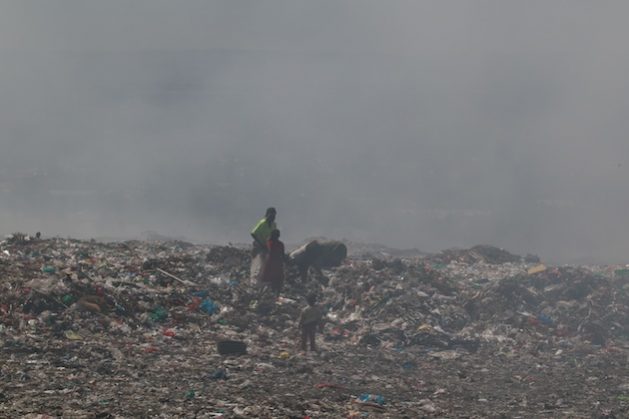
A mother and her children are seen wading through a cloud of smoke at the Dandora dumpsite, Kenya's largest open landfill. Smoke emanating from the dumpsite is cited as a contributor to air pollution in Nairobi. Credit: Jackson Okata/IPS

A mother and her children are seen wading through a cloud of smoke at the Dandora dumpsite, Kenya’s largest open landfill. Smoke emanating from the dumpsite is cited as a contributor to air pollution in Nairobi. Credit: Jackson Okata/IPS

NAIROBI, Feb 29 2024 (IPS) – Deborah Adhiambo (43) has been battling mild asthma since 2022, a condition she describes as “both a health and economic burden.’’ The mother of three lives within Dandora Estate, nine miles east of Kenya’s capital, Nairobi. Dandora is home to Kenya’s largest open landfill, which receives more than 2,000 metric tonnes of waste daily.

For five years, Adhiambo operated a makeshift restaurant near the dumpsite, where her main clients were waste pickers working within its environs.

“Working near the dumpsite exposed me to the heavy smoke that billows from the dumpsite. I started developing chest pains gradually and would take painkillers to subdue the pain. It was later that I was diagnosed with asthma,’’ Adhiambo told IPS.

Adhiambo’s doctors told her that prolonged and constant exposure to toxic fumes was the root cause of her asthma. She was forced to close her business since she could not venture out of her house early in the morning, late in the evenings or during cold seasons.

“The closure of my business due to sickness crippled me economically as it was my only source of income. Getting medication and feeding my family has been hard because now I have to rely on my husband, who also works at the dumpsite,” she says.

Nairobi’s Air Quality

More than 70 percent of Nairobi’s 5.3 million residents live in informal settlements like Dandora, which analysts say have the worst air quality, with vulnerable populations, particularly women and children, bearing the brunt of polluted air. Vehicles, open burning of waste, and industrial emissions are cited as the major sources of air pollutants in Nairobi. Motor vehicles contribute an estimated 40 percent of Nairobi’s particulate matter (PM2.5) air pollution concentrations, with illegal dumping and open waste burning contributing 25 percent.

And as both the population and economic output of Kenya’s capital keep expanding, the demand for energy from fossil fuels is also on the rise. The rapid expansion of Nairobi has taken an environmental toll on the city, which is evident in the worsening air pollution levels.  Air pollution in Kenya’s capital is 4.2 times higher than the World Health Organization’s (WHO) recommended average annual concentration levels.

According to the World Health Organization, Nairobi’s air pollution is 2.4 times higher than recommended levels, with 19,000 poor air quality deaths being reported in Kenya annually.
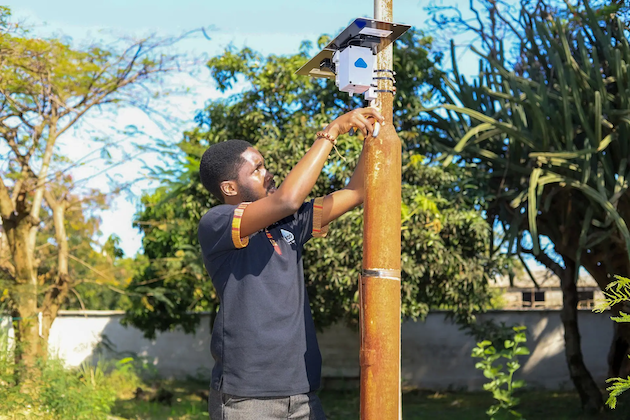
Air photo 1- A technician installs a low-cost air quality monitor sensor in Nairobi, Kenya. Air quality monitors are helping Nairobi collect data on air pollution. Credit: Jackson Okata/IPS

A technician installs a low-cost air quality monitor sensor in Nairobi, Kenya. Air quality monitors are helping Nairobi collect data on air pollution. Credit: Jackson Okata/IPS

Tech and Data

To enhance her efforts in combating air pollution, the City of Nairobi has been incorporating the use of technology. The city management has been installing low-cost air quality monitors and sensors to gather and share data on the levels of air pollution trends across the city. The data collected is then analyzed and guided in the formulation of policies and legal frameworks to combat air pollution, even as East Africa’s economic giant works towards realizing her ambitious target of becoming a net-zero green city by 2030.

Dubbed AirQo monitors, the low-cost air quality sensors developed by a team of young engineering and computer science students at Uganda’s Makerere University are in use in eight countries, including Kenya.

Engineer Bainomugisha, an Associate Professor of Computer Science at Makerere University and lead developer of the AirQo monitoring system, says Sub-Saharan Africa lacks usable air quality data that can help in the formulation of proper and effective policies to combat air pollution. AirQo monitors collect information about air pollution levels, types of air pollutants, and air quality

Bainomugisha explains that the air quality monitors main aim is to “close the existing gap in air quality monitoring.” AirQo air quality monitors collect air samples, which are then analyzed through a light scattering technology that quantifies the particulate matter concentration.

The information is then relayed to a cloud-based network that determines the pollution levels in a specific area. The devices measure the air particulate matter PM2.5 and PM10, which is a mixture of solid particles in the air. They also capture ambient meteorological conditions such as humidity and atmospheric pressure

“The air quality monitors run on a 2G GSM-enabled network configuration for loT sim cards and are optimized to work in areas with unstable internet and power connectivity,” says Gideon Lubisia, AirQo’s international operations embedded systems and network support engineer.

AirQo has also developed a mobile app that allows people to receive periodic and real-time updates on the air quality in their city.  The monitors are mounted at strategic points within the city’s Central Business District, industrial areas, markets, along major city highways and in select residential areas. while others are mounted on motorbikes that move from one location to another, collecting data.

Data and Policy Formulation

With the monitors in place, Nairobi City has been able to develop two air quality collocation installations and infrastructure reference grade monitors, according to Nairobi City County Deputy Director in Charge of Air Quality and Climate Maurice Kavai.

“The one-stop center collocation enables our research teams to compare air quality data collected from various points within the city, which is key in developing appropriate action,” Kivai explained.

“The availability of periodic data collected by the monitors enables the city to establish the extent of pollution in particular areas, identify the causes, and develop necessary actions,” he said.

Through air quality data collected through the monitors and establishing the extent of air pollution in the city, Nairobi has been able to develop a city Air Quality Action Plan as well as enact the Nairobi City County Air Quality Act which have become critical policy and legal assets in tackling the problem of air pollution.

AirQo monitors are now in use within select cities in eight African countries, including Uganda, Kenya, Nigeria, Cameroon, Burundi, Ghana, Mozambique, and Senegal.

Global Push for Clean Air

During the Climate and Clean Air Conference(CCAC) 2024 in Nairobi between February 21 and 23, 2024, ahead of the sixth session of the UN Environment Assembly (UNEA-6), member states and partners launched a Clean Air Flagship effort to provide, among other things, data-led policy action towards combating air pollution

Inger Andersen, UNEP’s Executive Director, said, “We need to push harder on superpollutants. Just as you need a superhero to defeat a supervillain, we need super solutions to face down super pollutants. And we need you to mastermind these solutions.”

Speaking on the sidelines of the CCAC, Kenyan environmentalist Elizabeth Wathuti observed that “the very essence of life starts with a breath, a gasp of air that signifies the beginning of our journey on this Earth. Yet, for too many across our globe, this fundamental act of breathing has become a hazard, a risk, and a gamble against the odds of pollution and climate-induced adversities.” According to Wathuti, the commitment to clean air and a stable climate is not just an environmental cause but a fight for the very right to life.

The World Health Organization estimates that 99 percent of the world’s population lives in places with poor air quality, leading to nearly seven million premature deaths per year, primarily in low- and middle-income countries.

According to UNEP, in Africa alone, ambient air pollution caused an estimated 400,000 premature deaths in 2019, while indoor air pollution caused more than one million premature deaths in the same year. Some of the leading air pollution-related ailments that contribute to these premature deaths include pneumonia, heart disease, stroke, diabetes, chronic lung disease, and lung cancer. Ambient air pollution and household air pollution are associated with 6.7 million premature deaths annually.

IPS UN Bureau Report
 

Bali’s Ancient Canine Guardians on the Brink of Extinction

Asia-Pacific, Biodiversity, Civil Society, Conservation, Editors’ Choice, Environment, Featured, Headlines, Sustainable Development Goals, TerraViva United Nations

Conservation

Indigenous Bali dogs hold the potential to unlock hidden secrets about ancestral dog diversity. Credit: Sonny Inbaraj/IPS

Indigenous Bali dogs hold the potential to unlock hidden secrets about ancestral dog diversity. Credit: Sonny Inbaraj/IPS

BALI, Indonesia, Feb 28 2024 (IPS) – Bali’s Island’s ancient canine guardians, the proud descendants of lineages tracing back tens of thousands of years, stand on the brink of extinction. Culling triggered by rabies outbreaks and interbreeding is pushing these living cultural treasures towards a tragic end.


For generations, traditional Bali Heritage Dogs have woven themselves into the fabric of the predominantly Hindu Balinese society. A tapestry woven with ancient folktales binds Bali dogs and the Balinese in a unique bond.

“Guided by the Tri Hita Karana’s principles of harmony and respect, Balinese Hindus forge a unique bond with dogs,” Ida Bawati Sari Budangga, a priest in Dusun Puchang in East Bali’s Desa Ban at the foot of the Gunung Agung volcano, told IPS.

Tri Hita Karana weaves harmony between humans and their environment, evident in offerings to deities and respect for nature’s bounty. Tri Hita Karana also serves as a powerful model for sustainable development, inspiring initiatives that balance human needs with environmental respect.

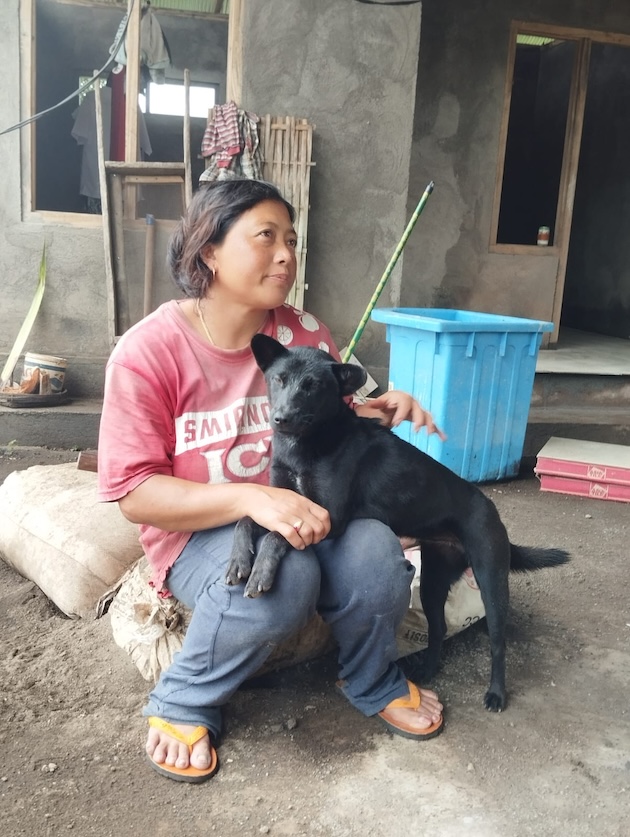
Balinese treat dogs with care, valuing their presence in their lives and communities. Credit: Dewa Made Suarjana/BAWA

Balinese treat dogs with care, valuing their presence in their lives and communities. Credit: Dewa Made Suarjana/BAWA

“This isn’t merely pet ownership, but an embodiment of their deep connection to all living beings. From sharing meals to participating in temple rituals together, dogs are woven into the fabric of Balinese life, reflecting their reverence for the natural world and its creator,” added the priest.

In Balinese culture, the Mahabharata story of King Yudhistira and his loyal dog plays a significant role in understanding their deep respect for dogs. When Dharma, disguised as the king’s ill-kept dog, is denied entry to heaven by Indra, Yudhistira refuses to enter without him. This act of unwavering loyalty reveals Dharma’s true form as the God of righteousness, highlighting the importance of compassion and connection with all beings. This story continues to inspire the Balinese to treat dogs with respect and care, valuing their presence in their lives and communities.

Driven by interest in the Bali dog’s distinct genetic ancestry, studies such as the University of California, Davis 2005 study “Genetic Variation Analysis of the Bali Street Dog Using Microsatellites” reveal the wide diversity contained in their DNA. Microsatellites is a lab technique that uses genetic markers for studying genealogy, population organization, genome diversity, the process of evolution, and fingerprinting from extracted DNA samples.

The study found that dog populations on Bali had been separated for an estimated 12,000 years and this protracted isolation has shaped Bali’s dog genetics, resulting in distinct genetic variants absent elsewhere in other dogs.

UC Davis’ groundbreaking study unveiled an intriguing genetic link between Bali dogs and ancient Asian breeds such as the Dingo and Chow Chow. This fascinating lineage can be traced back to the Austronesian migration and colonization of South Indochina, which occurred before the last glaciation period when Bali was connected to the mainland through a land bridge that eventually submerged.

“As a result of their genetic isolation, indigenous Bali dogs hold the potential to unlock hidden secrets about ancestral dog diversity, and even shed light on ancient human migration patterns and trade routes,” commented UC Davis’ Dr Benjamin Sacks, adjunct professor, at the university’s school of veterinary medicine.

However, Sacks warned in response to the 2005 study and a study done in 2011: “We don’t have all the questions yet to ask, but they’re emerging every day, and if we lose these populations, we lose the ability to answer those questions.”

In 2008,

 The indigenous Bali dog population has plunged from a staggering 800,000 to a mere 20,000. Credit: Sonny Inbaraj/IPS

The indigenous Bali dog population has plunged from a staggering 800,000 to a mere 20,000. Credit: Sonny Inbaraj/IPS

Bali’s unique indigenous dog breed suffered a brutal blow with the knee-jerk reaction of mass culling, which continues to this day following rabies outbreaks. In a widespread plan to eliminate free-roaming dogs, the indigenous Bali dogs were not spared. Just like in other countries in Asia and Africa, rabies in Indonesia is being sustained within the domestic dog population. It’s not surprising that the public commonly associates rabies with dogs and dog bites.

According to the World Health Organization rabies is endemic in 26 provinces in Indonesia, including Bali, with 74 cases of human rabies out of 66,170 bite cases from suspected rabid animals reported in the country from January to July 2023.

Bali Island had never experienced rabies before, until 2008. Lax surveillance allowed a rabid dog to slip through from Flores, an island ravaged by endemic canine rabies since 1997, setting the stage for Bali’s own struggle with the animal-borne disease.

“Before the outbreak of rabies in 2008, the island had one of the highest dog-to-human ratios in the world,” said Janice Girardi, founder of the Bali Animal Welfare Association (BAWA).

“Mass culling was the first action that the local government authorities took in response to the rabies epidemic. They utilized teams that were armed with blow darts and baits that contained strychnine,” she added.

Culling on its own has never had an effect on rabies in dogs or humans or dog population growth, said Dr Darryn Knobel, professor at Ross University School of Veterinary Medicine in St. Kitts.

“If you’re culling, you’re going to be diverting resources away from vaccination. The only thing that works is vaccination and you need to vaccinate at least 70 percent of all dogs to get what we term herd immunity,” he explained.

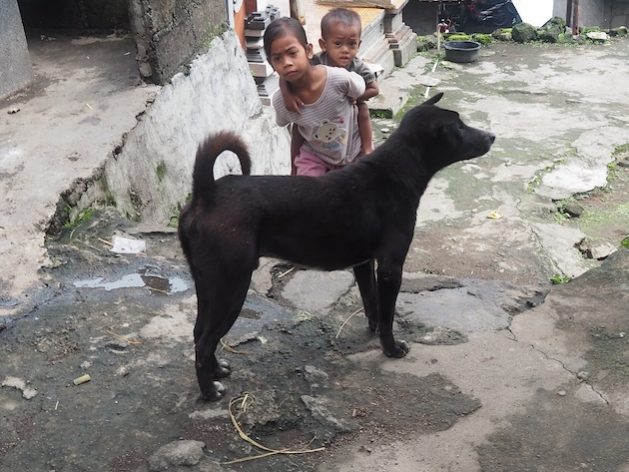
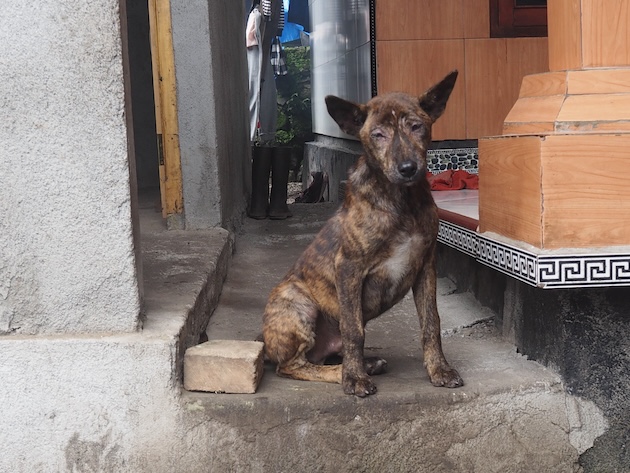
An indigenous Bali dog in East Bali. Credit: Sonny Inbaraj/IPS

An indigenous Bali dog in East Bali. Credit: Sonny Inbaraj/IPS

From 2005 to 2008, the Bali dog population was estimated to be between 600,000 and 800,000, according to a 2018 study. However, due to culling following the 2008 rabies epidemic in Bali, the population of free-ranging dogs has decreased by at least 25 percent, according to the study.

BAWA’s Girardi issued a stark warning about the indigenous Bali dog population, which has now plunged further from a staggering 800,000 to a mere 20,000, according to the NGO’s mapping.

“With such dwindling numbers,” she emphasized, “the chances of purebred dogs finding mates and perpetuating their lineage are vanishingly small, akin to winning the lottery.”

The interbreeding of native Bali dogs with dogs of other breeds that have been introduced to the island is another cause for concern. This occurred when the government of Bali, in 2004, abolished an ancient piece of legislation from 1926 that had been issued by Dutch colonialists to prevent the introduction of rabies into Bali from other islands within the archipelago.

For Balinese seeking outward signs of affluence, Western breeds and crossbreeds trump the indigenous Bali dog, deemed unworthy of attention and left wanting.

“I have one Bali dog now, but I’m planning to either get a Golden Retriever or a small long-haired crossbreed. They’re unique and good for our image,” 14-year-old I Kenang Sunia in Desa Jatituhun, Ban, in east Bali, told IPS.

Battling extinction, BAWA deploys its sterilization program to remote Balinese villages, targeting non-purebred dogs in a critical effort to conserve the dwindling population of the purebred Bali dog.

“We sterilise as many non-pure Bali dogs as possible in each area (to prevent interbreeding) in order to save the remaining indigenous dogs in Bali before they are lost forever,” said Girardi.

IPS UN Bureau Report

  Source

Snowless Winter and a Climate Crisis: Kashmir’s ‘Unprecedented’ Weather

Asia-Pacific, Civil Society, Climate Change, Climate Change Justice, Editors’ Choice, Environment, Featured, Food and Agriculture, Food Security and Nutrition, Headlines, Natural Resources, Sustainable Development Goals, TerraViva United Nations

Climate Change

Local Muslims held special prayer ceremonies in January for snowfall. Credit: Umar Manzoor Shah/IPS

Local Muslims held special prayer ceremonies in January for snowfall. Credit: Umar Manzoor Shah/IPS

SRINAGAR, India, Feb 20 2024 (IPS) – Abdul Gani Malik, a 75-year-old goldsmith living in Kashmir’s capital, Srinagar, has witnessed eras of tranquility and turbulence in the Himalayan region. What he has not seen, however, is a snowless Kashmir during the winter.


Malik still works at his shop, located in one of the jam-packed markets of the old city area of Kashmir’s capital, intricately lacing colorful emeralds on dazzling gold necklaces. While conversing with IPS, he mentions that the winter in Kashmir has never been so terrible and terrifying as it has been this year.

He recalls how, during the 40-day harshest winter period from December 21 to January 30, snow would accumulate to about six or seven feet, freezing and making pathways treacherous even for city dwellers. In the mountainous region, according to Malik, the snow would last for several months, regulating temperatures during the summer and providing water and food.

“Now is a different tale. The mountains appear dry and dead. The rivers are carrying no water, and our woods are bereft of life. This is an absolute apocalypse,” Malik said.

The region of Kashmir is located in the north-western complex of the Himalayan ranges, with marked relief variation, snow-capped summits, antecedent drainage, complex geological structure, and rich temperate vegetation and fauna.

Kashmir’s winter is traditionally divided into three parts: Chilay Kalan (old man winter), Chilay Khuarud (young winter), and Chilay Bacha (kiddy winter). The coldest part, called Chilay Kalan, starts on December 21 and ends at the end of January. It is during this period that snowfall is expected.

“The temperatures during this period plummet to even minus 8 to 10 degrees Celsius, and when it snows, it accumulates in glaciers. The snowfall in the later period is of no use,” says Abdul Ghani Malik.

He was part of the congregational prayers held across Kashmir for snowfall. Local Muslims, who constitute more than 90 percent of the local population, decided in January to hold special prayers for snowfall in all major mosques. “We prayed, and we hope God listens to our plight.”

According to Abid Ali, a student of environmental sciences from Kashmir, Kashmir’s livelihood depends on snowfall, and if it doesn’t snow, things are going to take a terrible shape.

“The region’s electricity system, agriculture, and tourism are all dependent on snowfall. The dry winter will prove catastrophic for the local populace,” Abid said.

Kashmir, as per estimates, reported a 79 percent precipitation deficit through December of last year. Indian meteorologists claim that unusual weather is linked to global warming and El Niño, the sporadic climate phenomenon that can create warm, dry conditions in the Indian subcontinent and other parts of Asia.

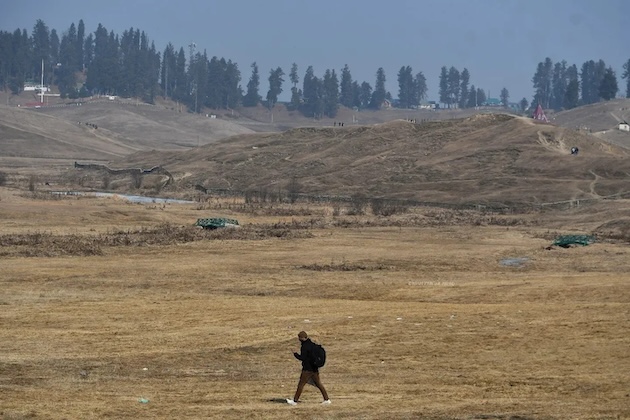
A man walks through an area in Kashmir where low snowfall is causing concern as the region’s economy is highly dependent on it. Credit: Umar Manzoor Shah/IPS

A man walks through an area in Kashmir where low snowfall is causing concern as the region’s economy is highly dependent on it. Credit: Umar Manzoor Shah/IPS

Threat to Agriculture

In Kashmir, 60 percent of the state’s revenue comes from agriculture and horticulture, and about 80 percent of the population lives in rural areas.

However, over the years, the valley has experienced irregular patterns of precipitation. In the first five months of 2022, Kashmir saw a 38 percent rain shortage, according to data provided by the Meteorological Department (MeT) in Srinagar.

The data reveals that the Kashmir Valley has experienced a significant lack of pre-monsoon precipitation over the years. From March 1 to May 31, 2022, the region got 99.5 mm of rain, 70 percent lower than average.

Comparatively, between March and May of each of the following years—2017, 2018, 2019, 2020, and 2021—there was a deficit of 16, 28, 35, and 26 percent, respectively. The dry winter this year is already throwing life out of gear for the farmers.

Abdul Karim Ganaie, a farmer hailing from south Kashmir’s Pulwama, says the threats are menacingly looming large, and people cannot do anything other than watch helplessly as the crisis unfolds.

When IPS contacted Choudhary Mohammad Iqbal, the director of agriculture in Kashmir, he stated that the department was closely monitoring the situation and would be issuing a warning to the farmers in the coming months.

“We accept that the situation is going to prove worrisome for Kashmir’s farming community, but we have to adopt a strategy to ensure minimal losses. We are working on that front,” Choudhary said.

Tourism under Cloud

The famous tourist destinations in Kashmir are also witnessing a dip in tourist arrivals, putting the people associated with this business in dire straits. In January, the famous tourist resorts recorded the lowest arrival of foreign and domestic tourists, with only 30 percent occupancy in hotels.

It snows at last but too little, too late!

Finally, in the first week of February, when the harshest 40-day-long spell was already over, it snowed in most of the areas of Kashmir. However, according to experts, the snow would yield the fewest results as it is not possible to accumulate for an extended period.

What is important, says Mehraj Ahmad, a research scholar working on climate change in Kashmir, is that the snow must accumulate in the higher reaches for as long as possible until the arrival of summers.

“The snowfall of February or March carries the least significance when compared with the snowfall of January. Therefore, we really are keeping our fingers crossed and praying for the safeguard of our lives against the dark, dreadful effects of climate change,” Ahmad said.

IPS UN Bureau Report

IPS UN Bureau, IPS UN Bureau Report, India, Kashmir

  Source

Grassroots Voices Unite to Call for Climate Justice

Asia-Pacific, Civil Society, Development & Aid, Environment, Global, Headlines, TerraViva United Nations

Civil Society

Shanti Decinis, one of 30,000+ participants expected at the 2024 World Social Forum, which advocates for a just world for all people. She described how in her village in Bihar, India, farmers are dealing with climate-induced unpredictability. Credit: Tanka Dhakal / IPS

KATHMANDU, Feb 16 2024 (IPS) – Kiprotich Peter from the East African country of Kenya is trying to convey his climate crisis message using the platform of the World Social Forum (WSF) taking place in the mountain nation of Nepal, which has also been battered by the impacts of climate change.


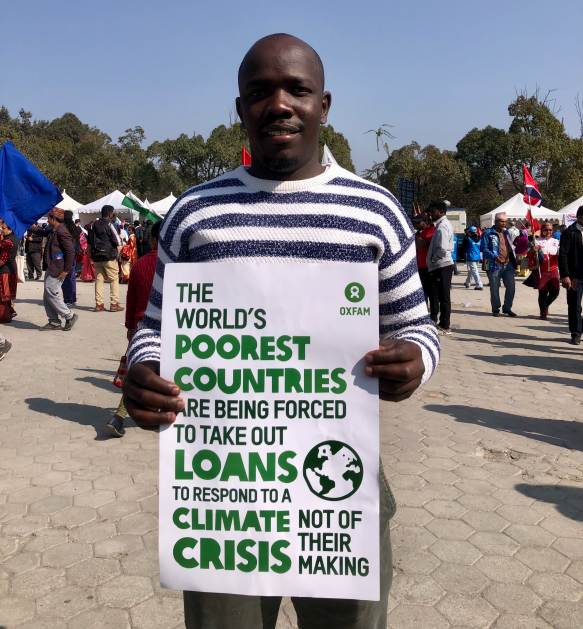
Youth activist Peter, who works for Green World in Kenya to promote environmental education and reforestation, is holding a placard that reads: “The World’s Poorest Countries are being forced to take out loans to respond to a climate crisis not of their making,” on Thursday, Day 1 of the WSF in Nepal’s capital Kathmandu.

“I am here to raise my voice against loans to deal with the climate crisis. Small countries like Kenya and Nepal need grants to fight and mitigate the climate crisis, not loans,” he added. “The climate change is a real-time crisis in Africa, and I think in Nepal and other parts of the global South too.”

Low and mid-income countries like Nepal and Kenya have contributed just tiny amounts of the greenhouse gas emissions that cause climate change, but they are on the frontlines of its impacts, in the forms of droughts, flash floods and other extreme weather events.

According to the 2023 Kenya Country Climate and Development report, to maintain gains in poverty reduction, the country must act on climate change. “Inaction against climate change could result in up to 1.1 million additional poor in 2050, in a dry and hot climate future scenario.”

“Humanity of people is taken away”

Far from Kenya but close to Nepal in South Asia, one third of Pakistan was submerged because of a massive flood in 2022, affecting 33 million people. Pakistani historian and youth leader Ammar Ali Jan described the aftermath of that flood and the international community’s treatment as an ugly image of humanity.

“Almost a province was wiped out; we haven’t seen a flood like that. The way people were attacking food trucks, it was almost as if the humanity of people was taken away,” said the founder and president of the Haqooq-e-Khalq Party addressing a session called, Towards a Global Movement for Climate Justice, on Friday.

“People were in hunger without having anything to eat; they were stuck. It’s as if these people are becoming disposable human beings, and their deaths will not be mourned because their lives are not valued enough,” added the leader of his country’s new ‘Green’-inspired party.

Ali blamed an International Monetary Fund loan for the economic deterioration that followed the disaster. “The IMF’s loan was given after six months, not by saying ‘we will give you this grant and forgive your debt because you are affected by a crisis not of your making.’ They said ‘you must pay every penny to the international creditor.’ We need support, not loans.”

The party leader argues that a large chunk of humanity is lacking empathy, while retaining resources and political power. “To achieve climate justice, we need to find ways to make our agenda, the people’s agenda, heard,” he added. “Progressives need to take power.”

Shanti Devi was listening to Ali and nodding her head. “It’s what’s happening in our village in Bihar, India. We don’t get rainfall when needed, and floods hit at the time of harvesting,” said Devi, adding that she was attending the WSF to make her voice heard.

Kenyan youth climate activist Kiprotich Peter calls for grants instead of loans, for countries grappling with climate-induced crises at the World Social Forum in Kathmandu on 16 February 2024. Credit: Tanka Dhakal / IPS

Kenyan youth climate activist Kiprotich Peter calls for grants instead of loans, for countries grappling with climate-induced crises at the World Social Forum in Kathmandu on 16 February 2024. Credit: Tanka Dhakal / IPS

“No Forum Left Uncontested”

Indian researcher and science activist Soumya Dutta called for continuous pressure to make the voices of the frontline communities that live with the consequences of climate-induced changes heard in every forum. “We have long crossed climate change; we are in a climate crisis,” he said during a discussion on climate justice. “We need to elevate the social movement to create a larger political discourse.”

Other speakers and participants called for collaboration and support to address the world’s crises, including climate change. United Nations Secretary-General Antonio Gutters also urged unity in his message to the WSF: “We need global solidarity to rescue the Sustainable Development Goals – and reform an outdated, dysfunctional and unfair global financial system. We must also rally together to address the climate crisis.”

While laying out the stark reality of climate change’s impacts on communities, water and climate change researcher Ajaya Dixit proposed a way forward. “We are still taking nature for granted, which needs to changed,” said the Nepal-based researcher, who collaborates with other researchers in South Asia. “To understand climate change, we have to understand the water and hydrological cycle, because the crisis we are facing is all connected with water one way or another.”

According to Dixit, to understand the ground reality of climate change, science and community must come together. “We still hesitate to recognize community knowledge, especially the historical knowledge of Indigenous people. Natural science, physical science and community knowledge need to be combined in our education systems; then we will be able to better understand climate change and act accordingly.”

  Source

Solar Energy Gives Important Boost to Small-scale Farmers in Chile

Active Citizens, Civil Society, Climate Action, Climate Change, Development & Aid, Economy & Trade, Editors’ Choice, Energy, Environment, Featured, Food and Agriculture, Headlines, Integration and Development Brazilian-style, Latin America & the Caribbean, Population, Projects, Regional Categories, Water & Sanitation

Energy

Myriam Miller and Freddy Vargas stand next to one of the three greenhouses on their farm, where tomatoes are growing, anticipating an optimal harvest this year. The couple uses no chemical fertilizers to ensure the healthy development of thousands of plants on their farm in Mostazal, a municipality in central Chile. CREDIT: Orlando Milesi / IPS

Myriam Miller and Freddy Vargas stand next to one of the three greenhouses on their farm, where tomatoes are growing, anticipating an optimal harvest this year. The couple uses no chemical fertilizers to ensure the healthy development of thousands of plants on their farm in Mostazal, a municipality in central Chile. CREDIT: Orlando Milesi / IPS

MOSTAZAL, Chile , Feb 2 2024 (IPS) – The installation of photovoltaic panels to use solar energy to irrigate small farms is expanding quickly in Chile because it lowers costs and optimizes the use of scarce water resources.


This long, narrow South American country that stretches from the northern Atacama Desert to the southern Patagonia region and from the Andes Mountains to the Pacific Ocean is extremely rich in renewable energies, especially solar and wind power.

“Solar panels have made an immensely important contribution to our energy expenditure. Without them we would consume a lot of electricity.” — Myriam Miller

Last year, 36.6 percent of Chile’s electricity mix was made up of Non-Conventional Renewable Energies (NCREs), whose generation in May 2023 totaled 2392 gigawatt hours (GWh), including 1190 GWh of solar power.

This boom in the development of alternative energies has been mainly led by large companies that have installed solar panels throughout the country, including the desert. The phenomenon has also reached small farmers throughout this South American country who use solar energy.

In family farming, solar energy converted into electricity is installed with the help of resources from the government’s Agricultural Development Institute (Indap), which promotes sustainable production of healthy food among small farmers, incorporating new irrigation techniques.

In 2020 alone, the last year for which the institute provides data, Indap promoted 206 new irrigation projects that incorporated NCREs with an investment of more than 2.1 million dollars.

That year, of the projects financed and implemented, 182 formed part of the Intra-predial Irrigation Program, 17 of the Minor Works Irrigation Program and seven of the Associative Irrigation Program. The investment includes solar panels for irrigation systems.

Within this framework, 2025 photovoltaic panels with an installed capacity of 668 kilowatts were installed, producing 1002 megawatt hours and preventing the emission of 234 tons of carbon dioxide.

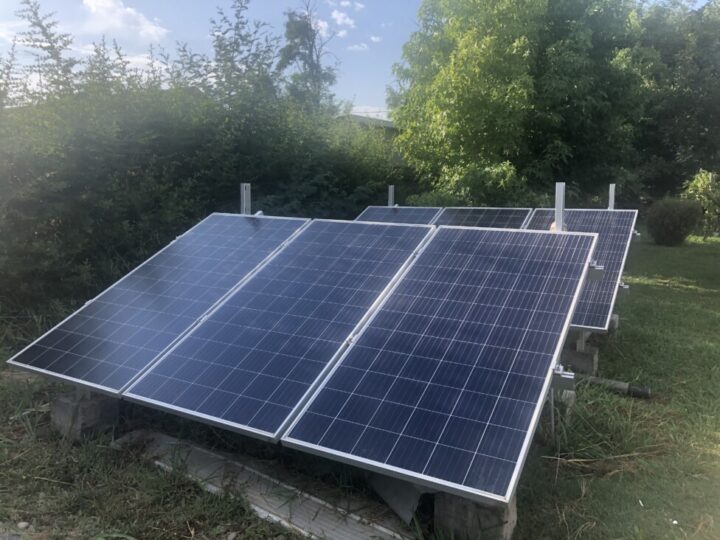
The six solar panels installed on the small farm of Myriam Miller and Freddy Vargas, in the municipality of Mostazal, south of Santiago, Chile, allow them to pump water to their three greenhouses with thousands of tomato plants and to their vegetable garden. They also drastically reduced their electric energy expenditure. CREDIT: Orlando Milesi / IPS

The six solar panels installed on the small farm of Myriam Miller and Freddy Vargas, in the municipality of Mostazal, south of Santiago, Chile, allow them to pump water to their three greenhouses with thousands of tomato plants and to their vegetable garden. They also drastically reduced their electric energy expenditure. CREDIT: Orlando Milesi / IPS

An experience in Mostazal

“Solar panels have made an immensely important contribution to our energy expenditure. Without them we would consume a lot of electricity,” 50-year-old farmer Myriam Miller told IPS at her farm in the municipality of Mostazal, 66 km south of Santiago, where some 54,000 people live in different communities.

Miller has half a hectare of land, with a small portion set aside for three greenhouses with nearly 1,500 tomato plants. Other tomato plants grow in rows outdoors, including heirloom varieties whose seeds she works to preserve, such as oxheart and pink tomatoes.

Indap provided 7780 dollars in financing to install the solar panels on her land. Meanwhile, she and her husband, Freddy Vargas, 51, who run their farm together, contributed 10 percent of the total cost.

In 2023, Miller and Vargas built a third greenhouse to increase their production, which they sell on their own land.

“We’re producing around 8,000 kilos of tomatoes per season. This year we will exceed that goal. We’re happy because we’re moving ahead little by little and improving our production year,” Miller said as she picked tomatoes.

On the land next to the tomato plants, the couple grows vegetables, mainly lettuce, some 7,000 heads a year. They also have fruit trees.

Vargas told IPS that they needed electricity to irrigate the greenhouses because “it’s not easy to do it by hand.”

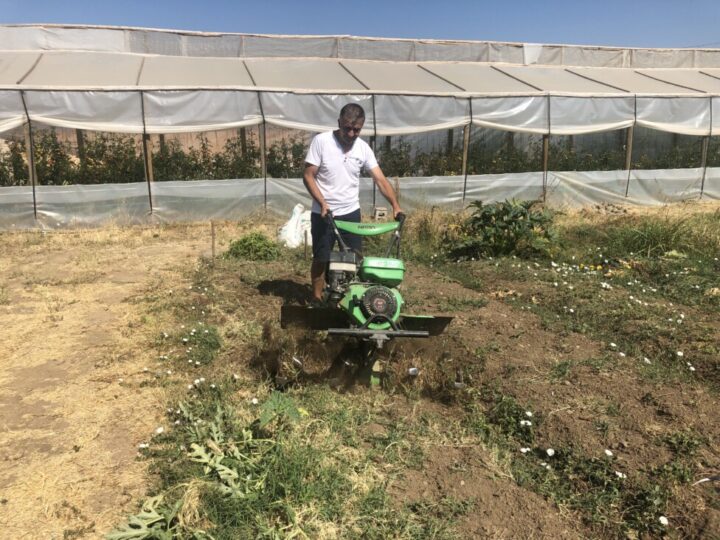
Freddy Vargas turns the soil on his farm in the municipality of Mostazal, south of Santiago, Chile. Lettuce is his star vegetable, with thousands of heads sold on the farm. The farmer plans to buy a mini-tractor to alleviate the work of plowing the land. CREDIT: Orlando Milesi / IPS

Freddy Vargas turns the soil on his farm in the municipality of Mostazal, south of Santiago, Chile. Lettuce is his star vegetable, with thousands of heads sold on the farm. The farmer plans to buy a mini-tractor to alleviate the work of plowing the land. CREDIT: Orlando Milesi / IPS

The farm has two wells that hold about 30,000 liters of water that arrives once a week from a dam located two kilometers away. This is the water they use to power the pumps to irrigate the greenhouses.

“We have water rights and Indap provided us with solar panels and tools to automate irrigation. They gave us four panels and we made an additional investment, with our own funds, and installed six,” Vargas explained.

The couple consumes between 250 and 300 kilowatts per month and the surplus energy they generate is injected into the household grid.

“We don’t have storage batteries, which are more expensive. Every month the electric company sends us a bill detailing the total we have injected into the grid and what we have consumed. They calculate it and we pay the difference,” Vargas said.

The average savings in the cost of consumption is 80 percent.

“I haven’t paid anything in the (southern hemisphere) summer for years. In the winter I spend 30,000 to 40,000 pesos (between 33 and 44 dollars) but I only pay between 5,000 and 10,000 pesos a month (5.5 to 11 dollars) thanks to the energy I generate,” the farmer said.

Above and beyond the savings, Miller stressed the “personal growth and social contribution we make with our products that go to households that need healthier food. We feel good about contributing to the environment.”

“We have a network, still small, of agroecological producers. There is a lack of information among the public about what people eat,” she added.

Their tomatoes are highly prized. “People come to buy them because of their flavor and because they are very juicy. Once people taste them, they come back and recommend them by word of mouth,” Miller said.

She is optimistic and believes that in the municipalities of Mostazal and nearby Codegua, young people are more and more interested in contributing to the planet, producing their own food and selling the surplus.

“We just need a little support and more interest in youth projects in agriculture to raise awareness that just as we take care of the land, it also gives to us,” she said.

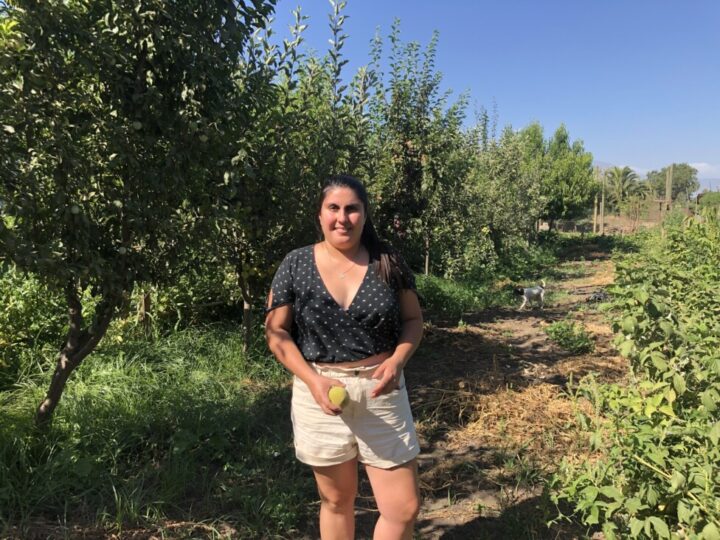
Valentina Martínez stands on her father's small plot of land in the municipality of María Pinto, north of Santiago, Chile. The fruit trees provide the shade needed to keep the planted vegetables from being scorched by the strong southern hemisphere summer sun in central Chile. CREDIT: Orlando Milesi / IPS

Valentina Martínez stands on her father’s small plot of land in the municipality of María Pinto, north of Santiago, Chile. The fruit trees provide the shade needed to keep the planted vegetables from being scorched by the strong southern hemisphere summer sun in central Chile. CREDIT: Orlando Milesi / IPS

A pesticide-free new generation

Valentina Martínez, 32, is an environmental engineer. Together with her father, Simón, 75, they work as small farmers in the municipality of María Pinto, 60 kilometers north of Santiago. She has a 0.45 hectare plot and her father has a 0.35 hectare plot.

Both have just obtained funding from the Transition to Sustainable Agriculture (TAS) project, which operates within Indap, and they are excited about production without chemical fertilizers and are trying to meet the goal of securing another larger loan that would enable them to build a greenhouse and expand fruit and vegetable production on the two farms.

“It’s a two-year program. In the first year you apply and they give you an incentive of 450,000 pesos (500 dollars) focused on buying technology. I’ve invested in plants, fruit trees, worms, and containers for making preserves,” Valentina told IPS.

In the second year, depending on the results of the first year, they will apply for a fund of 3900 dollars for each plot, to invest in their production.

“This year my father and I will apply for solar panels to improve irrigation,” said Valentina, who is currently dedicated to producing seedlings.

“My father liked the idea of producing without agrochemicals to combat pests,” she said about Simón, who has a fruit tree orchard and also grows vegetables.

In María Pinto there are 380 small farmers on the census, but the real number is estimated at about 500. Another 300 are medium-sized farmers.

Simón Martínez, 75, proudly shows some of the citrus fruits harvested on his farm where he practices agroecology and does not use agrochemicals. He and his daughter Valentina won a contest to continue improving the sustainability of their farming practices on their adjoining plots, located outside the Chilean town of María Pinto. CREDIT: Orlando Milesi / IPS

Simón Martínez, 75, proudly shows some of the citrus fruits harvested on his farm where he practices agroecology and does not use agrochemicals. He and his daughter Valentina won a contest to continue improving the sustainability of their farming practices on their adjoining plots, located outside the Chilean town of María Pinto. CREDIT: Orlando Milesi / IPS

The rest of the area is monopolized by large agricultural companies dedicated to monocultures for export. Most of them have citrus, avocado, cherry and peach trees, as well as some walnut trees, and they all make intensive use of chemical fertilizers.

Chile exports mainly copper, followed by iron. But it also stands out for its sales of fish, cellulose pulp and fruit. In 2023, it exported 2.3 million tons of fruit, produced by large farms and bringing in 5.04 billion dollars. Agriculture represents 4.3 percent of the country’s GDP.

Family farming consists of some 260,000 small farms, which account for 98 percent of the country’s farms, according to the government’s Office of Agrarian Studies and Policies (Odepa).

Family farms produce 40 percent of annual crops and 22 percent of total agricultural production, which is key to feeding the country’s 19.7 million people.

Valentina is excited about TAS and the meetings she has had with other young farmers.

“It’s fun. We’re all on the same page and interested in what each other is doing. We start in December and January and it lasts all year. The young people are learning about sustainable agriculture and that there are more projects to apply for,” she explained.

She said that 15 young people in María Pinto have projects with pistachio trees, fruit trees, greenhouse gardens, outdoor gardens, animal husbandry and orchards. They are all different and receive group and individual training.

The training is provided by Indap and the Local Development Program (Prodesal), its regional representatives and the Foundation for the Promotion and Development of Women (Prodemu).

“The idea is that more people can learn about and realize the benefits of sustainable agriculture for their own health and for their land, which in a few years will be impossible due to the spraying of monocultures,” Valentina said.

It targets large entrepreneurs who produce avocado and broccoli in up to four harvests a year, both water-intensive crops, even on high hillsides.

“We need to come together, do things properly and recruit more people to create a legal group to reach other places and be able to organize projects. When you exist as an organization, you can also reach other places and say I am no longer one person, we are 15, we are 20, 100 and we need this,” she said.

  Source

The Ghost of Oil Haunts Mexico’s Lacandona Jungle

Civil Society, Conservation, Development & Aid, Economy & Trade, Editors’ Choice, Energy, Environment, Featured, Headlines, Human Rights, Indigenous Rights, Integration and Development Brazilian-style, Latin America & the Caribbean, Natural Resources, Projects, Regional Categories

Energy

Lacandona, the great Mayan jungle that extends through the state of Chiapas in southern Mexico, is home to natural wealth and indigenous peoples' settlements that are once again threatened by the probable reactivation of abandoned oil wells. Image: Ceiba

Lacandona, the great Mayan jungle that extends through the state of Chiapas in southern Mexico, is home to natural wealth and indigenous peoples’ settlements that are once again threatened by the probable reactivation of abandoned oil wells. Image: Ceiba

MEXICO CITY, Jan 19 2024 (IPS) – The Lacandona jungle in the southern Mexican state of Chiapas is home to 769 species of butterflies, 573 species of trees, 464 species of birds, 114 species of mammals, 119 species of amphibians and reptiles, and several abandoned oil wells.


The oil wells have been a source of concern for the communities of the great Mayan jungle and environmental organizations since the 1970s, when oil prospecting began in the area and gradually left at least five wells inactive, whether plugged or not.

“The situation is always complex, due to legal loopholes that do not delimit the jungle, the natural protected areas are not delimited, it has been a historical mess. The search for oil has always been there.” — Fermín Domínguez

Now, Mexico’s policy of increasing oil production, promoted by the federal government, is reviving the threat of reactivating oil industry activity in the jungle ecosystem of some 500,000 hectares located in the east of the state, which has lost 70 percent of its forest in recent decades due to deforestation.

A resident of the Benemérito de las Américas municipality, some 1,100 kilometers south of Mexico City, who requested anonymity for security reasons, told IPS that a Mexican oil services company has contacted some members of the ejidos – communities on formerly public land granted to farm individually or cooperatively – trying to buy land around the inactive wells.

“They say they are offering work. We are concerned that they are trying to restart oil exploration, because it is a natural area that could be damaged and already has problems,” he said.

Adjacent to Benemérito de las Américas, which has 23,603 inhabitants according to the latest records, the area where the inactive wells are located is within the 18,348 square kilometers of the protected Lacandona Jungle Region.

It is one of the seven reserves of the ecosystem that the Mexican government decreed in 2016 and where oil activity in its subsoil is banned.

Between 1903 and 2014, the state-owned oil company Petróleos Mexicanos (Pemex) drilled five wells in the Lacandona jungle, inhabited by some 200,000 people, according to the autonomous governmental National Hydrocarbons Commission (CNH), in charge of allocating hydrocarbon lots and approving oil and gas exploration plans. At least two of these deposits are now closed, according to the CNH.

The Montes Azules Biosphere Reserve, in the Lacandona jungle in the southern Mexican state of Chiapas, faces the threat of oil exploration, which would add to phenomena such as deforestation, drought and forest fires that have occurred in recent years. Image: Semarnat

The Montes Azules Biosphere Reserve, in the Lacandona jungle in the southern Mexican state of Chiapas, faces the threat of oil exploration, which would add to phenomena such as deforestation, drought and forest fires that have occurred in recent years. Image: Semarnat

The Lacantun well is located between a small group of houses and the Montes Azules Biosphere Reserve (RBMA), the most megadiverse in the country, part of Lacandona and near the border with Guatemala. The CNH estimates the well’s proven oil reserves at 15.42 million barrels and gas reserves at 2.62 million cubic feet.

Chole, Tzeltal, Tzotzil and Lacandon Indians inhabit the jungle.

Other inactive deposits in the Benemérito de las Américas area are Cantil-101 and Bonampak-1, whose reserves are unknown.

In the rural areas of the municipality, the local population grows corn, beans and coffee and manages ecotourism sites. But violence has driven people out of Chiapas communities, as has been the case for weeks in the southern mountainous areas of the state due to border disputes and illegal business between criminal groups.

In addition, the Zapatista National Liberation Army (EZLN), an indigenous organization that staged an uprising on Jan. 1, 1994 against the marginalization and poverty suffered by the native communities, is still present in the region.

Chiapas, where oil was discovered at the beginning of the 20th century, is among the five main territories in terms of production of crude oil and gas in this Latin American country, with 10 hydrocarbon blocks in the northern strip of the state.

In November, Mexico extracted 1.64 million barrels of oil and 4.9 billion cubic feet of gas daily. The country currently ranks 20th in the world in terms of proven oil reserves and 41st in gas.

Historically, local communities have suffered water, soil and air pollution from Pemex operations.

As of November, there were 6,933 operational wells in the country, while Pemex has sealed 122 of the wells drilled since 2019, although none in Chiapas, according to a public information request filed by IPS.

Since taking office in December 2018, leftist President Andrés Manuel López Obrador has strengthened Pemex and the also state-owned Federal Electricity Commission by promoting the extraction and consumption of fossil fuels, to the detriment of renewable energy.

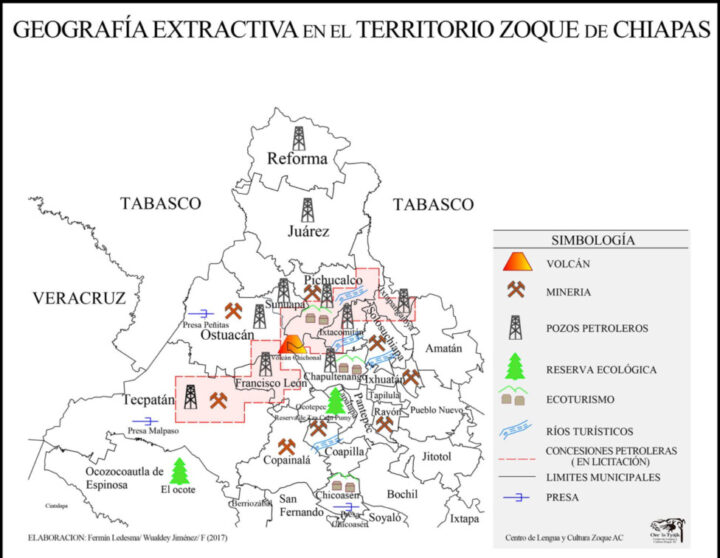
The state of Chiapas is home to hydroelectric power plants, mining projects, hydrocarbon exploitation blocks and a section of the Mayan Train, the most emblematic megaproject of the current Mexican government. Image: Center for Zoque Language and Culture AC

The state of Chiapas is home to hydroelectric power plants, mining projects, hydrocarbon exploitation blocks and a section of the Mayan Train, the most emblematic megaproject of the current Mexican government. Image: Center for Zoque Language and Culture AC

Territory under siege

The RBMA is one of Mexico’s 225 natural protected areas (NPAs) and its 331,000 hectares are home to 20 percent of the country’s plant species, 30 percent of its birds, 27 percent of its mammals and 17 percent of its freshwater fish.

Like all of the Lacandona rainforest, the RBMA faces deforestation, the expansion of cattle ranching, wildlife trafficking, drought, and forest fires.

Fermín Ledesma, an academic at the public Universidad Autónoma Chapingo, said possible oil exploration could aggravate existing social and environmental conflicts in the state, in addition to growing criminal violence and the historical absence of the State.

“The situation is always complex, due to legal loopholes that do not delimit the jungle, the natural protected areas are not delimited, it has been a historical mess. The search for oil has always been there,” he told IPS from Tuxtla Gutiérrez, the capital of Chiapas.

The researcher said “it is a very complex area, with a 50-year agrarian conflict between indigenous peoples, often generated by the government itself, which created an overlapping of plans and lands.”

Ledesma pointed to a contradiction between the idea of PNAs that are depopulated in order to protect them and the historical presence of native peoples.

From 2001 to 2022, Chiapas lost 748,000 hectares of tree cover, equivalent to a 15 percent decrease since 2000, one of the largest sites of deforestation in Mexico, according to the international monitoring platform Global Forest Watch. In 2022 alone, 26,800 hectares of natural forest disappeared.

In addition, this state, one of the most impoverished in the country, has suffered from the presence of mining, the construction of three hydroelectric plants and, now, the Mayan Train, the Mexican government’s most emblematic megaproject inaugurated on Dec. 15, one of the seven sections of which runs through the north of the state.

But there are also stories of local resistance against oil production. In 2017, Zoque indigenous people prevented the auction of two blocks on some 84,000 hectares in nine municipalities that sought to obtain 437.8 million barrels of crude oil equivalent.

The anonymous source expressed hope for a repeat of that victory and highlighted the argument of conducting an indigenous consultation prior to the projects, free of pressure and with the fullest possible information. “With that we can stop the wells, as occurred in 2017. We are not going to let them move forward,” he said.

Ledesma the researcher questioned the argument of local development driven by natural resource extraction and territorial degradation as a pretext.

“They say it’s the only way to do it, but that’s not true. It leaves a trail of environmental damage, damage to human health, present and future damage. It is much easier for the population to accept compensation or give up the land, because they see it is degraded. A narrative is created that they live in an impoverished area and therefore they have to relocate. This has happened in other areas,” he said.

  Source