New Report Investigates Violence Against Women and Girls Through Surrogacy, Sparks Global Dialogue

Active Citizens, Civil Society, Development & Aid, Editors’ Choice, Featured, Gender, Gender Violence, Global, Headlines, Health, IPS UN: Inside the Glasshouse, Sustainable Development Goals, TerraViva United Nations, Women’s Health

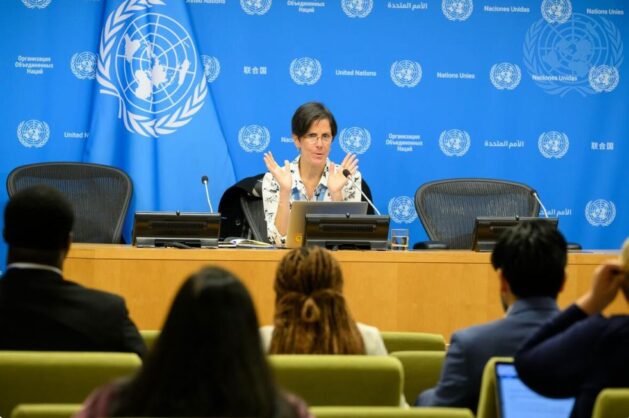
United Nations Special Rapporteur Reem Alsalem recently released her report on violence against women and girls with a focus on surrogacy, one of the most controversial topics in the medical field.

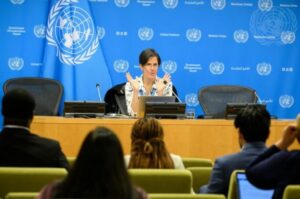
United Nations Special Rapporteur Reem Alsalem. Credit: UN Photo/Loey Felipe

United Nations Special Rapporteur Reem Alsalem. Credit: UN Photo/Loey Felipe

UNITED NATIONS, Sep 19 2025 (IPS) – A United Nations report calling for the global abolition of surrogacy has sparked intense debate among experts, with critics arguing that blanket bans could harm the very women the policy aims to protect.


Reem Alsalem, the United Nations Special Rapporteur on violence against women and girls, issued a report on violence against women and girls with a specific focus on surrogacy as a form of exploitation. The report, officially titled “The different manifestations of violence against women and girls in the context of surrogacy,” was published on July 14, 2025, and is slated for discussion at the upcoming UN General Assembly session in October.

The report calls surrogacy “direct and exploitative use of a woman’s bodily and reproductive functions for the benefit of others, often resulting in long-lasting harm and in exploitative circumstances.”

It further delves into the danger of surrogacy business models, in particular, which embrace the ambiguity of international law to churn a profit, often at the expense of both the surrogate and the prospective family. Alsalem recommends the abolition of surrogacy and asks member states to “work towards adopting an international legally binding instrument prohibiting all forms of surrogacy.”

One of the largest problems with surrogacy today, according to Senior Lecturer at Swinburne University Jutharat Attawet, is a lack of comprehensive education and legal standards around the practice. This results in social alienation and false conceptions, which worsen exploitation of people who participate in surrogacy—they are not provided adequate resources

Attawet, who specializes in surrogacy healthcare and domestic policy, considers surrogacy itself a beneficial tool for nontraditional family building. However, she acknowledges the steps it has to take to ensure autonomy and respect for surrogates.

Attawet’s research, cited in Alsalem’s report, shows that approximately 1 percent of babies born in Australia are from surrogates, so although the number has doubled over the past decade, doctors are not familiar with the process. Furthermore, legislation is primarily top-down rather than region- or area-specific. Since doctors in places like Australia are “intimidated by the language” surrounding surrogacy due to minimal education, they are less willing to openly engage with the procedures. This pushes families to seek surrogates elsewhere, where laws are less stringent and doctors more comfortable with the procedures.

Another incentive for overseas surrogacy, Attawet says, is lack of national support for surrogacy. Since it does not fulfill the criteria of most healthcare insurance plans, prospective parents often seek a more affordable surrogacy birth internationally. This further contributes to the exploitation both she and Alsalem note in their respective research—international surrogacy is much more difficult to regulate between different countries’ laws and often primarily harms the surrogate and the child, who is less likely to know their birth mother from an international surrogacy.

Alsalem criticized the practice of international surrogacy as an exploitative technique to perpetuate wealth inequality between different countries, but many experts argue that the job is one of the few accessible, well-paying jobs for child-bearing people who need to care for their family full-time. Polina Vlasenko, a researcher whose work was also cited in Alsalem’s report, explained to IPS that international surrogacy in Ukraine and the Republic of Georgia “is the type of job you can combine with having a kid and being a full-time caretaker of your kid… it still benefits women.”

Vlasenko elaborated, saying that most workers in the surrogacy industry, including intermediaries and clinicians, were women who had some sort of pre-existing connection to the process—often being former surrogates. To ban surrogacy entirely, Vlasenko argues, would merely harm women in all facets of the industry rather than resolving wealth gaps. She said, “this inequality is much deeper than services of surrogacy.”

Social worker and professor at Ohio State University Sharvari Karandikar similarly opposes the Special Rapporteur’s recommendation of abolition. In an interview with IPS, Karandikar explained that “in countries like India, it’s really hard to implement policies in a uniform way, and I think that one needs to have proper oversight of medical professionals and how they’re engaging in surrogate arrangements and medical tourism. Blanket bans do not work.”

She emphasized the dangers of surrogacy without regulation, saying it would only do more harm.

Instead, Karandikar advocates for “the safety, the better communication, more education, more informed choice and decision, more safeguards, better treatment options, and long-term health coverage for women who engage in surrogacy” as “a wonderful way to speak about women’s choices, decisions and their health instead of penalizing anyone.”

However, in order for the global conversation surrounding surrogacy to center around female agency, experts like Vlasenko say the perception of surrogates needs to change. She said, “sex work is not seen as violence or exploitation when it’s done for free… it’s the same with childbirth… surrogate mothers are taking the only work that, in their situation, allows them to fulfill certain responsibilities like childcare and income generation. They think that they’re agents in this process, but society sees them as victims.”

Ultimately, the surrogacy debate reflects broader questions about women’s autonomy, economic inequality and reproductive rights. As Vlasenko noted, addressing the “much deeper inequality” that pushes women to surrogacy may prove more effective than focusing solely on limiting the practice itself.

IPS UN Bureau Report
  Source

Inside Africa’s Big Bet on Youth to Feed the Continent and Who’s Actually Getting Funded

Africa, Conferences, Development & Aid, Economy & Trade, Editors’ Choice, Environment, Featured, Food and Agriculture, Food Systems, Gender, Headlines, Sustainable Development Goals, TerraViva United Nations, Trade & Investment, Women & Economy

Food Systems

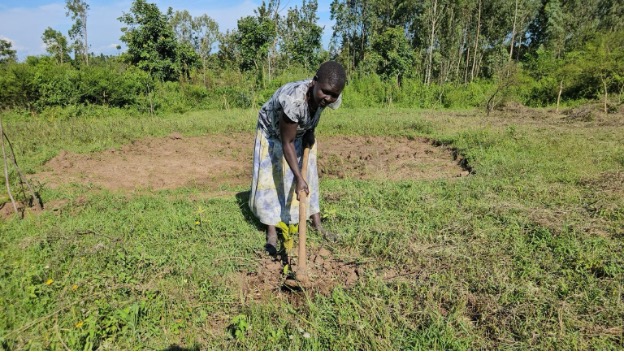
Winnie Wambui, co-founder of Harcourt Agri-Eco Farm in Kenya, speaks to IPS outside the Dealroom at the Africa Food Systems Forum 2025, held at the Centre International de Conférences Abdou Diouf (CICAD) in Dakar, Senegal, September 4, 2025. Credit: Chemtai Kirui/IPS

Winnie Wambui, co-founder of Harcourt Agri-Eco Farm in Kenya, speaks to IPS outside the Dealroom at the Africa Food Systems Forum 2025, held at the Centre International de Conférences Abdou Diouf (CICAD) in Dakar, Senegal, September 4, 2025. Credit: Chemtai Kirui/IPS

DAKAR, Sep 15 2025 (IPS) – Winnie Wambui leans forward on the panel stage, microphone in hand, scanning the room until she spots a raised hand.


Everyone in the room wears headphones, each voice isolated so that discussions don’t clash with sessions in adjacent halls. A question cuts through: how did a student science project become a commercial business?

At 24, Wambui, a Kenyan agripreneur, runs Harcourt Agri-Eco Farm, which recycles organic waste into animal feed using black soldier flies.

“Back then, I didn’t know it would become a farm or a business,” she said to a room of agripreneurs, researchers, and investors, describing her first experiments in 2022 as an energy engineering student at Jomo Kenyatta University of Agriculture and Technology (JKUAT).

Today, her eight-person team processes around 30 tonnes of waste each month and monitors the carbon emissions avoided.

The enterprise now generates at least USD 1,000 in monthly revenue, a modest but steady profit by Kenyan standards.

Inside the calm Knowledge Hub, on a panel organized by the International Centre of Insect Physiology and Ecology (icipe), Wambui tells her story to a dozen listeners in an intimate, almost subdued setting. But just outside, at the leafy Centre International de Conference’s Abdou Diouf (CICAD) in Dakar, Senegal, the atmosphere is charged.

Presidents, cabinet ministers, development banks, and agribusiness executives pace the halls at the annual Africa Food Systems Forum (AFSF) 2025, the continent’s flagship platform for agricultural policy and investment.

This year, the forum positioned youth at the center of Africa’s food security agenda.

Wambui is part of a new generation of innovative agripreneurs that governments and financiers promise to support.

For the first time, youth agripreneurs joined heads of state on the Forum’s opening stage, a symbolic gesture of recognition in a region where nearly 400 million people are under 35.

“Our median age is just 19. And by 2050, one in three young people in the world will be African,” said Claver Gatete, Executive Secretary of the UN Economic Commission for Africa (UNECA).

He said that if given land, finance, technology and markets, the youths can feed not only Africa but also the world.

However, turning such vision into reality is where the continent struggles.

The African Development Bank (AfDB) often says that Africa holds roughly 60 percent of the world’s uncultivated arable land, yet poor infrastructure, limited financing, and climate shocks keep much of it idle.

With the continent collectively importing approximately USD50 billion worth of food annually, according to the African Export–Import Bank (Afreximbank), the stakes are high.

At the national level, countries like Kenya continue to face hunger crises at emergency levels.

At the start of the year, the World Food Programme estimated that around two million people were experiencing acute hunger—a recurring crisis in a country with relatively better infrastructure and higher investment flows than many of its East African neighbors.

Experts say that despite localized crises, structural issues in African agriculture worsen food insecurity across the continent.

“We have relied on grants and aid to keep agriculture afloat, and this has made the agriculture sector stuck in a risk perception trap,” said Adesuwa Ifedi, Vice President of Africa Programs at Heifer International.

Ifedi said that commercial banks and investors avoid the sector, leaving grants to fill the gap. But grant dependence can undermine ventures in the eyes of private financiers.

“Grants should leverage commercial capital so the ecosystem can thrive,” Ifedi said.

This year’s Forum coincided with the recent African Union’s rollout of its Kampala Comprehensive Africa Agriculture Development Programme (CAADP) Strategy & Action Plan (2026–2035), or CAADP 3.0.

The new 10-year plan aims to mobilize USD 100 billion in investment, raise farm output by 45 percent, cut post-harvest losses in half, triple intra-African agrifood trade by 2035, and place youth inclusion at the core of Africa’s food future under the AU’s Agenda 2063.

In Dakar, over 30 agriculture ministers gathered under the chairmanship of former Ethiopian Prime Minister Hailemariam Desalegn Boshem, pledging to move beyond policy drafting toward delivering tangible results for agribusiness investment.

Their top priority, they said, was to shrink Africa’s food import bill by strengthening regional value chains.

Dr. Janet Edeme, head of the Rural Economy Division at the African Union Commission, told IPS that the Forum provides mechanisms to operationalize CAADP 3.0, aiming to empower at least 30 percent of youth in the agri-food sector while closing a USD 65–70 billion annual financing gap for agricultural small and medium-sized enterprises (agri-SMEs).

She said AFSF offers a rare opportunity for youthful agripreneurs to showcase bankable projects, access mentorship, and meet investors who would otherwise be out of reach.

“There are dedicated spaces—deal rooms, youth innovation competitions, investment roundtables—where these innovators can connect with governments, development finance institutions, and private investors,” said Edeme.

Organizers pointed to new spaces for youth to meet investors, but agripreneurs like Wambui said those opportunities felt distant.

She had never heard of the AU’s new flagship plan.

“I’m only hearing about that from you. If it’s meant to guide Africa’s food future, why aren’t there clear materials or programs I can see and use?” Wambui said. “Otherwise, we leave without knowing what strategies exist to support our work.”

By day two of the six-day forum, she had found her way into the deal room, the flagship space to connect entrepreneurs with investors, but instead of streamlined matchmaking, she found confusion.

“We are looking for the investors, and they’re looking for us—yet we don’t meet. Deals still depend on connections. That’s why I came to Dakar.”

Wambui, who co-founded Harcourt Agri-Eco Farm with two other partners, said the business has grown enough to cover wages, taxes, and debt repayments. Banks now extend her loans.

But that access to financing remains an exception in a system stacked against most, said Dr. Eklou Attiogbevi-Somado, the African Development Bank’s Regional Manager for Agriculture and Agro-Industry in West Africa.

He said that AfDB data shows commercial banks in Africa channel just 3–4 percent of their lending into agriculture.

Dr. David Amudavi, CEO of Biovision Africa Trust, said this capital drought is a huge concern in a sector that drives most livelihoods on the continent.

Amudavi, whose non-profit organization promotes ecological agriculture, said that the squeeze leaves farmers, and especially young agripreneurs, struggling to access credit for starting or scaling their agribusinesses, even though nearly 60 percent of Africa’s unemployed are under 25.

“Without finance, many youth-led ventures stay stuck at micro-scale or collapse,” Amudavi said.

Not far from the Youth Dome, at the deal room, Tanzanian agripreneur Nelson Joseph Kisanga, the co-founder of Get Aroma Spices, is also navigating the same maze.

Seven years ago, he left a banking career to try poultry farming, losing almost everything in his first three years.

Kisanga regrouped, merged his venture with that of his wife, Deborah, also a young agripreneur, and built Get Aroma Spices, now working with more than 50,000 farmers across southern Tanzania.

“Agriculture back home is seen as not for young people,” he said. “Even now, scaling means loans at high interest rates. There’s no other way.”

The family-run company exports turmeric, ginger, cardamom, and avocado oil while operating a youth- and women-led agro-processing hub through a public-private partnership.

His presence at the AFSF forum has already borne fruit.

“My intention coming here was to break into the West African market, and I’m happy to say I have clinched a supply deal in Ghana. All that’s left is for the lawyers to finalize the contract.” Kisanga said, before moving to the Youth Dome, a separate pavilion for young participants.

Inside, some groups chatted, others played basketball and table tennis, while others listened as young agri-food innovators pitched their ideas to a panel of investors.

Despite the fanfare, the forum ended without revealing how much capital reached youth-led ventures.

The most visible funding for youth at the summit came via the GoGettaz Agripreneur Prize, a pan-African initiative under the Generation Africa movement. The prize awarded USD 50,000 each to Egypt’s Naglaa Mohammad, who turns agricultural waste into natural products, and Uganda’s Samuel Muyita, who uses nanotechnology to reduce post-harvest fruit and vegetable losses.

An additional USD 60,000 impact award brought total prizes to roughly USD 160,000.

Other announcements included a USD 6.7 million trade programme from the United Kingdom (UK), the Alliance for a Green Revolution in Africa (AGRA), and the African Union (AU).

Senegal also launched a USD 22.5 million pilot for Community Agricultural Cooperatives, with financing linked to the African Food Systems Resilience Fund.

Yet there was no breakdown showing how much, if any, flowed to youth-led ventures.

The opacity mirrors past patterns.

Public summaries from the 2023 deal room reported only USD 3.5 million in closed investments, with no traceable flows to youth-led enterprises.

With AFSF positioned as Africa’s premier delivery platform, observers measured the announcements against CAADP 3.0’s USD 100 billion mobilization target, saying the gap is stark.

“We have seen this pattern before: big pledges at the summit, but little clarity or follow-up on how much actually reaches youth and smallholder farmers—the backbone of African food production,” said Famara Diédhiou, a Senegal-based food systems program manager with a regional civil society network.

“Without such accountability and inclusion of all stakeholders, these forums risk becoming mere showcases rather than platforms that deliver,” he said.

For now, even with the youth-first theme, AFSF still leaves young founders stuck in the same cycle of chasing visibility, hustling for contacts, and stitching together their own contracts.

As Wambui found, Kisanga, who has attended three previous Forums, said that in AFSF access is everything: you need to know in advance who to meet and be in the right room at the right moment.

“All visibility is currency,” said Kisanga. “That’s how you survive.”

IPS UN Bureau Report
IPS UN Bureau, IPS UN Bureau Report, Senegal,


Hypertension and Diabetes Grows Among India’s Poor Communities

Asia-Pacific, Civil Society, Climate Change, Featured, Gender, Headlines, Health, Population, Sustainable Development Goals, TerraViva United Nations, Women’s Health

Health

A patient being checked for BP at Mann PHC. Credit: Rina Mukherji/IPS

A patient being checked for BP at Mann PHC. Credit: Rina Mukherji/IPS

MANN, India, Aug 26 2025 (IPS) – Generally thought to be diseases of the wealthier classes, non-communicable diseases (NCDs) like hypertension and diabetes are on the rise among India’s underprivileged working classes in semi-urban and rural sprawls.


Take the case of Mohan Ahire. A middle-aged gardener in Pune, Mohan never realized that the heaviness in his head was a symptom of hypertension. Last summer, a mid-morning visit to the market saw him fall unconscious on return. Upon regaining consciousness, his wife and sons discovered the paralysis on the right side of his body, leading doctors to diagnose it as a stroke.

Bahinabai Gaekwad, a 56-year-old sweeper in Mann village, was at work when she suddenly collapsed and died. Doctors from the Primary Health Centre (PHC) next door found that she had been suffering from undiagnosed hypertension for a long time. The ailment ultimately led to a fatal cardiac arrest.

The worst problem is that most patients from underprivileged sections are not aware of their health condition.

Praful Mahato, a migrant laborer from Balasore in Odisha, who is currently employed in a dhaba (roadside eatery) in Mann, a fast-industrializing rural outpost of Pune city, had been suffering from heaviness and dizzy spells for some time. But he attributed his symptons to long hours at work and resulting fatigue. A chance visit to a medical camp confirmed high blood pressure and diabetes. Since the last four months, medication has controlled his blood pressure and brought down his sugar level.

Jagdish Mondol, in his 50s, did not realize he had hypertension and diabetes until he needed to undergo a hernia operation at a government hospital in Bhadrak, Odisha. This was despite blurred vision and difficulty in walking. Thankfully, the operation got him to wake up to his health condition. Regular medication has now improved his blood pressure and sugar level.

Fortunately, some patients may seek help on their own. Lalita Parshuram Jadhav, a 40-year-old migrant construction worker from Yavatmal, is one such. “Since the last two years, I have been experiencing pain in my legs; it became quite acute over the past year,” she tells IPS. A medical check-up confirmed hypertension and high sugar levels.

India’s Hypertension and Diabetes Epidemic

The cases cited above exemplify the rising burden of India’s non-communicable disease (NCD) of Hypertension and Diabetes. Ranked among the top ten NCDs responsible for untimely deaths worldwide, these two diseases are interlinked. This means those with hypertension are also vulnerable to developing prediabetes and diabetes.

According to the World Health Organization (WHO), an estimated 1.28 billion adults in the 30-79 age group suffer from hypertension, with two-thirds of them living in low- and middle-income countries. Yet, only 21 percent of those affected have their hypertension under control, while around 46 percent of these remain unaware of their condition and remain undiagnosed and untreated.

Diabetes, notably, can be of two varieties. Type 1 Diabetes is a congenital condition, while Type 2 diabetes is a lifestyle disease that develops later in life. South Asians, Pacific Islanders, and Native Americans have a significantly higher risk of developing the disorder.

The International Diabetes Federation (IDF) recorded a dramatic increase in the number of people affected by Type 2 Diabetes globally since the 1990s, and since 2000, the rise has been dramatic. In India, there are an estimated 77 million people above the age of 18 years suffering from diabetes (type 2), while nearly 25 million are prediabetic (at a higher risk of developing diabetes in the future). Yet, more than 50 percent of these are unaware of their diabetic status.

In India, the prevalence of Diabetes rose from 7.1 percent in 2009 to 8.9 percent in 2019. Meanwhile, 25.2 million adults are estimated to have Impaired Glucose Tolerance (IGT), a prediabetic condition that is estimated to increase to 35.7 million in the year 2045. It is also estimated that approximately 43.9 million people suffering from diabetes remain undiagnosed and untreated in India, posing a major public health risk.

It is a matter of concern that most deaths from these diseases occur in the 30- to 70-year-old age group, posing a major economic loss.

In Mann, doctors at primary health centers (PHCs) are battling this scourge, with hypertension affecting around 28 percent of the population and 12 percent being diabetic. The scenario is similar to that at Mullaheera, in rural Haryana, located just outside the national capital region of Delhi.

Dr. Sona Deshmukh, from the People-to-People Foundation, which is collaborating with the Government of India on its Viksit Bharat @2047 initiative and the in-charge for the Pranaa Project, tells me, “Diabetes is common among the older population, but hypertension is rising among the youth.”

Dangers Posed by Hypertension and Diabetes

The problem with both Hypertension and Diabetes is socio-cultural, with most people viewing these diseases as benign. Yet, ignoring them can lead to paralytic strokes and ultimately, death.

Characterized by headaches, blurred vision, nosebleeds, buzzing in the ears, and chest pain,  uncontrolled and untreated hypertension can lead to—

  • chest pain (also termed angina);
  • heart attack, which occurs when the blood supply to the heart is blocked and heart muscle cells die from lack of oxygen.
  • heart failure, which occurs when the heart cannot pump enough blood and oxygen to other vital body organs; and
  • sudden death due to irregular heartbeat.

This is because excessive blood pressure can harden arteries, decreasing the flow of blood and oxygen to the heart. This elevated pressure and reduced blood flow can result in the complications listed above, besides bursting or blocking arteries that supply blood and oxygen to the brain, causing a stroke. It can also cause kidney damage, resulting in kidney failure.

In the case of Diabetes, the body is unable to either produce or use insulin effectively. While individuals with Type I diabetes have a congenital condition wherein the insulin-producing cells in the pancreas are attacked and destroyed, patients with Type II diabetes—which is a preventable lifestyle-related disease—either do not produce enough insulin or are unable to use insulin effectively for the body’s needs. Uncontrolled diabetes can lead to blindness and organ failures that affect the kidneys, heart, and nerves, ultimately leading to diabetic strokes and death.

Reasons Behind the Spurt

So, what are the reasons behind the spurt? Government Medical Officers Dr. Mayadevi Gujar and Dr. Vaishali Patil say, “The transition of many rural outposts into semi-urban industrialized zones has brought in lifestyle changes. Locals, who once partook of healthy home-cooked millets or cereals, now eat cheap, oily snacks from wayside kiosks cooked in reused palm oil. With more disposable income, workers lean towards sugary soft drinks and fast food, making them prone to diabetes. Addictions like tobacco and alcohol are on the rise. Tobacco-chewing remains common to both men and women in rural India.”

Additionally, with climate change affecting agricultural incomes in rural India, the younger generation is stressed with employment issues. These make a potent recipe for hypertension and diabetes.

Dr. Sundeep Salvi, a noted specialist in cardiovascular diseases, who heads the Pulmocare Research and Education (PURE) Foundation and has chaired the respiratory group for the Global Burden of Disease Study, adds, “Unlike in the past, people eat and sleep late, watch late-night television, drink endless cups of tea and coffee, and work late hours. Skipping meals is common, with little time for exercise. Sleep deprivation is a fallout of this. Stress and inadequate sleep are a deadly combination, feeding hypertension and diabetes.”

Salvi calls for hydration and good nutrition to stave off hypertension and diabetes. “Excess tea and coffee are harmful. Caffeine-present in tea and coffee-is a diuretic; it prevents hydration. A dehydrated constitution results in hypertension and diabetes, which, in turn, cause heart disease, stroke, kidney diseases, and eventually, death.”

He also views air pollution as a major risk.

“By air pollution, I am referring to both indoor and outdoor pollution. In rural areas, the burning of crop waste causes outdoor pollution. But indoor pollution in rural homes and urban slums is 5–10 times greater than outdoor pollution. High levels of particulate matter contribute to 20 percent of the global burden of diabetes, as well as hypertension.

Diabetologist and Director of the Diabetes Unit at Pune’s KEM Hospital Prof. Chittaranjan Yajnik, who has been working on this issue for over two decades, has an interesting take on the matter based on his findings.

Yajnik sees a direct correlation between vulnerability to diabetes and poor intrauterine growth.

“Poor intrauterine growth reflects in poor organ growth, especially of the infra-diaphragmatic organs (liver, pancreas, kidneys, and legs), reducing their capacity to perform adequately in later years. Such individuals, when faced with overnutrition and calories later in life, end up with prediabetes and diabetes.”

Yajnik’s research found that two-thirds of prediabetic girls and a third of the prediabetic boys were underweight at birth.

“These findings are suggestive of a ‘dual teratogenesis’ concept, which envisages a combination of undernutrition and overnutrition over a life course due to rapid socio-economic and nutritional transition…” This means intrauterine programming of diabetes needs to be supported in growth-retarded babies since metabolic abnormalities develop very early in life.

Yajnik certainly has a point, since anemia in expectant mothers and low birthweight babies is a major problem all over India. The National Family Health Surveys conducted over the years by the Government have shown a persistently high prevalence of fetal growth restriction in Indian babies. This phenomenon is linked to low birth weight in newborns, which is as high as 18.24 percent, according to the latest data.

The Solution

Recently, the Ministry of Health and Family Welfare (MOHFW) of the Government of India has implemented several schemes nationwide at the primary health level, starting with nutrition, medical care, and immunization for pregnant mothers while ensuring institutional delivery. Offspring are also extended comprehensive help for the 4 D’s (defects at birth, diseases, deficiencies, and developmental delays), immunization, supplementary nutrition, and WASH interventions. These continue through adolescence to prepare a healthy population for reproductive age.

Meanwhile, weekly wellness sessions have been introduced all over India. Deshmukh adds, “Regular screenings for hypertension and diabetes are done every few months for early detection and follow-up. Counselling sessions encourage people to adopt healthier lifestyles, while Yoga is being popularized through events like the International Yoga Day.”

These initiatives, one hopes, will arrest the epidemic.

IPS UN Bureau Report

  Source

Aid Funding Crisis Means Parliamentarians’ Visionary Leadership Even More Crucial

Africa, Asia-Pacific, Civil Society, Climate Change, Conferences, Development & Aid, Economy & Trade, Editors’ Choice, Featured, Gender, Headlines, Health, Humanitarian Emergencies, Middle East & North Africa, Population, Sustainable Development Goals, TerraViva United Nations, Women’s Health, Youth

Population

Dr. Alvaro Bermejo, Director General of the International Planned Parenthood Federation (IPPF) addresses the Let's Discuss the Future of Africa Together seminar that took place last week (August 21) on the sidelines of TICAD9 in Yokohama City, Japan. Credit: APDA

Dr. Alvaro Bermejo, Director General of the International Planned Parenthood Federation (IPPF) addresses the Let’s Discuss the Future of Africa Together seminar that took place last week (August 21) on the sidelines of TICAD9 in Yokohama City, Japan. Credit: APDA

YOKOHAMA CITY, Japan & JOHANNESBURG, South Africa, Aug 25 2025 (IPS) – As funding for sexual and reproductive health rights was on a “cliff edge,” parliamentarians now needed to play a “visionary” leadership role because “financing strong, resilient health systems for all their people rests with governments,” said Dr. Alvaro Bermejo, Director General of the International Planned Parenthood Federation (IPPF).


He was speaking at the Let’s Discuss the Future of Africa Together seminar that took place last week (August 21) on the sidelines of TICAD9 in Yokohama City, Japan.

The session was organized by the Asian Population and Development Association (APDA), in collaboration with the Forum of Arab Parliamentarians for Population and Development (FAPPD) and the African Parliamentary Forum on Population and Development (FPA).

He told parliamentarians that their role is most critical.

“Africa’s health faces a serious challenge: According to WHO’s latest analysis, health aid is projected to decline by up to 40% this year compared to just two years ago. This is not a gradual shift—it is a cliff edge,” Bermejo said. “You know as well as I do that lifesaving medicines are sitting in warehouses, health workers are losing jobs, clinics are closing, and millions are missing care.”

While this reality was outrageous, it needed to be adapted to.

“And in this crisis lies an opportunity—an opportunity to shake off the yoke of aid dependency and embrace a new era of sovereignty, self-reliance, and solidarity,” with a clear mission to protect the health and lives of women and vulnerable populations through delivering high-quality sexual and reproductive health services.

Parliamentarians engaged in debates during a policy dialogue seminar organised by the Asian Population and Development Association (APDA), in collaboration with the Forum of Arab Parliamentarians for Population and Development (FAPPD) and the African Parliamentary Forum on Population and Development (FPA). Credit: APDA

Parliamentarians engaged in debates during a policy dialogue seminar organized by the Asian Population and Development Association (APDA), in collaboration with the Forum of Arab Parliamentarians for Population and Development (FAPPD) and the African Parliamentary Forum on Population and Development (FPA). Credit: APDA

This seminar and another in the series, Policy Dialogue on the Africa-Japan Partnership for Population and Development, were both supported by the UN Population Fund (UNFPA) Arab States Regional Office (ASRO), the Japan Trust Fund (JTF) and IPPF.

During the discussions, a wide range of topics about population dynamics in Africa and Africa-Japan cooperation were discussed.

In his opening remarks, Ichiro Aisawa, a member of the House of Representatives of Japan, told the seminar it was necessary to take joint action across borders and generations.

“Youth holds the key to unlocking Africa’s future. By 2050, it is predicted that approximately 70 percent of Africa’s population will be under the age of 30. As African countries enter a demographic dividend period, the role played by parliamentarians in each country will be extremely important.

Aisawa said it was necessary to listen to the voices of the community in addressing issues related to youth empowerment, gender equality, and sexual and reproductive health (SRH).

Parliamentarians should take “concrete action through legislation and policies; it is essential to harnessing the potential of young people, directly linking them to social and economic growth, and creating a society in which no one is left behind.”

Yoko Kamikawa, Chairperson of Japan Parliamentarians for Population (JPFP), addresses a seminar for African and Asian parliamentarians on the sidelines of the TICAD9 in Yokohama City, Japan. Credit: APDA

Yoko Kamikawa, Chairperson of Japan Parliamentarians for Population (JPFP), addresses a seminar for African and Asian parliamentarians on the sidelines of the TICAD9 in Yokohama City, Japan. Credit: APDA

During the discussions, representatives from Africa gave examples of how Japan had supported their health initiatives, especially important in a climate of decreasing aid.

Maneno Zumura, an MP from Uganda, said what compounded the issues in her country and in Africa was “the changes in climate. The unpredicted climate has affected agricultural activities by 40 percent, especially in drought-prone areas of the country.” This had resulted in nearly a quarter (24 percent) of children experiencing malnutrition.

However, she noted that Japan had made considerable contributions to education and health.

“As we assess Uganda’s development and Japan’s impact, it’s clear that sustainable progress thrives on global solidarity and local governance. Key achievements include a 62 percent rise in women’s incomes through cooperatives, a 50 percent drop in maternal mortality in refugee settlements, and supporting the road infrastructure and education, illustrating how policy-driven interventions can break cycles of poverty and inequality.”

There were several specific projects she alluded to, including education experts from Japan who contributed to an improvement of the quality of primary education in districts of Wakiso, Mbale, and Arua through the Quality Improvement in Primary Education Project (2021-2023). They also trained 1,500 teachers in participatory teaching methods.

“The Government of Japan supported the vulnerable communities like refugees and host communities by strengthening the social services like health in refugee camps like Rhino Camp,” Zumura continued, including construction of a health center with antenatal facilities serving over 300,000 people in camps of Bidibidi and Rhino Camp. They also trained 200 health workers in the management of childhood illnesses and maternal health care.

Mwene Luhamba, MP, Zambia, said his country was looking forward to partnering with Japan in expanding One-Stop Reproductive Health Services, enhancing parliamentary engagement, and investing in youth programs.

Bermejo said part of the solution to the development issues is to confront constraints.

“Some countries in Africa do need global solidarity, but what Africa needs from the world, more than anything else, is fair terms. We must also confront the structural constraints. Debt service burdens are crowding out social investments. Let us seize this moment, not just to repair but to transform,” he said. “Sexual and reproductive health services save lives. They empower individuals, promote dignity, and drive national development.”

In her closing remarks, Yoko Kamikawa, Chairperson of Japan Parliamentarians for Population (JPFP), said that it was through dialogue across borders and sectors that “we build consensus, strengthen legal frameworks, and ensure that national strategies reflect the voices of all people and empower them—especially women and youth.”

IPS UN Bureau Report

 

Women in Sudan are Starving Faster than Men; Female-Headed Households Suffer

Active Citizens, Africa, Armed Conflicts, Civil Society, Crime & Justice, Food and Agriculture, Food Security and Nutrition, Gender, Headlines, Health, Human Rights, Humanitarian Emergencies, Migration & Refugees, TerraViva United Nations

In Sudan, women-led households are three times more likely to deal with serious food insecurity compared to male-led households. Credit: UN Women Sudan

UNITED NATIONS, Aug 12 2025 (IPS) – The food crisis in Sudan is starving more day by day, yet it is affecting women and girls at double the rate compared to men in the same areas. New findings from UN-Women reveal that female-headed households (FHHs) are three times more likely to be food insecure than ones led by men.


Women and girls make up half of the starving in Sudan, at 15.3 million of the 30.4 million people currently in need. In the midst of the current humanitarian crisis brought on by the Sudanese civil war, women are increasingly seen to be leading households in the absence of men due to death, disappearances or displacement amidst the civil war, making simply living in a FHH a statistical predictor of hunger.

“With conditions now at near famine thresholds in several regions in the country, it is not just a food crisis, but a gender emergency caused by a failure of gender-responsive action,” said Salvator Nkuruniza, the UN-Women representative for Sudan.

Famine Risks for Sudan’s Women

This famine has left only 1.9 percent of FFHs food secure, compared to 5.9 percent of male-headed households (MHHs) reporting food security. 45 percent of the FHHs reported poor food consumption which was nearly double the rate as compared to MHHs at 25.7 percent. Considering this, only one third of FHHs have an acceptable diet in comparison to half of MHHs. In these worsening conditions 73.7 percent of women nationally are not meeting the minimum dietary diversity, which is limiting nutrient intake and thus endangering maternal and child health.

Rates of poor food consumption have doubled in one year across FHHs, meaning a longer drawn conflict will see even worse numbers leading to the ultimate starvation of many. Nearly 15 percent of FHHs are living in conditions that meet or are near famine thresholds compared to only 7 percent of MHHs meeting the same threshold.

With all available funding, the World Food Programme (WFP) has scaled assistance to support nearly 4 million people per month, leaving an additional 26 million people still in need of support. As one representative from the UN Office of the Coordination of Humanitarian Affairs (OCHA) told IPS, under these circumstances WFP has had to make tough calls, either shrinking assistance packages or reducing the amount of people who receive assistance. There have been cases where they have been forced to cut off all assistance in general.

Within Sudan’s civil society, women-led organizations (WLO) are playing a central role in delivering vital meals to affected groups across Sudan. Nkurunziza told IPS that “WLOS are the backbone of response in many areas,” who can access areas which the international system cannot reach. WLOs in West Kordofan are solarizing clinics, running nutrition outreach, managing mobile maternal health care, and operating informal shelters. In North Kordofan, WLOs. are running protection hotlines, distributing food, and helping displaced families find safety. Many times they are providing these services without institutional funding.

UN Women has been supporting 45 WLOs with institutional support, funding and technical assistance, which has allowed these organizations to operate across sixteen states. However, underfunding still remains a critical issue for WLOs. Nkurunziza explained how due to funding deficits, one WLO that operates across eight states was forced to shut down thirty-five of its sixty food kitchens. WLOs must also deal with serious logistical and digital constrains, making it nearly impossible to have any form of coordination meetings. Sudan is also facing the world’s largest displacement crisis, making a shrinking of operations among deteriorating consumption rates detrimental to attempts to elevate food security.

Aid Delivery Challenges

Amidst funding shortfalls, supply chains have struggled reaching critical locations due to Sudan’s size, lack of infrastructure, and weather difficulties. WFP shared that Sudan is “roughly the size of western Europe”, and as such they and other humanitarian actors are having to transport humanitarian items over 2500 kilometers across deserts and challenging terrain. They added that road infrastructure in remote areas such as Darfur and Kordofan has further increased the difficulty. The rainy season between April and October has also added further complications, which has made many roads completely flooded or impassable.

WFP said that the conflict has not only affected supply chains, but trade routes themselves. Among the besieged cities of El Fasher and Kadulgi, supplies remain limited and far and few. WFP is “extremely concerned about the catastrophic situation, especially in El Fasher and Kadulgi and urgently [needed] guarantees of safe passage to get supplies in – while we continue supporting with digital cash transfer”. This comes amidst not being able to deliver food and aid supplies by road.

Gender Disparities and Solutions

Nkurunziza told IPS that even before the conflict, women and girls “faced challenges in accessing their rights due to cultural norms and traditional practices”, adding that this conflict has only widened these gaps.

Food access is only one example of how gender inequality manifests during this crisis. Nkurunziza noted that food queues are often dominated by men compared to women from FHHs. He added that women have been “largely left out” of decision-making spaces, therefore their specific needs are “frequently overlooked”.

The search for food has caused an increase in harmful coping mechanisms like child marriage, sexual exploitation, female genital mutilation, and child labor. The nature of these harmful instances come from unchecked sexual exploitation and abuse due to the lack of law enforcement and government in many areas. Since April 2023, 1,138 cases of rape have been recorded, including 193 children. This number is expected to be even higher, as social and security fears may be preventing accurate reporting of gender-based violence crimes.

“The conflict has magnified every existing inequality,” Nkurunziza said, adding that this created the need for responsive action, moving beyond simple rhetoric.

In their report, UN Women outlined several measures that needed to be adopted in order to diminish famine conditions among women, including prioritizing food distribution and assistance planning to FHHs and establishing localized distribution sites, thus reducing movement-related risks for women. They also recommended increased representation in local aid committees and decision-making spaces by at least 40 percent. They called for increasing investment and funding to WLO’s, which are currently receiving less than 2 percent of humanitarian aid funds.

Despite these challenges, Nkurunziza said that WLOs are still working to feed families. “They are not waiting for permission — they are responding. The question is whether the system will finally recognize them as equal partners or continue to leave them behind.”

IPS UN Bureau Report



  Source

Protect Women’s Rights, Especially in a Time of Equality Backlash, Say Activists

Active Citizens, Civil Society, Conferences, Development & Aid, Featured, Gender, Gender Violence, Global, Headlines, Human Rights, Population, Sustainable Development Goals, TerraViva United Nations, Women & Economy, Women in Politics

Gender

UN Women's Executive Director Sima Bahous at a 2025 UN High-Level Political Forum on Sustainable Development side event. Credit: Naureen Hossain/IPS

UN Women’s Executive Director, Sima Bahous, at a 2025 UN High-Level Political Forum on Sustainable Development side event. Credit: Naureen Hossain/IPS

UNITED NATIONS, Jul 21 2025 (IPS) – Discriminatory laws and the absence of legal protections impact more than 2.5 billion women and girls worldwide in various ways. Legal reform is paramount to securing gender equality, and the world cannot afford to roll back on decades of progress in women’s rights.


On the sidelines of the 2025 High-Level Political Forum on Sustainable Development on July 17, Equality Now and UN Women, with their partners the International Development Law Organization (IDLO), the Global Campaign for Equality in Family Law, the Global Campaign for Equal Nationality Rights (GCENR), Inter-parliamentary Union (IPU), hosted an official side event, “Accelerating Law Reform to Keep the Promise of Beijing, the SDGs, and the Pact for the Future.”

The purpose of the event was to spotlight the success in ending discrimination through the passing of robust, inclusive legislation and acknowledging the work that remains in combatting legal discrimination against women and girls. Bringing together stakeholders across the public sector and nongovernmental organizations, the event highlighted the relevance of global agreements that center on sustainable development and uphold international law, Equality Now Executive Director Mona Sinha pointed out.

“It is ever more urgent in these times of backlash against gender equality that the right to equality on the basis of sex as a fundamental human right is protected and promoted by States and the international community,” said Sinha.

“At UN Women, we are proud to lead a global strategy to achieve equality in law for women and girls by 2030 with our partners… We are racing against time to repeal discriminatory laws and to replace them with protections rooted in dignity and equality,” said UN-Women Executive Director Sima Bahous.

The event coincided with the launch of a joint publication from Equality Now and GCENR  ‘Select Draft Articles on Nationality Rights to Ensure Gender Equality.’

The publication is intended to be used by policymakers as guidelines for drafting inclusive policies that enshrine protections for nationality rights for women and their children and partners. This was spotlighted as a persistent form of discrimination that restricts certain rights by virtue of their identity.

Panelists at the Equality Now side event at the 2025 UN High-Level Political Forum on Sustainable Development. Credit: Naureen Hossain/IPS

Panelists at the Equality Now side event at the 2025 UN High-Level Political Forum on Sustainable Development. Credit: Naureen Hossain/IPS

Catherine Harrington, Campaign Manager of the Global Campaign for Equal Nationality Rights, remarked on the “utter injustice” that men should have the “inherent right” to pass down nationality to their child or spouse, but women are not granted the same.

There are 24 countries where women legally cannot pass down their citizenship to their child, and at least 40 countries where women cannot confer the rights of citizenship to a non-citizen spouse. Such restrictions prevent impacted people from exercising other fundamental rights, including access to education, healthcare and even the right to enter the country they were born in or consider home.

The fight over equal nationality rights is emblematic of the broader issue of gender equality, as it demonstrates how a lack of legal protections can leave people vulnerable to having their rights denied or exploited.

“What does it say about women’s status as citizens and their equality in the family when the law that establishes the very foundation of political personhood, citizenship, holds that men naturally have the right to pass citizenship as full citizens and women do not and are not deserving of the same?” said Harrington. “What does it mean to be committed to combating gender-based violence when we know that gender discriminatory laws are linked with multiple forms of GBV and contribute to the root cause of gender-based violence, which is women’s unequal status in society?”

Women’s participation in public spaces, including politics, is also a measure of gender equality and a step toward sustainable development. A report from UN Women stated that while there was a boost in the proportion of women in parliament, as countries had taken steps to boost women’s participation in national and local legislatures, such as with gender quotas, three out of four parliamentarians were still men. These environments need to be created to be gender-inclusive and safe to ensure women’s participation. As long as the institutions that are meant to represent the people are shaped by laws that only benefit a select few, there is no room for equality.

“Democracy cannot be credible or effective if it does not reflect the diversity of people,” said Paddy Torsney, Inter-Parliamentary Union (IPU) Permanent Observer to the UN. Tornsey remarked that fostering inclusive political environments allows women the “power, protection and the platform to lead.” These environments can be created through inclusive policies and a zero tolerance for gender-based violence in all forms.

Effective, inclusive legislation can only be driven by “reliable data,” according to Hikaru Yamagishi from the World Bank. Yamagishi added that through the Women, Business and Law Project, the World Bank has provided “comprehensive, comparable data” on how laws affect women’s jobs to lawmakers across 190 economies.

Among their findings was that although women have 64 percent of the rights of men, economies have less than 40 percent of the systems in place needed to implement those rights in practice. This indicates a ‘significant’ implementation gap, Yamagishi said, between formal legislation and what women actually experience in real life.

“This implementation gap must be tracked alongside legal [gaps]. The Women Business and Law report evidences the importance of legal reforms like banning discrimination… but it also shows that those reforms only go so far without supportive policies,” she added.

The event brought together representatives from member states to share how their countries dealt with eliminating discrimination through legal reform. In the Kyrgyz Republic, steps were taken to reform the labor code, including 400 professions that were previously restricted from women.

Bakyt Sydykov, Minister of Economy and Commerce of the Kyrgyz Republic, remarked on federal programs that boosted employment opportunities for women living in rural areas. Along with civil society and trade unions, international partners like UN Women and the International Labour Organization (ILO) consulted the country’s legislative reform in ensuring equal employment opportunities.

“We believe that Kyrgyzstan’s experience can offer a useful reference point for other countries where similar challenges arise,” said Sydykov. “Our approach shows that when reforms stem from nationwide dialogue and international standards, implemented in partnership with all segments of society, they can succeed.”

“As a country that has elected two women to the highest position in the government, the Philippines can confidently say that gender equality is robust and highly needed in our society. However, there are still areas for improvement along the way,” said Noel Mangaoang Novicio, Minister, Permanent Mission of the Philippines to the UN. Novice cited his country’s Magna Carta of Women, adopted in 2009, a comprehensive human rights law for women that is based on the principles of international law.

These examples demonstrate that widespread gender equality is achievable. Nevertheless, no country has achieved true gender parity, so it remains an ongoing effort. This also shows the importance of partnerships across multiple sectors and stakeholders. Governments can enforce legal reforms on a wide scale, the private sector can advocate for reforms and lead by example, and multinational organizations such as the UN and the World Bank have the resources to provide evidence of where change is needed and bring stakeholders together.

“When we work together to make legal equality a reality, it unlocks economic potential and fuels inclusive progress,” said Yamagishi.

The event, which included youth advocates and representatives from around the world among its attendees, demonstrated one of the UN’s roles in a microcosm: a convening body that brings together governments, civil society and experts on a global stage to drive forward shared commitments.

Antonia Kirkland, Equality Now’s Global Lead, Legal Equality and Justice, remarked that this makes the UN “an indispensable force in pushing for transformative, rights-based legal reforms worldwide.”

“By amplifying the voices of women’s rights advocates, particularly those from the Global South, UN platforms provide an opportunity to elevate grassroots demands to the international level, to influence legal and policy change. The UN provides an essential space for peer accountability, shared learning, and collective pressure that no single organization or government could generate alone,” said Kirkland.

Kirkland explained to IPS the ‘uniquely powerful’ role the UN and its agencies play in promoting legal reforms for gender equality. The UN has helped to set international legal standards, and its treaties and special mechanisms provide the frameworks to hold members accountable and call them out on legal discrimination.

With that said, the UN must continue its support and wield its influence amidst increasing attacks from anti-rights movements that threaten to reverse the progress on women’s legal rights.

Kirkland told IPS that anti-gender equality and anti-rights movements have been working to “erase or dilute the concept of ‘gender’ from UN documents, negotiations, and frameworks.” Erasing gender-inclusive language risks undermining international human rights standards and further weakening accountability for gender-based violence and discrimination and marginalizing the diverse experiences of women and girls.

Therefore, the UN needs to strengthen its monitoring and enforcement mechanisms for international commitments such as CEDAW and the Sustainable Development Goals (SDGs) and use its platforms to publicly track progress in legal reform. This will also require the support of member states through reaffirming their international commitments and through sustained funding to the UN.

“At a time of rising authoritarianism and anti-rights backlash, a strong, well-resourced UN is essential. Governments also need to enhance and defend the UN’s legitimacy in multilateral forums and resist political efforts to weaken its role in protecting rights and holding states accountable,” Kirkland said.

“Let us invest in feminist leadership. Let us enshrine equality, not only in our speeches, but in our statutes and in our actions,” Bahous said in her closing remarks. “The law must not be a tool of oppression. It must be the first guarantee of justice. Only when we achieve equality for all women and girls under the law can we get back on track to the SDGs, and SDG 5 [Gender Equality] remains our docking station upon which all SDGs depend.”

IPS UN Bureau Report

  Source