Linking the Malawian Diaspora to the Development of Malawi”
Malawi
Malawi (/məˈlɔːwi,məˈlɑːwi/; Chichewa pronunciation:[maláβi]; Tumbuka: Malaŵi), officially the Republic of Malawi and formerly known as Nyasaland, is a landlocked country in Southeastern Africa. It is bordered by Zambia to the west, Tanzania to the north and northeast, and Mozambique to the east, south and southwest. Malawi spans over 118,484 km2 (45,747 sq mi) and has an estimated population of 19,431,566 (as of January 2021). Malawi’s capital and largest city is Lilongwe. Its second-largest is Blantyre, its third-largest is Mzuzu and its fourth-largest is its former capital, Zomba.
The recent uproar over Vice President Jane Ansah’s scheduled private visit to the United Kingdom, accompanied by a delegation of 15 officials, is not only misplaced but reflects a fundamental misunderstanding of the role of opposition politics in Malawi.
The criticism from the Malawi Congress Party (MCP) and other detractors appears to be less about genuine concern for austerity and more about political posturing and opposition for opposition’s sake.
First and foremost, the size of Vice President Ansah’s entourage—15 people—is modest and reasonable, especially given the nature of her position. It is crucial to understand that high-ranking officials, even during private trips, require a support team that includes protocol officers, security personnel, medical staff, and personal assistants to ensure their safety, dignity, and the seamless execution of their duties. This is not an extravagant display but a necessary operational reality.
To label this as an act of impunity or arrogance is to ignore the practicalities of state protocol and the importance of maintaining continuity and security.
Contrary to the accusations, the Democratic Progressive Party (DPP) government has demonstrated commendable commitment to austerity measures. Since taking office, austerity has been a guiding principle, with clear directives that all ministers, including the Vice President, should travel with as lean a team as possible without compromising their security or functional needs.
In this context, 15 members accompanying the Vice President is not only reasonable but reflects a disciplined approach compared to previous administrations.
It is instructive to remind the critics from MCP that during their tenure, private trips by officials often involved entourages exceeding 30 people, more than double the number currently accompanying Vice President Ansah. This historical fact exposes the hypocrisy of the current opposition’s criticism.
Instead of constructive engagement, MCP seems intent on undermining the government regardless of facts or context, failing to appreciate that austerity is not about eliminating all support but about prudent and efficient use of resources.
The Ministry of Foreign Affairs and International Cooperation’s involvement in facilitating appropriate diplomatic coordination and security arrangements is standard practice, underscoring the professionalism with which the government manages such visits.
This coordination ensures Malawi’s high-ranking officials are accorded appropriate respect abroad, which is vital for sustaining diplomatic relations and national prestige.
To clarify what austerity means in this case: it is a government strategy aimed at reducing unnecessary expenditure while ensuring that government functions are not hindered. It is about balancing fiscal responsibility with operational necessity.
The DPP government’s austerity measures have been carefully calibrated to avoid the excesses of the past while maintaining the dignity and security of public office holders.
The criticism of Vice President Jane Ansah’s entourage is largely a politically motivated attack that ignores the realities of statecraft and protocol.
The 15-person delegation is not an extravagance but a reasonable and justified requirement for a private trip by a high-ranking official.
The DPP government deserves credit for its ongoing austerity efforts, which are more disciplined than previous administrations.
The opposition should focus on constructive criticism rooted in facts rather than reflexive opposition that damages national unity and progress.
Share this:
Like this:
LikeLoading…
Discover more from The Maravi Post
Subscribe to get the latest posts sent to your email.
Given the medical advancements today – in an ideal world, all children should be born free of infections like HIV, syphilis or hepatitis-B; all pregnant women should be accessing full spectrum of maternal and newborn care (including services to prevent vertical transmission of HIV, syphilis or hepatitis-B); and all people living with HIV should lead normal and healthy lives.
We have proven science- and evidence-based tools and person-centred and rights-based approaches to help us achieve these public health outcomes. But sadly, this is not an ideal world yet – and intersectional social inequities, injustices and inequalities mar lives of so many of us.
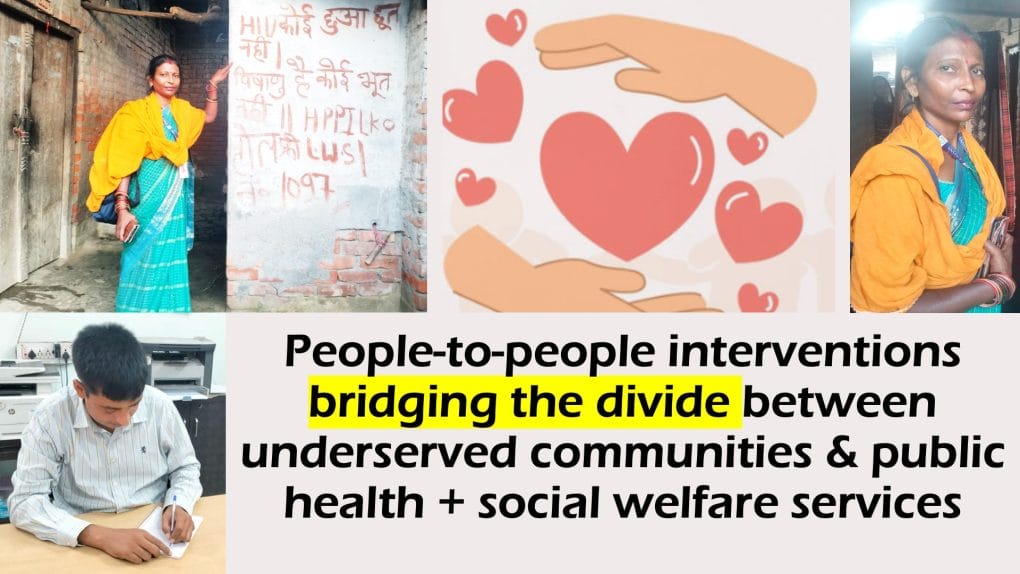
As the year 2025 draws to a close soon, we spoke to carers of a child living with HIV. Trained frontline community health workers, backed by support from their multi-tiered backbone team, is helping bridge the gap between key and other vulnerable populations and lifesaving essential public health and social welfare services.
Barriers which underserved communities face in accessing health services
We met Baba (name changed), a 4-year-old orphan boy from Uttar Pradesh. Baba was born with HIV, and his primary caregivers include his paternal aunt and his grandmother.
Before returning to their native hometown in UP, Baba’s parents were migrant workers in Mumbai who, for a brief period, also did labour work in Saudi Arabia. After returning to Mumbai, they both got diagnosed with HIV and received lifesaving antiretroviral therapy. But their treatment got disrupted (reasons not known). Unsurprisingly, their health started deteriorating.
For reasons best known to them, they did not disclose their HIV status to their family members.
By the time Baba’s mother became pregnant, the health of both parents had plummeted considerably. Baba’s mother developed TB too. People with HIV have up to 29 times more risk of developing active TB disease. When his father’s condition worsened, the couple moved from Mumbai to Delhi and eventually back to their native place in UP.
Baba was born at his grandparents’ home in UP. His mother did not undergo institutional delivery. Shortly after his birth, both parents passed away. Till this time, family members of Baba were not aware of the HIV status of Baba or his parents.
According to 5th National Family Health Survey (NFHS-5) conducted in 2019-2021, “the institutional delivery rate in UP is 83.4%, and that in public health facilities is 57.7%.”
Baba’s chronic ill-health during his first year – marked by extreme weakness and delayed physical development – were a cause of worry for his carers.
Journey from shadow to light
During routine door-to-door health awareness and screening visits, Sarojini, a frontline community health worker of Humana People to People India, learnt about the ill health of Baba.
She counselled them and accompanied them to the nearest government doctor, who recommended HIV and TB testing. This led to further referral to the nearest government-run tertiary care hospital in Lucknow (King George’s Medical University – KGMU which was around 30 kilometres away), where Baba tested negative for TB disease but tested positive for HIV.
Pre-test and post-test HIV counselling were crucial. Government counsellor and health workers like Sarojini counselled Baba’s carers to dispel fear, despair and doubts too. Soon after, Baba started receiving antiretroviral treatment.
Now Sarojini’s role became even more pronounced to help support Baba’s carers to ensure treatment adherence and attend to his other care needs on an ongoing basis.
Government of India’s National AIDS Control Organisation (NACO) has supported Humana People to People India to implement its Link Workers Scheme which is how Sarojini got trained by NACO and Humana as a Cluster Link Worker to help support people (like Baba and his family) in 9 villages. She is backed by an elaborate network of team at Humana People to People India which enables her to keep making a difference in the lives of people (and children).
Embracing HIV treatment, care and support
Administering medication posed significant challenges for Baba’s aunt. Initially his regimen of antiretroviral medicines consisted of four crushed capsules mixed with water – whose taste the child found intolerable. He frequently refused the medication or vomited after eating it, requiring his aunt to administer it forcibly at times. Sarojini’s regular follow up was important not only to ensure treatment adherence but also to help solve any other problems his carers might be encountering.
Thankfully, soon after Baba began receiving antiretroviral medicines in the form of fixed-dose combination (1 pill) to be taken once daily and at the same time. This eased the daily caregiving routine.
After 2-3 months of initiating antiretroviral therapy, Baba also received TB preventive therapy to protect him from TB disease. Sarojini’s regular follow up and support bore fruits as his health started showing substantial improvement.
Counselling remains centre-stage, and so does trust, which Sarojini and Baba’s carers share.
Sarojini guides the family on treatment adherence, precautions they need to take to stay healthy, and monitor their health and wellbeing, among addressing other issues.
Regular health screenings are vital
She also accompanies them to the antiretroviral therapy centre for periodic testing. Carers of Baba are screened for HIV once every 6 months. Baba’s CD4 test is done once every 6 months and his viral load test is done annually. As of now, his viral load has remained undetectable as shared by Pop Singh, a programme manager with Humana People to People India. This is an important indicator that Baba’s HIV treatment is working, HIV is undetectable and untransmittable, and he is healthy.
When we spoke with Baba’s aunt, she said that she clearly understands the importance of daily treatment adherence although unaware of the exact names of his medications.
Thanks to Sarojini for the facilitation, Baba currently attends an Anganwadi centre, part of India’s government-run early childhood care and development system. The Anganwadi workers provide supplementary nutrition, preschool education, health check-ups and immunisation. Staff members are aware that Baba is on medication, though his HIV status has not been disclosed.
Impacting positive change for those left behind
Baba is among over 130 people living with HIV (including children living with HIV) supported under NACO’s Link Workers Scheme implemented by Humana People to People India across 100 villages of Lucknow.
Each Cluster Link Worker, like Sarojini, is a trained local community member, who screens high-risk groups (such as, migrant workers, truckers, female sex workers, men who have sex with men, and persons who inject drugs) for HIV, syphilis and TB in approximately 5 villages. Cluster link workers are supported by their zonal supervisors (one person for every 10 cluster link workers) and overseen by a programme manager.
Those who are screened positive for presumptive TB by Cluster Link Workers, are linked to public TB services for further medical management. Those who test positive for TB disease are also helped to avail of government-run social welfare benefits.
Teams of Humana People to People India go door-to-door to raise health awareness and offer screening for HIV, sexually transmitted infections like Syphilis, and TB. Health education and dispelling myths and misconceptions also help fight stigma and discrimination. They are at times accompanied by Indian government’s National TB Elimination Programme team which performs street plays for public education and sensitisation. Humana team has also leveraged other opportunities for health awareness and screening, such as village council (Gram Panchayat) meetings.
Disease prevention is also a mainstay of key messaging
For example, promoting consistent and correct condom use to protect oneself from HIV, STIs and unplanned pregnancies, is a role donned by frontline workers like Sarojini.
Key and other vulnerable populations face a range of barriers when they try to access healthcare services. This is where frontline community health workers become so essential to link them with public health and social welfare services and support as and when needed.
Rethink, rebuild and rise
Ahead of world’s largest HIV/AIDS conference in 2026 (the 26th International AIDS Conference or AIDS 2026 in Rio de Janeiro, Brazil), we need to rethink where gaps in HIV responses are, rebuild so that we can put people first at every level of HIV response, and rise to bring the world on track to end AIDS by 2030.
While groups like Humana People to People India continue to serve the underserved, our health systems also need to ensure that all people with HIV (including key and other vulnerable populations) are able to access antiretroviral therapy and full range of HIV care services with equity and rights, all women receive institutional delivery and continuum care for maternal and newborn health, and all children are born free of preventable infections like HIV, syphilis or hepatitis-B.
Shobha Shukla – CNS (Citizen News Service)
(Shobha Shukla is a feminist, health and development justice advocate, and an award-winning founding Managing Editor and Executive Director of CNS (Citizen News Service). She was also the Lead Discussant for SDG-3 at United Nations inter-governmental High Level Political Forum (HLPF 2025). She is a former senior Physics faculty of prestigious Loreto Convent College; current President of Asia Pacific Regional Media Alliance for Health, Gender and Development Justice (APCAT Media); Chairperson of Global AMR Media Alliance (GAMA received AMR One Health Emerging Leaders and Outstanding Talents Award 2024); and Host of SHE & Rights (Sexual Health with Equity & Rights). Follow her on Twitter/X @shobha1shukla or read her writings here www.bit.ly/ShobhaShukla)
– Shared under Creative Commons (CC)
Share this:
Like this:
LikeLoading…
Discover more from The Maravi Post
Subscribe to get the latest posts sent to your email.
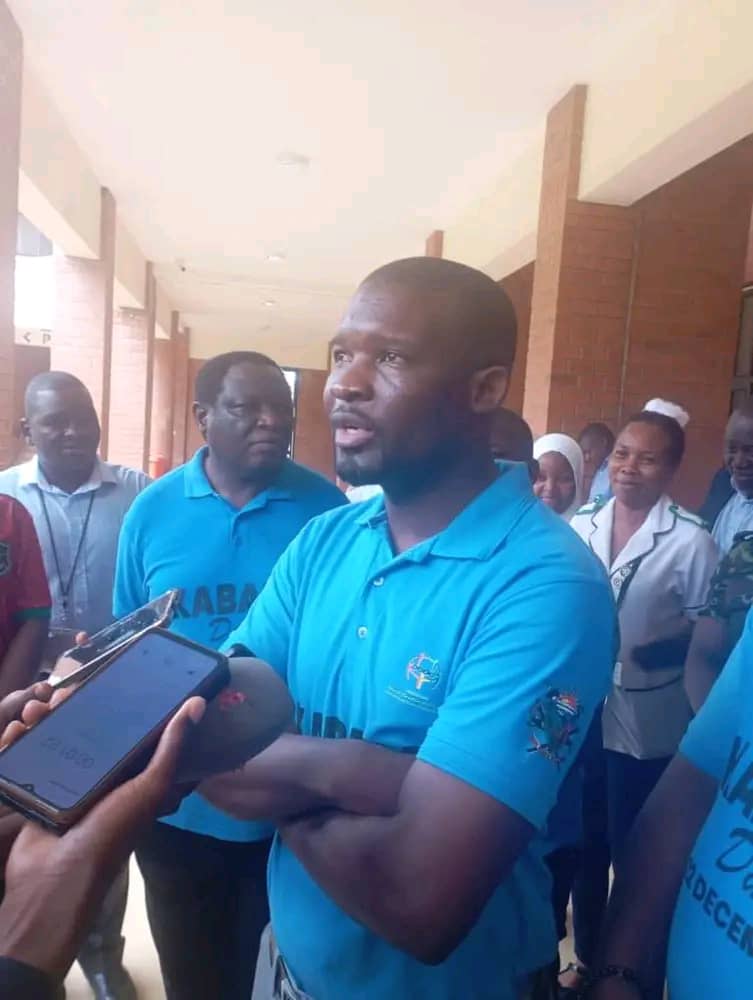
LILONGWE-(MaraviPost)-Minister of State Alfred Gangata has launched Kabaza Day, an initiative to remember people who have died or been injured in Kabaza-related accidents.
Speaking in Lilongwe, Gangata said the day highlights the important role kabaza operators play in transport and the need to follow road safety rules.
The launch of Kabaza Day underscores the government’s commitment to addressing road safety concerns and promoting responsible transportation practices.
Lilongwe Institute of Orthopaedics and Neurosurgery (LION) medical director Boston Munthali said kabaza accidents account for between 50 and 70 percent of patients treated at the facility.
The high incidence of kabaza-related injuries and fatalities highlights the need for increased awareness and adherence to road safety measures.
The Malawi Coalition of Kabaza Associations (Macokasa) also donated food items worth K5 million to 130 patients at Lion Hospital, demonstrating the organization’s commitment to supporting affected individuals.
The donation is a gesture of solidarity with kabaza accident victims and their families, and reflects the coalition’s efforts to promote road safety and support those in need.
Kabaza Day will be marked annually on December 22, serving as a reminder of the importance of road safety and the need to protect kabaza operators and users.
The initiative is expected to raise awareness about kabaza safety and promote a culture of responsible transportation in Malawi.
By launching Kabaza Day, the government and stakeholders aim to reduce the number of kabaza-related accidents and promote a safer transportation environment.
The annual commemoration will provide an opportunity for reflection, awareness-raising, and collective action to address kabaza safety concerns.
The involvement of Macokasa and other stakeholders is crucial in promoting road safety and supporting kabaza accident victims.
Kabaza Day is a significant step towards addressing road safety challenges in Malawi and promoting a culture of responsibility among kabaza operators and users.
The initiative is expected to have a positive impact on reducing kabaza-related accidents and improving transportation safety in the country.
The government and stakeholders will continue to work together to promote road safety and support kabaza accident victims.
Kabaza Day will serve as an annual reminder of the importance of prioritizing road safety and protecting human life.
The launch of Kabaza Day is a commendable effort by the government and stakeholders to address a critical issue affecting many Malawians.
The initiative demonstrates a commitment to promoting road safety and supporting those affected by kabaza accidents.
Kabaza Day is an important step towards creating a safer transportation environment in Malawi.
Share this:
Like this:
LikeLoading…
Discover more from The Maravi Post
Subscribe to get the latest posts sent to your email.
MZIMBA-(MaraviPost)-Inkosi ya Makhosi M’mbelwa 5 has expressed deep concern over the rising cases of suicide in Mzimba District, saying it’s shocking that about three people daily take their own lives due to various reasons.
A M’mbelwa has appealed to the government to intervene and address the issue, which is affecting the community profoundly.
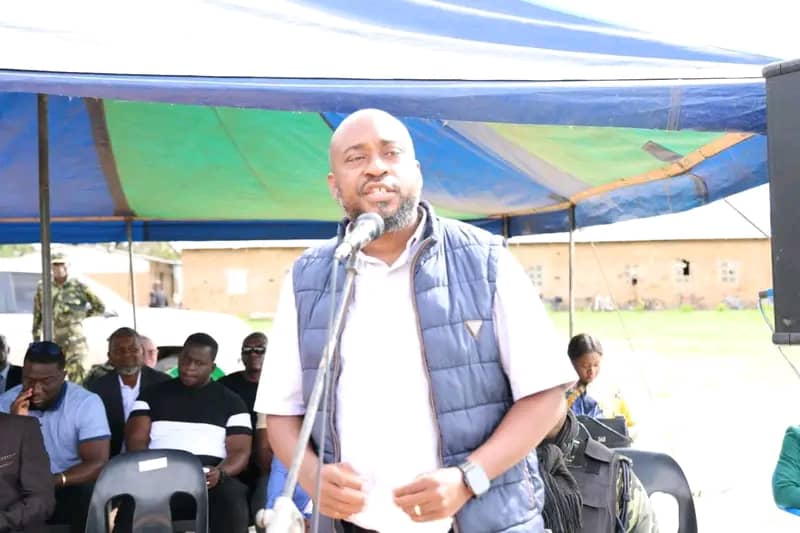
The Paramount Chief made these remarks during an event where Vice President Jane Ansah distributed maize to hunger-stricken households in Chindi’s area in Mzimba.
Speaking at the event, Ansah said it’s painful to see people losing loved ones who could contribute to the country’s development in such a manner.
Ansa has urged the people of Mzimba to avoid such acts, assuring that the government is working to provide job opportunities and business avenues for citizens.
The Vice President emphasized the importance of preserving life, highlighting the impact of losing community members to suicide.
At the event, the government handed over maize to 243 hunger-stricken households in Mseng’ezi, Mzimba.
The initiative aims to support vulnerable households facing food insecurity in the district.
Share this:
Like this:
LikeLoading…
Discover more from The Maravi Post
Subscribe to get the latest posts sent to your email.
p class=”readrate”>The U.S. Coast Guard is pursuing an oil tanker in the Caribbean that it says has links to Venezuela. The Department of Justice has released a limited number of files related to convicted sex offender Jeffrey Epstein. And, an analysis by NPR finds thousands of immigrants without legal status aren’t showing up to immigration court, leading to a rise in deportation removals.
<
p class=”readrate”>(00:00) Cold Open (01:37) Introduction (02:34) Coast Guard Pursues Tanker (06:53) Epstein Files Release (10:42) Immigration Court No-Shows
<
p class=”readrate”>Want more analysis of the most important news of the day, plus a little fun? Subscribe to the Up First newsletter.
<
p class=”readrate”>Today’s episode of Up First was edited by Tara Neill, Anna Yukhanonov, Lisa Thomson and Adriana Gallardo.
<
p class=”readrate”>
<
p class=”readrate”>It was produced by Ziad Buchh, Nia Dumas and Christopher Thomas.
<
p class=”readrate”>
<
p class=”readrate”>We get engineering support from Neisha Heinis. And our technical director is Carleigh Strange.
Cape Town welcomes 2026 on a high note – January is peak summer, and the city comes alive with an unbeatable mix of concerts, festivals, sport, culture and outdoor experiences. From iconic events like the Cape Town Minstrels Street Parade and the King’s Plate to international music tours, open-air theatre and cricket at Newlands.
Cats, the Musical
2-11 January 2026 Artscape Theatre, Cape Town
Pieter Toerien and GWB Entertainment in association with Cape Town Opera by arrangement with The Really Useful Group presents CATS. Andrew Lloyd Webber’s world-famous musical Cats brings iconic songs, choreography and theatrical magic to the Artscape stage. Tickets from R180 on Webtickets.
WAV Festival by AfroNation
2 January 2026 Green Point Track, Cape Town
A festival R&B lovers cannot miss! Amapiano’s Kelvin Momo brings his deep, emotional sound to the festival, while Shekinah’s golden voice is set to light up the stage. The lineup also includes Mariah the Scientist, Wale, Langa Mavuso, and Kujenga. Cape Town, get ready for a high-energy stadium showcase featuring the best in R&B. Find ticket information here.
Milk & Cookies Festival
3 January 2026 Kenilworth Racecourse, Cape Town
This multi-genre festival celebrates music, food, and community. From amapiano to R&B, house to hip-hop, Milk and Cookies blends global sounds with local culture for one unforgettable celebration. Vibrant stages, curated food vendors, immersive art installations, and the kind of energy that turns a crowd into a community – it’s a gathering where culture, connection, and creativity meet. For tickets go to Howler’s website and for more information visit the official page here.
Step into the New Year with Blanche; an All-white outdoor celebration, curated by AfroFuture and PVO. This signature experience blends live music, an unmatched atmosphere, and the most vibrant crowd. Presented by Martell, set against Cape Town’s stunning backdrop. Click here for ticket information.
Freshlyground Reunion Concert
4, 11, 18 January 2026 Kirstenbosch National Botanical Garden
Freshlyground reunites for a special open-air concert at Kirstenbosch, delivering feel-good hits in one of Cape Town’s most popular outdoor venues. Find more information and ticket information.
Cape Town Minstrels Street Parade
5 January 2026 Somerset Road & Fan Walk, Green Point
The iconic Cape Town Minstrel Carnival returns to the Mother City on 5 January 2026. The annual event fills the streets with colour, music and tradition, continuing into DHL Stadium for the Kaapse Klopse Choral Competition. Tap here for the latest event information.
St Tropez presents: Uncle Waffles – The ultimate day time escape
5 January 2026 Cabo Beach Club, Cape Town
Turn on the glitz and glamour at this epic Cabo Beach experience. Headlined by global sensation Uncle Waffles, expect nothing less than an unforgettable day of pulsating beats, high-energy performances, and pure sophistication. The event promises world-class local DJs spinning infectious sounds that keep the energy flowing from noon until sunset. Get your tickets now.
MI Cape Town vs Joburg Super Kings
6 January 2026 Newlands Cricket Grounds
Catch SA20 cricket action as MI Cape Town face the Joburg Super Kings at the historic Newlands Cricket Ground. For ticket info, email info@ticketpro.co.za or visit the website here.
Cape Town Jazzathon
9-11 January 2026 Amphitheatre, V&A Waterfront, Cape Town
Celebrating its 29th anniversary this year, the Cape Town Jazzathon is South Africa’s longest-running music festival. Often referred to as “The People’s Festival,” the event will feature performances daily, from 12.30pm to 8pm. Enjoy a rich variety of styles including Afro Jazz, Cape Jazz, Hip Hop, R&B, Reggae, Neo Soul, and Straight Ahead packed into three days of non-stop entertainment… and its free!!! Learn more.
L’Ormarins King’s Plate
10 January 2026 Hollywoodbets Kenilworth Racecourse
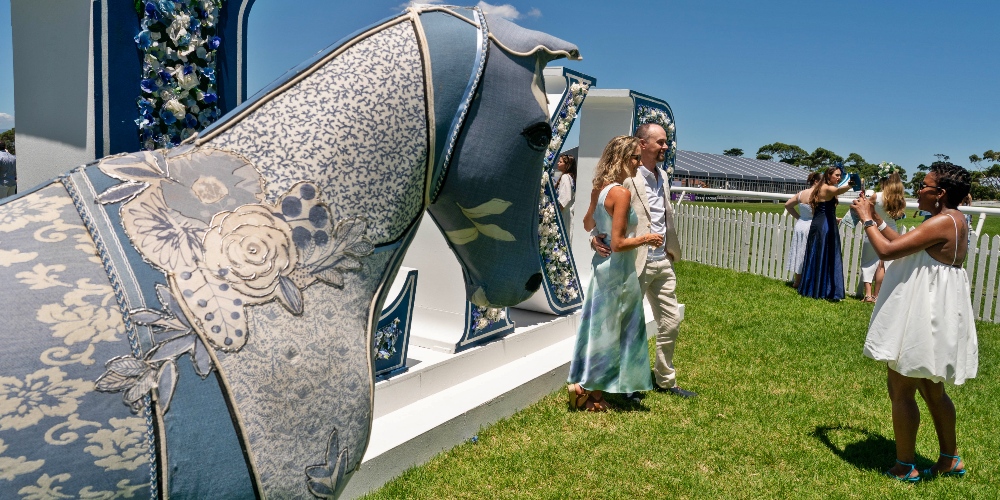
The Running of the 165th King’s Plate – the L’Ormarins King’s Plate is one of South Africa’s most prestigious horse racing events, combining elite racing, high fashion and a vibrant atmosphere. The King’s Plate is a totally blue and white affair where guests can enjoy some of the country’s best racing, wine, food, antique car displays and renowned after party in the peak of Cape Town’s summer. Tickets start from R600. For more information visit here.
Maynardville Open-Air Festival
From 13 January 2026 Maynardville Park, Wynberg
Cape Town’s premier open-air theatre experience returns, featuring live performances in a magical forest setting. Opening on 13 January, the Shades of Blue Chamber Concert will feature music from composers influenced by the rhythms and harmonies of jazz. Next up is Jazz in the Park (14 to 15 Jan), a new two-day celebration featuring local jazz legends from Cape Town’s rich jazz tradition. From 16 to 17 January, another crowd-favourite Cape Town Philharmonic Orchestra returns with a stirring classical programme. See the full festival programme.
Calum Scott – The Avenoir Tour
14 January 2026 Kirstenbosch National Botanical Garden
International singer-songwriter Calum Scott performs live at Kirstenbosch as part of his global Avenoir Tour. Gates open at 6pm. Concert starts 7pm. For more information, go to Big Concert’s website.
Sheer City Festival
17-18 January 2026 Harrington Street Precinct
Sheer City is launching its inaugural two-day inner-city festival bringing together Cape Town’s most influential underground nightlife crews with international acts like Horse Meat Disco, Tama Sumo & Lakuti, Make A Dance, Freudenthal, and more. It’s a multi-venue, walkable block party across Harrington Street and the City Bowl fringe, a celebration of Cape Town’s creative pulse, queer culture, music, fashion, performance, and community. Expect six venues, over twenty artists, a full weekend immersion in the city’s next cultural moment.
Sheer Drop at Texas – 2pm to 10pm Sheer Delight at The Electric – 5pm to 2am Sheer Disco at Harringtons – 6pm to 4am Sheer D.O.G at Zer021 Social – 8pm to 4am Sheer Assembly at District – 8pm to 4am Sheer Dive at Surfa Rosa – 9pm to 4am
Long, lazy afternoons, cool beats and Cape Town’s most iconic views. Summer at Durbanville Hills is super chilled, and with it, the popular cellar’s much-loved Sundaze Summer Series. DJ Stefanos will be spinning tracks from 2pm to 6pm while you enjoy crisp wines, cocktails, craft beer, wine slushies, and a mouth-watering selection of eats from the Olive Grove Bistro. Set against panoramic vistas of Table Bay and Table Mountain, Sundaze is the perfect way to vibe with friends and family. Tickets cost R100pp and available via Webtickets.
Shxtsngigs: Daddy’s Home – South Africa Tour
27 January 2026 Grand Arena, GrandWest, Cape Town
The viral podcast duo James and Fuhad bring their Daddy’s Home live show to Cape Town, blending comedy, culture and crowd interaction. Whether you’re a die-hard Cult Baby or just discovering the podcast that’s racked up millions of streams and laughs worldwide, this live experience is your chance to see the boys like never before – live, loud, and uncut. Tickets from R440 via Ticketmaster.
DHL Stormers vs Vodacom Blue Bulls
27 January 2026 DHL Stadium, Cape Town
Get ready for a major rugby showdown as the DHL Stormers face the Vodacom Blue Bulls in one of the season’s most anticipated fixtures. Cape Town is set to bring the gees – get your tickets today on the Stormer’s website.
World Sports Betting Cape Town Met
31 January 2026 Hollywoodbets Kenilworth Racecourse
Prepare for the grand return of the World Sports Betting Cape Town Met, where the thrill of elite horse racing converges with a multisensory celebration unlike any other. The 2026 theme Symphony of Style combines fashion, music, and immersive moments. Book your tickets via Computicket.