
Dr. Leo Cheng Restores Hope through Lifesaving Surgeries that Transform Even the Smallest of Lives

Baby treated by Dr Leo
Lifesaving Surgeries that Transform Even the Smallest of Lives

FREETOWN, Sierra Leone, November 3, 2025/ — When 10-month-old baby Memunatu arrived at the Global Mercy™ (www.MercyShips.org), a state-of-the-art hospital ship, her tiny face was burdened by the weight of a large tumor on her neck. This tumor affected her ability to swallow, eat, speak, and even cry. Her mother, Aminata, was referred to several doctors who were unable to help. All it took was one encounter, one surgeon’s expertise, to change their lives forever for the better.

When Anne-Marie van Tonder, a Mercy Ships volunteer from South Africa, met Memunatu and Aminata hospital in Freetown she was moved by compassion for this family. Connecting Aminata with the Global Mercy, it did not take long for Memunatu to be brought under the care of Dr. Leo Cheng, a maxillofacial surgeon from the United Kingdom.

Dr. Cheng, who has passionately volunteered with Mercy Ships for two decades, immediately recognized the urgency of Memunatu’s case. Reviewing her scans revealed that, although the mass was not cancerous, it posed serous risks to her survival.

“Without the surgery, her condition would have continued to worsen,” Dr. Cheng explained. “It could have become life-threatening.”

A significant portion of today’s global disease burden can be alleviated through surgical intervention. Even so, 5 billion people, close to two-thirds of the world’s population, lack access to safe, affordable, and timely surgical care. Rough estimates show that someone dies every two seconds from a preventable medical condition that could have been treated surgically.

Recent work in The Lancet Oncology (https://apo-opa.co/3LHcdKk) highlights how delays in surgical care, even for seemingly benign tumors, can lead to increased health complexities, risks, and suffering. Patients not only experience the escalation of symptoms, but also psychosocial isolation and stigma many in their communities regard them as demon- possessed.

Dr. Cheng would do all he could to keep Memunatu from this future of pain and rejection. Her surgery was a delicate procedure; since her airway was already compromised, anesthesia and intubation required extraordinary coordination between the surgical and nursing teams.

“With every single millimeter, I was estimating, calculating, and trying to prevent any bleeding. It went very slowly, but very positively,” Dr. Cheng recalled.

When the surgery concluded, when the swelling finally subsided, Memunatu’s transformation was striking. Her beautiful face was visible again, and her eyes were full of light and joy.

Dr. Cheng reflected on the broader significance of Memunatu’s healing: “Every surgery like this reminds us that access to safe surgery is not a luxury, but essential. When we restore someone’s face, we restore their humanity, their acceptance, and their hope.”


Distributed by APO Group on behalf of Mercy Ships.

For more information about Mercy Ships, contact:
Email: International.media@mercyships.org  


Discover more from The Maravi Post

Subscribe to get the latest posts sent to your email.

The Maravi Post

Emilia Clarke Stuns in Sheer, Frilly Gown During Rare Red Carpet Appearance

Emilia Clarke was the mother of looks at her first red carpet outing in years.

The Game of Thrones star, 39, stunned at the Global Gift Gala on Saturday, November 1, at the Kimpton Fitzroy Hotel in London. She served as the Honorary Chair of the event and was seen posing with Global Gift Foundation founder Maria Bravo, singer Christina Milian and others.

Clarke wore a black McQueen dress that featured a sheer lace bodice with frill accents, a low back and a long ruffled skirt. Her hair was styled down and parted to the side. Her natural makeup look was completed with dewy skin, pink lips and black eyeliner.

According to their website, the Global Gift Foundation aims to create a positive impact on the lives of children, women and families who are in a situation of vulnerability and/or risk of social exclusion.

Emilia Clarke Feared Being Fired from ‘Game of Thrones’ After Brain Injury

Emilia was joined by her mom, Jenny Clarke, at the event as their charity SameYou was honored. SameYou advocates for better mental health treatment for people recovering from brain injuries. The organization helps survivors rebuild their lives after leaving the hospital and supports them with innovative emotional, social and physical rehabilitation programs.

Emilia herself survived two life-threatening brain hemorrhages while working on the early seasons of Game of Thrones. She initially believed something was wrong while completing a workout with her trainer in February 2011. Emilia said she “felt as though an elastic band were squeezing” on her brain in a 2019 essay for The New Yorker.

GettyImages-2244038011-Emilia-Clarke-Stuns-in-Sheer-Frilly-Gown-During-Rare-Red-Carpet-Appearance
Emilia Clarke attends the Global Gift Gala London 2025. Photo by Hoda Davaine/WireImage

After being taken to the hospital, she was diagnosed with a subarachnoid hemorrhage. Clarke then underwent a “minimally invasive” brain surgery procedure. However, she later suffered from aphasia, which caused her to temporarily forget her name and led her to fear she would never recover.

Though the aphasia only lasted a week, she learned two years later that she suffered another brain aneurysm while undergoing a brain scan. Healthcare workers operated on her twice to resolve the issue, with the second surgery going right through her skull.

“The recovery was even more painful than it had been after the first surgery,” she explained to The New Yorker. “I looked as though I had been through a war more gruesome than any that Daenerys experienced.”

Prince William Honors Emilia Clarke With Medal for Charity Work

Emilia has kept a low profile following the conclusion of Game of Thrones in May 2019. She last appeared publicly at F1 Grand Prix of Great Britain in July 2024 and walked the carpet at the Harper’s Bazaar Women of the Year 2023 in November of that year.

She is set to make a return to the screen soon, however, in the upcoming Prime Video series Criminal and Peacock’s spy thriller Ponies. She also voiced a character in the animated comedy The Twits, which was released on Netflix earlier this month.


Discover more from The Maravi Post

Subscribe to get the latest posts sent to your email.

The Maravi Post

Suspected MCP’s kingpin thugs Munlo, Phekamisa, other arrested for various public assaults crimes

LILONGWE-(MaraviPost)-The Malawi Police Service (MPS) have arrested a suspected ringleader of the panga-wielding gang that has been behind a series of violent attacks in Lilongwe and surrounding areas.

The three suspects arrested on November 2, 2025 have been identified as Bruno Munlo Makina (37), of Mponda Vge, T/A Msamala in Balaka; Erick Phakamisa (40), of Undi Vge, T/A Kaphuka in Dedza; and Hanif Banda (23), of Wimbe Vge, T/A Wimbe in Kasungu.

The suspects are believed to be former President Lazarus Chakwera’s Malawi Congress Party (MCP) zealots.

National Police Service Deputy publicist Alfred Chimthere told The Maravi Post on Sunday afternoon, November 2, 2025 that “Munlo Makina is believed to have been coordinating some of the gang’s criminal activities”.

The police publicist adds, “Banda and Phakamisa are also directly connected to various offences of attacks that have been under investigation.

“The arrests were made following sustained investigations and coordinated intelligence operations.”

Chinthere explains further, “This latest breakthrough brings the total number of suspects apprehended in the ongoing operation to fifteen (15).

“All suspects are currently in Police custody pending court appearance. The MPS reiterates its unwavering commitment to bringing all perpetrators of violent crime to justice”.


Discover more from The Maravi Post

Subscribe to get the latest posts sent to your email.

The Maravi Post

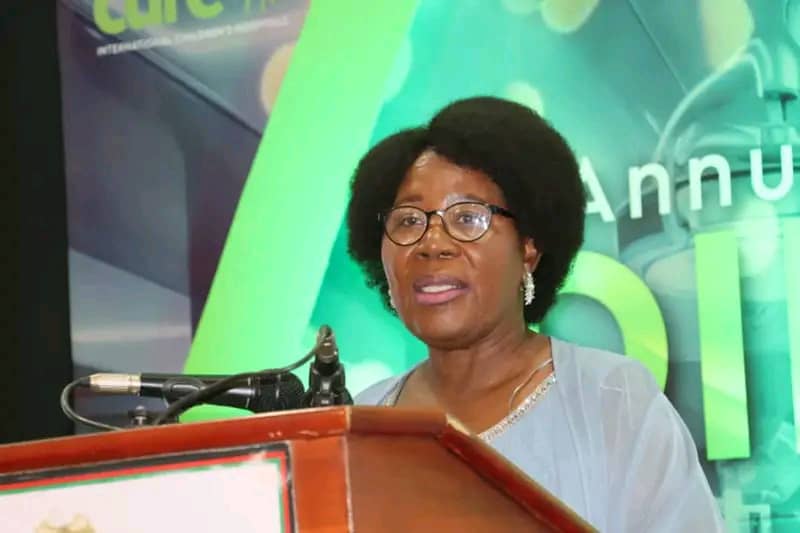
Ansah urges Malawians to support Beit-Cure Hospital’s lifesaving work

BLANTYRE-(MaraviPost)-Vice President Jane Ansah has urged Malawians and corporate institutions to unite in supporting Beit-Cure Children’s Hospital, which continues to provide free surgical care for children across the country.

Speaking on Saturday during a fundraising dinner held at Amaryllis Hotel in Blantyre, Ansah appealed to the public to contribute towards the hospital’s mission, stressing that every donation no matter the size can help transform a child’s life.

She commended Beit-Cure for its 23 years of dedicated service, during which the hospital has reached all 28 districts of Malawi, offering free and specialized medical care to children with disabilities.

To demonstrate her support, the Vice President personally donated MK2 million to the cause.

On his part,Beit-Cure Hospital Board Chairperson John McGrath described the event as ‘a night of compassion,’ emphasizing that each contribution, big or small, makes a lasting difference in the lives of children who need surgical care.

Representing First Capital Bank, Head of Marketing Twikale Chirwa reaffirmed the bank’s commitment to supporting the hospital, noting that the partnership has seen the bank contribute over MK70 million towards Beit-Cure’s operations over the years.

Held under the theme ‘Healing Journeys: Bridging the Gap of Hope,’ the event sought to raise K310 million to fund life-changing surgeries for more than 200,000 children across Malawi.


Discover more from The Maravi Post

Subscribe to get the latest posts sent to your email.

The Maravi Post

SNAP decision, Open Enrollment, Electricity Prices Increase

<

p class=”readrate” data-rr=”16″ style=”line-height: 1.2;” data-pm-slice=”1 1 []”>Two judges rule that it’s unlawful for President Trump to suspend SNAP food benefits. With higher premiums and a government shutdown, open enrollment for health insurance is different this year. Higher electricity prices are factoring into who voters in New Jersey and Virginia pick as their governors.

<

p class=”readrate” data-rr=”16″ style=”line-height: 1.2;”>

Learn more about sponsor message choices: podcastchoices.com/adchoices

NPR Privacy Policy


Discover more from The Maravi Post

Subscribe to get the latest posts sent to your email.

The Maravi Post

My Take On It: Men over 40 get annual Prostate Cancer screening!

DataPathology: Human capital and digital technology in alliance against cancer

“Is anyone among you sick? Let them call the elders of the church to pray over them and anoint them with oil in the name of the Lord. And the prayer offered in faith will make the sick person well; the Lord will raise them up. If they have sinned, they will be forgiven.” – James 5:14-15

All around the world, the month of October is commemorated (or remembered) as Breast cancer Awareness Month.

During this month, many women remember to wear pink outfits, hats, or shoes, and handbags. But throughout the year women also get the government-ordained annual breast cancer screening; most governments around the world pay for this screening.

This screening has detected breast cancer early, managed, and/or treated. This has saved many women’s lives or allowed them to live longer, put their affairs in order.

The same now needs to be done for men over 55 years old.

Governments must come up with ordinances to get men screened for prostate cancer; they should also set aside funds for the screening to be paid for by the government.

In the past 10 months numerous men have succumbed to prostate cancer, some are battling the gruesome illness. Sadly many men (not being required by government ordinance) get the cancer and are sometimes only diagnosed with the disease at its advanced stage.

Prostate cancer is a type of cancer that develops in the prostate gland, which is part of the male reproductive system. The US Centers for Disease Control and Prevention (CDC) states that “the prostate is a part of the male reproductive system, which includes the male reproductive organ, prostate, seminal vesicles, and testicles.

The prostate is located just below the bladder and in front of the rectum. It is about the size of a walnut and surrounds the urethra (the tube that empties urine from the bladder). It produces fluid that makes up a part of semen….Prostate cancer is a disease in which cells in the prostate grow out of control.”

The CDC furthermore points out in the Prostate Cancer Fact Sheet “…most men with prostate cancer have no symptoms.

However, some men experience the following: frequent urination, trouble urinating, blood in urine or semen, pain in the back, hips, or pelvis. These may be caused by conditions other than prostate cancer,” the CDC therefore advises men to talk to their doctor if they experience any or all of these symptoms. Below are the symptoms of prostate cancer:

Difficulty starting urination, weak or interrupted flow of urine, urinating often, especially at night, trouble emptying the bladder completely, pain or burning during urination, blood in the urine or semen, pain in the back, hips, or pelvis that doesn’t go away, painful ejaculation.

The CDC states that men that are 65 and older are more likely to be diagnosed with prostate cancer. Another likelihood is if a member of the family has been diagnosed with the disease.

Lastly the CDC states that compared to other men, black or African American men are more likely to get prostate cancer, get prostate cancer at a younger age, have a more advanced stage of prostate cancer when it’s found, and sadly die from prostate cancer. So, please do not wait until you are 55 if you are a black man or African American man!

The U.S. Preventive Services Task Force, a group of medical experts, recommends, and I strongly agree and recommend all men reading this column “…..that men 55 to 69 years old make individual decisions about prostate cancer screening. Talk to your doctor about your risk and how you feel about the benefits and harms of screening.”

The task force says the goal of the screening is to look for cancers that are likely to spread if untreated. While some of these cells may not grow at all, most grow slowly.

“The most common screening method is the prostate specific antigen (PSA) test, which measures PSA levels in your blood. PSA is a substance the prostate makes.

Higher PSA levels can show a prostate problem, but it doesn’t always mean you have cancer. If your PSA level is high, your doctor may recommend a biopsy.

This means removing a small piece of tissue from your prostate to examine under a microscope for cancer cells,” the task force informs on the fact sheet.

According to the Force, the benefits of finding prostate cancer that has a high risk of spreading, may lower the chance of death from prostate cancer in some men.

The force warns however, that there is harm in having an abnormal PSA test result when there is no prostate cancer, which could lead to unnecessary tests, like a biopsy. And regrettably “prostate biopsy can cause pain, infection, and blood in the semen or ejaculate.

It states that men who would not have had symptoms or died from prostate cancer can have complications from treatment but have no benefit from it.”

Once diagnosed with prostate cancer, the treatment that may not grow, your doctor may suggest monitoring it over time instead of immediate treatment; this is called active surveillance or watchful waiting, including regular check-ups.

Men whose prostate grows or is at an advanced stage, who may need treatment, modern medical science has the following options that include the following:

Surgery to remove the prostate, radiation therapy, chemotherapy, and other treatments.
Such treatments have side effects such as urinary incontinence (accidental leakage of urine), difficulty having sex, and bowel problems.

Men between the ages of 40 and 65 should have annual prostate cancer screening.

As far as possible, governments around the world must make such screening available to all men.


Discover more from The Maravi Post

Subscribe to get the latest posts sent to your email.

The Maravi Post