World Bank:  Malawi is facing its worst economic crisis in many years

Yesterday, the World Bank released a report on the state of our economy full 128 pages. For those who may have missed it, here is a clear summary of what the report is saying, just to make sure you stay informed.

1. Malawi is facing its worst economic crisis in many years.

The economy has been shrinking, prices have been rising by about 30 percent, and more than 75 percent of Malawians now live in extreme poverty.

2. The government has been spending more money than it collects for many years.

Malawi’s budget deficit is one of the highest in Africa, and it keeps breaking the SADC rule that says a country should not go beyond a 3 percent deficit.

3. Malawi’s public debt is too high and cannot be sustained.

By 2024, the country owed money equal to 90.9 percent of everything it produces. The Reserve Bank also lost huge amounts of money because of foreign exchange problems, including MWK 708.7 billion in 2023 and MWK 200.4 billion in 2022.

4. Government spending has almost doubled, but services have not improved.

Spending increased from 16 percent of GDP in 2011/12 to 31 percent in 2024/25. However, many projects are delayed or poorly managed, and only about 75 percent of development projects are completed.

5. The wage bill for government workers has grown very fast.

It was less than 3 percent of GDP in the early 2000s, but it is now above 6 percent. Malawi’s government workers earn about 49 percent more than people in similar jobs in the private sector.

6. State-owned companies are struggling and cost the government a lot of money.

In 2023 they made a profit of MWK 543 billion, but in 2024 they made a loss of MWK 47.63 billion. ESCOM and Blantyre Water Board are among the worst performers, and their debts and unpaid bills keep growing.

7. Fuel and electricity subsidies mostly help the rich, not the poor.

The richest 20 percent of people benefit the most from fuel subsidies. Delays in adjusting fuel prices between 2023 and 2025 also created large debts for fuel suppliers.

8. Malawi collects more tax today than ten years ago, but still not enough.

Tax makes up about 15 percent of GDP, which is below the government target of 17 percent. The country loses around 1.4 percent of GDP every year because of too many tax incentives and exemptions.

9. Mining will bring some money, but it will not change everything.

If all mining projects succeed, Malawi may get between US$200 million and US$500 million a year by the early 2030s. Projects include Kayelekera uranium, Kasiya rutile and Kangankunde rare earth minerals.

10. Malawi must choose to reform now or face a deeper crisis.

If reforms happen, the country could move from a deficit to a surplus within two years and reduce its debt. But if nothing changes, debt could grow to 143 percent of GDP by 2035, and the economy will suffer even more.
Are we really okay as a country?

The Maravi Post

Thales to recruit more than 9,000 new employees in 2026

DOHA, Qatar, 18 February 2026-/African Media Agency(AMA)/- Thales, world leader in high technologies for Defence, Aerospace and Cybersecurity & Digital, plans to recruit more than 9,000 employees worldwide in 2026.

These hiring prospects follow the recruitment of 8,800 employees in 2025, exceeding the initially announced target of 8,000 new talent. Over the past 5 years, Thales has recruited at least 8,000 people per year to support the growth dynamics of its three business sectors.

In 2025, Thales received 1.4 million applications worldwide, exceeding its record of one million CVs received in 2024. The Universum ranking positioned Thales in first place amongst the most attractive employers for engineering school students in France (and second place in 2024).

Strengthening the diversity of teams and management committees remains a priority for the Group. In 2025, women accounted for 32% of all recruitments. 69% of the Group’s management committees are composed of at least 4 women and Thales aims to reach 75% in 2026.

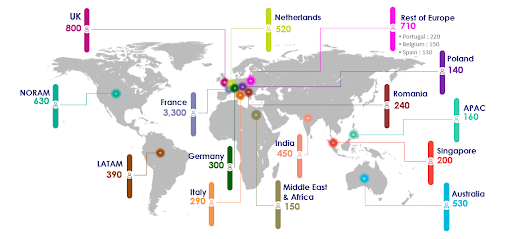
In 2026, Thales plans to recruit 150 people in the Middle East and Africa with 60 in the United Arab Emirates and 30 in the Kingdom of Saudi Arabia.

In France, Thales will recruit 3,300 people, including 1,630 in the Ile-de-France, 290 in Brittany, 280 in Nouvelle Aquitaine, 270 in Provence-Alpes-Côte d’Azur, 250 in Occitanie, 220 in Centre-Val de Loire, 180 in Auvergne-Rhône-Alpes and 130 in Pays de la Loire.

In addition to the 9,000 external recruitments, and thanks to the variety of Thales’ three business sectors, roles and geographies, 3,500 employees will benefit from internal mobility. Additionally, the Group’s “Learning Company” approach, with more than 35 internal academies, will enable employees to develop their skills, thereby maintaining Thales’ expertise at the highest level worldwide.

Thales is committed to advancing the integration of people with disabilities, with an employment rate of over 7% in France in 2025.

Around 40% of new arrivals will be assigned to engineering (software and systems engineering, cybersecurity, artificial intelligence, and data) and 25% to industry (technician, operator and engineer positions).

Thales reinforces commitment to inspire and support young talent in Science, Technology, Engineering and Mathematics (STEM)

Thales is dedicated to fostering the careers of young people and places strong emphasis on welcoming apprentices and interns, particularly in France, where it will support 1,700 trainees and 1,600 apprentices from Bac+2 to Bac+5, as well as 1,000 third-year and 500 second-year students in 2026. For these young people, these opportunities serve as a stepping stone to future employment. In 2025, apprentices and interns accounted for 15% of Thales’ recruitment in France.

Through its “Vocation Makers” programme, Thales is actively engaging with young people ages 6 to 18 to spark their interest in science and technology. This is achieved through site visits and educational presentations in schools. In 2025, the Group met with 250,000 students worldwide, ranging from primary to high school levels.

In parallel, Thales has launched the STEM for All’s programme, a scholarship and mentorship initiative in partnership with the French Academy of Technologies. The programme is designed to support and inspire young students from disadvantaged backgrounds who aspire to pursue careers in STEM. In its inaugural year, 40 awards were given in France and Belgium, each including a €5,000 grant and one-year of mentorship from a Thales employee. In 2026, STEM for All will be expanded in 2026 to countries including the Czech Republic, Poland, Greece, Romania, Italy, Germany, the Netherlands, Brazil and South Korea.

“We take great pride in seeing Thales’ appeal grow stronger year after year. The talented individuals who join us are driven by a desire to contribute to the development of sovereign, innovative, and sustainable solutions that the world needs more than ever. Together, we shaping the future by inspiring an increasing number of young people, especially young women, to pursue careers in science and technology.”
Patrice Caine, CEO of Thales

Candidates interested in the positions available at Thales can find out more and apply online at https://www.thalesgroup.com/fr/candidat and here for STEM for All.

Distributed by African Media Agency (AMA) on behalf of Thales

About Thales
Thales (Euronext Paris: HO) is a global leader in advanced technologies in advanced for the Defence, Aerospace and Cyber & Digital sectors. Its portfolio of innovative products and services addresses several major challenges: sovereignty, security, sustainability and inclusion.
The Group invests more than €4 billion per year in Research & Development in key areas, particularly for critical environments, such as Artificial Intelligence, cybersecurity, quantum and cloud technologies.
Thales has more than 83,000 employees in 68 countries. In 2024, the Group generated sales of €20.6 billion.

The post Thales to recruit more than 9,000 new employees in 2026 appeared first on African Media Agency.

The Maravi Post

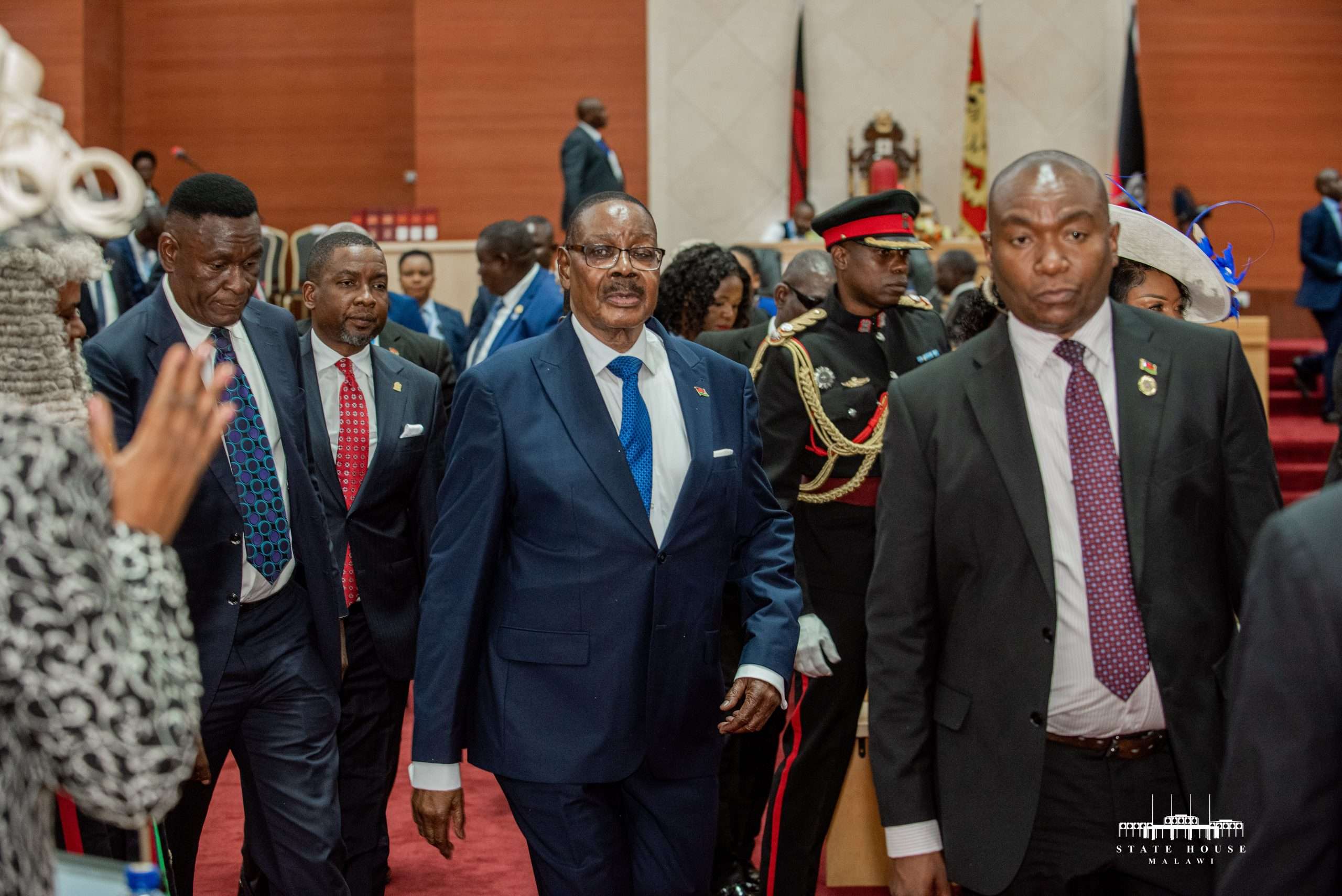
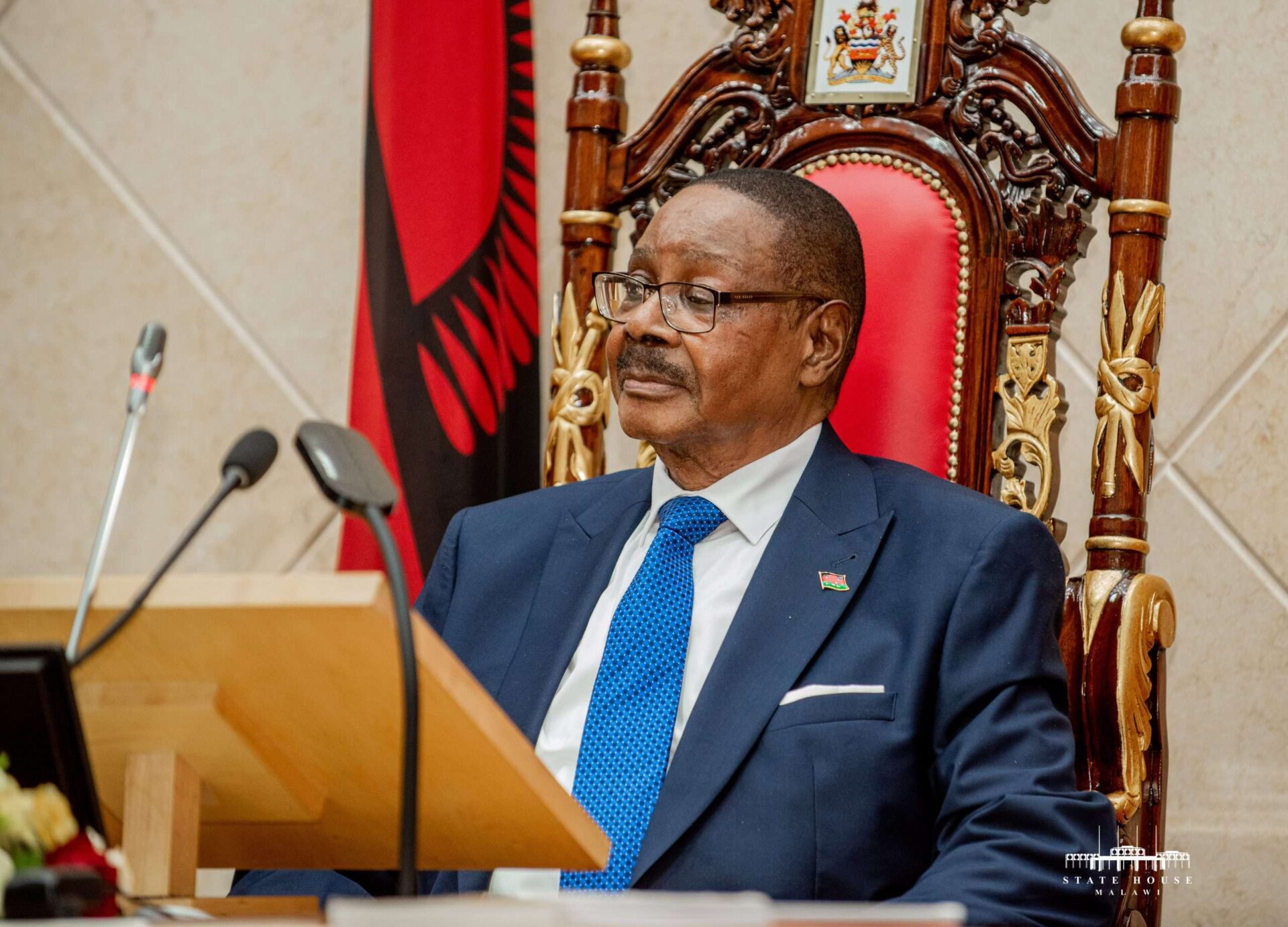
Mixed reactions to Mutharika’s 2026/27 SONA

Praises, ululations and jubilations have erupted among the ruling Democratic Progressive Party (DPP) supporters following President Mutharika’s State of the nation address (Sona) which exudes a ray hope to Malawians regarding the availability of fuel, reduced inflation rates, availability of cheap and affordable maize, a major staple food crop in the country

The majority of Malawians are optimistic about the commitments made in the Sona, including the acquisition of seven new airplanes within the next five years, ensuring fairness and justice for all citizens, a strong stance against corruption, plans to build two-storey market structures in Blantyre, Lilongwe, and Mzuzu cities, and most importantly , the introduction of dialysis services at Mzuzu central hospital.

Nonetheless, the Sona received substantial backlash from opposition parties, civil society groups, and economic experts.

Jessie Kabwira, spokesperson for the Malawi Congress Party (MCP), expressed disappointment with the address, stating that the administration had neglected the central region in their implementation of the Farm Input Subsidy Program (FISP).

Furthermore, critics from the opposing party contended that the government’s assertion of providing free secondary education was deceptive, pointing out that only a small amount (K10,000) was waived from fees. Is this sufficient? They wondered.

Additionally, Simplex Chithyola Banda, the leader of the Opposition, voiced his disapproval of the speech for its failure to address rampant robberies and abductions, and for lacking a comprehensive homeland security strategy.

According to Kabambe, an experienced economist and the president of UTM, the majority of efforts in the Sona have been directed towards treating the symptoms rather than tackling the underlying issues in the economy.

From the standpoint of the UTM Party, Kabambe emphasized the need for a comprehensive stabilization plan that prioritizes growth through production, rather than relying on temporary emergency measures.

Undule Mwakasungula, a proponent of good governance, denounced the recent tax hikes as contradicting the DPP’s pledges during their campaign. He argued that these increases unfairly burden regular citizens and small enterprises.

Although the SONA pledged to tackle corruption without any exceptions, activists like Onjezani Kenani expressed doubt about the genuineness of these efforts, citing personnel appointments that seemed contradictory to the anti-corruption commitments.

According to experts from the Economics Association of Malawi (Ecama) and other analysts, Mutharika’s “discipline-first” plan for economic recovery may face constraints due to the country’s high debt levels and ongoing foreign currency shortages.

Experts also pointed out that Mutharika’s portrayal of himself as the main force behind reform could result in him bearing the brunt of criticism if his ambitious economic goals, such as lowering inflation from 28.7% to under 21%, are not achieved.

In a nutshell, it is not surprising that Mutharika’s Sona attracted mixed reactions among many Malawians.

The Maravi Post

ECAMA welcomes Mutharika’s SONA with hope for forex recovery

LILONGWE-(MaraviPost)–The Economic Consumers Association of Malawi (ECAMA) has commended the State of the Nation Address (SONA), describing it as concise yet focused on critical economic recovery measures.

ECAMA representative Bertha Bangala said the address clearly outlined government plans aimed at stabilizing the country’s foreign exchange (forex) situation, which remains one of the key drivers of Malawi’s economic challenges.

“The SONA was short, but it strongly addressed economic recovery plans, especially in terms of forex availability and stabilization,” Bangala said.

She noted that improved access to foreign exchange would help ease pressure on businesses and consumers, ultimately contributing to price stability and economic growth.

Bangala also welcomed the government’s continued commitment to free education, describing it as a long-term investment in human capital development.

She said expanding access to education would equip young people with the skills necessary to support economic transformation.

In addition, she highlighted infrastructure development particularly road construction and rehabilitation as another positive step toward economic recovery.

According to Bangala, improved road networks enhance trade, lower transportation costs, and stimulate local economic activity.

She emphasized that while implementation will be key, the outlined measures signal a strategic direction toward stabilizing and rebuilding the economy.

Concurring with Bangala, Japanese Ambassador to Malawi, Natoya Yasuchi, also expressed admiration for the SONA, saying he was impressed with its focus on stimulating economic growth.

The Maravi Post

ECAMA welcomes Mutharika’s SONA with hope for forex recovery

LILONGWE-(MaraviPost)–The Economic Consumers Association of Malawi (ECAMA) has commended the State of the Nation Address (SONA), describing it as concise yet focused on critical economic recovery measures.

ECAMA representative Bertha Bangala said the address clearly outlined government plans aimed at stabilizing the country’s foreign exchange (forex) situation, which remains one of the key drivers of Malawi’s economic challenges.

“The SONA was short, but it strongly addressed economic recovery plans, especially in terms of forex availability and stabilization,” Bangala said.

She noted that improved access to foreign exchange would help ease pressure on businesses and consumers, ultimately contributing to price stability and economic growth.

Bangala also welcomed the government’s continued commitment to free education, describing it as a long-term investment in human capital development.

She said expanding access to education would equip young people with the skills necessary to support economic transformation.

In addition, she highlighted infrastructure development particularly road construction and rehabilitation as another positive step toward economic recovery.

According to Bangala, improved road networks enhance trade, lower transportation costs, and stimulate local economic activity.

She emphasized that while implementation will be key, the outlined measures signal a strategic direction toward stabilizing and rebuilding the economy.

Concurring with Bangala, Japanese Ambassador to Malawi, Natoya Yasuchi, also expressed admiration for the SONA, saying he was impressed with its focus on stimulating economic growth.

The Maravi Post

ECAMA welcomes Mutharika’s SONA with hope for forex recovery

LILONGWE-(MaraviPost)–The Economic Consumers Association of Malawi (ECAMA) has commended the State of the Nation Address (SONA), describing it as concise yet focused on critical economic recovery measures.

ECAMA representative Bertha Bangala said the address clearly outlined government plans aimed at stabilizing the country’s foreign exchange (forex) situation, which remains one of the key drivers of Malawi’s economic challenges.

“The SONA was short, but it strongly addressed economic recovery plans, especially in terms of forex availability and stabilization,” Bangala said.

She noted that improved access to foreign exchange would help ease pressure on businesses and consumers, ultimately contributing to price stability and economic growth.

Bangala also welcomed the government’s continued commitment to free education, describing it as a long-term investment in human capital development.

She said expanding access to education would equip young people with the skills necessary to support economic transformation.

In addition, she highlighted infrastructure development particularly road construction and rehabilitation as another positive step toward economic recovery.

According to Bangala, improved road networks enhance trade, lower transportation costs, and stimulate local economic activity.

She emphasized that while implementation will be key, the outlined measures signal a strategic direction toward stabilizing and rebuilding the economy.

Concurring with Bangala, Japanese Ambassador to Malawi, Natoya Yasuchi, also expressed admiration for the SONA, saying he was impressed with its focus on stimulating economic growth.

The Maravi Post