
Why Africa’s Energy Supply Gap is its Defining Commercial Opportunity

Africa’s energy deficit is often framed as a development crisis, but in 2026 it should also be seen as one of the continent’s most compelling structural investment opportunities

CAPE TOWN, South Africa, February 13, 2026/ — Nearly 600 million people across Africa still lack access to electricity, with electrification progress barely keeping pace with population growth and leaving the continent far from universal access targets. Achieving full access will require electricity-access investment to scale toward around $15 billion annually, according to the IEA, yet tracked financing commitments remain below $2.5 billion per year, underscoring a profound capital shortfall.
This mismatch – vast, guaranteed demand paired with chronic under-investment – is precisely what creates durable commercial opportunity. Energy demand across Africa is projected to rise sharply through 2030, driven by urbanization, industrialization, electrification and emerging high-consumption sectors such as data centers. Sub-Saharan Africa contains the majority of the global population without electricity, while the continent hosts 20% of the world’s population but receives only about 2% of global clean-energy investment.

In investment terms, this reflects demand certainty combined with supply scarcity – a dynamic that historically underpins strong long-term project economics. Reliable power fuels industrial growth, digital infrastructure and sustained revenue expansion, linking electrification directly to bankable demand. Closing the supply gap is therefore not just a social imperative, but a continent-wide revenue opportunity for investors.

This commercial logic is already reshaping global portfolio strategy. Major oil companies facing reserve pressure and slowing discoveries are increasingly turning toward frontier regions capable of delivering material new volumes, with Africa at the center of this shift. Industry analysis in 2026 suggests some producers could face production declines of hundreds of thousands of barrels per day within the next decade without major discoveries or acquisitions – intensifying the search for scalable new basins.

Developments progressing through 2025–2026 demonstrate how structural demand is translating into commercially viable assets. Mozambique’s $20 billion LNG project, advancing toward production later this decade, is anchored by tens of trillions of cubic feet of recoverable gas and supported by one of the largest financing packages ever assembled for an African energy development – demonstrating how global gas demand, domestic industrialization and long-term state revenue can align within a single project.

Meanwhile, analysis indicates that developing the continent’s gas resources could play a decisive role in closing the electricity access gap for hundreds of millions of people, while contributing only marginally to global emissions – strengthening the investment rationale even within a transition-constrained financing environment.

“Energy poverty is not just a challenge – it is Africa’s greatest investment opportunity. What we are witnessing today is a historic convergence of demand, resources and political will. The companies and investors that choose to partner with Africa now will not only generate long-term returns, but help power industries, create jobs and define the next era of global energy,” says NJ Ayuk, Executive Chairman of the African Energy Chamber.

This commercial reality will take center stage at African Energy Week 2026 in Cape Town, where policymakers, operators and financiers will focus on translating structural demand into bankable upstream, LNG, gas-to-power and renewable energy projects. Making energy poverty history will require unprecedented capital deployment – but the investment case is already clear. Vast resources, accelerating demand and a growing pipeline of projects position Africa’s energy gap as one of the defining commercial opportunities of the energy transition era.

Distributed by APO Group on behalf of African Energy Chamber.

SOURCE: African Energy Chamber
The Maravi Post

Mutharika’s quiet revolution: A new era of economic reform

LILONGWE-(MaraviPost)-According to Dickson Kashoti, opposition Malawi Congress Party (MC) Chief Media Officer, writing on his Facebook page, President Professor Peter Mutharika is making significant strides in turning Malawi’s economy around with strategic appointments in key economic positions.

His quiet and methodical approach has earned him the reputation of a quiet reformer, focused on reshaping the country through deliberate action and economic focus.

Mutharika’s determination to change Malawi is evident in his impressive appointments, particularly in the economic sector, as the nation grapples with escalating cost of living and plunging poverty levels.

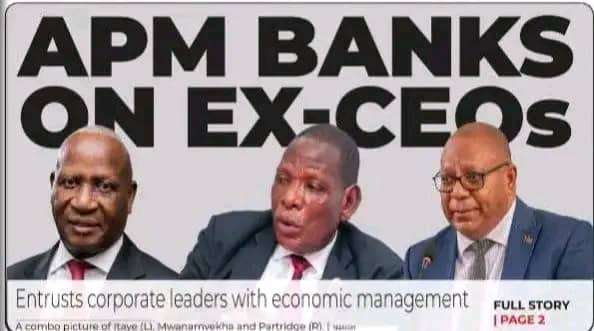
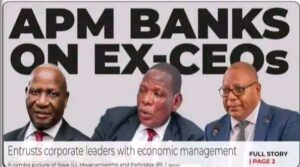
Kashoti notes that Mutharika’s economic team, comprising Finance Minister Sir Joseph Mwanamvekha, Trade and Industrialization Minister Sir Simon Itaye, and Reserve Bank Governor Sir George Partridge, is giving Malawians hope for a brighter future.

The team is expected to steer the country’s economic recovery path towards success.

This team is working tirelessly to address the country’s economic challenges, including the high cost of living and poverty levels.

The President has assured Malawians that 2026 will bring improved economic conditions, saying his administration has laid key foundations for recovery and long-term growth.

He emphasized that economic recovery must translate into improved living standards for all Malawians.

Mutharika’s leadership style is a departure from the norm, emphasizing patience and policy over fiery rhetoric.

As Kashoti puts it, “History does not always arrive shouting.

Sometimes it walks in quietly, carries a book under its arm, and changes a nation with patience and policy, and President Professor Mutharika wants to be that kind of man.”

Kashoti adds that Mutharika’s approach has drawn comparisons to historical figures who have changed nations quietly, carrying books under their arms.

As Mutharika navigates his second term, his legacy is taking shape.

Will he be remembered as a paradox – a man of few words who left loud results?

Only time will tell, but one thing is certain: Malawi is on the path to change.

Kashoti concludes, “Ndiope ndani?” or “What more do I have to fear?” implying that he has nothing to fear but speak the truth that despite political differences, Mutharika is delivering.

The Maravi Post

Why Mutharika’s DPP administration revenue mobilization is a bold step toward economic stability

Malawi stands at a critical economic crossroads, grappling with the legacy of staggering debt and fiscal instability inherited from previous administrations, particularly the Malawi Congress Party (MCP).

The current Democratic Progressive Party (DPP) government, under the leadership of Professor Arthur Peter Mutharika, is facing tough but necessary decisions to restore fiscal discipline and chart a sustainable path forward.

The recent introduction of the Electronic Invoicing System (EIS), alongside proposals for new taxes such as the inheritance tax and adjustments to fuel prices, represents a strategic effort to mobilize domestic revenue, reduce dependency on external borrowing, and ultimately secure Malawi’s economic future.

Yet, these moves have been met with resistance and protests, particularly from small-scale traders, who understandably feel the pinch of rising costs and regulatory changes.

It is imperative for Malawians to view these measures in the broader context of national recovery and long-term prosperity.

For decades, Malawi’s economic challenges have been deepened by unsustainable borrowing practices, much of which occurred under MCP leadership. The current national debt, now in the trillions, is a heavy burden that threatens the country’s ability to fund critical services and infrastructure.

This debt crisis cannot be overstated: it was the reckless fiscal management and opaque dealings of many MCP officials that have left Malawi shackled by creditors.

Numerous former MCP ministers have been implicated in accumulating personal wealth through dubious means, often at the expense of the nation’s treasury.

Their legacy is one of mismanagement, corruption, and economic policies that prioritized short-term gains over sustainable development.

In stark contrast, the DPP government’s approach under Professor Mutharika is one of fiscal responsibility and transparency. The introduction of the Electronic Invoicing System is a testament to this commitment.

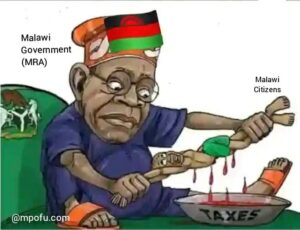
By replacing the outdated Electronic Fiscal Devices with a more robust and real-time tax invoicing system, the Malawi Revenue Authority (MRA) aims to curb tax evasion, broaden the tax base, and ensure that all businesses, regardless of size, contribute their fair share to national development.

While small-scale traders raise valid concerns about the immediate impact on their operations, it is important to recognize that the EIS will foster a more equitable business environment and improve government revenue collection, which in turn can support public services and infrastructure that benefit all Malawians.

Critics, particularly from the MCP, have attempted to frame these reforms as punitive or overly burdensome. However, this narrative ignores the stark reality that Malawi simply cannot afford to continue down the path of borrowing without accountability.

The DPP’s fiscal measures are not designed to stifle business but to create a sustainable economic ecosystem where government resources are available to support growth and development.

The resistance to these reforms is more reflective of the MCP’s historical reluctance to embrace transparency and fiscal discipline, rather than any genuine concern for the welfare of traders.

Moreover, the increase in fuel prices, while difficult for many households and businesses, is a reflection of global economic realities and the need for Malawi to align its domestic prices with international market trends.

Subsidizing fuel or delaying price adjustments would only deepen fiscal deficits and increase reliance on foreign loans, worsening the debt situation.

The DPP government’s decision to adjust fuel prices is therefore a necessary step to maintain macroeconomic stability.

Malawians must also be reminded of the dangers of returning to MCP rule. The party’s track record is marked by economic mismanagement, corruption scandals, and a failure to deliver meaningful development.

Their insatiable appetite for borrowing without accountability led to the current debt crisis, which the country is now struggling to overcome. Voting for MCP in the future would risk reversing the progress made under the DPP and plunging Malawi back into financial chaos.

The DPP’s governance under Professor Mutharika embodies a vision of disciplined management, structural reforms, and a commitment to fighting corruption.

It is also crucial to highlight that the DPP government is not acting in isolation.

The introduction of new taxes, such as the inheritance tax, is aligned with international best practices in revenue mobilization.

These policies aim to ensure that wealthier segments of society contribute fairly to national development, helping reduce inequality and broaden the tax base beyond the small-scale traders who often bear a disproportionate burden. This approach promotes social justice and fiscal sustainability.

The protests by traders, while understandable on a human level, must be balanced against the broader national interest.

The government has pledged to engage with stakeholders and provide feedback as it implements these reforms, demonstrating a willingness to listen and adapt where necessary. However, the ultimate goal must remain clear: to build a Malawi that is economically stable, self-reliant, and capable of investing in the future of its people.

The DPP government’s domestic revenue mobilization efforts are not only justified but essential.

The introduction of the Electronic Invoicing System, the adjustment of fuel prices, and the proposal of new taxes are all strategic moves designed to reduce Malawi’s dependency on unsustainable borrowing, improve transparency, and create a more equitable tax system.

These reforms are a direct response to the economic turmoil left by the MCP’s mismanagement and corruption.

Malawians should support these measures, recognizing that they are building blocks for a stronger, more prosperous nation.

The choice is clear: continue on the path of fiscal irresponsibility and debt under MCP leadership or embrace the disciplined, reform-oriented approach of the DPP government under Professor Arthur Peter Mutharika. The future of Malawi depends on this decision.

The Maravi Post

NBM plc donates MK15 million sanitation equipment to Blantyre City Council 

BLANTYRE-(MaraviPost)-National Bank of Malawi (NBM) plc has donated sanitation and maintenance equipment valued at K15 million to Blantyre City Council, as part of its K200 million Corporate Social Responsibility programme targeting district and city councils across the country.

Speaking during the official handover of the equipment on Friday, NBM plc Head of Corporate Banking, William Chatsala said the donation is aimed at supporting the council’s efforts to keep the city clean, in line with the bank’s Corporate Social Investment (CSI) focus on health and sanitation.

“A clean and well-managed city is a shared responsibility between local authorities, the private sector, and citizens. We are confident that this equipment will enhance the Council’s operational capacity in maintaining cleanliness in the city,” said Chatsala.

Chatsala added that the bank remains committed to supporting development initiatives and is open to collaborating with local authorities to address challenges affecting communities.

“We remain open to further collaboration aligned to development priorities, whether in infrastructure, environmental management, or community-centred initiatives,” said Chatsala.

Blantyre City Mayor, Councillor Isaac Jomo Osman, acknowledged the timely support from NBM plc, noting that the donation comes as the council is preparing to launch the ‘Keep Blantyre Clean’ campaign.

“We sincerely thank the bank for this support. We are making deliberate efforts to keep the city clean, and several initiatives are already underway to improve the service delivery,” said Osman.

He urged residents to make proper use of the donated equipment, citing rising cases of cholera in the city.

“Through this donation, NBM plc is also helping to protect residents from the spread of cholera. As the city’s population continues to grow, it is the responsibility of every resident to play a role in keeping Blantyre clean,” said Osman.

The donated items include gumboots, heavy-duty PVC gloves, blooms, and other sanitation equipment.

The Maravi Post

Trade Minister Partridge hails MAGLA on responsible gambling initiatives

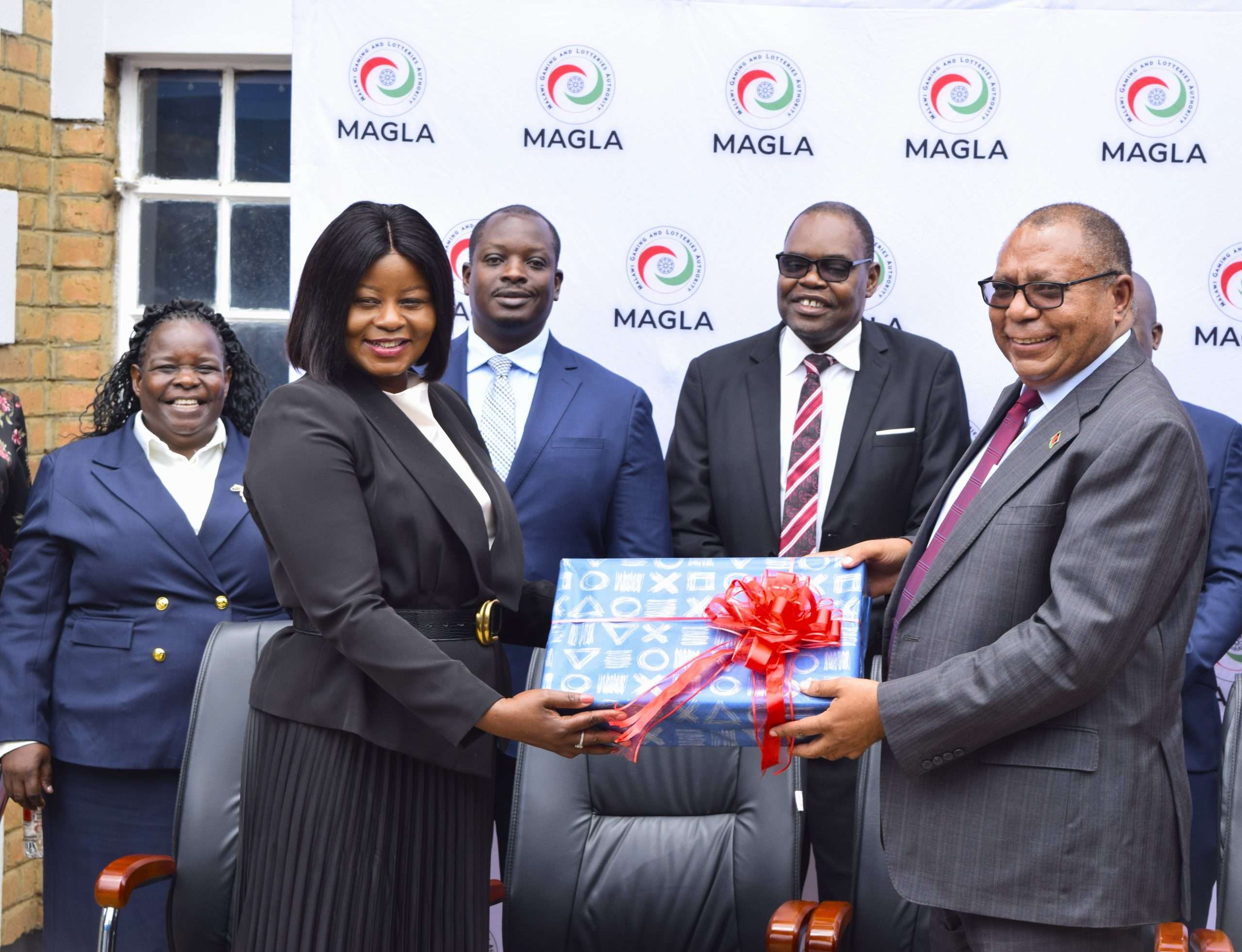
BLANTYRE-(MaraviPost)-Minister of Industrialisation, Business, Trade and Tourism, George Partridge, has commended the Malawi Gaming and Lotteries Authority (MAGLA) for its proactive leadership in promoting the responsible growth of the gambling industry while safeguarding young people and strengthening investor confidence.

The Minister made the remarks on Thursday during a strategic engagement with MAGLA management, which included a familiarisation tour aimed at deepening his understanding of the Authority’s operations, regulatory mandate, and strategic priorities.

Speaking during the engagement meeting, Partridge, said MAGLA’s approach demonstrates a strong commitment to balancing revenue generation, tourism development, and social responsibility, noting that gambling, when well regulated, can contribute meaningfully to the country’s economic growth.

“Gambling is an experience for both local and foreign consumers. It complements our tourism products and attracts more consumers, and when they spend more, government also benefits through increased revenue,” said Partridge.

He then applauded MAGLA for taking deliberate steps to address the social risks associated with gambling, particularly the protection of children and vulnerable groups.

“As a regulator of gambling, one of the major challenges is the negative effects of gambling on society and on children. We wanted to understand what MAGLA is doing to minimise these negative effects, and this is an area they are taking seriously,” he said.

The Minister also acknowledged operational challenges facing the Authority, including limitations in office infrastructure, and assured that government is aware of the impact such constraints can have on effective service delivery.

“They are operating from converted residential houses and are scattered across different locations, which makes administration a bit difficult. These are genuine concerns that government has taken note of,” said Partridge.

Commenting on the Minister’s visit, MAGLA Director General, Rachel Mijiga, described it as a strong show of government support for the gaming industry.

“We are grateful to the Minister for visiting MAGLA and for the guidance he has provided on how we can take the industry forward, particularly on responsible gambling and sustainable growth,” said Mijiga.

She said MAGLA is engaging betting operators on concerns surrounding the newly introduced betting tax and is working closely with key stakeholders to ensure a balanced approach.

“We are gathering insights from operators and will engage the Ministry of Finance and other stakeholders to arrive at a win-win situation for government, investors and the people of Malawi,” she said.

Looking ahead, Mijiga said MAGLA is projecting 60 percent growth in the gaming sector in the new financial year and will intensify responsible gambling initiatives.

“We will partner with responsible gambling agents and engage parents, guardians and school principals to ensure that under-18s do not participate in gambling,” she said.

She also highlighted the media’s role as a key partner in public awareness.

“The media shape public opinion and help us reach the youth and the wider public. They are a critical stakeholder in promoting responsible gambling,” said Mijiga.

The Maravi Post

“Political interference worsening fuel prices hikes”-Kapito

BLANTYRE-(MaraviPost)-The Consumers Association of Malawi (CAMA) has attributed the recent sharp fuel price hike to prolonged government and parliamentary interference in the operations of the Malawi Energy Regulatory Authority (MERA), arguing that the economic shock could have been avoided if the regulator had been allowed to operate independently.

Speaking to MaraviPost, CAMA Executive Director John Kapito said fuel prices would have increased gradually and with far less pain if MERA had been permitted to execute its mandate without political pressure.

Instead, he said sustained interference delayed necessary adjustments, culminating in a sudden and severe hike that has heavily burdened consumers.

Kapito argued that MERA’s hands were effectively tied by government actions, making it impossible for the regulator to conduct incremental price reviews that would have cushioned the public from a major shock.

He stressed that the blame should not fall on MERA staff, whom he described as professionals constrained by political decisions beyond their control.

“This situation is man made and it was avoidable,” Kapito said,
calling on government to “get its hands off MERA” and allow the institution to operate strictly within its legal framework. Where weaknesses exist in the law, he added,

Parliament should amend the Act rather than interfere with day to day regulatory decisions.

He warned that continued political interference would only prolong the suffering of ordinary Malawians, noting that undermining independent institutions erodes public confidence and weakens service delivery.

While acknowledging that higher fuel prices inevitably hurt consumers, Kapito emphasized that pricing should not be confused with availability.

He argued that selling fuel below cost creates scarcity, which ultimately drives prices even higher through black market trading.

He cited recent market experiences in which fuel shortages led to extreme price distortions, with consumers paying several times the official price simply because fuel was unavailable.

Kapito maintained that ensuring consistent fuel availability would restore mobility, support business activity and help the economy stabilize over time, even if the adjustment period remains painful.

Turning to unscrupulous traders, he issued a stern warning against exploiting the situation by unjustifiably hiking prices of goods and services beyond what is warranted by fuel adjustments.

He said consumer protection bodies, working closely with the media, would closely monitor markets in the coming weeks.

He also called on the media to play a constructive role by exposing abuses while giving consumers hope and confidence that their interests are being safeguarded.

However, he concluded that while traders must be held accountable, the primary responsibility lies with government.

The Maravi Post