Funding for Human Rights Organizations – including at the Grassroots Level – have Been Slashed Worldwide

Civil Society, Global, Global Governance, Headlines, Human Rights, International Justice, IPS UN: Inside the Glasshouse, TerraViva United Nations

Opinion

Volker Türk is UN High Commissioner for Human Rights

Human rights are positive, essential and attainable.

Human rights are positive, essential and attainable.

 
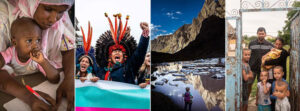
Photo: from left to right: UN/Harandane Dicko, © NurPhoto, © Betul Simsek, OHCHR Moldova
Credit: United Nations

GENEVA, Dec 11 2025 (IPS) – Human rights are underfunded, undermined and under attack. And yet. Powerful. Undeterred. Mobilizing.

This year no doubt has been a difficult one. And one full of dangerous contradictions. Funding for human rights has been slashed, while anti-rights movements are increasingly well-funded.


Profits for the arms industry are soaring, while funding for humanitarian aid and grassroots civil society plummets. Those defending rights and justice are attacked, sanctioned and hauled before courts, even as those ordering the commission of atrocity crimes continue to enjoy impunity.

Diversity, equity and inclusion policies that were adopted to address historical and structural injustices are being vilified as unjust. The prognosis would be incredibly dire if these were the only trends. But the pushback on human rights is facing pushback from a groundswell of human rights activism.

In Nepal, Serbia, Madagascar, Kenya, Bangladesh, Ecuador, Paraguay, the Philippines, Indonesia, Tanzania, Morocco, Peru and beyond, mostly young people have taken to the streets and to social media against inequalities, against corruption or repression, in favour of freedom of expression, and for their everyday essential rights.

People across the world have also been protesting against war and injustice, and demanding climate action, in places far from home, expressing solidarity and pressuring their governments to take action.

I urge governments around the world to harness the energy of these social movements into opportunities for broader transformational reforms rather than rushing to suppress them or label them as extremist threats to national security. They are, in fact, the exact opposite of threats to national security.

On the challenges I had set out earlier, here is some data:

Funding: Our resources have been slashed, along with funding for human rights organisations – including at the grassroots level – around the world. We are in survival mode.

My Office has had about USD 90 million less than we needed this year, which means around 300 jobs have been lost, and essential work has had to be cut, including on Colombia, the Democratic Republic of the Congo, Myanmar, Tunisia and other countries at a time when the needs are rising.

Special Rapporteur country visits and investigative missions by fact-finding bodies have also been reduced, sometimes drastically. Crucial dialogues with States on their compliance with UN human rights treaties have had to be postponed – last year there were 145 State party reviews, we are down to 103 this year.

We see that all this has extensive ripple effects on international and national efforts to protect human rights.

Meanwhile, anti-rights and anti-gender movements are increasingly coordinated and well-funded, operating across borders. According to the European Parliamentary Forum for Sexual and Reproductive Rights, for example, almost USD 1.2 billion was mobilized by anti-rights groups in Europe between 2019 and 2023.

There is significant money flowing into the anti-rights agenda from funders based in Europe, Russia and the United States of America. Such massive funding, coupled with media capture and disinformation strategies have made the anti-rights agenda a powerful cross-regional force.

Another distressing dataset is that from the Stockholm International Peace Research Institute (SIPRI). It says that arms and military services revenues for the 100 largest arms companies reached a record USD 679 billion in 2024. SIPRI has said demand was boosted by wars in Ukraine and Gaza, by global and regional geopolitical tensions, and ever-higher military expenditure.

There have been efforts this year to secure ceasefires and peace deals, which are certainly welcome. However, for peace to be sustainable, human rights must play a central role. There From prevention to negotiating to monitoring to accountability, recovery and peacebuilding.

And we need to do a reality check.

As we have seen in Gaza and in the eastern Democratic Republic of the Congo, agreements have yet to translate into effective protection of civilians on the ground.

Gaza remains a place of unimaginable suffering, loss and fear. While the bloodshed has reduced, it has not stopped. Attacks by Israel continue, including on individuals approaching the so-called “yellow line”, residential buildings, and IDP tents and shelters as well as other civilian objects.

Access to essential services and goods remain severely inadequate. In the West Bank, we are seeing unprecedent levels of attacks by Israeli forces and settlers against Palestinians, forcing them from their land. This is a time to intensify pressure and advocacy – not to sink into complacency – for Palestinians across the occupied territory.

Clashes between the DRC armed forces and the Rwandan-backed M23 armed group continue, alongside serious human rights violations and abuses. Civilians, again, are bearing the brunt. Overnight, you’ll have seen, there have been reports of thousands fleeing the densely populated South Kivu city of Uvira amid escalating clashes between the M23 and DRC armed forces, backed by Wazalendo militia.

This comes just days after the DRC and Rwanda reaffirmed their commitment to implement the June 2025 Washington Peace Agreement. Over the years, we have documented outrageous violations against civilians in Uvira, including rape and sexual and gender-based violence. The risk of a broader regional confrontation appears to be increasing.

In Sudan, the brutal conflict between the army and the Rapid Support Forces continues unabated. From Darfur and the Kordofans to Khartoum and Omdurman and beyond, no Sudanese civilian has been left untouched by the cruel and senseless violence. I am extremely that we might see a repeat of the atrocities committed in El Fasher in Kordofan.

In Ukraine, civilian harm has risen sharply. Civilian casualties so far this year are 24 per cent higher than the same period last year, largely due to Russia’s increased use of powerful long-range weapons in large numbers and its continuing efforts across broad front to capture further Ukrainian territory by armed force.

Large-scale attacks on Ukraine’s energy system have caused emergency outages and prolonged daily electricity cuts, disruptions to water and heating services in many areas. Urgent steps need to be taken to alleviate suffering, including the return of transferred children, the exchange of all prisoners of war, and the unconditional release of civilian detainees held by Russian authorities.

For any sustainable peace to be negotiated, it is important that confidence-building measures are taken, grounded in human rights, including steps to alleviate civilian suffering, promote accountability and preserve a basis for future dialogue. And, importantly, women need to be a part of this process.

It is imperative that peace deals and ceasefires are secured and implemented in good faith. And with full respect for international law, which can never be set aside for political convenience.

It is also critical to counter the demonization of and hatemongering rhetoric against migrants and refugees. In various countries, worryingly, we are seeing violent pushbacks, large-scale raids, arrest and returns without due process, criminalization of migrants and refugees and those who support them, as well as the outsourcing of responsibilities under international law.

I urge States to embark on an evidence-based policy debate on migration and refugee issues, anchored in international human rights and refugee law.

In the course of many electoral campaigns this year, we have also seen a pattern of democratic backsliding, restrictive civic space and electoral violence.

Myanmar’s upcoming military-imposed “election”, is accompanied by new waves of acute insecurity and violence, continued arrests and detentions of opponents, voter coercion, the use of extensive electronic surveillance tools and systemic discrimination. I fear this process will only further deepen insecurity, fear and polarization throughout the country.

There is, unfortunately, never a shortage of human rights challenges to face, issues to resolve, and values to defend. What is heartening is that there are so many of us, around the world, attached to the same universal human rights values – no matter the noise, the gaslighting, and the persistent injustices.

I am energized by the social movements – particularly those led by young people. They are writing the latest chapters in the time-honoured struggle for our collective humanity and dignity. Journalists, activists, and human rights defenders have been at the forefront of the global movement for freedom, equality and justice.

Such perseverance has achieved landmark victories for the rights of women, migrants, people discriminated against on the basis of descent, minorities, our environment, and so much more.

And we will continue to persevere.

IPS UN Bureau

  Source

High Court Judge Mzonde Mvula calls for reforms in handling sexual offence cases

By Zakeyu Mamba

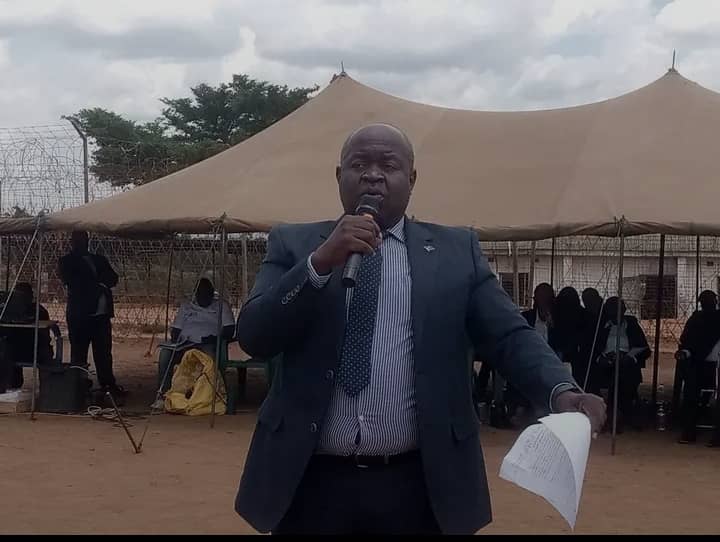
LILONGWE-(MaraviPost)-High Court Judge Mzonde Mvula has called for reforms in the way sexual offence cases are handled, warning that inadequate scrutiny can sometimes lead to the conviction of innocent people.

He emphasized that justice must be administered carefully and fairly to protect both victims and the accused.

Judge Mvula made the remarks during a Human Rights Commemoration event held at Maula Prison in Lilongwe, where he was the guest of honour.

Addressing inmates, prison officials, and other stakeholders, he noted that sexual offence cases are among the most complex and sensitive matters before the courts.

As a result, he said, they require thorough investigation and careful evaluation of evidence.

He explained that in some countries, courts and investigators have embraced scientific methods such as DNA analysis to help establish the truth in sexual offence cases.

According to Judge Mvula, the use of such scientific evidence has significantly reduced the risk of wrongful convictions in those countries.

He stressed that adopting similar approaches would help ensure that justice is delivered accurately and fairly.

Judge Mvula further highlighted his personal experience on the bench, revealing that out of 30 sexual offence cases he had handled, only eight were proven beyond reasonable doubt that the accused had actually committed the crimes.

This, he said, demonstrates the danger of rushing to conclusions without proper and comprehensive examination of evidence.

He also noted that judges are sometimes tasked with responding to complaints from inmates who argue that some laws appear to favour girls and women more than men.

While acknowledging the importance of protecting vulnerable groups, Judge Mvula said the justice system must remain balanced and impartial.

His remarks were met with loud applause from inmates, many of whom expressed appreciation and agreement with his views.

Judge Mvula underscored the importance of reforming investigative and judicial processes in sexual offence cases to safeguard human rights.

He said embracing scientific methods and ensuring deeper scrutiny would strengthen public confidence in the justice system and help prevent the punishment of innocent people.


Discover more from The Maravi Post

Subscribe to get the latest posts sent to your email.

The Maravi Post

Would gender-based violence end with us?

Gender Violence
Would gender-based violence end with us?

By BOBBY RAMAKANT – CNS

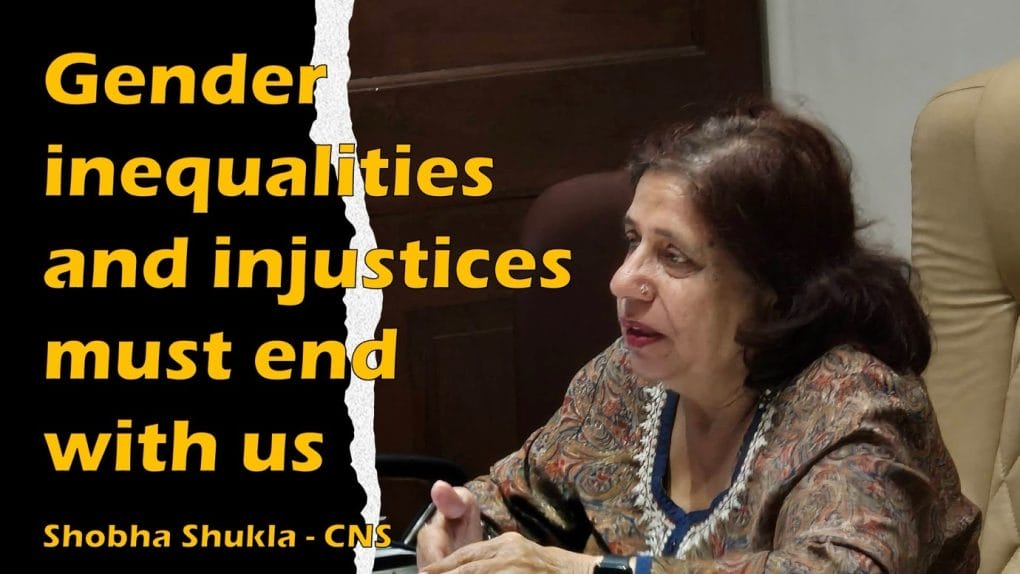
“Let us pledge that gender-based violence will end with us. For how many generations and centuries will we bear the brunt of gender-based violence? We are not asking for mercy from men or boys – we are asking for our right to live with equality and justice – just like them. Enough is enough. Full Stop.” These were the words of keynote speaker Shobha Shukla at Africa’s Speak Up and Heal Summit organised by African Girls Empowerment Network to mark International Human Rights Day.

She said she has survived violence and would like to know who among the audience has not faced any kind of gender-based violence, be it emotional violence, emotional trauma, physical or sexual violence, or a guilty flush of shame when gaslighted? No hand went up – it was such a chilling moment to realise how highly prevalent gender-based violence could be.

“The Question is, why is violence against women and girls so normalised? Why do we have to live with it?” she said. Shobha Shukla is a noted feminist and development justice advocate, and hosts SHE & Rights (Sexual Health with Equity & Rights) initiative as well as leads Asia Pacific Media Alliance for Health, Gender and Development Justice (APCAT Media) and CNS.

Sadly there is hardly any change in violence against women since 2000. “As girls and women – we cannot accept a pathetic annual drop of 0.2%” said Shobha. In the last 25 years, annual decline in intimate partner and sexual violence is abysmally low at 0.2%. “In other words, 99.8% – of total number of women and girls who faced violence, remained same – year after year. This is so pathetic and unacceptable.”

Almost half of the countries globally have no comprehensive legislative policies and laws to address domestic violence

“While 165 out of 193 countries have domestic violence laws but only 104 countries have comprehensive legislative policies and laws in place. Or in other words, nearly half (48%) of the countries LACK comprehensive legislative policies and laws in place to address the various forms of domestic violence. Even in those countries where laws exist, funding to address domestic violence is not adequate – rather it has declined since 2022,” said Shobha Shukla.

“So, when we read that 1 in 3 women worldwide has experienced physical or sexual violence at least once in her lifetime, this is a gross understatement. Actual violence rates must be very high – which is so very alarming and painful,” she added.

If we are to walk the talk on ending sexual and all other forms of gender-based violence, including digital violence, we must translate words into stronger actions – dismantle patriarchy, and rethink, and rebuild feminist health and development systems.

Agrees Dr Pam Rajput, a noted feminist and gender justice leader who currently serves as Emeritus Professor in Panjab University. She is also the former Chairperson of Government of India’s High-Level Committee on the Status of Women.

Dr Pam said that: “The preamble of the United Nations adopted by all governments begin with the 3 words: “We the people…” and not ‘We the men.’ Gender equality is enshrined in the UN Charter since 1945. But have we walked the talk?

“Gender equality is also enshrined in Universal Declaration of Human Rights and legally binding UN treaty CEDAW (Convention on the Elimination of all forms of Discrimination Against Women) of 1979. Governments also committed to address violence against women in CEDAW. In 1993, world leaders at the United Nations General Assembly passed a resolution to eliminate gender-based violence. In 1995, UN Conference on Women in Beijing and its landmark Beijing Declaration and Platform for Action committed governments to address violence against women too,” she added.

16 Days of Activism against gender-based violence began in 1991 because of feminist civil society leaders. Later in 2008, then UN Secretary General Ban Ki-moon announced UNITE to end violence against women campaign which has gained strong momentum since then, said Dr Pam Rajput. “Despite so many agreements and declarations to end violence against women and girls, the question remains why the rates have not declined?”

Violence against women and girls is a violation of human rights, rooted in gender inequality and an impediment to sustainable development.

“Boys and men for centuries of the disease of patriarchy – have grown up with the wrong notion that they have rights, entitlements and privileges which females do not have. I often wonder that “Why is it that men work from sun to sun, and women’s work is never done?” asked Shobha Shukla, who was the Lead Discussant for SDG-3 at the intergovernmental United Nations High Level Political Forum (UN HLPF 2025) in New York. “From waking up early in the morning to prepare breakfast for everyone – to making kids ready to go to school – or feed men to go to work – and may be go to her own work too – she also takes care of all or most of household chores – and then puts her kids to sleep and her husband to sleep – before it is another day! Her work is never done. Also, perhaps when it is holiday for everyone – weekends or festivals or family functions – she has even more work to do! Can she get a break – without any guilt? And can men and boys share household chores?”

“There is no genetic disposition that makes a male more special than a female. There is no genetic disposition that makes women carers and household workers and bars men from doing so – but patriarchy makes us wrongly think like this. It is wrongly instilled in girls since their infancy that it is their duty to care for others in the role of a sister, wife or mother, and disregard their own self,” said Shobha Shukla.

“And if we expect boys and men will give up their rights, entitlements and privileges on their own calling or give them up easily we are in delusion – because it is the patriarchal rights, privileges and entitlements which let boys and men enjoy life full of opportunities, hopes and aspirations, and make us females highly vulnerable to violence and dependent on them,” she added. “These patriarchal privileges, rights, and entitlements are not only limited to gender-based inequities we suffer, but also rob us of economic rights, work force participation rights, education rights, social justice and cultural rights.”

Until we dismantle patriarchy we cannot breathe free

“Gender-based violence takes several forms, including emotional violence and trauma – one of the most heinous crimes that most often goes unreported and unseen – also there is hardly any legal mechanism to seek justice. Whether we call it gaslighting or other terms, all our hearts are ripped by emotional violence and trauma and scars,” said firebrand feminist leader Shobha.

“One of the latest forms of gender-based violence is digital violence – all of us face it on a daily basis. Fear or apprehensions of accepting phone calls from unknown numbers, or abuses or sexually explicit messages on social media – or gaslighting and threats on social media when we dare to speak up and heal – and reclaim our rights, entitlements and privileges – all of us face it and struggle against it too,” she said.

“But the root cause remains the same which gives a wrong notion to the male perpetrator that it is ‘okay to do so’ and also gives a wrong feeling to us – the females – that we have to live with it or keep our mouths shut – and deny ourselves the benefits of digitalisation and online world. But it is not our destiny to face this. We have to course correct this – and fight for it. And speak up, heal and reclaim our due rights, privileges and entitlements,” added Shobha Shukla.

“We have to look inwards and undo patriarchal ‘programming’ that is wrongly seeping inside us like a virus in a computer. Do we realise that we – women and girls – are also infected with patriarchy? Are we not ‘conditioned’ since our childhood to accept so many harmful gender and social norms, narratives and stereotypes? And think that they are ‘normal’? When they are actually abnormal and grossly wrong?” she asked.

“Think of female genital mutilation or cutting – is it normal? But over 230 million girls and women globally live with it and they come from certain patriarchal societies that wrongly ‘normalise’ it,” said Shobha.

Agrees Dr Huda Syyed, Founder of Sahara Sisters’ Collective and part of Asian Network to end female genital mutilation/ cutting (FGM/C), Australia: “Governments committed to deliver on SDGs by 2030 – one of the SDG-5 targets is to end female genital mutilation or cutting. But UNICEF report 2024 shows that over 230 million girls and women worldwide had undergone female genital mutilation or cutting (FGM/C) – over 80 million girls and women in Asia underwent female genital mutilation or cutting in 2024. Instead of a decline, there was 15% increase in female genital mutilation or cutting in 2024 compared to 8 years ago.”

“We cannot meet SDGs when half the population is harmed, silenced or excluded. Development justice demands that policies centre women’s safety, agency, and bodily integrity,” added Dr Huda who was speaking at SHE & Rights session together hosted by Global Center for Health Diplomacy and Inclusion (CeHDI), Women Deliver Conference 2026, International Planned Parenthood Federation (IPPF), Asian-Pacific Resource and Research Centre for Women (ARROW), Women’s Global Network for Reproductive Rights (WGNRR), Asia Pacific Media Alliance for Health, Gender and Development Justice (APCAT Media) and CNS.

According to United Nations Population Fund (UNFPA), female genital mutilation or cutting (FGM/C) can never be ‘safe,’ and there is no medical justification for the practice. Under any circumstances, FGM/C violates the right to health, the right to be free from violence, the right to life and physical integrity, the right to non-discrimination, and the right to be free from cruel, inhuman or degrading treatment. When performed in a clinical setting, FGM/C violates medical ethics.

“Ending female genital mutilation or cutting in Asia and globally is not a marginal issue rather it is a central issue to gender and development justice as well as central to bodily autonomy, public health, right to equality, human rights, children’s rights and girl child rights. Patriarchal notions of women’s bodies which are shaped into shame and secrecy need to be challenged and dismantled,” said Dr Huda.

“Boys and men wrongly think they are born to enjoy more rights, entitlements and privileges – and perpetrate violence of all forms at all ages – and we girls and women and gender diverse persons wrongly feel that we are destined to ‘accept’ and remain ‘silent.’ Why is it always the woman or the girl who has to adjust, conform, or be silent or be silenced?” asked Shobha. “We are born free – be it a male or female child or of any other gender. So you and I also have a right to breathe free from fear of any form of gender-based violence – and enjoy full rights, entitlements and privileges like men.”

“In addition to rethinking, rebuilding and rising ourselves, we all have to unite together to denormalise and counter harmful social norms, narratives and stereotypes that reek of gender prejudices. We have to call upon our governments to deliver a life of equality for all without any discrimination or prejudice,” she added. “We were born equal so we deserve and need an equal life of opportunities, daring, hope, and aspirations.”

End gender-based violence along with striving for economic and social justice

“While we fight together to end all forms of gender-based violence, my sisters, resisters and persisters – I appeal to you to also fight for your social rights and economic rights. There is no gene that makes a man more intelligent than women. But there is a ‘disease’ called patriarchy which makes him think like that. Is the same ‘disease’ making us think like that? Do we feel ‘men can do better’ in education and economic activities?” asked Shobha Shukla.

“All girls must receive the same education and equitable and just opportunities in life to follow their dreams – work-wise, economic justice-wise as well as income-wise – with parity, justice and dignity – and with zero guilt. We have to earn and have full control on our finances. We have to make investment decisions about our money too – we will err because to err is human – men also err so what is the big deal about it? We will learn and become better with finances,” asserted Shobha Shukla who leads CNS.

“We have a right to relax, have a weekend off, or go out for a movie – is this not normal for boys and men? Then why not for us? But when we do this, it is the ‘disease’ patriarchy that makes us all feel guilty. Uproot the disease out of us first,” said Shobha.

Gender equality and human right to health are fundamental human rights, reminds Shobha – as it is enshrined in numerous global commitments, agreements and declarations. But we need to bridge the gap between ‘words’ and ‘deeds.’

Bobby Ramakant – CNS (Citizen News Service)

–              Shared under Creative Commons (CC)


Discover more from The Maravi Post

Subscribe to get the latest posts sent to your email.

The Maravi Post

Chihana Calls for collective action against human rights violation

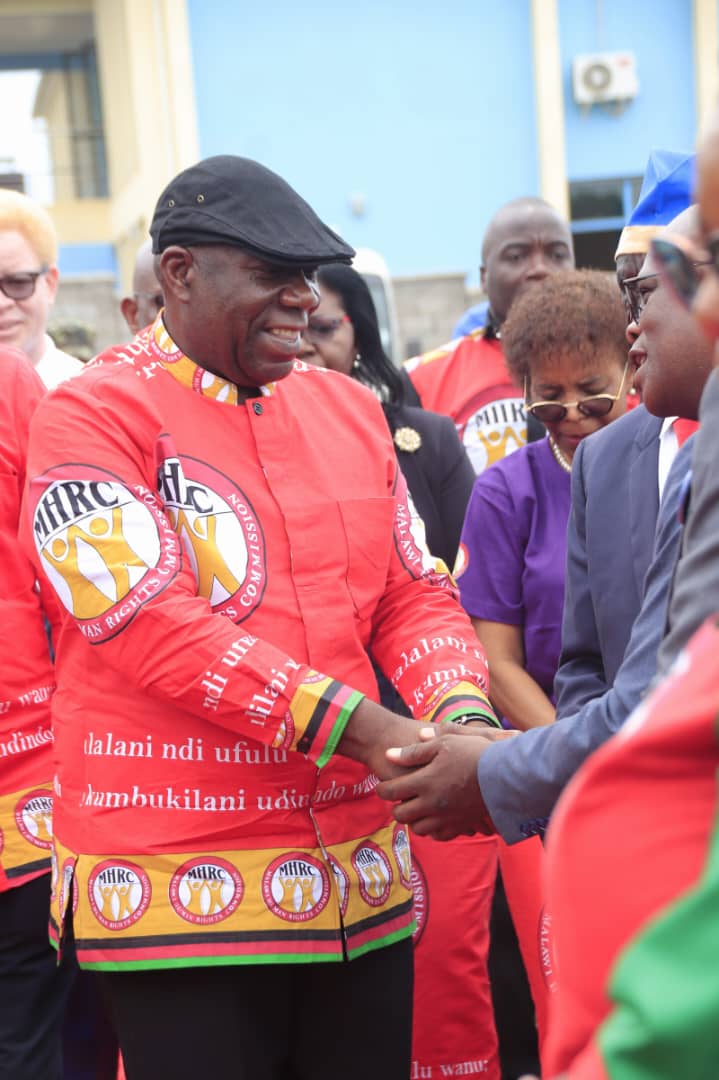
NKHATA BAY-(MaraviPost)-The Waterboard Ground in Nkhata Bay came alive on Wednesday as the Second Vice President, Enock Kanzingeni Chihana, led national commemorations for the 2025 International Human Rights Day, delivering a powerful call for unity, accountability and daily respect for human dignity.

Speaking on behalf of President Professor Arthur Peter Mutharika, Chihana said this year’s theme, “Human Rights: Our Everyday Essentials,” reminds Malawians that rights are not distant concepts but the very foundation of dignified living.

He noted that the commemoration coincides with the 77th anniversary of the Universal Declaration of Human Rights, a global milestone born after World War II to safeguard the dignity and equality of all people.

As the world approaches the 2030 Sustainable Development Goals deadline and the United Nations marks 80 years of existence, Chihana said Malawi must reflect on its progress with sincerity.

The Second Vice President reaffirmed Malawi’s commitment to international treaties such as the International Covenant on Civil and Political Rights and the Convention on the Elimination of All Forms of Discrimination Against Women.

He highlighted laws like the Child Care, Protection and Justice Act, the Gender Equality Act and the Disability Act as the backbone of the country’s human rights protection framework.

Chihana applauded constitutional bodies including the Malawi Human Rights Commission (MHRC), the Office of the Ombudsman and the Legal Aid Bureau for ensuring that rights enshrined in the Constitution are upheld.

He celebrated the MHRC’s A-status accreditation under the Global Alliance of National Human Rights Institutions, calling it proof of the Commission’s independence and professionalism.

As the event also marked the end of the global 16 Days of Activism Against Gender-Based Violence, Chihana reflected on continued human rights violations: violence against women and girls, HIV-related stigma, barriers faced by persons with disabilities and the corrosive impact of corruption.

He emphasized that this year’s theme means translating rights into everyday life—clean water, respectful health care, accessible education, functional justice systems and safe communities.

Using Nkhata Bay’s lakeshore communities as an example, he said government’s efforts must reach people where they live.

Chihana outlined six national priorities: strengthening health systems, expanding access to justice, protecting children from exploitation, promoting inclusion for persons with disabilities, advancing economic and social rights, and intensifying efforts to end gender-based violence.

He added transparency and accountability as essential pillars for ensuring public resources benefit intended communities.

The Vice President reaffirmed government’s commitment to adequately funding the Malawi Human Rights Commission, protecting its independence and enhancing collaboration with the Ombudsman and the Legal Aid Bureau.

He also thanked development partners including UNDP, Iceland and Norway for supporting the Commission and human rights initiatives.

He reminded the nation that defending human rights is a shared responsibility that begins in homes, schools, workplaces and communities.

He urged Malawians to stand against violence, oppression, discrimination and corruption while supporting survivors and respecting diversity.

Chihana concluded by assuring the nation that President Mutharika remains committed to strengthening institutions and partnerships that uphold human rights.

He praised civil society, faith leaders, media workers and traditional authorities for their continued role in advancing justice and dignity.


Discover more from The Maravi Post

Subscribe to get the latest posts sent to your email.

The Maravi Post

Who is going to console Mary over her husband former Malawi VP Saulos Chilima’s death?

Mary Chilima still struggling to understand her husband’s death

…….Mary says she still struggles to understand the death of her husband

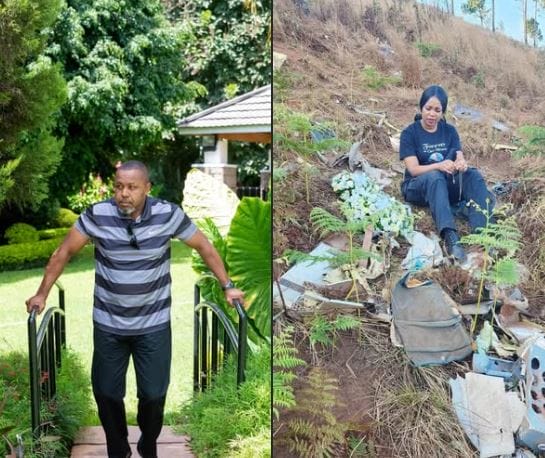
MZUZU-(MaraviPost)-Mary Chilima, widow of Malawi’s former Vice President Saulos Klaus Chilima, says she is still grappling with the pain and unanswered questions surrounding her husband’s death one year and six months after the tragic military aircraft crash that claimed his life.

Dr. Chilima, along with eight other Malawians, died on June 10, 2024, when a Malawi Defence Force Dornier 228 aircraft crashed in the Chikangawa Forest in Nkhata Bay District.

The delegation was en route to attend the funeral of former Attorney General Ralph Kasambara, a close friend of the late vice president.

In a heartfelt post shared on her social media page this morning, Mary Chilima expressed that the loss remains deeply painful.

“One year, six months. Tidakalirabe Saulos… A painful death. An incomprehensible death. Aaah” she wrote.

Her remarks come as the nation continues to wait for clarity on the crash investigation.

Last month, Minister of Justice Charles Mhango told Malawi Parliament that his ministry was in the process of reviewing all available reports regarding the aircraft accident involving Dr. Chilima.

Mhango said once the review is complete, the ministry will submit its findings to President Lazarus Chakwera and advise whether a further investigation is necessary.

But how will Mary going to be consoled over her husband’s death?


Discover more from The Maravi Post

Subscribe to get the latest posts sent to your email.

The Maravi Post

CDEDI Chief Namiwa shines at 2025 Human Rights Defenders Awards

MZUZU-(MaraviPost)-Second Vice President Enock Kanzingeni-Chihana, on Tuesday evening arrived at Grand Palace Hotel in Mzuzu to preside over the 2025 Human Rights Defenders Awards Dinner, an event marking this year’s commemoration of Human Rights Day.

The occasion brings together activists, institutions and leaders to reflect on the country’s progress in protecting and promoting fundamental freedoms.

The annual awards celebrate individuals who have shown outstanding courage in defending human rights, often under difficult and hostile circumstances.

This year, two defenders were recognised for their contributions over the past twelve months.

Chairperson of the Independent Awards Panel, Justice Redson Kapindu, urged human rights advocates not to relent in their mission, stressing that Malawi must never slide back into the era of oppression.

He said the role of human rights defenders remains central to safeguarding democracy, justice and accountability.

According to Justice Kapindu, this year’s awardee is someone who demonstrated remarkable bravery and consistency despite facing significant challenges in the field.

The 2025 Runner-Up Award went to Silvester Namiwa of the Centre for Democracy and Economic Development Initiatives (CDEDI), honoured for his resilience and outspoken advocacy on governance and civil liberties.

The Human Rights Defender of the Year Award was presented to Maggie Kathewera Banda, recognised for her exceptional leadership in championing the rights of women, girls and other marginalized groups.

Kapindu noted that Kathewera Banda’s work has been instrumental in pushing for equality and amplifying the voices of vulnerable communities.

Over the past years, the awards have highlighted notable defenders.

In 2023, CHREEA claimed the top award with Tusaiwe Yana as runner-up, while in 2024, lawyer Alexious Kamangira was honoured as Human Rights Defender of the Year.

This year’s ceremony reaffirmed the critical role defenders continue to play in strengthening Malawi’s human rights landscape, reminding the nation of the ongoing need for vigilance, courage and commitment.


Discover more from The Maravi Post

Subscribe to get the latest posts sent to your email.

The Maravi Post