Do we Really Need a World Ranking to Measure Happiness?

Aid, Asia-Pacific, Civil Society, Environment, Global Governance, Headlines, Inequality, Population, Poverty & SDGs, Sustainability, TerraViva United Nations

Opinion

Credit: UN Women

KATHMANDU, Nepal, Mar 29 2022 (IPS) – The 10th edition of the World Happiness Report was recently published and once again the findings raised an array of mixed emotions with many questioning the real foundations underpinning the most discussed aspect of the Report, the World Happiness Ranking,


For example, according to the ranking, Nepal appears to be the happiest place in the South Asia but is it really the case? Many experts from the country doubt about it as it was reported by The Kathmandu Post on the 22nd of March.

In the article, Dambar Chemjong, head of the Central Department of Anthropology at Tribhuvan University simply asks “What actually constitutes happiness?”

This is a complex question to answer but certainly it is fair to wonder how come each time this report gets published, it is inevitable that the richest nations, especially the Nordic ones come up on the top while the poorest and more fragile ones instead are hopelessly at the bottom.

There is no doubt that material prosperity determines a person’s quality of life and the World Happiness Report looks at GDP and life expectancy. In addition, the report also explores other factors like generosity, social support, freedom, and corruption.

These six variables, put together, are central to depict what the report calls “life evaluations” that “provide the most informative measure for international comparisons because they capture quality of life in a more complete and stable way than emotional reports based on daily experiences”.

The ranking is based on the Gallup World Poll, that asks “respondents to evaluate their current life as a whole using the mental image of a ladder, with the best possible life for them as a 10 and worst possible as a 0”.

One of the key findings is that social connections in dire times, especially if we think about what the entire world had to endure following the pandemic, do make the difference.

“Now, at a time of pandemic and war, we need such an effort more than ever. And the lesson of the World Happiness Report over the years is that social support, generosity to one another, and honesty in government are crucial for well-being” says Jeffrey Sachs, one of the major “architects” behind the entire concept of measuring happiness worldwide.
This statement further validates the need to further think more broadly about the importance these social relationships and social bonds have in developing nations.

That’s why analyzing happiness across nations should be considered as a working progress and the goal should be to better picture the complex situations on the ground in many parts of the developing world.

These are all nations that have been experiencing hardships consistently, even before the Covid pandemic outbreak and, therefore, they should be acknowledged for having developed unique forms of social bonds and solidarity.

Instead, these social factors, these connectors and the levels of reliance stemming from them in these “unhappy” nations”, are overshadowed by some of the variables determining the life evaluations.

People in developing nations have less access to public services and they are more exposed to corruption and bad governance. Lack of health infrastructures or unequal job market do have a strong incidence in determining a person’s human development and quality of life.

Yet does the fact that their lives are tougher automatically means people are there are unhappy?

Moreover, should not we consider the stress and mental health often affecting the “prosperous” lives of the citizens living in the north of the world?

Probably the problem is the idea of having a ranking itself. Though desirable and useful, measuring real happiness is a daunting and complex job.

Trust, benevolence, real generosity (not just the extrapolated, like in the report, based on donations during the last month) are all key determinants of happiness.

Yet these same factors have always been strong in developing societies where people rely on mutuality and self-help rather than depending on governments unable to fulfill their duties.

As it is now, the World Happiness Ranking risks to become just a “plus” version of the Human Development Index.

There is still a long way to better decipher and understand the meaning of happiness in the so called South of the World.

There is also a great need for the authors to better explain in simpler terms their methodology of calculating the ranking especially the relationships between the six key variables analyzed and positive and negative emotions that are also taken into consideration.

The fact that the ranking and the science behind the report is still a working process, it is recognized in the report itself.

An option would be to re-consider the variables of “life evaluations” that, by default, underscore the concept of wellbeing from a western perspective.

On the positive side, it is encouraging to see how the report includes also a part on “cross-Cultural Perspectives on Balance/Harmony”, central if we want to have a less westernized approach to happiness.

The 2022 edition of the Report devotes also considerable space to the biological basis of happiness, the relationships between genes and environment, what the report calls “Gene-Environment Interplay”.

Such nexus, affecting a person’s feelings and emotions and all the intricacies coming from these interactions, should make us reflect if it is really worthy to continue pursuing the goal of having an annual global ranking on happiness.

The idea of a ranking on happiness risks defeating the purpose of the gigantic and noble effort of better understanding how we can be happier and how public policies can have a role or not in these unfolding dynamics.

Simone Galimberti is Co-Founder of ENGAGE, an NGO partnering with youths living with disabilities. Opinions expressed are personal.

IPS UN Bureau

  Source

Youths Trailblazing Paths in Sexual and Reproductive Health Ahead of ICFP Family Planning Conference

Featured, Gender, Global, Headlines, Population, Poverty & SDGs, TerraViva United Nations, Women’s Health, Youth Thought Leaders

Youth Thought Leaders

Youth activists Peace Umanah, from Nigeria and Aurelia Naa Adjeley Sowah-Mensah from Ghana ensure that young people are made aware of their Sexual and Reproductive Health Rights. Credit: ICFP

Nairobi, Kenya, Mar 16 2022 (IPS) – Travelling in northern Nigeria, Peace Umanah noticed teenage girls with multiple children – they would be walking with one strapped to their back, holding another by hand and with a protruding belly.


“These were worrisome sights that got me thinking about whether these young girls knew about contraceptive choices or if they were not given information to make beneficial decisions.”

The same question weighed heavily on young Aurelia Naa Adjeley Sowah-Mensah from Ghana, who grew up in a community where teenage pregnancies are common – mirroring the situation in many developing countries.

These questions set the young women on a trailblazing path to change the trajectory of adolescent and teenage pregnancies in their countries.

The pair have joined forces with other young people, world leaders and actors in Sexual and Reproductive Health and Rights (SRHR) to give young people in every corner of the world much-needed tools to navigate their sexuality. They hope to remove SRHR-related challenges to enable young women to benefit from socio-economic growth and development opportunities.

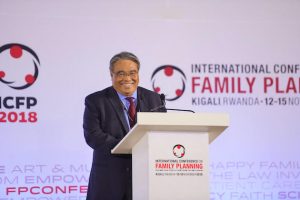
“Through the International Conference on Family Planning (ICFP) Youth Trailblazer Award, young leaders in the field of family planning and SRHR aged 18-35 years old were invited to submit creative short videos that integrate this year’s conference theme,” says Jose G Rimon II, director of the Bill and Melinda Gates Institute for Population and Reproductive Health at the Johns Hopkins Bloomberg School of Public Health.

Jose G Rimon II, director of the Bill and Melinda Gates Institute for Population and Reproductive Health at the Johns Hopkins Bloomberg School of Public Health. Credit: ICFP

Rimon II, who is also the chair of ICFP’s International Steering Committee, tells IPS the videos “also highlighted youth perspectives, experiences, and voices in family planning and SRHR”.

The videos reflected the conference’s theme: ‘Universal Health Coverage and Family Planning: Innovate, Collaborate, Accelerate’.

Sowah-Mensah and Umanah were among 50 youth leaders working in family planning and SRHR awarded scholarships to attend ICFP this year in Pattaya City, Thailand, on November 14-17, 2022.

Other award winners include Tanaka Chirombo from Malawi, Alison Hoover from Atlanta, USA, and Muhammad Sarim (Saro) Imram from Pakistan.

Awardees are from countries in Africa, Asia, Europe, North and South America, selected from a pool of more than 300 youth worldwide who applied for the Youth Trailblazer Award. The award recognises youth leadership and innovation in family planning and SRHR.

“Selected youth demonstrated strong ideas and commitment, creative thinking that pushed the field forward and challenged norms, and successfully conveyed a clear and powerful message,” says Rimon II.

Youth Trailblazer Award winners will be integrated throughout the ICFP, the world’s largest scientific conference on family planning and reproductive health, to amplify and highlight the voices of young leaders globally, he adds.

“Awardees will actively participate in planning activities for the ICFP, including integral participation on the ICFP subcommittee(s) of their choice, engagement as speakers and moderators at sessions, as well as other conference engagement opportunities that will magnify the voices, perspectives, and experiences of the youth.”

Youth participation will bring to life ICFP’s stance that countries’ universal health coverage packages should include youth-friendly family planning and SRH products and services.

“As of 2021, the modern contraceptive prevalence rate shows only 17 percent of all women of reproductive age in Nigeria use contraceptives,” Umanah says.

In the absence of youth-friendly services, myths and misconceptions influence young people’s understanding of contraceptives. She says they sometimes use lime, soda, antibiotics, and salt to prevent unplanned pregnancies.

Adolescent and teenage pregnancies are the most pressing issues. Consequences include life-threatening health complications and the risk of missing out on lifelong learning and earning opportunities.

According to government statistics, one in every five girls in Kenya between the ages of 15 to 19 is either pregnant or already a mother. Complications during pregnancy and childbirth are a leading cause of death for 15- to 19-year-old girls in this East African nation.

As a youth champion engaging adolescents and young people, Umanah says the cohort needs safe spaces free of stigma and judgment, where they can find answers and solutions to their SRHR needs.

“For young women and girls, being able to speak up and be heard is critical. Social media tools, such as 9ja Girls Now, gives girls a platform to get connected across distances,” Umanah observes.

“9ja Girls is a Facebook platform and a safe space where girls learn and ask questions about love, life and health and find answers.”

Sowah-Mensah is an SRHR mentor of adolescent girls and young women under the Girl Boss initiative with the Youth Action Movement (YAM) of the Planned Parenthood Association of Ghana.

Without support, Sowah-Mensah says, “some girls exchange sex for food or money, ending up in unplanned pregnancies. To avoid stigma, they turn to unsafe ways (to terminate the pregnancy), such as grinding and consuming glass bottles or drinking a mixture of sugar and alcohol. Some lose their lives.”

A dedicated ICFP Youth Pre-conference will take place November 11-13 to support youth leaders and their programmatic work, advocacy, and research.

Rimon II says youth involvement is the “best way to ensure diverse voices are heard and strategies are developed that are sustainable, inclusive, culturally competent and representative of sexual and reproductive health and rights at the global level.”

SRHR youth experts such as Sowah-Mensah and Umanah agree.

Sowah-Mensah says young people are the demographic majority and a powerful instrument for development because they have many innovative ideas.

“But a large percentage of our leaders are not young and are thus unable to address young people’s most pressing needs for SRHR services. You have one generation making bodily autonomy decisions on behalf of a totally different generation,” she says.

The awardees assert that the status quo must change to achieve a desirable outcome. Umanah says, “In designing solutions to challenges that face adolescent girls and young women, their concerns and voices should be the loudest. They should lead conversations towards desired solutions.”

ICFP is supported by the Bill and Melinda Gates Institute for Population and Reproductive Health at Johns Hopkins University and more than two dozen other public, private, and non-profit sponsors, including the World Health Organization and United Nations Population Fund.

[embedded content]

IPS UN Bureau Report

  Source

It’s Time to Step up for Street Vendors’ Rights

Asia-Pacific, Civil Society, Headlines, Labour, Poverty & SDGs

Opinion

Street Vendors Act - Since the passing of the act around seven years ago, only a minor fraction of its extensive recommendations has been implemented. Picture courtesy: Adam Cohn.

Since the passing of the act around seven years ago, only a minor fraction of its extensive recommendations has been implemented. Picture courtesy: Adam Cohn.

MUMBAI, India, Mar 2 2022 (IPS) – In the second week of January 2022, Purushottam—locally known as Prashant—a street vendor in central Delhi’s Connaught Place area, died by suicide. It was later discovered that the reason for his death was his inability to pay certain debts.


Ground reports show that, since November 8, 2021, approximately 150 street vendors in Connaught Place, including Purushottam, have lost their livelihoods due to forced eviction by municipal authorities.

Over the past few years, the vast population of vendors has reported facing repeated harassment or eviction at the hands of the police, local authorities, and society. Therefore, street vendors remain marginalised and their situation grows increasingly precarious, despite the fact that they are protected by the law

It is a complex combination of pressures from market traders’ associations, insensitive court orders, bureaucracy, and non-existent planning standards that have disallowed street vending—one of the largest economies for self-employed workers—in Connaught Place.

This removal of street vendors has further been replicated in other well-established markets of Delhi such as Lajpat Nagar, Sarojini Nagar, and Chandni Chowk, and is now being extended to other cities across India.

What the Street Vendors Act 2014 guarantees

In 2014, the central government passed the Street Vendors (Protection of Livelihood and Regulation of Street Vending) Act based on Article 21 of the Constitution of India—the right to live with dignity. As the title suggests, the act is designed to ‘protect’ and ‘regulate’ street vending in urban areas.

Till 2014, street vending was an ungoverned territory where ‘regulation’ meant the removal of vendors, who were considered illegal and unfit to be in cities. The Street Vendors Act 2014 attempted to change this mindset in the following ways:

  • It acknowledged vendors as an integral part of Indian cities and granted legal recognition to them by protecting them from evictions till they were surveyed.
  • The act created a governance framework that is participatory and decentralised, and primarily led by the town vending committees (TVCs) located in urban local bodies. TVCs are in charge of enumerating, identifying, and allocating vending zones in a city. Each TVC requires at least 40 percent of its members to be street vendors, with the rest of the committee including representation from local authorities, planning authorities, police, residential welfare associations, nonprofits, and market associations.
  • It allowed street vendors to be included in the city planning process by letting up to 2.5 percent of the city population engage in street vending.
  • It specifically mandated prevention against eviction and harassment.
  • The act laid out various inclusionary measures for the legal support and promotion of street vending through vendors’ welfare, training, and capacity building.

Overall, the act is a nuanced, well-designed legislation that is a result of numerous years of contributions from social movements led by street vendors’ associations and incremental progressive court directives.

Why are forced evictions taking place in Delhi?

Poor implementation of the act

The evictions taking place in Delhi have set a dangerous precedent by undermining the Street Vendors Act 2014—the only progressive legislation enacted for the upliftment of working-class groups such as street vendors. Since the passing of the act around seven years ago, only a minor fraction of its extensive recommendations has been implemented.

With much reluctance, it is only now that street vendors are being surveyed and issued licenses and certificates of vending in Delhi. However, with no demarcation of the vending and non-vending zones in the city, the vendors find themselves without ‘space’ on the city streets.

Over the past few years, the vast population of vendors has reported facing repeated harassment or eviction at the hands of the police, local authorities, and society. Therefore, street vendors remain marginalised and their situation grows increasingly precarious, despite the fact that they are protected by the law.

Judicial apathy

In 2021, various market traders’ associations put forth petitions challenging the act. While listening to their grievances, the Delhi High Court passed unfavourable comments on the legal rights of street vendors in Delhi.

The bench further questioned the basis of the act and said that “the country will go to [the] dogs if this act is implemented in its entirety. What will happen if street vendors start sitting on your doorsteps?”

The court also raised concerns over the rising number of vendors in the city and questioned how Delhi could become like London if the planning aspect wasn’t focused on. These comments were made alongside the passing of a legal order to remove street vendors from their spaces of work.

The same bench also stated that the act is heavily biased towards the street vendors and that there are no experts in the TVCs.

It should be noted that street vendors in Delhi make up only 40 percent of the TVC by having 12 seats out of 30, whereas 10 seats are taken by local authorities, planning authorities, the police and traffic police, the revenue department, the medical officer, and the CPWD/PWD/works department of the local authority.

The committee also offers eight seats to nonprofits, resident welfare associations, community-based organisations, and market traders’ associations—independent bodies that are nominated by the state government itself. With such a comprehensive list, encompassing the economic, spatial, health, social, and administration perspectives, the TVC is full of experts and, therefore, is not tilted towards the vendors.

Stagnant functioning of TVCs

As per the Street Vendors Act 2014, Delhi’s Street Vendor (Protection of Livelihood and Regulation of Street Vending) Rule 2017, and the Street Vendor (Protection of Livelihood and Regulation of Street Vending) Scheme 2019, Delhi has 27 TVCs across the three municipal corporations of Delhi, North Delhi Municipal Corporation, and Delhi Cantonment.

In spite of many deliberations in the TVCs where vendor representatives have pushed for a comprehensive survey to identify and register street vendors, there has been a bureaucratic lethargy and rigidness in execution. For example, the TVC meetings are not held regularly and survey and certificate issuance processes are slow.

Often the chairpersons—who are usually IAS officers—don’t listen to the TVC members, thus systematically undermining the democratic nature of TVCs.

From the minutes of the TVC meetings1 it is apparent that members representing government authorities such as the health, police, and planning departments do not attend them, thus missing the opportunity to make these meetings enriching and participatory. Together, the poor functioning of the TVCs inhibits the proper implementation of the act and allows forced evictions to continue.

Exclusionary urban planning

The recent eviction orders are unlawful also because they are based on the Master Plan of Delhi (MPD) 2021 and older vending zones—both of which were made prior to the passing of the Street Vendors Act 2014.

Moreover, as mentioned previously, the act mandates the right of TVCs to decide on vending and non-vending zones. Unfortunately, this right has been curtailed under the present MPD 2001–21 since the plan has not been amended in line with the Street Vendors Act 2014.

Now the latest draft of the MPD 2041 has also carried forward the same legacy by excluding the 2.5 percent norm on the number of street vendors in a city, TVCs, and participatory process on the vending zone demarcation. It is not a matter of coincidence that the North Delhi Municipal Corporation’s smart city plans—like the smart city plans of many other cities—have demarcated the central park and surrounding areas as ‘hawker-free zones’.

Outside the bureaucratic and city planning hurdle, societal apathy and disdain towards the vendors comes from a colonial mindset where they are viewed as smugglers and encroachers occupying public spaces, posing a threat to pedestrians’ right of way.

How do we move forward and course-correct?

The Street Vendors Act 2014 is the only legal framework that protects street vendors, as it focuses on enhancing their livelihoods and safeguarding them from evictions and harassments.

It uplifts the values of democracy by setting up the TVCs as decision-making authorities that conduct surveys, issue certificates of vending, and provide vendors with spatial right to the city.

Due to the COVID-19 pandemic, the last couple of years have been extremely difficult for street vendors and the informal economy.

Our research has shown that their incomes have reduced by more than 40 percent in the case of Delhi, and many vendors have reported falling into debt traps. The proactive measures taken by the government through the PM SVANidhi scheme and the Delhi government reaching out with PDS and non-PDS relief were only of temporary help.

The bigger problem for street vendors is that they were not legally permitted to work in the city even prior to the pandemic. Addressing this problem requires concrete efforts from the government at the central, state, and local levels.

The first step is to explicitly integrate urban development schemes such as the MPD, Smart Cities Mission, and Swachh Bharat Abhiyan with the objectives and mandates of the Street Vendors Act 2014. Since these schemes are integral to a city’s strategic planning and welfare, they must recognise the needs and aspirations of street vendors.

There is also a need to focus on training and capacity building of urban local bodies, TVCs, and vendors so that they can play a decisive role in executing the act, for example, to identify and demarcate vending zones.

Further, the Delhi Development Authority needs to acknowledge the absence of street vending and other informal livelihoods from the MPD. Lastly, there is a need to include natural markets, weekly markets, women’s markets, and other heritage markets in the MPD 2041.

Unless we reform urban planning both in theory and in practice, our cities will continue to see exclusionary development. The implementation of the Street Vendors Act 2014 could be seen as an opportunity to prioritise the welfare of the urban poor and enhance their livelihoods.

Aravind Unni is an urban rights activist and researcher associated with the National Hawker Federation.

Shalaka Chauhan is a social designer by training. Her work focuses on urban planning vis-à-vis urban poverty and inequality. 

This story was originally published by India Development Review (IDR)

  Source

Rural Women in Peru Seed Water Today to Harvest It Tomorrow

Active Citizens, Civil Society, Climate Action, Climate Change, Combating Desertification and Drought, Development & Aid, Editors’ Choice, Environment, Featured, Food and Agriculture, Gender, Headlines, Integration and Development Brazilian-style, Latin America & the Caribbean, Population, Poverty & SDGs, Projects, Regional Categories, Water & Sanitation, Women & Climate Change

Water & Sanitation

Women and men from the rural community of Sachac, at more than 3500 meters above sea level, build a kilometer-long infiltration ditch to capture rainwater and use it to irrigate crops in Cuzco, in Peru’s Andes highlands. CREDIT: Janet Nina/IPS

Women and men from the rural community of Sachac, at more than 3500 meters above sea level, build a kilometer-long infiltration ditch to capture rainwater and use it to irrigate crops in Cuzco, in Peru’s Andes highlands. CREDIT: Janet Nina/IPS

CUZCO, Peru , Dec 22 2021 (IPS) – “When I was a little girl we didn’t suffer from water shortages like we do now. Today we are experiencing more droughts, our water sources are drying up and we cannot sit idly by,” Kely Quispe, a small farmer from the community of Huasao, located half an hour from Cuzco, the capital of Peru’s ancient Inca empire, told IPS.


She is one of the 80 members of the Agroecological School of the Flora Tristan Peruvian Women’s Center, a non-governmental institution that has worked for the recovery of water sources through traditional techniques known as seeding and harvesting water in this part of the southern Andean region of Cuzco.

Muñapata, Huasao and Sachac are the three rural Quechua-speaking communities in the province of Quispicanchi, located between 3150 and 3800 meters above sea level, that have so far benefited from the project. The feminist-oriented institution promotes solutions based on nature and community work to address the problem of water scarcity and inadequate water use practices.

“We want to boost water security as well as gender equality because they are two sides of the same coin,” Elena Villanueva told IPS. On Dec. 14 she presented in this city the results of the initiative whose first phase was carried out in 2020 and 2021, with the support of the Basque Development Cooperation Agency and Mugen Gainetik, an international association for cooperation with countries of the developing South also based in Spain’s northern Basque region.

According to the National Water Authority (ANA), Peru is the eighth country in the world in terms of water availability, with a rich hydrodiversity of glaciers, rivers, lakes, lagoons and aquifers. However, various factors such as inefficient management of water and uneven territorial distribution of the population, in addition to climate change, make it impossible to meet consumption demands.

“The lack of water severely affects families in rural areas because they depend on small-scale agriculture for their livelihoods. The melting of glaciers as well as the increase in the frequency and intensity of droughts due to climate change are reducing water availability,” Villanueva explained.

This impact, she said, is not neutral. Because of the gender discrimination and social disadvantages they face, it is rural women who bear the brunt, as their already heavy workload is increased, their health is undermined, and their participation in training and decision-making spaces is further limited.

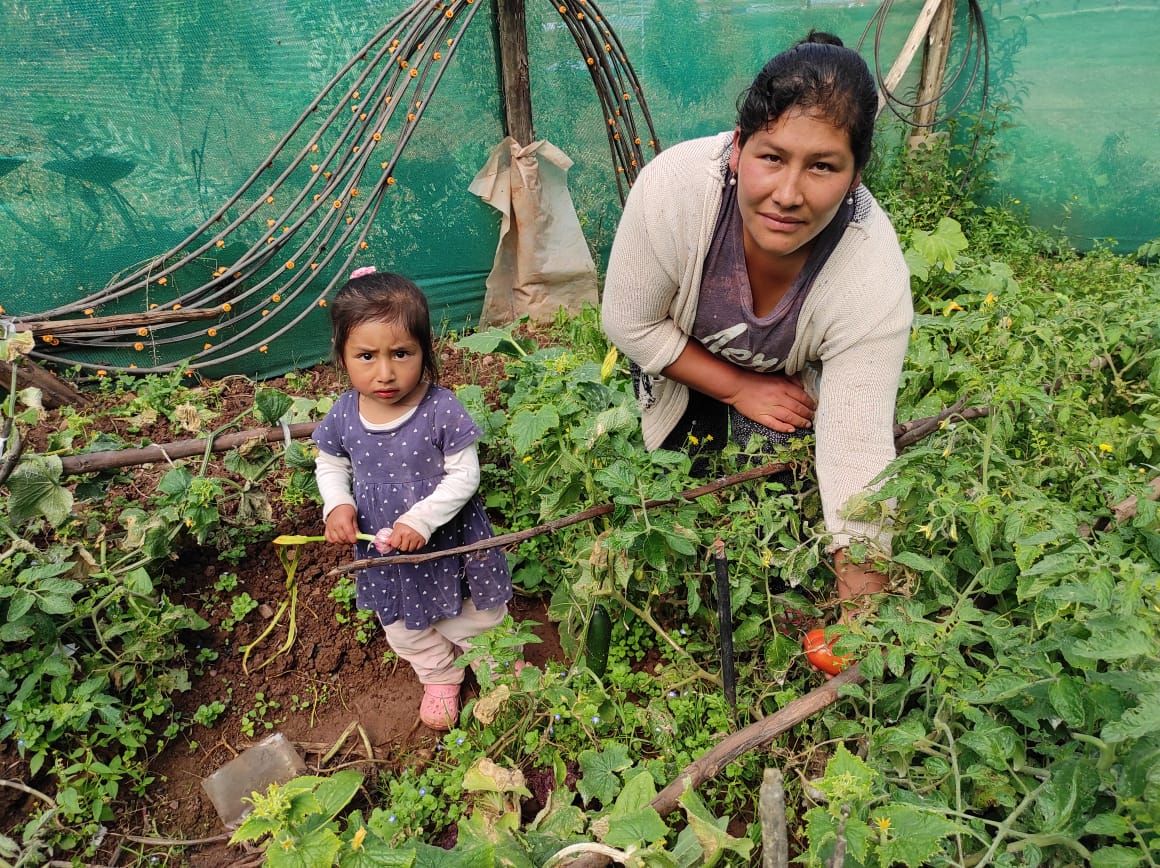
Kely Quispe, a farmer trained at the Flora Tristán Center's Agroecological School, holds a tomato in her organic garden in the farming community of Huasao. Her vegetable production depends on access to water for irrigation, but climate change has made water more scarce in the Andes highlands region of Cuzco in southern Peru. CREDIT: Janet Nina/IPS

Kely Quispe, a farmer trained at the Flora Tristán Center’s Agroecological School, holds a tomato in her organic garden in the farming community of Huasao. Her vegetable production depends on access to water for irrigation, but climate change has made water more scarce in the Andes highlands region of Cuzco in southern Peru. CREDIT: Janet Nina/IPS

“Moreover, although they are the ones who use water to ensure food, hygiene and health, and to irrigate their crops, they are not part of the decision-making with regard to its management and distribution,” she stressed.

The expert said that precisely in response to demand by the women farmers at the Agroecological School, where they receive technical and rights training, they are focusing on reviving water harvesting techniques used in ancient Peru, while promoting the equal participation of women in rural communities in the process.

She said that approximately 700 families living in poverty, some 3,500 people – about 11 percent of the population of the three communities – will benefit from the works being carried out.

Harvesting water

So far, these works are focused on the afforestation of 15 hectares and the construction of six “cochas” – the name for small earthen ponds, in the Quechua language – and an infiltration ditch, as part of a plan that will be expanded with other initiatives over the next two years.

The ditch, which is one kilometer long in 10-meter stretches, 60 centimeters deep and 40 centimeters wide and is located in the upper part of the community, collects rainwater instead of letting it run down the slopes.

The technique allows water to infiltrate slowly in order to feed natural springs, high altitude wetlands or small native prairies, as well as the cochas.

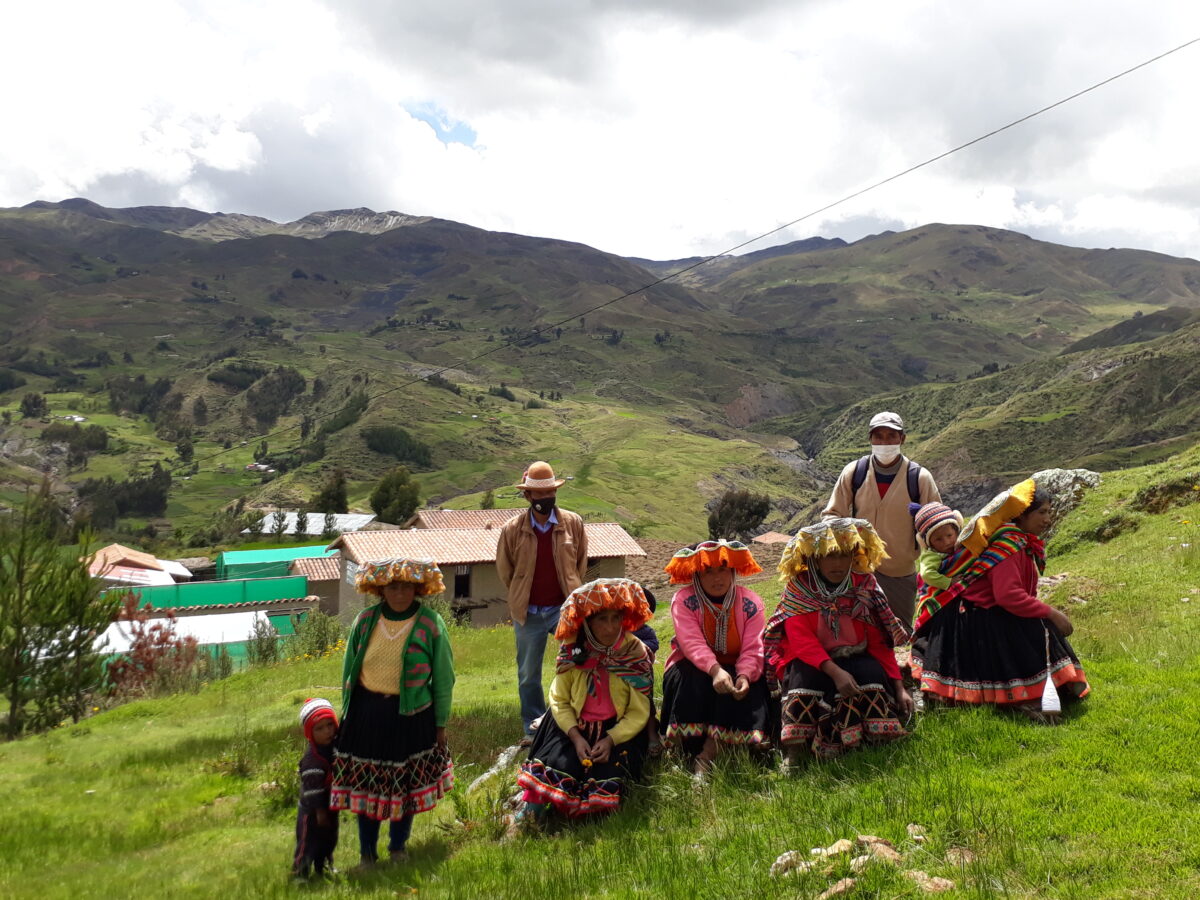
The mayor of the rural community of Sachac, Eugenio Turpo Quispe (right), poses with other leaders of the village of 200 families who will benefit from the forestation works and the construction of small reservoirs and infiltration ditches that will increase the flow of water in this highlands area that is suffering from prolonged droughts due to climate change. CREDIT: Mariela Jara/IPS

The mayor of the rural community of Sachac, Eugenio Turpo Quispe (right), poses with other leaders of the village of 200 families who will benefit from the forestation works and the construction of small reservoirs and infiltration ditches that will increase the flow of water in this highlands area that is suffering from prolonged droughts due to climate change. CREDIT: Mariela Jara/IPS

In their communal work, villagers use local materials and greenhouse thermal blankets to help retain water. In addition, they have used extracted soil to raise the height of the ditch, to keep rainwater from running over the top.

Although the ditch has been receiving rainwater this month (the rainy season begins in November-December), the ecosystem impact is expected to be more visible in about three years when the cocha ponds have year-round water availability, helping villagers avoid the shortages of the May-October dry season.

Several community members explained to IPS that they will now be able to harvest water from the ditch while at the same time caring for the soil, because heavy rain washes it away and leaves it without nutrients. Some 150 agricultural plots will also benefit from a sprinkler irrigation system, thanks to the project.

Since agriculture is the main livelihood of the families and this activity depends on rainwater, the main impact will be the availability of water during the increasingly prolonged dry periods to irrigate their crops, ensure harvests and avoid hunger, for both villagers and their livestock.

Eucalyptus and pine, huge consumers of water

The mayor of the Sachac community, Eugenio Turpo Quispe, told IPS that this is the first time that water seeding and harvesting practices have been carried out in his area. “We had not had the opportunity before; these works have begun thanks to the women who proposed forestation and the construction of cochas and ditches,” he said.

The local leader lamented that due to misinformation, two decades ago they planted pine and eucalyptus in the highlands of his community. “They have dried up our water sources, and when it rains the water disappears, it does not infiltrate. Now we know that out of ten liters of rain that falls on the ground, eight are absorbed by the eucalyptus and only two return to the earth,” he explained during the day that IPS spent in the community.

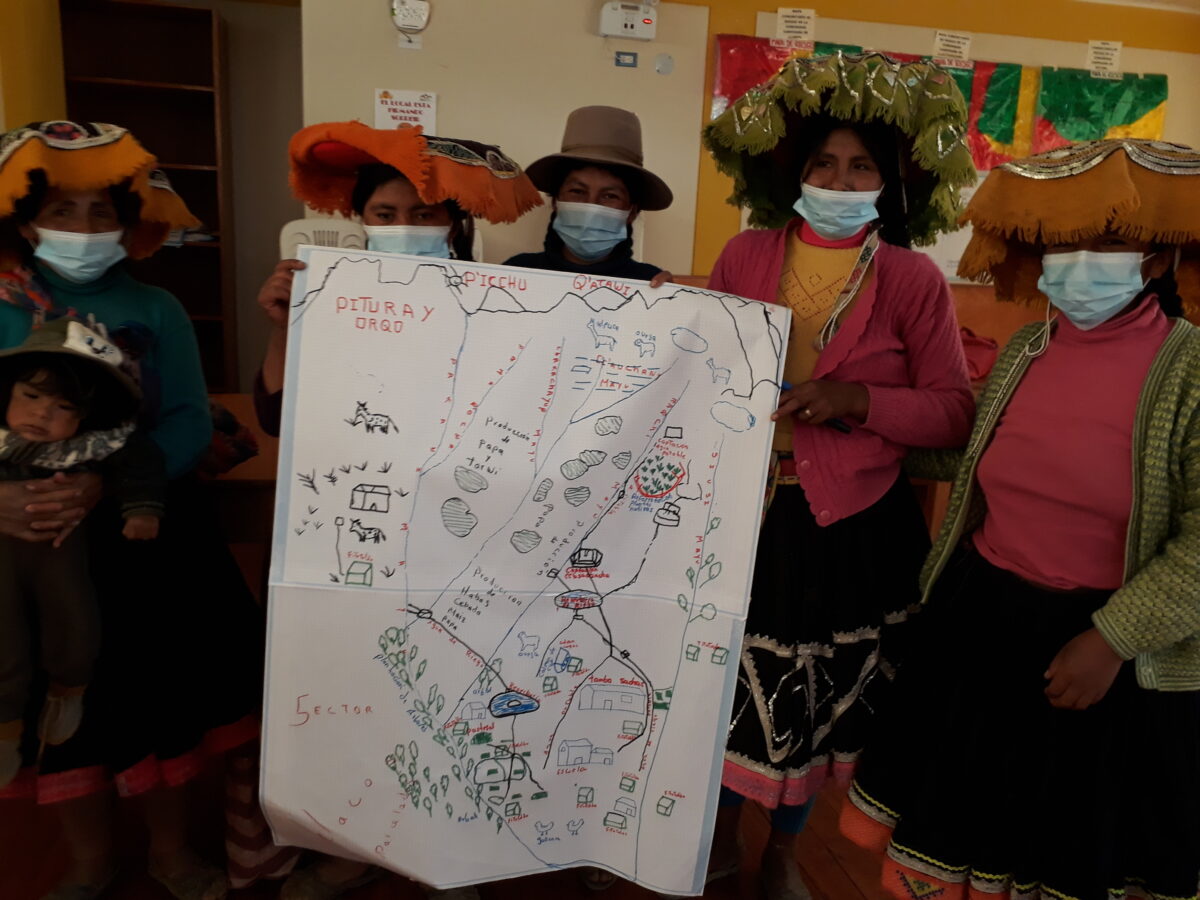
Women farmers from the rural community of Sachac show the map of water sources in their area and the uses for irrigation of their crops, for human consumption and household needs, as well as watering their animals, which they cannot satisfy throughout the year due to the increasingly long and severe dry season. CREDIT: Mariela Jara/IPS

Women farmers from the rural community of Sachac show the map of water sources in their area and the uses for irrigation of their crops, for human consumption and household needs, as well as watering their animals, which they cannot satisfy throughout the year due to the increasingly long and severe dry season. CREDIT: Mariela Jara/IPS

Turpo Quispe said they had seen forestation and construction of cochas and ditches in other communities, but did not know how to replicate them, and that only through the Flora Tristán Center’s project have they been able to implement these solutions to tackle the serious problem of shrinking water sources.

In Sachac, the three techniques have been adopted with the participation of women and men in communal work that began at six in the morning and ended at four in the afternoon. “Side by side we have been planting native plants, digging ditches and hauling stones for the cochas,” the mayor said proudly.

In this community, 9,000 seedlings of queuñas (Polylepis) and chachacomos (Escallonia Resinosas) – tree species that were used in the times of the ancient Inca empire – were planted. “These trees consume only two liters of rainwater and give eight back to Pachamama (Mother Earth),” Turpo Quispe said. As part of the project, the community has built fences to protect crops and has relocated grazing areas for their animals.

“We have planted seedlings and in 10 or 15 years our children and grandchildren will see all our hills green and with living springs so that they do not suffer a lack of water,” the mayor said.

Kely Quispe from the community of Huasao is equally upbeat: “With water we can irrigate our potatoes, corn and vegetables; increase our production to have enough to sell and have extra money; take care of our health and that of the whole family, and prevent the spread of covid.”

“But just as we use water for life, it is also up to us to participate on an equal footing with men in irrigation committees and community councils to decide how it is distributed, conserved and managed,” she added.

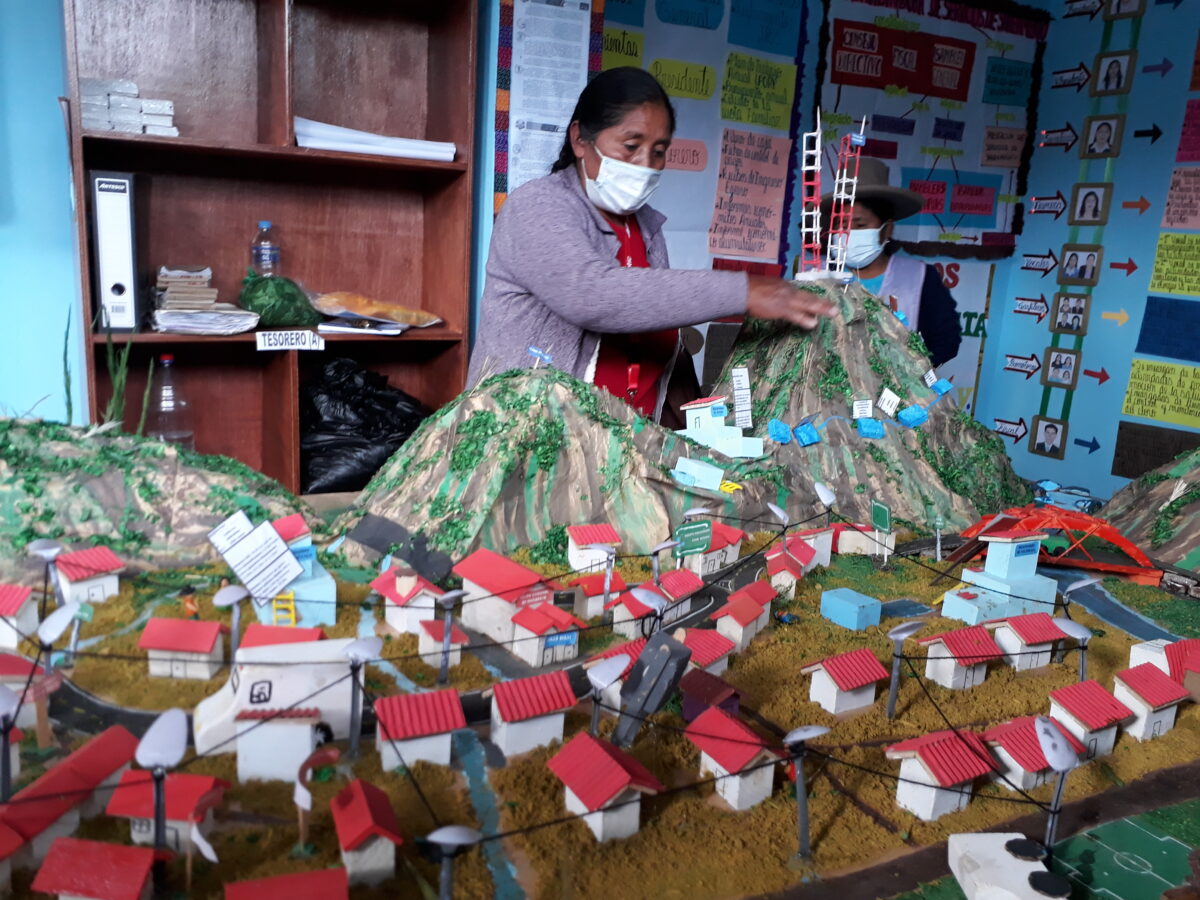
A model shows the water sources in the rural community of Muñapata in the Cuzco region, in Peru’s southern highlands. It was made by local women and men who built a system based on ancestral techniques for the collection and management of water, as increasing drought threatens their lives and crops. CREDIT: Mariela Jara/IPS

A model shows the water sources in the rural community of Muñapata in the Cuzco region, in Peru’s southern highlands. It was made by local women and men who built a system based on ancestral techniques for the collection and management of water, as increasing drought threatens their lives and crops. CREDIT: Mariela Jara/IPS

The decade of water security

Villanueva of the Flora Tristán Center said it was important for the country’s local and regional authorities to commit to guaranteeing water security in rural areas within the framework of the Sustainable Development Goals (SDGs).

The International Decade for Action: Water for Sustainable Development was declared for 2018-2028 by the United Nations and SDG6 is dedicated to water and sanitation, to ensure universal and equitable access for all, protect and restore water-related ecosystems, and support the participation of local communities in improving management and sanitation.

“At the national level, public policies aimed at seeding and harvesting water should be strengthened because they revive the communities’ ancestral knowledge, involving sustainable practices with low environmental impact that contribute to guaranteeing the food security of families,” she said.

However, Villanueva remarked, in order to achieve their objectives, these measures must not only promote equal participation of men and women, but must also be accompanied by actions to close the gender gap in education, access to resources, training and violence that hinder the participation and development of rural women.

  Source

Homeless Camps, a Reflection of Growing Inequality in Chile

Active Citizens, Civil Society, Development & Aid, Editors’ Choice, Featured, Headlines, Human Rights, Latin America & the Caribbean, Population, Poverty & SDGs, Regional Categories

Development & Aid

On Cerro 18, above the affluent municipality of Lo Barnechea, in the coveted eastern sector of Santiago de Chile with a stunning view of the valley and the Andes Mountains, 300 families live in five camps or irregular settlements, many without water, electricity or sewage. CREDIT: Orlando Milesi/IPS

SANTIAGO, Dec 10 2021 (IPS) – Camps made up of thousands of tents and shacks have mushroomed in Chile due to the failure of housing policies and official subsidies for the sector, aggravated by the rise in poverty, the covid-19 pandemic and the massive influx of immigrants.


“Three years ago we were about to be evicted and when my children would head off to school they never knew if our little house would be there when they got home. One morning we were going to school and the carabineros (militarized police) were coming. Many times I had to go home early from work. It was chaotic, difficult and distressing,” Melanni Salas told IPS during a visit to the site.

Salas, 33, presides over Senda 23, one of the five camps that bring together 300 families who occupied public land in Cerro 18, in the municipality of Lo Barnechea, on the east side of Santiago. They have been building shacks with wood and other materials within their reach, which they are gradually trying to improve.

The threat of eviction ceased at the start of the covid pandemic, but the shadow still hangs over their heads because the municipality “built us a septic tank and gave us gifts for Christmas, but has said nothing about housing,” she said.

The community activist previously lived for 19 years as an “allegada”, the name given in Chile to people or families who share a house with relatives or friends, in overcrowded conditions. In 2016 she occupied the land where she and her husband Jorge built the precarious dwelling where she now lives with her three children aged 15, 13 and five years old.

“This used to be a garbage dump and now it is clean and there are houses,” said Salas. “Mine gets a little wet inside when it rains because it is made of wood and because of the strong wind. But I have drinking water, electricity and sewerage thanks to my mother-in-law who lives further up. The neighboring family has neither water nor sewage. They are a couple with three children and one of them, Colomba, was born a week ago.”

She explains that her neighbors “use the bathroom at their brother’s place who lives nearby, but during the pregnancy she went back to her mother’s house.”

In the camps people cook, wash, sleep and live together, observed by passers-by who have become accustomed to this new urban landscape. CREDIT: Orlando Milesi/IPS

In the camps people cook, wash, sleep and live together, observed by passers-by who have become accustomed to this new urban landscape. CREDIT: Orlando Milesi/IPS

Hundreds of homeless tents now line the main avenues of Santiago de Chile.

Explosive situation

“Every day more than 10 families come to live in an encampment in Chile,” says Fundación Techo Chile, a social organization dedicated to fighting against housing exclusion in the cities of this South American country.

The problem is also seen along the avenues and in the parks where hundreds of men and women set up tents to sleep, cook, wash and live together in full view of passers-by who have become accustomed to the scene.

In the last two years, the number of families living in 969 of these camps with almost no access to water, energy and sanitation services has increased to 81,643, a survey by the Fundación Techo Chile found.

In Chile, the term “campamentos” or camps has also come to refer to slums or shantytowns known traditionally as “callampas”, such as the one where Salas lives, which are built on occupied land and consist of houses made of light materials, although the neighborhoods are sometimes later improved and upgraded, but still lack basic services.

These slums are mainly in Santiago and Valparaíso, 120 kilometers north of the capital, in central Chile. But they are also found in the northern cities of Arica and Parinacota and the southern city of Araucanía.

They are home to 57,384 children under the age of 14 and some 25,000 immigrants, mostly Colombians, Venezuelans and Haitians. “Today, families live there who six months or two years ago were ‘allegados’ living in overcrowded, informal, precarious or abusive conditions. That is what is understood as a housing deficit,” Fundación Techo Chile’s executive director, Sebastián Bowen, told IPS.

“The 81,000 families living in camps are the most visible part of the problem, but the housing deficit, covering all the families who do not have access to decent housing, exceeds 600,000,” he said.

The State provides some 20,000 social housing solutions each year, a figure that is highly insufficient to meet the current need.

According to Bowen, “if we want to solve the problem of the camps, we must structurally change our housing policy to guarantee access to decent housing, especially for the most vulnerable families.”

This explosion coincided with the social protests that began in October 2019 and with the arrival of coronavirus in the country in March 2020.

According to the National Socioeconomic Characterization Survey (Casen), 10.8 percent of Chileans currently live in poverty, which means more than two million people, although social organizations say the real proportion is much higher.

Chile, with a population of 19 million people, is considered one of the most unequal countries in the world, as reflected by the fact that the 10 percent of households with the highest incomes earn 251.3 times more than the 10 percent with the lowest income.

View of some of the houses in Cerro 18, a shantytown where 300 families live, most of them without even the most basic services. In what used to be a garbage dump, on the hillside of one of the wealthy neighborhoods of the Chilean capital, they have built their houses using scrap wood and waste materials. CREDIT: Orlando Milesi/IPS

View of some of the houses in Cerro 18, a shantytown where 300 families live, most of them without even the most basic services. In what used to be a garbage dump, on the hillside of one of the wealthy neighborhoods of the Chilean capital, they have built their houses using scrap wood and waste materials. CREDIT: Orlando Milesi/IPS

The new constitution holds out hope

Benito Baranda, founder of the Fundación Techo, an organization that now operates in several Latin American countries, believes that the housing policy failed because it focuses on “market-based eradication, forming housing ghettos on land where people continue to live in a segregated manner.”

This policy is also based on a structure of subsidies “born during the dictatorship and which has remained in place because housing is not a right recognized in the constitution,” Baranda, now a member of the Constitutional Convention that is drafting a new constitution, which will finally replace the one inherited from the 1973-1990 military dictatorship of General Augusto Pinochet, told IPS.

“The decision of where people are going to live was handed over to the market. Not only the construction of housing. And the land began to run out and the available and cheap places were in the ghettos,” he explained.

Baranda criticized the policy of “eradication”, “which created ghettos and generated much greater harm for people,” referring to the forced expulsions of slumdwellers and their relocation to social housing built on the outskirts of the cities, a policy initiated during the Pinochet dictatorship and which crystallized social segregation in the capital.

According to Baranda, “in the last four governments there has been the least construction of housing for the poorest families.”

Baranda was elected to the constituent assembly in a special election in May and proposes “to generate a mechanism that will progressively reduce the waiting times for housing, which today can stretch out to 20 years.”

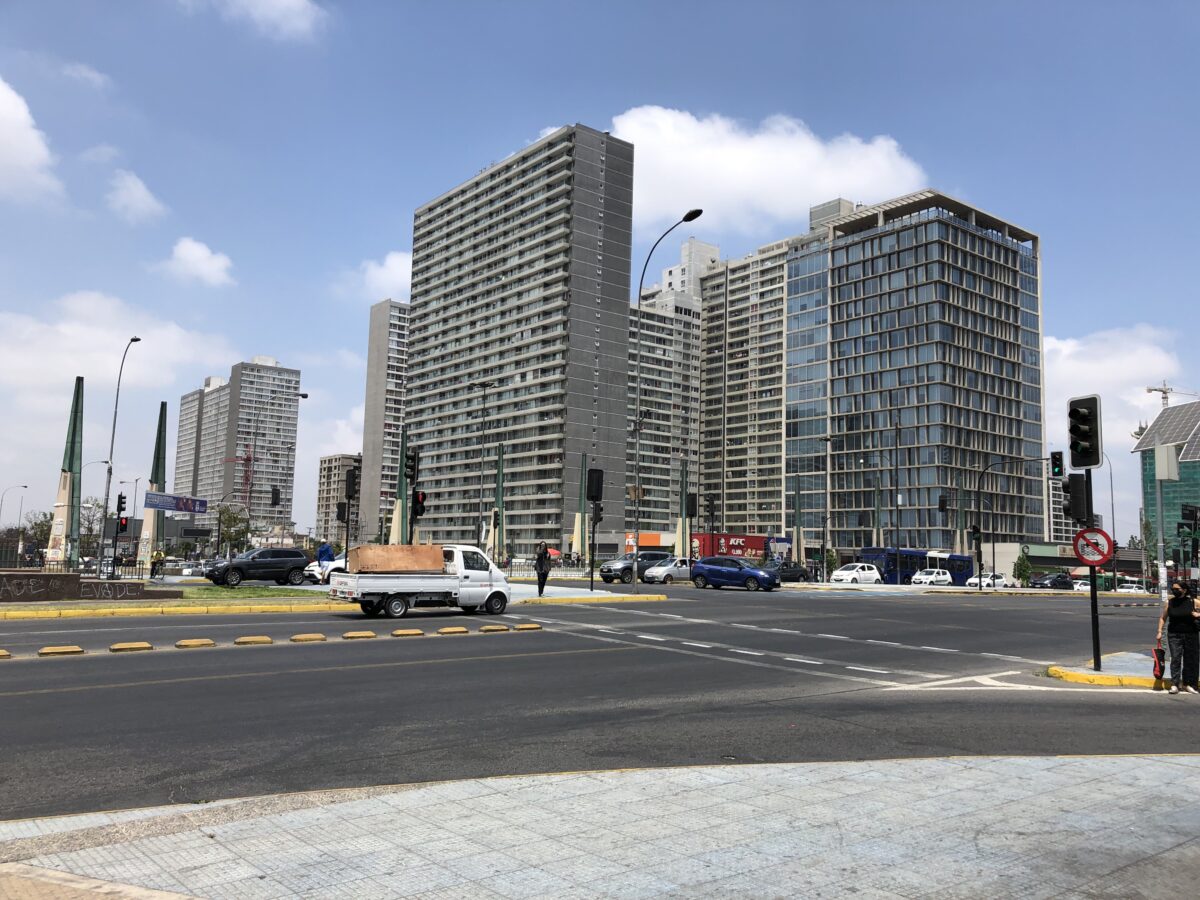
Twenty-story buildings, where each floor has 50 17-square-meter apartments, are called "vertical ghettos" and are inhabited mainly by immigrants. These ones are located in the Estación Central neighborhood, along Alameda Avenue that crosses Santiago de Chile. CREDIT: Orlando Milesi/IPS

Twenty-story buildings, where each floor has 50 17-square-meter apartments, are called “vertical ghettos” and are inhabited mainly by immigrants. These ones are located in the Estación Central neighborhood, along Alameda Avenue that crosses Santiago de Chile. CREDIT: Orlando Milesi/IPS

Privatization of social housing

Isabel Serra, an academic at the Diego Portales University Faculty of Architecture, believes that “the housing issue in Chile will be solved in some way through family networks…There is a lot of overcrowding here and small families are becoming the norm,” she told IPS.

According to Serra, the mushrooming of camps “clearly has to do with the influx of immigrants and this has grown especially in cities that are also functional or productive or extractivist hubs.”

She criticized the subsidy policy because these “are transferred to the private sector and what they do is drive up housing prices… and most of them are not used because they are not in line with the price of land and housing.”

“A highly financialized private market has made housing a tool for economic speculation…investors have decided to put their funds into the real estate market,” she said.

The problem has already reached the 155-member Constitutional Convention, which has been functioning since Jul. 4 and has a 12-month deadline to draft the new constitution, which must then be ratified in a plebiscite.

In September Melanni Salas and representatives of eight organizations met with Elisa Loncón, president of the Convention, to present her with the book “Constitution and Poverty”, which includes proposals to guarantee the right to housing.

“I hope they include this in the new constitution. The proposals were made by 25,000 excluded people…this document seeks to ensure that we are not left on the sidelines as always,” the community organizer explained.

A human right

Baranda said “in the constituent assembly we are working to get this enshrined as a right and to get the State to assume a leading role, not in the construction of housing itself, but in determining where people are going to live and creating the land bank that people have been demanding for so long.”

“We need the policies, by making land available and expropriating property that is not owned by the State, to create housing projects in places where there is social inclusion,” he stressed.

Serra agreed that “when the issue of housing is discussed in the constituent assembly, it will have to look at how the State buys and sells land.

“Housing is a basic human right and should be enshrined in the constitution, with all the parameters that are established for decent housing,” she argued.

Serra also called for “modernizing the instruments and the institutional framework dedicated to the provision of housing” because, she said, “currently the role of housing provision is clearly played by the market.”

She said it would require “a great deal of political will because land issues in general are political issues, very difficult to implement because there are many economic interests involved.”

Celia “Charito” Durán lives in the Mesana camp on Mariposas hill in the port city of Valparaíso, along with 165 other families, and counting.

The municipality delivers 3,000 liters of water per week to each house, using tanker trucks.

Durán said, however, that the priority is access “because if there is no road, we are cut off from everything: firefighters, water, ambulances.”

In Mesana there is no sewage system, only “cesspools, septic toilets and pipes through which people dump everything into the creek,” she told IPS by telephone.

On the hilltop the wind is very strong and every winter roofs are blown off and houses leak when it rains.

Durán, 56, has lived there since she was 37. She is confident that a solution to the social housing deficit will come out of the constituent assembly, after participating in meetings with Jaime Bassa, vice-president of the Constitutional Convention.

“We have the hope and expectation that the right to housing will be included. So, if tomorrow it is not fulfilled, you could go to the authorities with the right to protest about it,” she said.

“We want to be part of the city and not be segregated and forced to return to the camps,” Durán said.

  Source

School Meals Coalition Hopes to Provide a Meal to Every Child

Aid, Civil Society, Development & Aid, Education, Featured, Food Security and Nutrition, Global, Headlines, Health, Humanitarian Emergencies, Inequity, Poverty & SDGs, TerraViva United Nations

Food Security and Nutrition

School meals have a host of benefits, including improving enrollments and preventing malnutrition. Now the School Meals Coalition plans to recruit local food producers to assist in the programme. Credit: Bill Wegener/Unsplash

United Nations, Nov 26 2021 (IPS) – Meals at schools not only give each child a nutritious meal but increase enrolments, among other benefits.


This emerged at a recent launch of the School Meals Coalition, a new initiative that aims to give every child a nutritious meal by 2030 through bolstering health and nutrition programmes. The coalition comprises over 60 countries and 55 partners dedicated to restoring, improving and up-scaling meal programs and food systems. Among their partners are UN agencies UNICEF, World Food Programme (WFP), UN Nutrition, Food and Agriculture Organization (FAO), and UNESCO.

In the briefing, the speakers identified School Meals Coalition’s primary goals to restore school meal programmes to the status before the COVID-19 pandemic and reach children in vulnerable areas who have not accessed these plans before. The member countries’ political leaders have come together to support this “important initiative”, according to the permanent representative of Finland to the United Nations, Jukka Salovaara.

“School meals are so much more than just a plate of food. It’s really an opportunity to transform communities, improve education, and food systems globally,” he said.

School meal programmes are a significant safety net for children and their communities. As one of the primary means for children to get healthy meals, they help combat poverty and malnutrition. Their impact on education is seen in increased engagement from students. They also serve as incentives for families to send their children, especially girls, to schools, thus supporting children’s rights to education, nutrition and well-being.

“We see documented jumps of 9 to 12 per cent in enrollment increases just because the meals are present,” WFP Director of School-Based Programmes Carmen Burbano said. “So, these are really important instruments to bring [children] to school.”

The programmes would also provide opportunities for sustainable development practices and transformations in food systems. One key strategy is to promote and maintain home-grown school meal programmes, recruiting local farmers and markets to provide food supplies. Investing in school meal programmes, especially through domestic spending, has proven to increase coverage. In low-income countries, the number of children receiving school meals increased by 36 percent when their governments increased the budgets for these programs.

A WFP study found that at the beginning of 2020, over 380 million children globally received meals through school meal programmes. The closure of schools due to the COVID-19 pandemic effectively disrupted those programmes, depriving 370 million children of what was effectively their main meal for the day. While there have been marked improvements since schools re-opened worldwide, with 238 million children accessing the school meals, there are still 150 million children that don’t have access.

The School Meals Coalition aims to close this gap through a system of collaboration between member countries and their partners. Among their initiatives will be a monitoring and accountability mechanism that is being developed by the WFP and its partners, which will be used to follow the coalition’s accomplishments, and a peer-to-peer information-sharing network, spearheaded by the German government, between members and partners that will use findings to influence their programme output.

Even before the pandemic, school meal programmes did not reach the most vulnerable children, 73 million, who could not access these programmes. Reaching children that have fallen through the cracks can be challenging, but it is significantly more difficult in countries affected by conflict or environmental disruptions.

Education Cannot Wait (ECW) and the World Food Programme (WFP) earlier signed a memorandum of understanding to feed children in protracted crises.

At the signing, WFP Assistant Executive Director, Valerie Guarnieri said: “Simply put, sick children cannot attend school and hungry children cannot learn. It is essential we invest more in the health and nutrition of young learners, particularly girls.”

ECW Director, Yasmine Sherif said a feeding scheme made a massive difference in children’s lives.

“For many children and youth in crisis-affected countries, a meal at school may be the only food they eat all day and can be an important incentive for families to send and keep girls and boys in school. It is also essential for a young person to actually focus and learn,” she said.

The coalition plans to find ways to break the barriers to enable children to reach school or look for alternative learning pathways to reach children who could not physically attend school.

The factors that can prevent children from fully attending schools, such as poverty, complexity in family lives, or conflict, have only been exacerbated over the last nearly two years, thanks mainly to the COVID-19 pandemic. As more schools open worldwide, the restoration of school meal programmes is expected to provide much-needed support for children and their communities in turn.

“This is a very urgent and timely priority,” said Head of the Sustainable Development Unit of the Permanent Mission of France to the United Nations, Olivier Richard. “Because school meals are very important for the recovery of our societies from the impact of the COVID-19 pandemic.”

To learn more about the School Meal Coalitions, you can follow their page.

  Source