
Why Africa’s Energy Supply Gap is its Defining Commercial Opportunity

Africa’s energy deficit is often framed as a development crisis, but in 2026 it should also be seen as one of the continent’s most compelling structural investment opportunities

CAPE TOWN, South Africa, February 13, 2026/ — Nearly 600 million people across Africa still lack access to electricity, with electrification progress barely keeping pace with population growth and leaving the continent far from universal access targets. Achieving full access will require electricity-access investment to scale toward around $15 billion annually, according to the IEA, yet tracked financing commitments remain below $2.5 billion per year, underscoring a profound capital shortfall.
This mismatch – vast, guaranteed demand paired with chronic under-investment – is precisely what creates durable commercial opportunity. Energy demand across Africa is projected to rise sharply through 2030, driven by urbanization, industrialization, electrification and emerging high-consumption sectors such as data centers. Sub-Saharan Africa contains the majority of the global population without electricity, while the continent hosts 20% of the world’s population but receives only about 2% of global clean-energy investment.

In investment terms, this reflects demand certainty combined with supply scarcity – a dynamic that historically underpins strong long-term project economics. Reliable power fuels industrial growth, digital infrastructure and sustained revenue expansion, linking electrification directly to bankable demand. Closing the supply gap is therefore not just a social imperative, but a continent-wide revenue opportunity for investors.

This commercial logic is already reshaping global portfolio strategy. Major oil companies facing reserve pressure and slowing discoveries are increasingly turning toward frontier regions capable of delivering material new volumes, with Africa at the center of this shift. Industry analysis in 2026 suggests some producers could face production declines of hundreds of thousands of barrels per day within the next decade without major discoveries or acquisitions – intensifying the search for scalable new basins.

Developments progressing through 2025–2026 demonstrate how structural demand is translating into commercially viable assets. Mozambique’s $20 billion LNG project, advancing toward production later this decade, is anchored by tens of trillions of cubic feet of recoverable gas and supported by one of the largest financing packages ever assembled for an African energy development – demonstrating how global gas demand, domestic industrialization and long-term state revenue can align within a single project.

Meanwhile, analysis indicates that developing the continent’s gas resources could play a decisive role in closing the electricity access gap for hundreds of millions of people, while contributing only marginally to global emissions – strengthening the investment rationale even within a transition-constrained financing environment.

“Energy poverty is not just a challenge – it is Africa’s greatest investment opportunity. What we are witnessing today is a historic convergence of demand, resources and political will. The companies and investors that choose to partner with Africa now will not only generate long-term returns, but help power industries, create jobs and define the next era of global energy,” says NJ Ayuk, Executive Chairman of the African Energy Chamber.

This commercial reality will take center stage at African Energy Week 2026 in Cape Town, where policymakers, operators and financiers will focus on translating structural demand into bankable upstream, LNG, gas-to-power and renewable energy projects. Making energy poverty history will require unprecedented capital deployment – but the investment case is already clear. Vast resources, accelerating demand and a growing pipeline of projects position Africa’s energy gap as one of the defining commercial opportunities of the energy transition era.

Distributed by APO Group on behalf of African Energy Chamber.

SOURCE: African Energy Chamber
The Maravi Post

Mutharika’s straightforward-factual 2026/27 SONA shames Chakwera’s sugar-coated, empty-handed SONAs

By Manson Msukwa

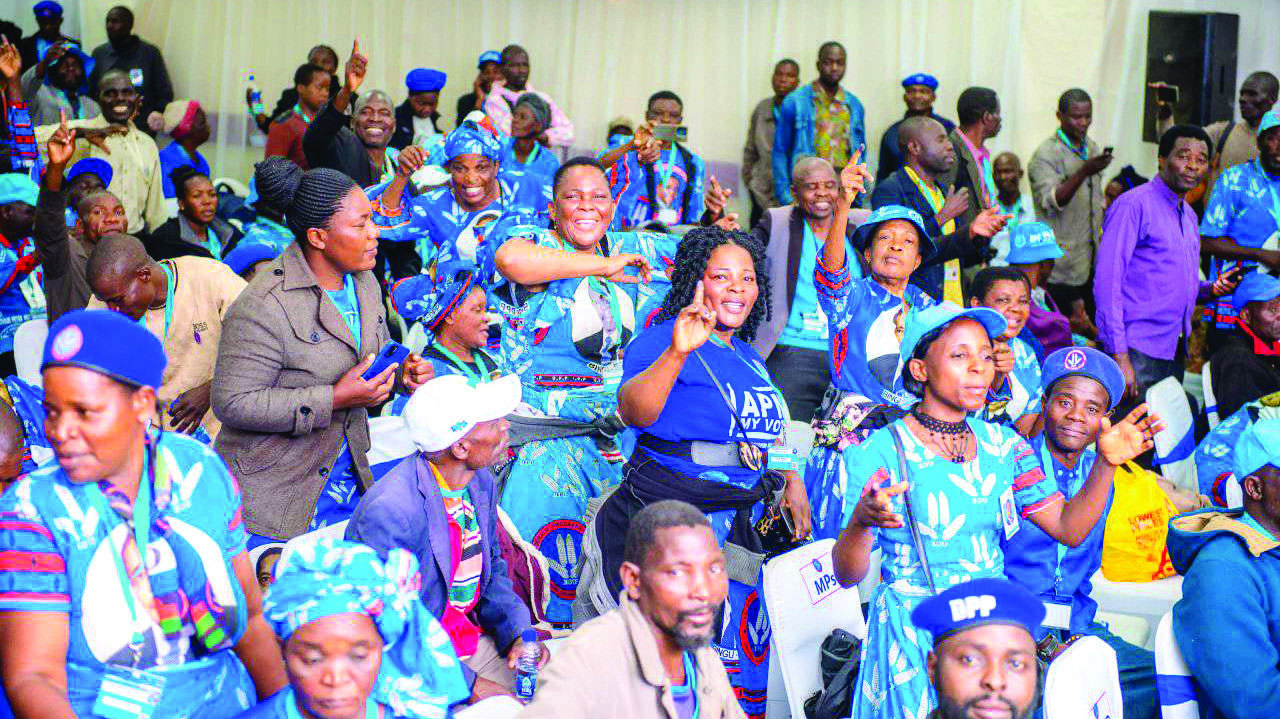
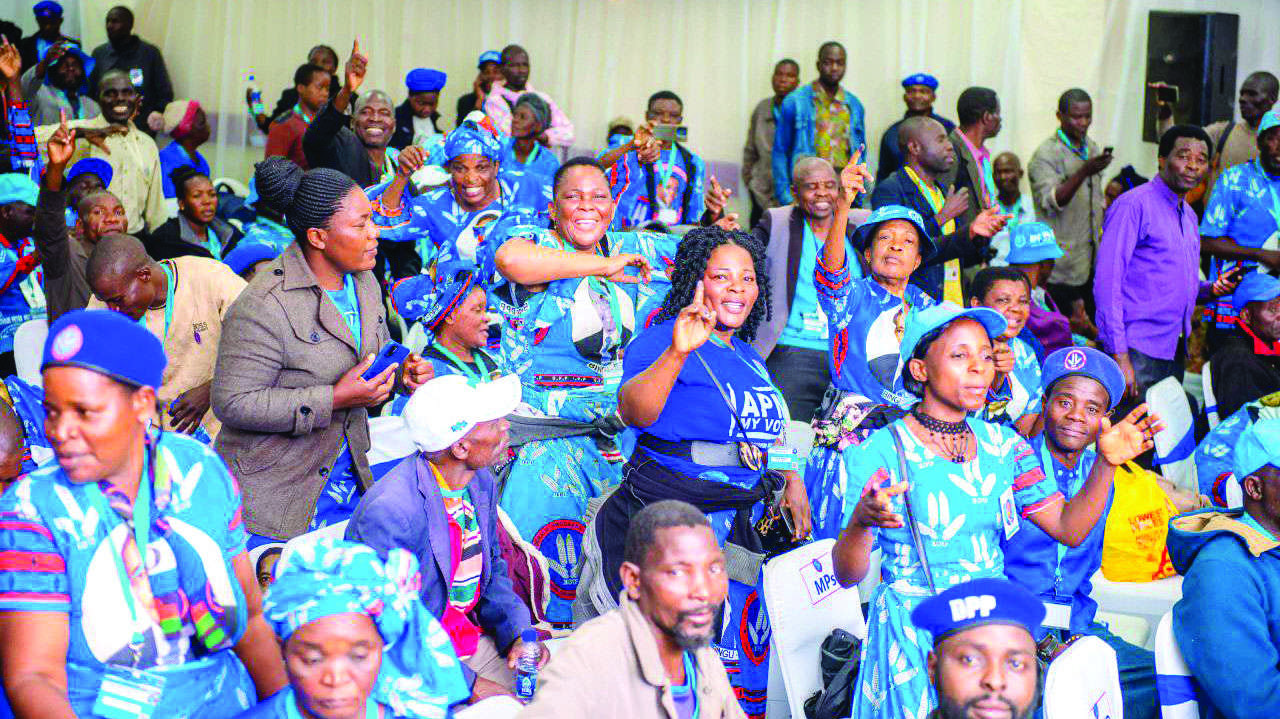
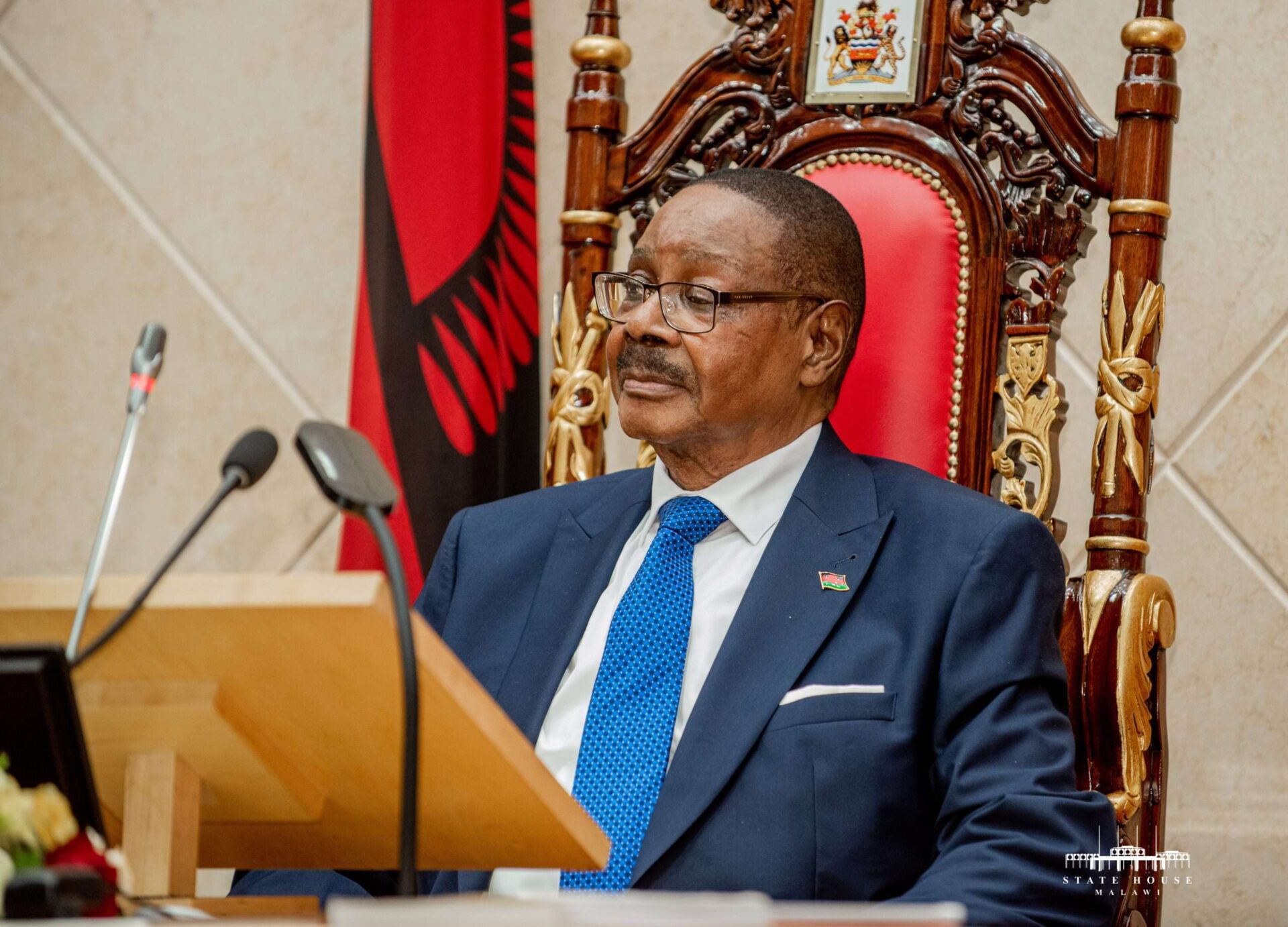
MZUZU-(MaraviPost)-In stark contrast to the backlash faced by former President Lazarus Chakwera’s ‘sugar-coated’ 2025 State of the Nation Address (SONA), President Arthur Peter Mutharika has garnered significant praise for his succinct delivery during the 2026 address on February 13, 2026, at Parliament in Lilongwe.

Political analysts and citizens alike commended the clarity and relevance of Mutharika’s speech to pressing issues in Malawi.

Silvester Ayuba James, a prominent legal practitioner and MCP-affiliated lawmaker for Nkhotakota Central Constituency, lauded Mutharika’s no-nonsense approach.

He stated, “APM’s SONA. No fake accent. No empty poetry. No useless foreplay. Just straight to business.”

James further contrasted this with Chakwera’s previous address, which he described as filled with “spells,” highlighting Mutharika’s clarity that cut through the noise like a knife through butter.

Adding to the praise, social commentator Joshua Chisa Mbele echoed these sentiments on Facebook.

He observes, “President Mutharika’s State of the Nation 2026. No unnecessary adjectives. No flowery and embroidered words. Straight to the point.”

Mbele rated the address at “100% Relevant,” emphasizing the President’s focus on real and urgent challenges, along with tangible outcomes.

Furthermore, within just five months in office, Mutharika has announced notable achievements, including the implementation of a free secondary school initiative.

He also revealed ambitious plans to construct Blantyre and Chikwawa District Hospitals in the upcoming 2026-27 financial year.

In addition to these projects, he highlighted plans to double national fuel storage capacity from 60 million litres to 120 million litres through the construction of new storage facilities in Blantyre, Lilongwe, and Mzuzu.

He further stated that maize is now selling for between MK38,000 and MK55,000 per 50kg bag, compared to around MK100,000 before his government took over.

These initiatives underscore his commitment to effectively addressing national needs and proving that actions speak louder than words.

In light of these accomplishments, it is worth noting that last year, MCP Member of Parliament for Rumphi-West, Jona Mkandawire, openly challenged Chakwera’s SONA, accusing him of presenting false information about developments in his constituency.

The Maravi Post

Inside Africa’s micro-grid boom: A new model for electricity access

CopyRight @2009 The Maravi Post , An Eltas EnterPrises INC Company Since @2005. Publishing and Software Consulting company

Contact us: contact@maravipost.com

The Maravi Post

Ukraine: Mass Russian drone strike hits Odesa port and energy sites

CopyRight @2009 The Maravi Post , An Eltas EnterPrises INC Company Since @2005. Publishing and Software Consulting company

Contact us: contact@maravipost.com

The Maravi Post

‘Like a scene out of a horror movie’: UN report warns of war crimes in Sudan’s El Fasher

Paramilitary forces in Sudan unleashed “a wave of intense violence…shocking in its scale and brutality” during their final offensive to capture the besieged city of El Fasher last October, committing atrocities that amount to war crimes and possible crimes against humanity, according to a report released on Friday by the UN human rights office, OHCHR. 

The Maravi Post

Editorial: Mutharika’s 2026/27 SONA unveils bold economic rescue plan with people-centered agenda

The official opening of the 2026/2027 Budget Meeting marked a defining political and economic moment for Malawi, as President Arthur Peter Mutharika addressed the nation with a message of urgency, reform, and renewed direction.

President Mutharika described the meeting as historic, emphasizing that it symbolized the first comprehensive implementation phase of the DPP’s agenda since its return to power.

He recounted the state in which he found the country upon assuming office, describing Malawi as being trapped in a deep man-made crisis characterized by hunger, shrinking businesses, soaring inflation, and weakened public institutions.

The President stressed that the crisis was not irreversible and announced that his administration had moved to restore order, rebuild trust, and stabilize the economy.

He disclosed that fraudulent contracts had been stopped, reckless expenditure curtailed, and ghost workers removed from the government payroll.

Appointments to public office are now being made strictly on merit, signaling a departure from patronage and favoritism.

The President emphasized that macroeconomic stability was the cornerstone of recovery, outlining targeted interventions to stimulate growth and reduce inflationary pressures.

Emergency maize purchases were made to cushion vulnerable households, fertilizer procurement was expedited, and fuel stocks were replenished to revive the private sector.

Inflation is projected to fall below 21% in 2026, and economic growth is expected to rise from 2.7% to 3.8% in 2026 and 4.9% in 2027.

Austerity measures include reduced fuel entitlements for ministers and restricted local and international travel.

The Constituency Development Fund (CDF) has been increased from MK220 million to MK5 billion per constituency annually, with management responsibility transferred to local authorities.

Agricultural interventions include maize price stabilization, fertilizer procurement, and plans for local fertilizer production.

The President announced plans to transition Malawi from a consumption-driven economy to one anchored in production and exports.

Industrialization efforts include development of Special Economic Zones and support for cooperatives and micro, small, and medium enterprises.

Tourism sector reforms include operationalization of the Tourism Authority and flagship projects like the Salima Integrated Tourism Resort.

Energy sector reforms aim to increase national generation capacity from 551 megawatts to over 1,000 megawatts by 2030.

Mining sector reforms include suspension of new licenses, audits of the registry, and a ban on export of raw minerals.

Transport infrastructure rehabilitation includes resumption of road maintenance and reinstatement of the fuel Automatic Pricing Mechanism.

Civil aviation reforms include expansion of Malawi Airlines’ fleet and increased international destinations.

The President reaffirmed commitment to rule of law, fiscal discipline, and zero tolerance for corruption.

He called for unity among the Executive, Legislature, and Judiciary, emphasizing the need for shared responsibility in rebuilding Malawi.

The Maravi Post