

Asia-Pacific, Education, Gender, Headlines, Sustainable Development Goals, TerraViva United Nations, Youth, Youth Thought Leaders
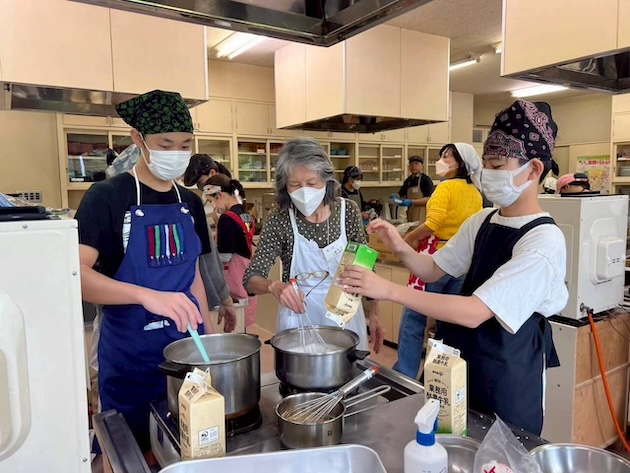
Cooking food to distribute free to children. The meals are made with food that is close to its expiry date. Workshop with Karuizawa Food Bank. Credit: Ippei Takemura
– I recently came across a statistic that stopped me in my tracks.
According to the World Health Organization (WHO), Japan has the highest suicide rate among the G7 countries. Even more alarming, suicide is the leading cause of death among people in their teens and twenties. Among elementary, junior high, and high school students, the most common factors linked to suicide are “school-related issues,” including academic pressure and difficulties with peer relationships.
At the same time, the number of children who do not attend school is rising every year. In 2023, Japan’s Ministry of Education reported that more than 340,000 elementary and junior high school students were chronically absent—a record high. These two realities are not separate problems. They are deeply connected.
Truancy is often misunderstood as a lack of motivation or discipline. In reality, it is rooted in complex emotional and psychological struggles that cannot be reduced to a single cause. Rather than treating truancy itself as the problem, society must ask a deeper question: Are we creating environments where young people feel safe, accepted, and understood?
I know this struggle firsthand. I began missing school just three days after entering junior high. My family had lived overseas for many years due to my parents’ work, and returning to Japan left me emotionally exhausted. I found comfort in playing online games with close friends I had made abroad, but while I was holding on to those connections, I missed the chance to build new ones at my new school. Before I realized it, I was caught in a cycle of frequent absences that lasted nearly three years.
What helped me break that cycle was not a dramatic intervention but a small and unexpected turning point. I joined a monthly, off-campus workshop focused on the Sustainable Development Goals (SDGs). To my surprise, students from my school were also participating. Because we shared a genuine interest in global issues, conversation came naturally as we worked together on projects. Eventually, we began spending time together outside the workshop. For the first time in a long while, I started looking forward to going to school again.
That experience taught me a powerful lesson: shared interests and common ground are the foundation of human connection.
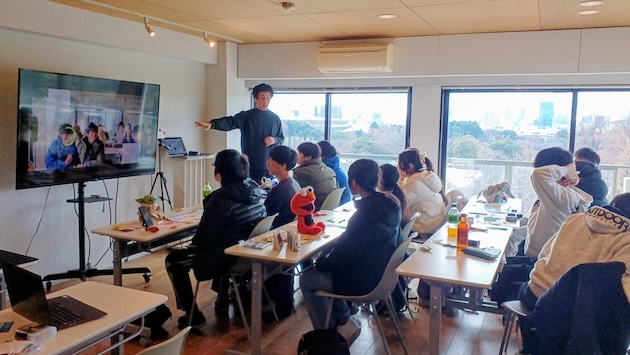
Learn about the Internet of Things (IoT) using a toy. ‘Let’s upcycle’ workshop with the One Smile Foundation. Credit: Ippei Takemura
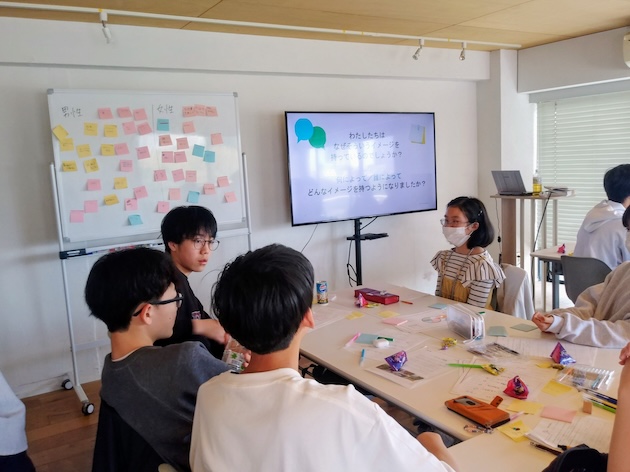
What’s the importance of gender in Japan? Workshop with Plan International, Japan. Credit: Ippei Takemura
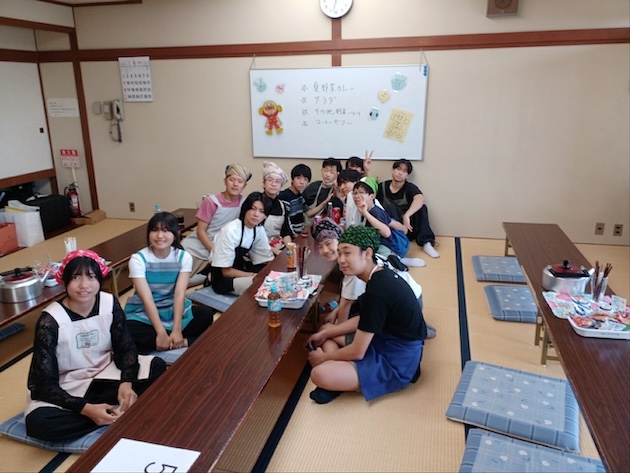
Provide children with free meals made from food that is close to its expiry date. Workshop with Karuizawa Food Bank. Credit: Ippei Takemura
A place where someone feels safe and comfortable is different for everyone. Sociologist Ray Oldenburg describes this idea through the concept of a “Third Place”—a space that exists beyond home (the first place) and school or work (the second place). Third places allow people to relax, connect, and simply be themselves. Finding such a place was the catalyst that inspired me to want to create similar spaces for others.
Social connection is not optional for human beings. It is essential for mental and physical health, helping to reduce stress, strengthen cognitive function, and foster a sense of belonging. However, people connect at different speeds. Some are naturally outgoing, while others need time and distance before they feel ready to engage. A truly inclusive third place respects these differences.
Based on my experiences, I believe there are three key elements that make a third place successful. First, it must include both spaces for solitude and spaces for interaction, with a clear separation between the two. Some people need time to observe and feel comfortable before speaking. A quiet area allows them to exist without pressure and to join others when they are ready.
Second, there should be shared activities. When people gather around common interests—whether environmental issues, crafts, or sports—conversation becomes easier, and relationships develop more naturally.
Finally, many people struggle to take the first step socially. Having facilitators or mentors who can gently initiate activities or conversations can make a huge difference.
One place that embodies these principles is the Moriumius Summer Camp in Miyagi Prefecture, which I have attended since elementary school. In high school, I joined for the first time as a staff intern. The organizers intentionally build community by using shared work as a catalyst for connection.
Campers collaborate on everyday tasks such as cooking (photo ①), preparing fish, starting fires (photo ②), and cleaning. These shared responsibilities create trust and a sense of equality. Beyond that, participants can deepen relationships through activities aligned with their interests, including crafts (photo ③), marine sports, gardening, and farming. During one workshop, I befriended an elementary school student who was making a bamboo fishing rod and shaping slate into a knife. We connected naturally through our shared love of creating things. Because everyone at the camp already enjoys outdoor life, friendships form more easily—and shared hobbies strengthen them even further.
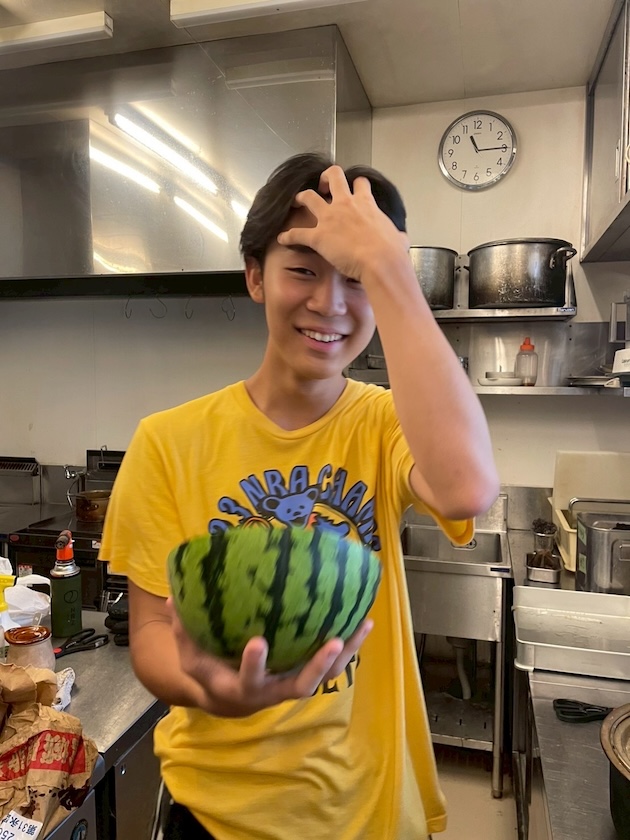
Campers help with cooking. Credit: Ippei Takemura
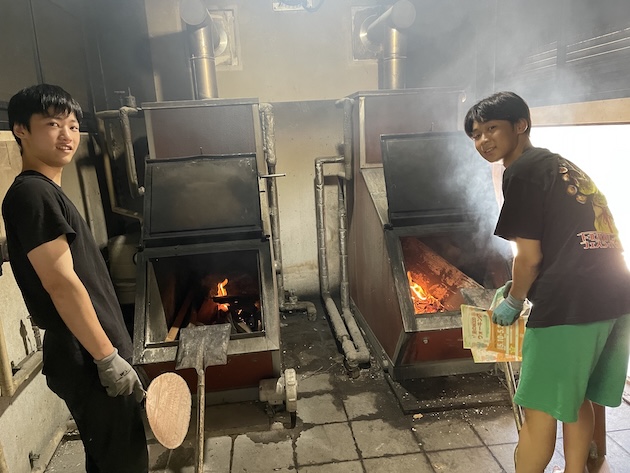
Campers can collaborate on starting fires and cleaning. Credit: Ippei Takemura
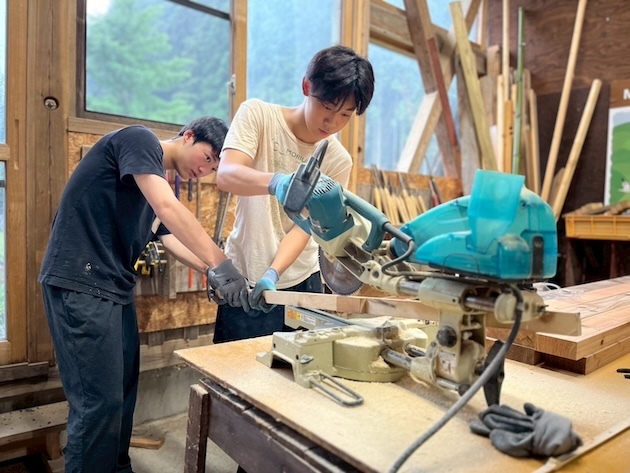
Participants can deepen relationships through activities aligned with their interests, including crafts. Credit: Ippei Takemura
A place can be more than just an escape. It can be the first step toward healing, renewed confidence, and hope. When young people find a space where they feel safe enough to be themselves, they often rediscover the courage to reconnect—with others, with learning, and with their own sense of possibility.
This is why I want to continue supporting the creation of spaces that can become “someone’s own place”—places where young people feel seen, valued, and free to grow at their own pace. Sometimes, finding the right space is all it takes for someone to realize that they belong.
Yet this need for belonging is not unique to one school or one country. Around the world, young people are facing increasing isolation, academic pressure, and mental health challenges. Rising youth suicide rates and growing school disengagement reflect a global crisis. When young people are left without spaces where they feel safe, heard, and supported, the consequences extend far beyond classrooms and households—they shape the future of entire societies.
Creating and protecting “third places,” therefore, is not merely a personal or local effort; it is a global responsibility. Governments, schools, communities, and international organizations must work together to invest in inclusive environments where young people can connect through shared interests, express themselves without fear, and rebuild a sense of belonging. Doing so directly supports the Sustainable Development Goals, particularly SDG 3 (Good Health and Well-Being) and SDG 4 (Quality Education), by addressing mental health, social inclusion, and equitable access to supportive learning spaces.
Every young person deserves a place where they feel safe enough to take their first step forward. By listening to youth voices and turning commitment into action, we can move from awareness to impact—and from isolation to hope. The future depends not only on how we educate young people but also on whether we give them places where they truly belong.
Edited by Dr Hanna Yoon
IPS UN Bureau Report






