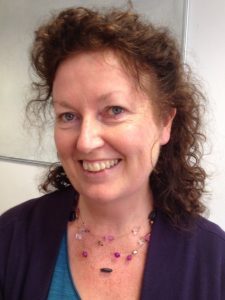
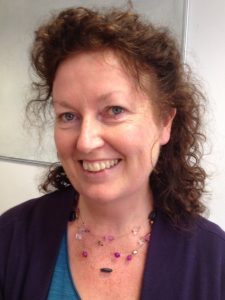
Marian Casey-Maslen is the Executive Director of CDAC Network, a platform of more than 30 humanitarian, media development, social innovation, technology, and telecommunication organisations, dedicated to saving lives and making aid more effective through communication, information exchange and community engagement.
The term ‘safeguarding’ has been squarely in the spotlight in recent times and is now used to refer to all areas relating to prevention of and protection against sexual exploitation and abuse, harassment and bullying. Heightened use of the word is a direct result of the abuses that came to light in the last few years, which shook the sector and prompted an overhaul of systems, policies, procedures and entire organisations.
In the past month, 30 donors met to agree on a new safeguarding standard put forward by the Organisation for Economic Cooperation and Development’s Development Assistance Committee, which, although not legally binding, does put in place a formal peer review process. According to the Committee’s chair, Susanna Moorehead, this represents a “first critically important step”.
Marian Casey-Maslen, Executive Director, CDAC Network
While change is slow at the global level, groups, individuals and whistleblowers have been pushing for some time for a victim- or survivor-centred approach to support people to report abuses without fear of reprisals, cover-up or inaction and for open, robust mechanisms for this to happen. Last year, DFID organised a global summit in London and introduced enhanced standards. Since then a lot has changed within aid organisations and in the public arena where powerful movements such #Aidtoo and #Metoo are prompting action and driving frank discussion.
But for many, the word ‘safeguarding’ does not mean very much. It does not necessarily capture people’s experience or understanding of these issues. This word, coined in the UK, is hard to translate into other languages. So what’s being done to communicate all that safeguarding has now come to mean to these audiences? Are we doing enough to get vital information across for people to understand what needs to be done to put adequate measures in place, and, importantly, how to report abuses?
Upgrading policies and procedures is only half the battle. More needs to be done to communicate what all this means to different audiences with different information needs in different contexts. Humanitarian action is evolving in technological advancement and in its realisation people should have a say in decisions that affect their lives. Such developments mean new actors from outside the sector or indeed local partners are taking the lead but have not necessarily had adequate training to understand how to create ‘safe’ programme environments or promote and support the right behaviours.
Along with experts, Safer Edge, and DEPP Innovation Labs, the CDAC Network identified a big gap in resources to put in place basic building blocks for good safeguarding practice, based on the principle it is everyone’s responsibility.
Earlier this year President Trump proposed $291 million in the FY2020 HHS budget to begin his Administration’s multi-year initiative focused on ending the HIV epidemic in America by 2030.
AIDS hasn’t been in the conversation as a current American crisis, which made the historic move even more shocking to many people. Trump has recently been blasted by the liberal media for comments that many feel are racist, despite his unprecedented effort to pass policies that target the most systematic issues facing the black community.
This reminds me of the President George W. Bush era, when many blacks including myself considered Bush a racist. As a young black man with aspirations to help change the world, I was also hypnotized by liberal media as well as Democratic politicians.
Following one of my medical mission trips to Africa in 2010, I was shamed by African world leaders who educated me about the effects of PETFAR. The President’s Emergency Plan For AIDS Relief (PEPFAR) is a United States governmental initiative founded by George W. Bush to address the global HIV/AIDS epidemic and help save the lives of those suffering from the disease.
This has been the most effective humanitarian aid policy ever to target blacks around the world, saving over 18 million lives and screening well over 50 million people. To this day I am embarrassed to think that I ever considered George W. Bush a racist. But then again, the liberal media is real.
Now a decade later we have another Republican President who has been crowned the king racist by liberals across America.
Despite his labels, President Trump used his first term to address the very disease that effects five times more blacks than whites per capita in America. President Trump’s new initiative aims to reduce new HIV infections by 75 percent in the next 5 years and by 90 percent in the next 10 years, averting more than 250,000 HIV infections in that span.
Recent data shows that our progress reducing the number of new HIV infections has plateaued, and there are new threats to the progress that has been made, the most significant being the opioid crisis: 1 in 10 new HIV infections occur among people who inject drugs. Unfortunately, one of the biggest reasons why reducing AIDS in America has hit a road block is due to the rapid growth of AIDS across black America.
As the LGBT community pursues the human rights they deserve, homosexuality is on super speed in the black community. The CDC recently reported that 50% of black gay men will contract HIV, which is chilling given the growing gay lifestyle promotion as a result of the Pride movement across American urban cities. Blacks make up 43% of those infected with HIV in America, despite only making up 12% of the population. This epidemic is real for Black America, though we don’t hear a word about it from black politicians representing the very communities in the heart of the crisis.
Fortunately our president has done his part to keep the spotlight on the fight to end HIV/AIDS, which has now reentered the conversation in the U.S. as of this year. President Donald Trump announced his ambitious plan to wipe out HIV transmission in America by 2030 and asked for an additional $291 million for his AIDS Program in his 2020 budget. Another solid example of tangible policies that President Trump continues to deliver for Black America. I was able to describe several of these polices in my recent article, “4 Ways Donald Trump has done more for African Americans than Barack Obama.” We can all agree that ending AIDS in America by 2030 is a bold and noble goal. Even if the president succeeds, stopping transmission is just one part of the puzzle. We also must help the 1.2 million Americans, over 500,000 who are black and currently living with the disease.
There just may be a very innovative healthcare solution recently developed by CytoDyn. The company is one of only a few firms to be given “fast track” approval from the FDA, meaning their new drug, Leronlimab (PRO 140) could be approved by the end of this year. Leronlimab is the first self-administered therapy for HIV that has reached late-stage clinical development. It’s a major game changer for those living with HIV, because unlike most current therapies, it doesn’t require any pills.
“We have patients who have gone 18 months without any pills,” says Dr. Nader Pourhassan, CytoDyn CEO. “Some patients had up to seven pills a day, they put all of it away, and we are very proud of those results.” Recent clinical trials have shown that Leronlimab does not negatively affect normal immune functions, but it does block the HIV co-receptor on T-cells. These trials also found that using Leronlimab can significantly reduce viral burden in people infected with HIV.
CytoDyn and Leronlimab have been garnering major buzz in the news, they’ve even been noticed by actor Charlie Sheen, who was recently diagnosed with HIV, and has applied to be a part of CytoDyn’s trials. With blacks representing nearly half of the Americans infected with HIV, I am reaching out to the company to ensure that they have an accurate representation of African Americans in their upcoming trial.
In 2017, Donald J. Trump signed the historic “Right to Try Legislation,” which amends federal law to allow certain unapproved, experimental drugs to be administered to terminally ill patients who have exhausted all approved treatment options and are unable to participate in clinical drug trials.
“People who are terminally ill should not have to go from country to country to seek a cure — I want to give them a chance right here at home,” said President Trump.
My goal is to take it a step further and push President Trump to ensure that all test trials equally include the populations who are effected the most. Starting with underserved Black America.
Jack Brewer possesses a unique combination of expertise in the fields of global economic development, sports, and finance through his roles as a successful entrepreneur, executive producer, news contributor, and humanitarian. Currently serving as the CEO and Portfolio Manager of The Brewer Group, Inc. as well as the Founder and Executive Director of The Jack Brewer Foundation (JBF Worldwide), active Shriner and Ambassador and National Spokesperson for the National Association of Police Athletic/ Activities Leagues, Inc. Other key roles include regular contributor to CNBC, Fox Business, and The American City Business Journals, Ambassador for Peace and Sport for the International Federation for Peace and Sustainable Development at the United Nations, Senior Advisor to former H.E. President Joyce Banda of the Republic of Malawi, and three time National Football League (NFL) Team Captain for the Minnesota Vikings, Philadelphia Eagles, and New York Giants. To read more of his reports — Click Here Now.
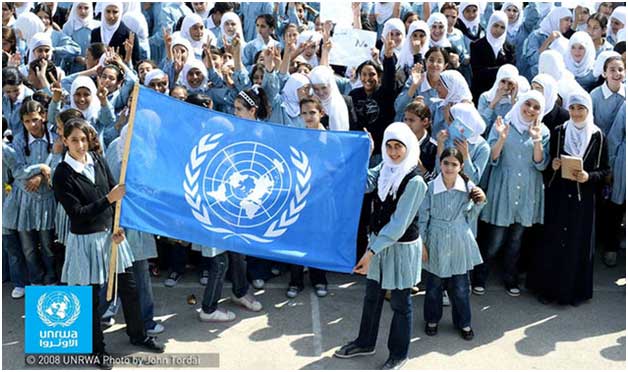
UNITED NATIONS, Aug 2 2019 (IPS) – The UN Relief and Works Agency (UNRWA), which has been undermined by a sharp cut in US contributions, has been embroiled in a scandal that threatens to jeopardize its very future.
A report from the Ethics Office has found “credible and corroborated” evidence that the senior management of UNRWA engaged in “sexual misconduct, nepotism, retaliation, discrimination and other abuses of authority, for personal gain, to suppress legitimate dissent, and to otherwise achieve their personal objectives.”
As a result, two of the donors, Switzerland and the Netherlands, have suspended payments to UNRWA, with the possibility of others to follow.
In January 2018, the Trump administration announced it was withholding $65m out of a $125m aid package earmarked for UNRWA, a veritable lifeline for more than five million registered Palestinian refugees, for nearly 70 years.
That move was prompted primarily for political reasons.
Paula Donovan and Stephen Lewis, co-directors of AIDS-Free World and its Code Blue Campaign, which seeks to end impunity for sexual abuse by UN personnel, told IPS the incriminating report was received in the Secretary-General’s office eight months ago.
“He should immediately have suspended the principals involved and replaced them with interim appointments. Had he done so, Switzerland and the Netherlands would not have suspended payment to UNRWA and the indispensable work of the agency would not have been compromised.”
“If the UNRWA story had not been broken by the media, the Secretary-General would not have acted. Alas, that’s the pattern,” they added.
Secretary-General Antonio Guterres told reporters August 1: “I have been acting quite significantly to make sure that we strengthen UNRWA and UNRWA’s capacity to deliver”.
“I’ve been appealing for the support to UNRWA to all countries of the world as I think we should distinguish what are the revelations made, or accusations made, in relation to members of the management of UNRWA, from the needs to preserve UNRWA, to support UNRWA, and to make UNRWA effective in the very important action in relation to the Palestine refugees, and I’ve been acting consistently to support that.”
As you know in the present situation, he pointed out, the deputy of UNRWA has resigned, and “so I decided that it would be important to immediately appoint a new deputy as acting deputy and, as I said, in relation to any intervention that might [be] justified, I will wait, according to due process, for the results of the inquiry and, based on the results of the inquiry, I will act accordingly.”
According to UNRWA, the UN agency is funded almost entirely by voluntary contributions.
The only exception is a very limited subsidy from the Regular Budget of the United Nations, which is used exclusively for administrative costs.
“The work of UNRWA could not be carried out without sustained contributions from state and regional governments, the European Union and other government partners, which represented 93.28 per cent of all contributions in 2018.”
In 2018, said UNRWA, 50 per cent of the Agency’s total pledges of $ 1.27 billion came from EU member states, who contributed $643 million, including through the European Commission.
The EU (including the European Commission), Germany and Saudi Arabia were the largest individual donors, contributing a cumulative 40 per cent of the Agency’s overall funding. The United Kingdom and Sweden were also among the top five donors.
The Trump administration said last August it has carefully reviewed the issue and determined that the United States will not make additional contributions to UNRWA.
“When we made a US contribution of $60 million in January, we made it clear that the United States was no longer willing to shoulder the very disproportionate share of the burden of UNRWA’s costs that we had assumed for many years,” according to the US State Department.
“Beyond the budget gap itself and failure to mobilize adequate and appropriate burden sharing, the fundamental business model and fiscal practices that have marked UNRWA for years– tied to UNRWA’s endlessly and exponentially expanding community of entitled beneficiaries– is simply unsustainable and has been in crisis mode for many years,” it continued.
“The United States will no longer commit further funding to this irredeemably flawed operation.”
UN Deputy Spokesperson Farhan Haq told reporters July 30 that Guterres believes it’s essential that UNRWA gets the support it needs and “so we will be looking to make sure that all of the countries that have been generous in donating to UNRWA will continue to be able to support that, and will look at engaging with them to see what can be done to satisfy them”.
“Clearly, this is an agency – as we have been saying in the last few years, when, as you know, it faced a financial crisis – this is an agency whose work is critical to the lives, to the health, to the education of millions of people, millions of Palestinians across the region, and they have been a vital source of stability, not just for those people but for the region itself,” he added.
Asked for a response about the charges against UNRWA, Haq said there is an ongoing investigation on the allegations contained in the report.
“Until this investigation is completed, the Secretary General is not in a position to make any further comments on this matter. As he has shown in the past, the Secretary General is committed to acting swiftly, as appropriate, upon receiving the full report. The Secretary General continues to consider the work undertaken by UNRWA as absolutely essential to Palestinian refugees,” he added.
Asked who was conducting the investigation, Haq said: “This is happening by our Office of Internal Oversight Services (OIOS). Now, I’ll leave it for you to evaluate the sufficiency of the steps that are taken once we take them; but, like I said, I’ve assured you the Secretary General is ready to take action upon receiving this… the full report”.
In a statement released August 1, Code Blue said the ethics report asserts that the alleged conduct of UNRWA’s senior leaders—Commissioner-General Pierre Krahenbuhl, Deputy Commissioner-General Sandra Mitchell, Chief of Staff Hakam Shahwan, and Senior Adviser to the Commissioner-General Maria Mohammedi—presents “an enormous risk to the reputation of the UN” and “their immediate removal should be carefully considered.”
The ethics report was leaked to the media this week. But it was completed and delivered to the UN Secretary-General in December 2018. That was eight months ago. Mitchell and Shahwan have since left the agency of their own accord. Both Krahenbuhl and Mohammedi remain in their posts, said the statement.
Code Blue also said the Secretary-General has ignored the ethics report’s recommendation that Krahenbuhl and Mohammedi be removed with “immediate” effect.
Instead, the UN has responded to the report by ordering yet another internal investigation, this time by the Office of Internal Oversight Services (OIOS), which is ongoing. In effect, the UN has taken no substantive action to address the crisis at UNRWA.
The Netherlands and Switzerland have responded to the revelations by suspending funding to UNRWA. The United Kingdom is considering such a step. It should go without saying that the work of UNRWA is too important to be sacrificed to the UN’s willingness to allow the crisis to worsen, Code Blue added.
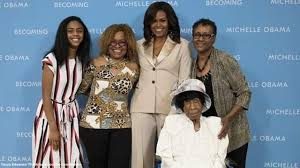
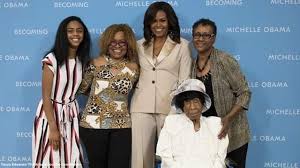
WASHINGTON-(MaraviPost)-An 111-year-old Willie Mae Hardy has survived remarkable moments and recently met Michelle Obama at her book signing.
The granddaughter of a slave’s meeting with Obama was arranged with the help of local nonprofit Mother’s Legacy Foundation – Willie Mae Hardy’s first time meeting the former first lady in person happened in May 2019.
Being one of the oldest women in the world, 111-year-old Willie Mae Hardy, has survived various remarkable moments in history and has lived through 20 presidents in America.
However, it would take her 100 years before voting for a black one. It was therefore not surprising, the joy she had when she recently met the former first lady, Michelle Obama, at a signing for her book “Becoming.” “[Obama] was really amazed at how well she looked, how healthy she looked, and how she could still articulate and talk about things,” Veronica Edwards, Hardy’s granddaughter and caregiver, said in an interview.
According to Yen.co.gh, Hardy, who was the granddaughter of a slave, was raised on a plantation in Junction City, Ga.
The oldest of seven siblings, she spent a majority of her days doing chores like picking cotton, ploughing the fields or tending to the family’s livestock.
In 1939, she relocated to Atlanta, moved to DeKalb County years later to be with her daughter and grandchildren and now lives in Kirkwood.
Her meeting with Obama was arranged with the help of local nonprofit Mother’s Legacy Foundation, which works with older residents in Kirkwood, Edwards said.
The co-founder of the Foundation, Carrie Johnson Salone, worked with Atlanta City Council member Natalyn Mosby Archibong and other community members to get Hardy free tickets to the “Becoming” book tour appearance in May.
The phenomenal aspect of Hardy’s meeting with Obama was that she “was able to talk about her background” with the former first lady, Salone said.
From her young days on a plantation in Junction City, Ga., in Talbot County to the disappearance of her cousin after he was kidnapped by the Ku Klux Klan, Hardy remembers it all.
In the 1930s, she met and married her husband Frank Hardy and nine years later, at the age of 31, with only a third-grade education, Hardy moved to Atlanta for a “better life”, alongside her husband and her only daughter Cassie Edwards.
She would remain with her husband until his death in 1979.
Hardy would also work for Atlanta families as a housekeeper until the 1980s. By then, she had moved to her Kirkwood home with her daughter who only passed away last July at the age of 93, according to AJC.
A member of the historic Butler Street Baptist Church on Ralph McGill Boulevard in northeast Atlanta, Hardy witnessed the likes of Martin Luther King Jr. during civil rights rallies held at the church.
These rallies would eventually give way to a first African American president of the United States.
“I first met Ms. Hardy in 2017 at the Annual Living Legends Cookout held in Kirkwood,” Atlanta City Council member Archibong recently said.
“Her journey from being born on a plantation to living to see the first African American become president of the United States is inspirational.”
Her opportunity to meet former first lady Michelle Obama almost did not happen, however. In the days before the meeting, she had not been “feeling her best,” Edwards said.
On the morning of the meeting, however, she started feeling better and all alert when she was reminded that she would be meeting Obama.
This May 2019, was her first time meeting the former first lady in person, although she had earlier received a birthday note from her and her husband in 2012.
In the note, the two said Hardy’s life represented “an important part of the American story.”
“As you reflect upon a lifetime of memories, we hope you are filled with tremendous pride and joy,” the former first couple added. At the moment, Hardy has seven grandchildren, 10 great-grandchildren, 30 great-great-grandchildren and four great-great-great-grandchildren.
In Kirkwood, where she currently lives, the community comprised mostly black residents in the 1960s, but today, most of her longtime neighbours are no longer there.
Even though Hardy is aware of that change, she still plans to stay in the neighbourhood with her family as her home has been a significant gathering place for relatives, friends, and neighbours over the years and she has no plans to change that.
Meanwhile, Talented Kidz season 10 winner, Nakeeyat Sam Dramani, has been granted full scholarship by the British Columbia College in Accra, to study in the school.
The seven-year-old poet, earned lots of praises for her great performances on sanitation and child rights during the competition.
Tarik Gooptu is in his second and final year of the master’s of philosophy in economics at the University of Oxford. Originally from Washington, DC, he received his bachelor’s degree from the University of Michigan in economics and political science*.
OXFORD, UK, Jul 31 2019 (IPS) – Tackling inequality in the 21st century requires us to understand and address barriers to upward mobility that segments of people face within countries. In a world with high and increasing levels of urbanization, the conversation on challenges to mobility must start with cities.
By addressing the drivers of inequality in cities, policymakers can alleviate conditions that perpetuate within-country inequality. Efficiently planning public transportation investments to target metropolitan communities with low connectivity is a crucial step to reducing disparities in upward mobility.
Doing this provides low-income residents with improved access to jobs, schools, hospitals, and other benefits of living in an urban area. A smart urban planning framework, enabled by effective partnership between the public and private sector, would enable citizens to enjoy a more level playing field.
As a result, cities can transform into drivers of global economic convergence in living standards.
In the past three decades, the world has experienced a global convergence between countries, mainly due to increased international trade, advancements in technology, and economic integration.
However, these same factors have led to a relatively new phase of inequality seen in the 21st century. Works by Atkinson, Piketty, and Saez (2011) and Lakner and Milanovic (2016) have depicted a world suffering from inequality within countries, characterized by disparities between “gainers” and “losers” in the globalized economy.
People have proposed multiple explanations for this, including skill-biased technological change, increased automation, and outsourcing of jobs to regions with cheaper labor—to name a few. Perhaps somewhat overlooked are the large disparities between people living within the cities themselves.
Why cities? Rapid urbanization and severe intracity inequality are the two primary reasons policymakers should focus on cities when thinking about how to tackle the broader issue of inequality.
According to the World Urbanization Report, 55 percent of the global population resides in urban areas—an increase from 30 percent in 1950. The global urbanized population is projected to increase even further, to 68 percent, by 2050 (UN 2018).
In addition, the UN Population Division reports that “urbanization has been faster in some less developed regions compared to historical trends in the more developed regions” (UN DESA 2018. The convergence in the growth of urbanization, between developing and advanced economies, also suggests that the problems of cities increasingly affect countries at all income levels.
In addition to rapid urbanization, cities have become a locus of the most severe inequality we see today. A 2014 article by Kristian Behrens summarizes the issue of inequality within cities.
Behrens shows that within-country Gini indexes are highest as population densities increase and that under current conditions, cities tend to disproportionately reward people in the top income percentiles (Behrens 2014). In addition, cities draw people primarily from the top and bottom of the income distribution.
The global economic restructuring, outlined above, is expected to create more polarized income distribution within countries. This, combined with Behrens’s evidence, suggests that inequality within cities is expected to worsen, under current conditions.
The countries of the world are simultaneously experiencing unprecedented urbanization and severe inequality. While cities are currently the nexus of the worst inequality, there are opportunities to convert them into means for economic convergence.
The concept of “agglomeration economies” is summarized well by Edward Glaeser as the benefits realized from people and firms locating close to one another, in cities and industrial clusters, which are primarily gained through reduced transportation costs (Glaeser 2010).
But some areas in cities are not as well connected as others. This drives disparities between people in metropolitan localities. In order to address this, policymakers must address inequality of access to jobs and services between communities of different income status.
Underinvestment in roads, buses, train lines, and subways can cut off districts within large cities from jobs, education, and services. Higher mobility costs, in the form of longer commute times and lack of affordable transportation, are barriers to the upward mobility of lower-income people in cities.
Local governments and the private sector can work together to improve access to jobs and services by building a better public transportation infrastructure within cities. However, misallocation of both land and public resources worsens conditions for marginalized communities, contributing to intracity inequality.
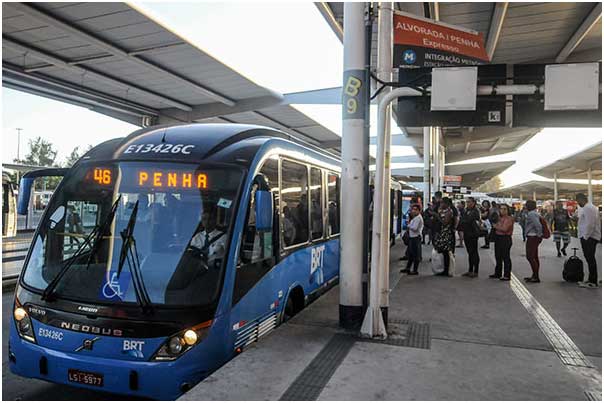
The 2016 Rio Olympics, which have been heavily criticized for putting the city in an adverse fiscal situation, is as an example of how misallocation of public resources can actually perpetuate inequality in a city. Rio de Janeiro’s bus rapid transit (BRT) system is a designated-lane integrated bus system planned and funded via a public-private partnership.
City officials said that Rio’s BRT was needed to help transport Olympic spectators and will provide long-term rapid and affordable travel for city residents. While Rio’s BRT successfully reduced average transportation costs, its routes served to aggravate inequality between high- and low-income citizens.
An urban planning study conducted by the Fluminese Federal University shows how Rio’s major daily traffic flows run from lower-income neighborhoods (in the north and west) to downtown Rio (South Zone and part of the North Zone), where 60 percent of Rio’s formal employment is concentrated (Johnson 2014).
But, instead of providing lower-income residents access to the city center, the BRT allocates routes to an upper-income residential area. Jobs here are predominantly in the informal sector: not registered with the government, with lower salaries, and without health or other benefits.
Furthermore, the city government cut spending on health and police as a result of going over budget on Olympics expenditures, which worsened the health and safety of the poor.
Rio’s BRT system exemplifies how public infrastructure can be misallocated, without proper planning and an understanding of citizens’ demand for jobs and services. However, when policymakers implement well-planned public infrastructure, it can combat inequality within cities.
Curitiba’s BRT is a well-known example of effective urban planning yielding positive outcomes for city expansion. Planning of the bus line construction was orchestrated by the Institute for Research and Urban Planning of Curitiba in the 1970s.
Funding and implementation were conducted via a public-private-partnership between the Urban Development Agency of Curitiba, and private bus companies that operate the routes. The partnership model allows policymakers to develop creative ways to ease the cost burden of providing public infrastructure.
The result of Curitiba’s plan was a low-cost, fast, and efficient means of transportation, running on green energy, that has operated successfully for 35 years. A diagram from a 2010 World Resources Institute report shows that the integrated transit system provides a means for citizens in all areas of the expanding city to access all parts of it.
However, despite its initial success, even Curitiba’s sustainable transit system faces difficulties. A 2012 CityLab article says that in recent years, the city has failed to integrate its growing suburbs into its BRT system (Halais 2012).
As a result, low-income residents are cut off while upper-income residents switch to cars—an inconvenience for everyone that harms the poor more severely. Curitiba’s example shows that policymakers require a constant and proactive awareness of cities’ changing needs.
With available economic data and the implementation of origin-destination surveys, we can better understand where populations need to be connected and their demands for particular services.
An efficient way to tackle inequality is to address lack of mobility in cities, which drives unequal access to jobs, education, and services. Improving access to public infrastructure allows people of all income levels to benefit from the agglomeration effects of living in an urban area.
Well-planned public transportation systems bring cities closer to this goal through better access for low-income populations to jobs, schools, and hospitals in the city center. Thus, growing cities can serve as sources of economic convergence rather than divergence.
Public transportation not only helps lower inequality, it also helps reduce cities’ carbon footprint. As many megacities begin to suffer the ill effects of heavy pollution, policy that addresses both inequality and sustainability would be welcome.
*Following a global essay competition for graduate students on how best to tackle inequality, Tarik Gooptu’s submission was selected as the runner-up. To learn of future Finance & Development ( F&D) essay competitions, sign up for the newsletter here. F&D is a publication of the International Monetary Fund (IMF).
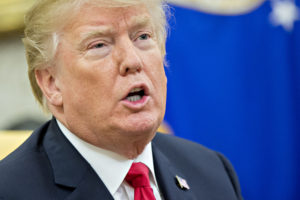
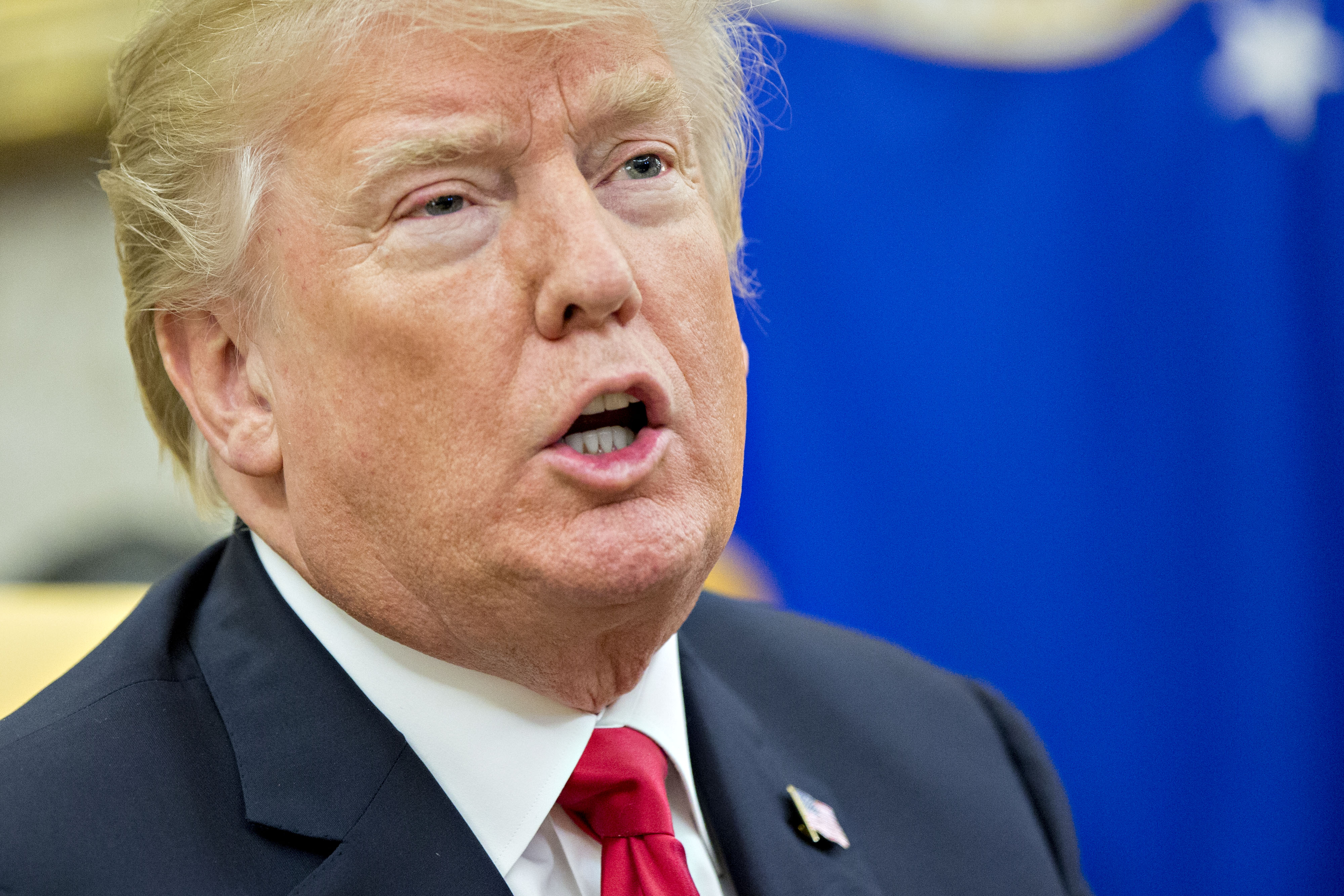
President of the United States of America Donald Trump on Tuesday denied any racist “strategy” behind a string of verbal attacks on African-Americans, but found himself being accused of hate by a heckler at a high-profile speech.
“I have no strategy. I have zero strategy,” Trump told reporters at the White House, when asked about his recent tirades against black and other non-white opponents, as well as the majority black city of Baltimore. “I’m not angry at anybody,” he said.
Earlier, Trump denounced the “horrors” of slavery in a speech in Jamestown, Virginia, celebrating the founding of the first local legislature there by English colonists 400 years ago.
In his speech, Trump noted that along with the first settlers came the first African slaves, making Jamestown a symbol not just of US democracy but of mass slavery.
“We remember every sacred soul who suffered the horrors of slavery,” Trump said, calling this the “barbaric trade in human lives.”
But black Virginia state lawmakers boycotted the event, saying it had been “tarnished” by Trump. “It is impossible to ignore the emblem of hate and disdain that the president represents,” the African-American lawmakers said in a statement, accusing Trump of using “racist and xenophobic rhetoric.”
And in a rare interruption of a presidential speech, a Virginia state lawmaker heckled Trump and held up a sign reading “Deport hate” and “Go back to your corrupted home.” Trump paused his speech while the man was led away but did not say anything. – ‘Least racist’ –
The president has shown little of that restraint over the last two weeks, with a barrage of racially loaded insults.
Trump has laid repeatedly into four non-white Democratic congresswomen, a respected African-American Democratic lawmaker from Baltimore, as well as veteran black civil rights activist Al Sharpton.
That pattern has prompted an outpouring of criticism that Trump is deliberately deepening racial divisions in a pitch to his white, working-class base ahead of his 2020 reelection bid.
At the White House, he told reporters: “I am the least racist person anywhere in the world.”
But he then claimed that Sharpton is a racist and he continued to lash out at Baltimore, suggesting on Tuesday that violent crime there is worse than in Honduras, a country with one of the world’s highest homicide rates outside a war zone.