

CopyRight @2009 The Maravi Post , An Eltas EnterPrises INC Company Since @2005. Publishing and Software Consulting company
Contact us: contact@maravipost.com
CopyRight @2009 The Maravi Post , An Eltas EnterPrises INC Company Since @2005. Publishing and Software Consulting company
Contact us: contact@maravipost.com

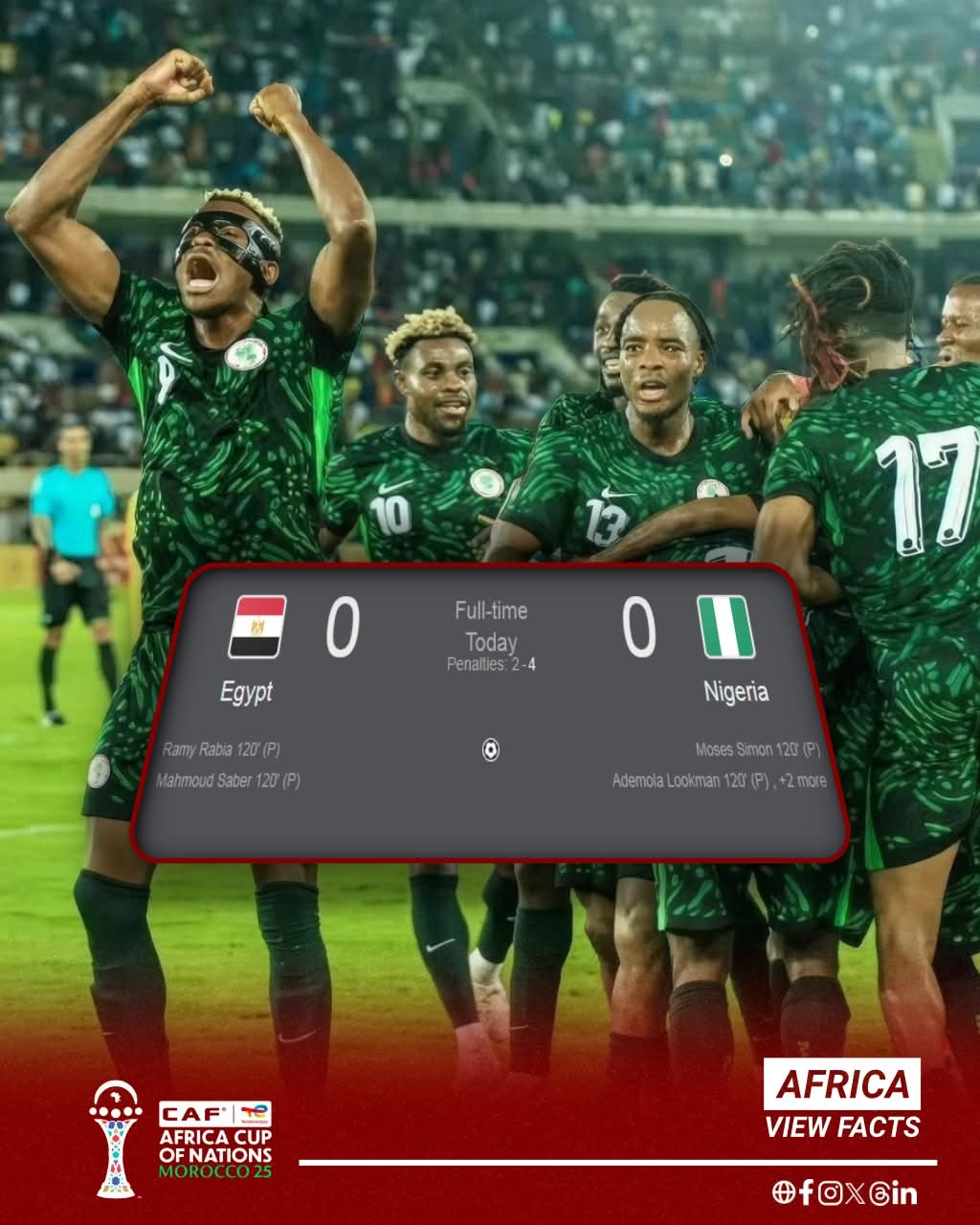
….Beat Egypt 4-2 on penalties..
CASABLANCA-(MaraviPost)-Nigeria have finished the 2025 Africa Cup of Nations (AFCON) in third place after edging past seven time champions Egypt 4–2 on penalties following a goalless draw in the third place playoff.
The encounter, played on Saturday evening in Morocco, was a tightly contested affair with both sides struggling to break the deadlock in regulation time. E
gypt and Nigeria created half chances but solid defending and disciplined goalkeeping ensured the match ended 0–0, forcing a penalty shootout to decide the bronze medal.
In the shootout, Nigeria showed greater composure from the spot. The Super Eagles converted four of their penalties, while Egypt missed two, handing Nigeria a deserved victory and confirming their place on the AFCON 2025 podium.
Nigeria’s goalkeeper emerged as one of the key figures of the night, making crucial saves that swung the momentum in favour of the West Africans.
For Nigeria, the result caps off a strong campaign, especially after narrowly missing out on a place in the final. Finishing third adds another respectable achievement to their rich AFCON history and reinforces their reputation as one of Africa’s most consistent footballing nations.
Egypt, meanwhile, had to settle for fourth place despite their experience and pedigree in the competition. The Pharaohs will reflect on missed opportunities in both the semi final and the third place match as they look ahead to future tournaments.
The AFCON 2025 final is scheduled for Sunday with hosts Morocco facing Senegal.

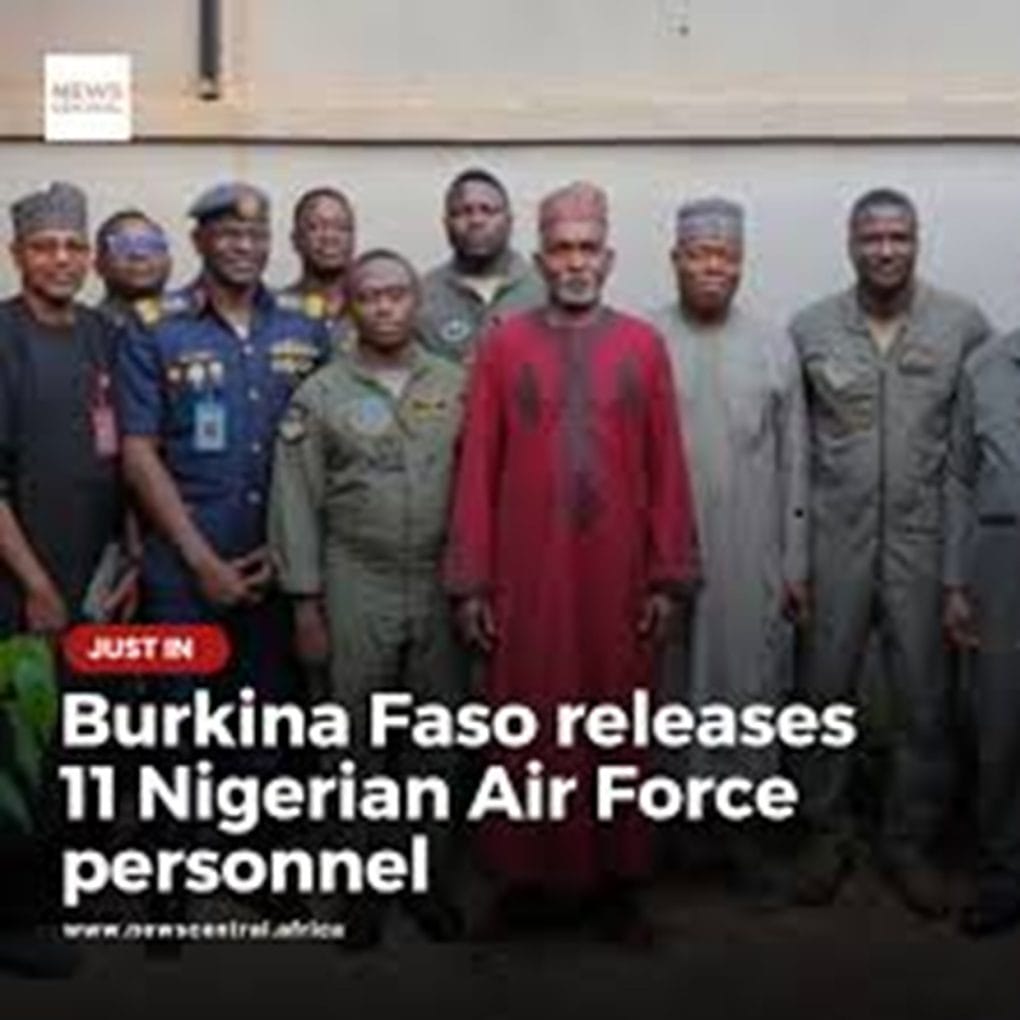

ABUJA, Nigeria (AP) — Burkina Faso on Wednesday released 11 Nigerian Air Force personnel who were detained more than a week ago after their aircraft made an emergency landing, Nigeria’s foreign minister said.
“Through sustained dialogue, we also resolved the matter concerning Nigerian Air Force pilots and crew, reaffirming the effectiveness of diplomacy in addressing sensitive issues,” Foreign Affairs Minister Yusuf Tuggar said Thursday in a statement on X.

Burkina Faso’s military junta, led by Ibrahim Traoré, released the personnel after meetings with a Nigerian delegation led by Tuggar, the statement said.
The personnel detained on Dec. 8 included two flight crew members and nine passengers, officials said.
“Matters have been resolved,” Alkasim Abdulkadir, a spokesperson for Tuggar, told The Associated Press. “They are no longer detained.”
Nigeria and Burkina Faso agreed to hold regular consultations and pursue steps to deepen bilateral cooperation and regional integration, Abdulkadir said.
The Nigerian Air Force said last week that the aircraft was headed to Portugal for scheduled maintenance when it made the emergency landing in western Burkina Faso. The air force said the landing was done in accordance with international guidelines and standard safety procedures.
But Foreign Minister Tuggar said Wednesday in a televised speech on Burkina Faso’s state broadcaster that there were “irregularities concerning the overflight authorizations” and apologized for the incident.
The emergency landing had prompted the Alliance of Sahel States to place its air and anti-air defenses on maximum alert with authorization “to neutralize any aircraft that violates the confederation’s airspace,” according to a statement by Gen. Assimi Goita, leader of Mali’s military junta. The alliance includes Burkina Faso, Mali and Niger.
The crew will now fly the aircraft to Portugal for the scheduled maintenance, Nigerian foreign ministry spokesperson Kimiebi Ebienfa said Thursday
The emergency landing occurred at a time of fractured relations between the Alliance of Sahel States and Nigeria, which was involved in intervention efforts that helped reverse a short-lived coup earlier this month in Benin, where the Nigerian Air Force conducted airstrikes targeting the coup plotters. Burkina Faso is on the northwest border of Benin, and Nigeria is on Benin’s eastern border.
Nigeria is among 15 members of West Africa’s regional bloc, the Economic Community of West African States, or ECOWAS.
Burkina Faso, Mali and Niger formed the Sahel alliance after withdrawing from ECOWAS, which the alliance accuses of inhumane, coup-related sanctions and working against the interests of citizens in alliance countries.
Subscribe to get the latest posts sent to your email.


Godfrey’s not convinced Nicki Minaj is going to bat for Christians in Nigeria for all the right reasons … and he wonders if she’s trying to get on President Trump’s good side for something down the line. We got the comedian at LAX on Monday, and…
Subscribe to get the latest posts sent to your email.



By Leo Igwe
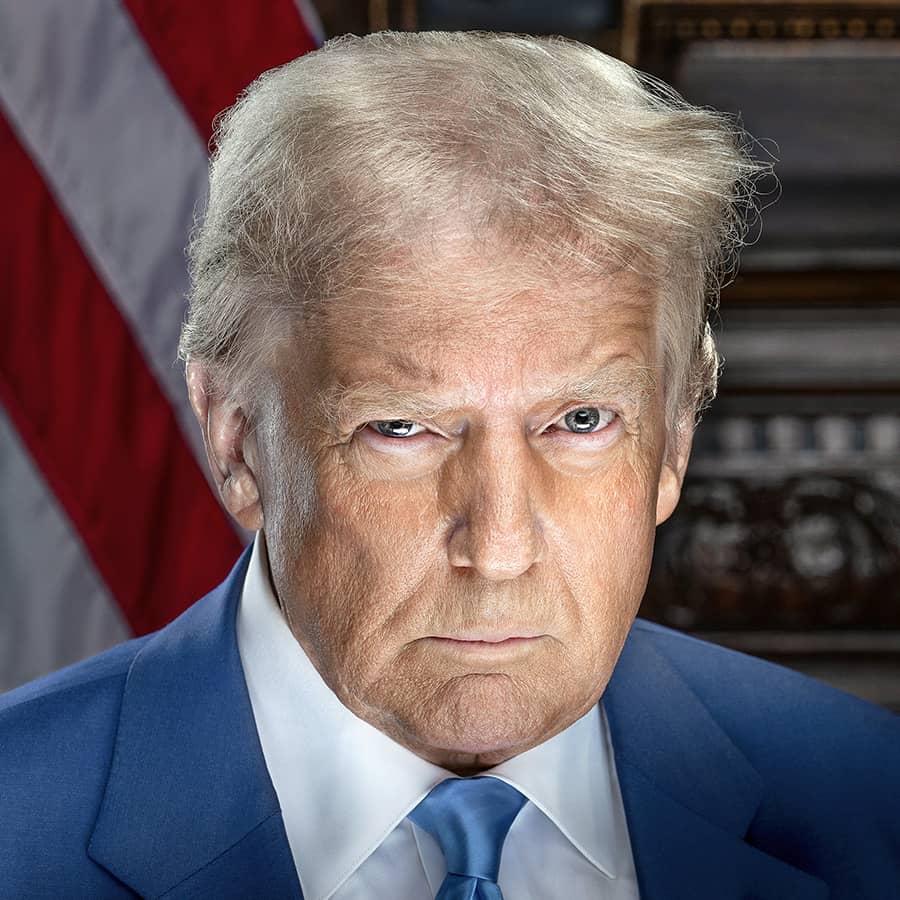
President Trump’s designation of Nigeria as a country of particular concern comes at a time when this West African nation is grappling with enormous freedom of religion or belief (FORB) issues. Nigeria has clearly demonstrated its unwillingness and limited ability to tackle radical Islam and uphold the freedom of religion or belief of all its citizens. In his post on X, Trump stated that he was blacklisting Nigeria because radical Islamists had been killing and persecuting thousands of Christians in the country, and the government of Nigeria had done little to address the problem. Is this not a fact? A Country of Particular Concern is a designation by the US Secretary of State of a country that has engaged in severe violations of religious freedom. Let’s face it. There have been severe religious freedom violations in Nigeria, and the government has been a perpetrator or an enabler of these violations. So instead of engaging in subterfuge or in the game of distraction, denial, or minimization of the violations, Nigeria should see this designation as an opportunity and face up to its failures to tackle radical Islam in its state and non-state forms in the country. Nigeria should use this designation to confront and address lingering freedom of religion or belief (FORB) infractions. And there are many of them.

Unfortunately, Nigeria might not seize this opportunity as expected for the following reasons. First of all, radical Islam is indistinguishable from mainstream Islamic religion in the country. The distinction between extremist and moderate Islams is academic. It is not clear where Islam stops and radical Islam begins. Some muslims who describe themselves as moderates support that apostates and blasphemers be killed and homosexuals be exterminated. At independence, Nigeria inherited a radical form of Islam, which is a form of Islam that is promoted with force and violence. The post-independence Nigerian history has been marked by widespread religious violence, conflict, and bloodshed. So radical Islam constitutes a way of life, a religious norm in the country. Radical muslim preachers operate freely. They have their mosques and millions of followers in the country. Radical muslim clerics incite and perpetrate violence with impunity as a part of the everyday preaching and practice.
Also, as a result of pressures from the Islamic establishment, the Nigerian government has been reluctant to call out radical Islam and radical Islamists. There is no official acknowledgment of radical Islamic infractions and abuses. Boko Haram militants have been waging a campaign to implement sharia law and impose an Islamic state. But the Nigerian government prefers to misrepresent the jihadist intent and mission. It does not want to acknowledge the Islamic component, element, and motivation of Boko Haramists and their allies. State agencies describe them as insurgents and bandits, as common criminals. Yes, jihadists and Islamists are criminals. But they are criminals with an Islamic agenda.
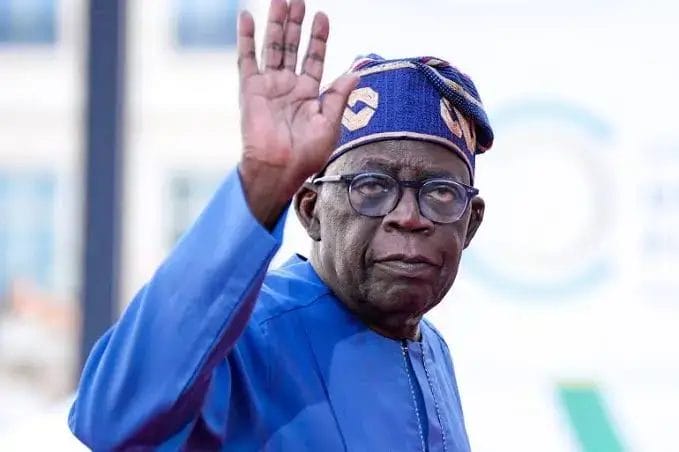
In his response, the Nigerian President, Bola Tinubu, has pushed back on the designation. He described it as unreflective of “our national reality”. I mean, which national reality is President Tinubu talking about? Are radical Islamists not attacking and killing Christians in Nigeria? Is that not the national reality? Some people have argued that Trump sided with Christians, that jihadists are also killing muslims, and in fact they have killed more muslims than Christians. Incidentally, that reaction validates the position of Trump and the US government. It acknowledgments that radical Islam poses an existential threat to Nigeria and Nigerians.
In his statement, Tinubu further noted that Nigeria is a democracy governed by constitutional guarantees of religious liberty. But this guarantee is in principle not in practice; it is in theory not in fact. In practice, the government is in breach of this provision, and its responsibility to protect the FORB of all Nigerians. Nigerians who are born into muslim families cannot leave their faith. Nonmuslims cannot freely express their beliefs or practice their faith in Sharia-implementing states. Muslim mobs have attacked traditional religious worshippers. Many people have been accused, attacked, and murdered for blasphemy in Northern Nigeria. Muslim students murdered a christian lady Deborah Samuel in Sokoto. Muslim mobs killed Pastor Shuaibu in Kano, Ammaye, a food seller, in Niger state, and no one was brought to justice. Instead, Sharia governments have arrested, prosecuted, and jailed alleged blasphemers. These legal and judicial anomalies must stop.
The government of Nigeria should not waste money sending delegations to Washington DC to lobby the Trump administration. It should invest the resources in furthering religious liberty and bringing radical islamists to justice. President Tinubu should end the chislamic politics that focuses on appeasing leaders of these two main religions. His government should abolish blasphemy and apostasy laws, punish perpetrators of abuses linked to blasphemy and apostasy, including the ‘desecration’ of the Quran.
Nigeria should protect the FORB of all Nigerians, including traditional religious worshippers, religious dissenters, atheists, and nones.
Leo Igwe is a humanist and scholar of religion.
Subscribe to get the latest posts sent to your email.
Africa, Civil Society, Climate Change, Development & Aid, Energy, Environment, Featured, Food and Agriculture, Gender, Headlines, Sustainable Development Goals, TerraViva United Nations
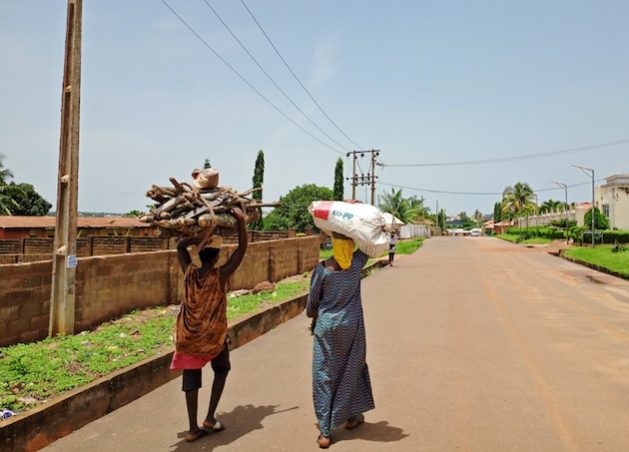
Nigerian women returning from the forest with firewood. Credit: Peace Oladipo/IPS
– One sunny mid-morning in Omu-Aran village, a community in Kwara State, North Central Nigeria, Iyabo Sunday sat beside a firewood stand observing her pot of beans with rice (a combination enjoyed by many in Nigeria).
The 52-year-old widow used her plastic dirt parker to fan the flames, occasionally blowing air through her mouth for speed and frantically shielding her face from the wisps of smoke that curled from the firewood.
After a hike in electricity tariffs, Sunday told IPS that she abandoned her electric-powered stove for cooking gas. But instability in the “economy has successfully caused me to move back to the firewood since my children and I must eat.”
Oyedele Christiana, a 41-year-old restaurateur who specializes in making fufu, a local delicacy made from cassava, expressed her wish to stop using firewood and charcoal but was constrained by finances. “The smoke enters my eyes and makes me cough a lot. I usually use firewood for my canteen business, while I use charcoal at home for household cooking.”
Like Iyabo, Christiana made use of cooking gas. The sporadic increase in the price of domestic gas has since pushed her to the traditional cooking method, with its attendant havoc on her eyes and lungs. “I am not as old as I look, but cooking has done this,” Oyedele sighed.
The price of cooking gas in Nigeria has soared wildly amid the country’s inflation woes. The removal of subsidy on petrol products, together with a depreciation of the naira, has resulted in a steep increase in the cost of food and transportation. This hike in the cost of living comes amid a minimum wage of N30,000 ($18), ranked among the lowest in the world, according to Picodi.
The price of 12.5 kg of cooking gas increased from N7,413. ($4) in 2022 to N16,875 ($10) in February 2024 across the country, a price just half the national minimum wage.
Implications on Women, Environment
Women living in grassroots communities who can no longer afford cooking gas have no choice but to bear the harsh method of cooking with firewood. Many, like Ajayi Omole, an octogenarian living in Akungba, a town in Ondo State, have made cooking with firewood a delight due to the lack of alternatives.
“We usually go into the forest, get the trees, sun dry (them), and prepare them for cooking.” However, she said, “I have a stove inside my room but I can’t use it because I don’t have enough to purchase kerosene.”
The nation’s alarming poverty circle, where Iyabo and Oyedele belong, speaks loudly about the reality of clean cooking. Statistics indicate that 63 percent of the entire population mostly relies on traditional method cooking, usually described as ‘dirty’.
The National Council on Climate Change (NCCC) has stated that, aside from the dangers of deforestation and climate destruction, the use of firewood and charcoal for cooking directly affects women’s health. This is in agreement with figures from the Federal Ministry of Environment about how more than 98,000 Nigerian women die annually from smoke inhaled while cooking with firewood.
Aisha Sulaiman, a renewable energy and green hydrogen technologist, said that rising prices of cooking gas have caused many to transition back to the use of firewood and charcoal, leading many women to multiple health issues. She emphasized that women suffer stronger health issues as secondhand smokers.
She said, “In an African setting, women belong to the kitchen; that’s how the narrative is, even if that is not supposed to be. In rural communities, the main source of energy in terms of cooking is the traditional method, which is unsustainable and harmful.
“The traditional methods of cooking involve charcoal and firewood. These are materials that lead to the release of greenhouse gases, particularly CO2, into our environment, and this in turn contributes to global warming, which brings about climate change.”
Speaking on women’s health, Sulaiman mentioned that respiratory diseases could stem from inhaling smoke from charcoal and firewood. “These methods are a source of air pollution, which can cause serious health issues. Overexposure to the smoke also leads to a disease called chronic obstructive pulmonary disease, which is very endemic to women,’’ she said. Sulaiman added that the Nigerian government should prioritize making clean energy accessible and cost-competitive to procure its acceptance by the people in low-income communities.
Ibrahim Muhammad, an energy consultant and team lead at Climate Alaramma Sustainable Development Initiative, a youth-led environmental organization in northern Nigeria, argued that the transition back to the traditional method of cooking would increase deforestation. He said the increase in LPG’s price is connected to the nation’s economic downturn.
In his words, “There is extensive research demonstrating the significant impact of traditional cooking methods on women and children. These methods contribute to deforestation and air pollution, particularly through the emission of smoke.”
Muhammad noted that women’s transition to traditional cooking was a setback in Nigeria’s transition plan to energy, especially in the area of clean cooking.
The Nigerian government and international development partners must find avenues for cleaning cooking infrastructure to be subsidized so that rural communities, mostly affected, can be able to afford it. According to him, “Considering the nature of some communities that are into agriculture, they are expected to be supported with infrastructure that can help them use this agricultural waste to cook. Additionally, the prices of these clean cooking stoves that are being developed are subsidized.”
Speaking further on alternatives, he added, “Briquettes, produced from agricultural waste, typically resemble charcoal and can perform all the functions of charcoal. They are energy-efficient and made from various agricultural waste materials, thus not promoting deforestation.”
Muhammad added that harmless solutions should be created to fit in Nigeria’s context; electric stoves may be considered impossible due to unstable electricity.
“Solar cookers are typically used when it is sunny, but many people hardly have lunch, they mostly focus on breakfast and dinner. Many women cook early in the morning or evening, so we need to tailor solutions to our specific circumstances,’’ he said.
IPS UN Bureau Report






