Defending Democracy in a “Topsy-Turvy” World

Active Citizens, Africa, Asia-Pacific, Civil Society, Democracy, Development & Aid, Editors’ Choice, Featured, Green Economy, Headlines, Human Rights, Humanitarian Emergencies, Middle East & North Africa, Press Freedom, Sustainable Development Goals, TerraViva United Nations
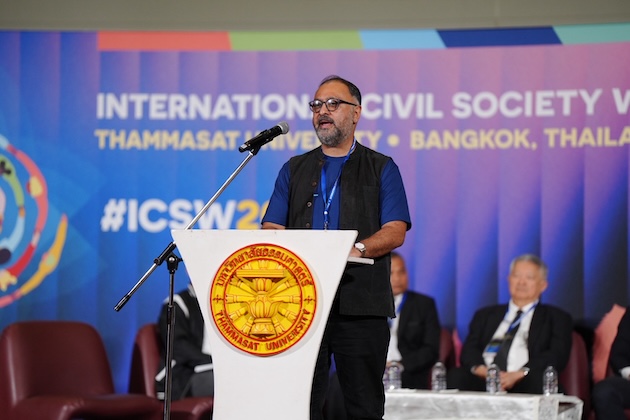
Secretary General of CIVICUS, Mandeep Tiwana, at International Civil Society Week 2025. Credit: Civicus

Secretary General of CIVICUS, Mandeep Tiwana, at International Civil Society Week 2025. Credit: Civicus

BANGKOK, Nov 1 2025 (IPS) – It is a bleak global moment—with civil society actors battling assassinations, imprisonment, fabricated charges, and funding cuts to pro-democracy movements in a world gripped by inequality, climate chaos, and rising authoritarianism. Yet, the mood at Bangkok’s Thammasat University was anything but defeated.


Once the site of the 1976 massacre, where pro-democracy students were brutally crushed, the campus—a “hallowed ground” for civil society actors—echoed with renewed voices calling for defending democracy in what Secretary General of CIVICUS, Mandeep Tiwana, described as a “topsy-turvy world” with rising authoritarianism—a poignant reminder that even in places scarred by repression, the struggle for civic space endures.

“Let it resonate,” said Ichal Supriadi, Secretary General, Asian Democracy Network. “Democracy must be defended together,” adding that it was the “shared strength” that confronts authoritarianism.

Despite the hopeful spirit at Thammasat University, where the International Civil Society Week (ICSW) is underway, the conversations often turned to sobering realities. Dr. Gothom Arya of the Asian Cultural Forum on Development and the Peace and Culture Foundation reminded participants that civic freedoms are being curtailed across much of the world.

Citing alarming figures, he spoke bluntly of the global imbalance in priorities—noting how military expenditure continues to soar even as civic space shrinks. He pointedly referred to the United States’ Ministry of Defense as the “Ministry of War,” comparing its USD 968 billion military budget with China’s USD 3 billion and noting that spending on the war in Ukraine had increased tenfold in just three years—a stark illustration of global priorities. “This is where we are with respect to peace and war,” he said gloomily.
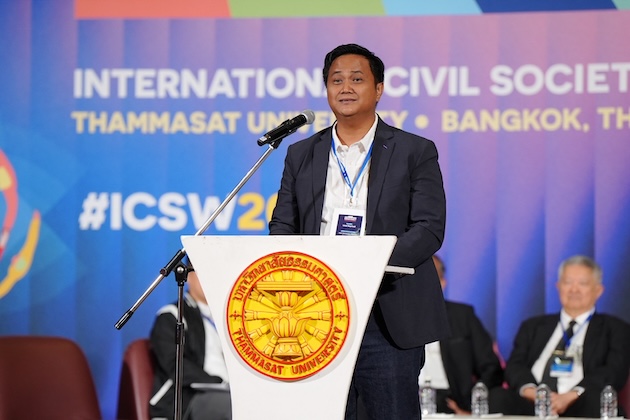
Ichal Supriadi, Secretary General, Asian Democracy Network. Credit: Civicus

Ichal Supriadi, Secretary General, Asian Democracy Network. Credit: Civicus

At another session, similar reflections set the tone for a broader critique of global power dynamics. Walden Bello, a former senator and peace activist from the Philippines, argued that the United States—especially under the Trump administration—had abandoned even the pretense of a free-market system, replacing it with what he called “overt monopolistic hegemony.” American imperialism, he said, “graduated away from camouflage attempts and is now unapologetic in demanding that the world bend to its wishes.”
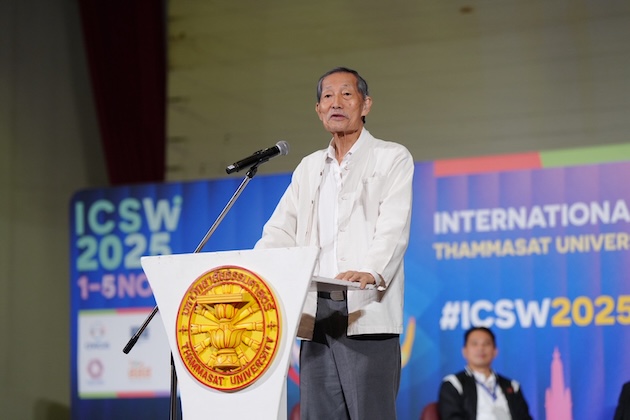
Dr. Gothom Arya of the Asian Cultural Forum on Development and the Peace and Culture Foundation. Credit: Civicus

Dr. Gothom Arya of the Asian Cultural Forum on Development and the Peace and Culture Foundation. Credit: Civicus

Dr. Pervez Hoodbhoy, a Pakistani physicist and author, echoed the sentiment, expressing outrage at his own country’s leadership. He condemned Pakistan’s decision to nominate a “psychopath, habitual liar, and aggressive warmonger” for the Nobel Peace Prize, saying that the leadership had “no right to barter away minerals and rare earth materials to an American dictator” without public consent.

Hoodbhoy urged the international community to intervene and restart peace talks between Pakistan and India—two nuclear-armed neighbors perpetually teetering on the edge of renewed conflict.

But at no point during the day did the focus shift away from the ongoing humanitarian crises. Arya reminded the audience of the tragic loss of civilian lives in Gaza, the devastating fighting in Sudan that had led to widespread malnutrition, and the global inequality worsened by climate inaction. “Because some big countries refused to follow the Paris Agreement ten years ago,” he warned, “the rest of the world will suffer the consequences.”

That grim reality was brought into even sharper relief by Dr. Mustafa Barghouthi, a Palestinian physician and politician, who delivered a harrowing account of Gaza’s devastation. He said that through the use of  American-supplied weapons, Israel had killed an estimated 12 percent of Gaza’s population, destroyed every hospital and university, and left nearly 10,000 bodies buried beneath the rubble.

“Even as these crises unfolded across the world, the conference demonstrated that civil society continues to persevere, as nearly 1,000 people from more than 75 organizations overcame travel bans and visa hurdles to gather at Thammasat University, sharing strategies, solidarity, and hope through over 120 sessions.

Among them was a delegation whose presence carried the weight of an entire nation’s silenced hopes—Hamrah, believed to be the only Afghan civil society group at ICSW.

“Our participation is important at a time when much of the world has turned its gaze away from Afghanistan,” Timor Sharan, co-founder and programme director of the HAMRAH Initiative, told IPS.

“It is vital to remind the global community that Afghan civil society has not disappeared; it’s fighting and holding the line.”

Through networks like HAMRAH, he said, activists, educators, and defenders have continued secret and online schools, documented abuses, and amplified those silenced under the Taliban rule. “Our presence here is both a statement of resilience and a call for solidarity.”

“Visibility matters,” pointed out Riska Carolina, an Indonesian woman and LGBTIQ+ rights advocate working with ASEAN SOGIE Caucus (ASC). “What’s even more powerful is being visible together.”

“It was special because it brought together movements—Dalit, Indigenous, feminist, disability, and queer—that rarely share the same space, creating room for intersectional democracy to take shape,” said Carolina, whose work focuses on regional advocacy for LGBTQIA+ rights within Southeast Asia’s political and human rights frameworks, especially the ASEAN system, which she said has historically been “slow to recognize issues of sexuality and gender diversity.”

“We work to make sure that SOGIESC (Sexual Orientation, Gender Identity and Expression, and Sex Characteristics) inclusion is not just seen as a niche issue, but as a core part of democracy, governance, and human rights. That means engaging governments, civil society, and regional bodies to ensure queer people’s participation, safety, and dignity is part of how we measure democratic progress.”

She said the ICSW provided ASC with a chance to make “visible” the connection between civic space, democracy, and queer liberation and to remind people that democracy is not only about elections but also about “who is able to live freely and who remains silenced by law or stigma.”

Away from the main sessions, civil society leaders gathered for a candid huddle—part reflection, part reckoning—to examine their role in an era when their space to act was shrinking.

“The dialogue surfaced some tough but necessary questions,” he said. They asked themselves: ‘Have we grasped the full scale of the challenges we face?’ ‘Are our responses strong enough?’ ‘Are we expecting anti-rights forces to respect our rules and values?’ ‘Are we reacting instead of setting the agenda? And are we allies—or accomplices—of those risking everything for justice?’

But if there was one thing crystal clear to everyone present, it was that civil society must stand united, not fragmented, to defend democracy.

IPS UN Bureau Report

  Source

SNAP decision, Open Enrollment, Electricity Prices Increase

<

p class=”readrate” data-rr=”16″ style=”line-height: 1.2;” data-pm-slice=”1 1 []”>Two judges rule that it’s unlawful for President Trump to suspend SNAP food benefits. With higher premiums and a government shutdown, open enrollment for health insurance is different this year. Higher electricity prices are factoring into who voters in New Jersey and Virginia pick as their governors.

<

p class=”readrate” data-rr=”16″ style=”line-height: 1.2;”>

Learn more about sponsor message choices: podcastchoices.com/adchoices

NPR Privacy Policy


Discover more from The Maravi Post

Subscribe to get the latest posts sent to your email.

The Maravi Post

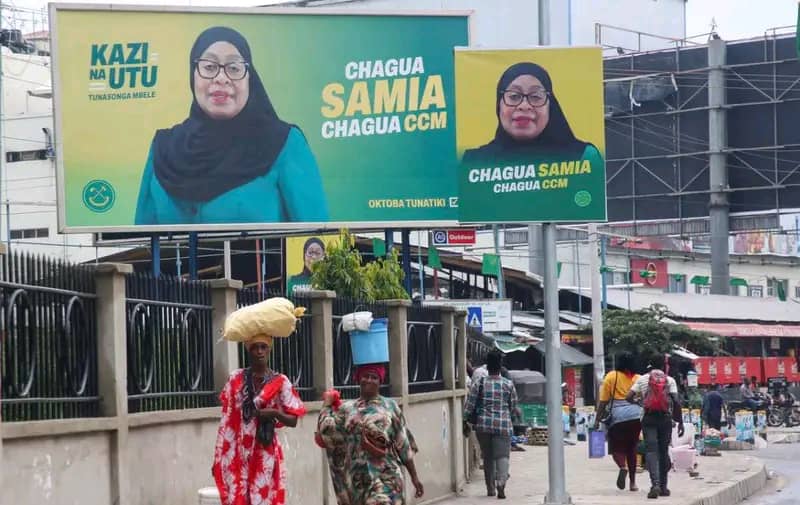
President Samia Suluhu retains seat with 98% amidst disputed Tanzanian Election

….Opposition, civil society, and international observers question the credibility of the October 29 polls as reports of violence, internet shutdowns, and irregularities dominate the aftermath.

DODOMA-(MaraviPost)-Tanzania’s National Electoral Commission has declared President Samia Suluhu Hassan the winner of the country’s highly contested October 29 election, securing an overwhelming 98 percent of the vote.

The announcement, made late Friday evening, has been met with both celebration among ruling party supporters and outrage from opposition figures who have labelled the election a “sham” marred by manipulation and intimidation.

The opposition and civil society organizations have rejected the results, alleging widespread irregularities, including ballot stuffing, restricted access for observers, and the detention of opposition polling agents.

Reports have also emerged of an extensive internet shutdown that coincided with the voting and counting periods, further fueling suspicions that the digital blackout was a deliberate attempt to block transparency and restrict communication.

In several regions, especially in opposition strongholds, witnesses have reported incidents of post-election violence involving clashes between protesters and security forces. Human rights groups have expressed alarm at the reports of beatings, arrests, and disappearances that have followed the declaration of results.

International observers from the African Union, the European Union, and several diplomatic missions have voiced serious concerns about the credibility of the process, citing limited access to polling stations and the lack of a level playing field for all candidates.

Despite the mounting criticism, President Samia Suluhu has called for unity and calm, urging Tanzanians to respect the verdict of the electoral body and move forward “as one nation under peace and democracy.”

However, opposition leaders have dismissed her appeal, insisting that democracy cannot exist without accountability and that the election results represent “a complete betrayal of the Tanzanian people’s will.”

Civil society groups have now called on the international community to intervene and support an independent review of the election results, warning that the country risks sliding into deeper political instability if grievances are ignored.

As tensions continue to rise across several regions, the government has deployed additional security forces to maintain order, while social media users report restricted access to platforms such as X, Facebook, and WhatsApp.

For many Tanzanians, the events surrounding this election echo painful memories of past polls where allegations of state interference overshadowed democratic aspirations.

With a 98 percent victory margin, questions continue to grow over whether the result reflects genuine popular support or the tightening grip of power by a government increasingly accused of silencing dissent.

The world now watches closely as Tanzania stands at a critical crossroads — between maintaining stability and restoring the people’s faith in democracy through transparency, justice, and reform.


Discover more from The Maravi Post

Subscribe to get the latest posts sent to your email.

The Maravi Post

A new political dawn in Malawi with Mutharika’s merit-based cabinet appointments

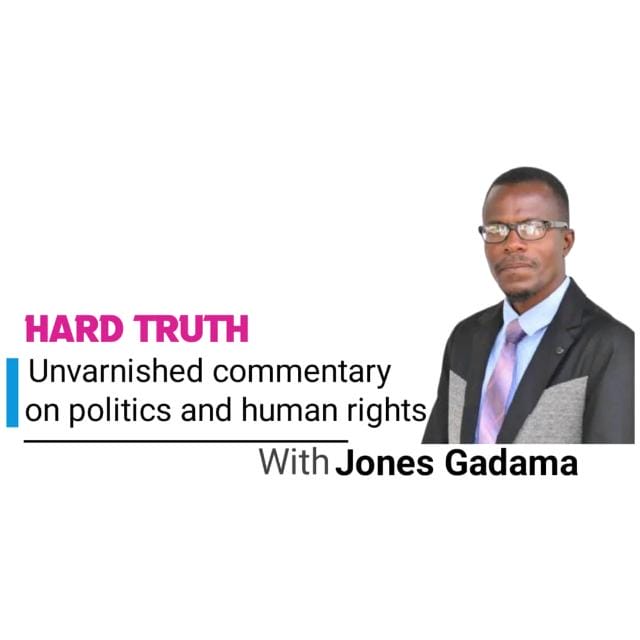
The hard truth is that President Peter Mutharika’s cabinet appointments are a breath of fresh air in Malawi’s political landscape.

After years of misrule and economic mismanagement under the previous administration, Malawi was on the brink of collapse.

The late President Bingu wa Mutharika’s legacy was still fresh in the minds of Malawians, and the country was beginning to forget what good governance looked like.

However, with President Mutharika’s return to power, Malawians are once again hopeful for a brighter future.

The hard truth is that the previous administration, led by President Lazarus Chakwera, was notorious for its blatant regionalism and nepotism.

The Central Region, particularly Ntchisi, Dowa, and Lilongwe, seemed to be the only areas that mattered.

Key positions were allocated to individuals from these regions, leaving other regions feeling marginalized and disenfranchised. This led to a lack of national unity and a sense of belonging among Malawians.

Chakwera’s cabinet was bloated, with over 30 members, most of whom were more interested in feasting on the country’s arable resources than in serving the people.

The economy was on the brink of collapse, and Malawians were struggling to make ends meet.

The hard truth is that President Mutharika has taken a different approach. His cabinet appointments are a masterclass in balance and meritocracy.

The lean cabinet of 24 members, including his two vice presidents, is a testament to his commitment to efficiency and effectiveness.

The appointments cut across all regions, with individuals chosen based on their expertise and qualifications.

The Southern Region is well-represented, with key ministers such as Joseph Mwanamvekha, George T. Chaponda, and Mary Navicha, who bring a wealth of experience and knowledge to their respective ministries.

The hard truth is that the Central Region, which was previously favored by the Chakwera administration, has also been given a fair share of representation.

However, the key difference is that appointments were based on merit, not cronyism or regional loyalty.

Alfred Ruwan Gangata, Peter Mukhito, and Patricia Wiskies are just a few examples of highly qualified individuals who have been appointed to key positions.

The Northern Region has also been well-represented, with Second Vice President Enock Chihana and Ministers Charles Mhango, Madalitso Baloyi, and Jappie Mhango, who bring a wealth of experience and expertise to their respective ministries.

The hard truth is that the Eastern Region has not been left out, with Ministers Roza Mbilizi Fachi, Bright Msaka, Feston Kaupa, and Shadrick Namalomba being appointed to key ministries.

These appointments demonstrate President Mutharika’s commitment to national unity and inclusivity.

By giving all regions a fair share of representation, he has sent a strong message that Malawi is one and united.

The hard truth is that President Mutharika’s cabinet appointments are not without criticism.

Some have faulted him for appointing individuals with pending court cases.

However, it is essential to remember that every individual is presumed innocent until proven guilty.

What is important is that these individuals are given a chance to clear their names and serve their country.

President Mutharika’s commitment to meritocracy and competence is evident in his appointments, and he should be commended for taking a bold step in appointing the best person for the job, regardless of their background.

The hard truth is that Malawi’s future looks bright with President Mutharika at the helm.

His commitment to good governance, accountability, and transparency is evident in his cabinet appointments.

Malawians should be proud of their president, who has put aside regional and party loyalties to form a government that truly represents the people.

The days of regionalism and nepotism are behind us, and Malawi is now one united nation, working towards a brighter future.

President Mutharika’s cabinet appointments are a testament to his commitment to meritocracy, balance, and national unity.

The hard truth is that Malawi was on the brink of collapse under the previous administration, but President Mutharika’s return to power has brought new hope and a sense of direction.

With a lean and efficient cabinet, Malawians can expect better governance and service delivery.

The future looks bright, and Malawians should rally behind their president as he works tirelessly to build a better Malawi for all.


Discover more from The Maravi Post

Subscribe to get the latest posts sent to your email.

The Maravi Post

My Take On It: Men over 40 get annual Prostate Cancer screening!

DataPathology: Human capital and digital technology in alliance against cancer

“Is anyone among you sick? Let them call the elders of the church to pray over them and anoint them with oil in the name of the Lord. And the prayer offered in faith will make the sick person well; the Lord will raise them up. If they have sinned, they will be forgiven.” – James 5:14-15

All around the world, the month of October is commemorated (or remembered) as Breast cancer Awareness Month.

During this month, many women remember to wear pink outfits, hats, or shoes, and handbags. But throughout the year women also get the government-ordained annual breast cancer screening; most governments around the world pay for this screening.

This screening has detected breast cancer early, managed, and/or treated. This has saved many women’s lives or allowed them to live longer, put their affairs in order.

The same now needs to be done for men over 55 years old.

Governments must come up with ordinances to get men screened for prostate cancer; they should also set aside funds for the screening to be paid for by the government.

In the past 10 months numerous men have succumbed to prostate cancer, some are battling the gruesome illness. Sadly many men (not being required by government ordinance) get the cancer and are sometimes only diagnosed with the disease at its advanced stage.

Prostate cancer is a type of cancer that develops in the prostate gland, which is part of the male reproductive system. The US Centers for Disease Control and Prevention (CDC) states that “the prostate is a part of the male reproductive system, which includes the male reproductive organ, prostate, seminal vesicles, and testicles.

The prostate is located just below the bladder and in front of the rectum. It is about the size of a walnut and surrounds the urethra (the tube that empties urine from the bladder). It produces fluid that makes up a part of semen….Prostate cancer is a disease in which cells in the prostate grow out of control.”

The CDC furthermore points out in the Prostate Cancer Fact Sheet “…most men with prostate cancer have no symptoms.

However, some men experience the following: frequent urination, trouble urinating, blood in urine or semen, pain in the back, hips, or pelvis. These may be caused by conditions other than prostate cancer,” the CDC therefore advises men to talk to their doctor if they experience any or all of these symptoms. Below are the symptoms of prostate cancer:

Difficulty starting urination, weak or interrupted flow of urine, urinating often, especially at night, trouble emptying the bladder completely, pain or burning during urination, blood in the urine or semen, pain in the back, hips, or pelvis that doesn’t go away, painful ejaculation.

The CDC states that men that are 65 and older are more likely to be diagnosed with prostate cancer. Another likelihood is if a member of the family has been diagnosed with the disease.

Lastly the CDC states that compared to other men, black or African American men are more likely to get prostate cancer, get prostate cancer at a younger age, have a more advanced stage of prostate cancer when it’s found, and sadly die from prostate cancer. So, please do not wait until you are 55 if you are a black man or African American man!

The U.S. Preventive Services Task Force, a group of medical experts, recommends, and I strongly agree and recommend all men reading this column “…..that men 55 to 69 years old make individual decisions about prostate cancer screening. Talk to your doctor about your risk and how you feel about the benefits and harms of screening.”

The task force says the goal of the screening is to look for cancers that are likely to spread if untreated. While some of these cells may not grow at all, most grow slowly.

“The most common screening method is the prostate specific antigen (PSA) test, which measures PSA levels in your blood. PSA is a substance the prostate makes.

Higher PSA levels can show a prostate problem, but it doesn’t always mean you have cancer. If your PSA level is high, your doctor may recommend a biopsy.

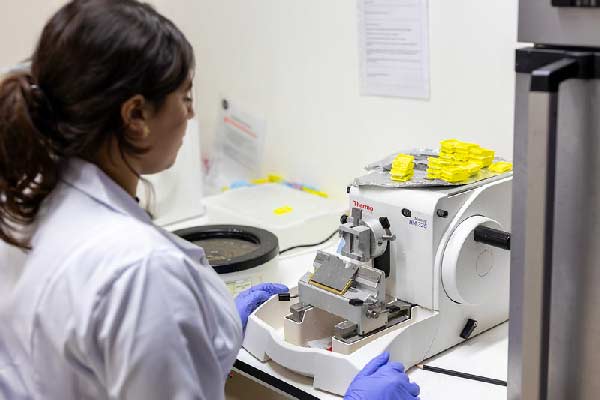
This means removing a small piece of tissue from your prostate to examine under a microscope for cancer cells,” the task force informs on the fact sheet.

According to the Force, the benefits of finding prostate cancer that has a high risk of spreading, may lower the chance of death from prostate cancer in some men.

The force warns however, that there is harm in having an abnormal PSA test result when there is no prostate cancer, which could lead to unnecessary tests, like a biopsy. And regrettably “prostate biopsy can cause pain, infection, and blood in the semen or ejaculate.

It states that men who would not have had symptoms or died from prostate cancer can have complications from treatment but have no benefit from it.”

Once diagnosed with prostate cancer, the treatment that may not grow, your doctor may suggest monitoring it over time instead of immediate treatment; this is called active surveillance or watchful waiting, including regular check-ups.

Men whose prostate grows or is at an advanced stage, who may need treatment, modern medical science has the following options that include the following:

Surgery to remove the prostate, radiation therapy, chemotherapy, and other treatments.
Such treatments have side effects such as urinary incontinence (accidental leakage of urine), difficulty having sex, and bowel problems.

Men between the ages of 40 and 65 should have annual prostate cancer screening.

As far as possible, governments around the world must make such screening available to all men.


Discover more from The Maravi Post

Subscribe to get the latest posts sent to your email.

The Maravi Post