‘Freedom Always Returns – but Only If We Hold Fast to Our Values and Sustain the Struggle’

Active Citizens, Civil Society, Crime & Justice, Europe, Featured, Gender Violence, Headlines, Human Rights, Press Freedom, TerraViva United Nations

Jan 23 2026 (IPS) –  
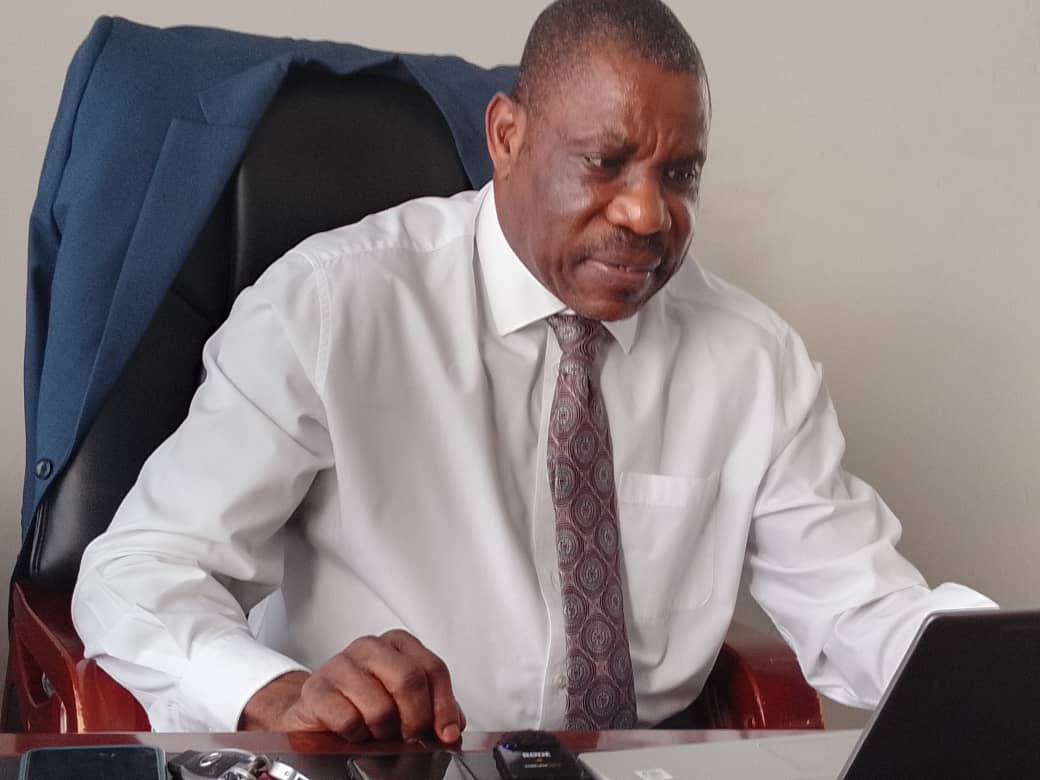
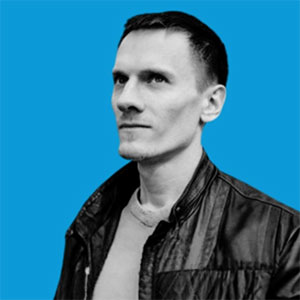
CIVICUS speaks with Belarusian activist, blogger and journalist Mikola Dziadok about his experiences as a two-time political prisoner and the repression of dissent in Belarus. Mikola was jailed following mass protests in 2020.

CIVICUS speaks with Belarusian activist, blogger and journalist Mikola Dziadok about his experiences as a two-time political prisoner and the repression of dissent in Belarus

Mikola Dziadok

Amid continued repression, Belarus experienced two limited waves of political prisoner releases in 2025. In September, authorities freed around 50 detainees following diplomatic engagement, and in December they pardoned and released over 120, including Nobel laureate Ales Bialiatski and opposition figure Maria Kolesnikova. Many were forced into exile. Human rights groups stress that releases appear driven by geopolitical bargaining rather than systemic reform, with over 1,200 political prisoners believed to remain behind bars.

Why were you arrested following protests in 2020?

I was arrested because I was not silent and I was visible. During the 2020 uprising, I ran Telegram and YouTube channels where I shared political analysis, explained what was happening and gave people advice on how to resist repression. I talked about strategies to protect ourselves, counter state violence and survive under authoritarian pressure. The regime viewed this as extremely threatening.

By that time, I had around 17 years of experience in the anarchist movement, which is a part of a broader democratic movement in Belarus. But most people who joined the protests weren’t political at all: they’d never protested before, never faced repression, never dealt with police violence. They were desperate for guidance, particularly as there was an information war between regime propaganda, pro-Kremlin narratives and independent voices.

Authorities made a clear distinction between ‘ordinary people’ who apologised and promised never to protest again, who were released, and activists, organisers and others who spoke publicly, who were treated as enemies. I was imprisoned because I belonged to the second category.

What sparked the 2020 uprising?

By 2020, Belarus had already lived through five fraudulent elections. We only had one election the international community recognised as legitimate, held in 1994. After that, President Alexander Lukashenko changed the constitution so he could rule indefinitely.

For many years, people believed there was nothing they could do to make change happen. But in 2020, several things came together. The COVID-19 pandemic left the state’s complete failure exposed. As authorities did nothing to protect people, civil society stepped in. Grassroots initiatives provided information and medical help. People suddenly saw they could do what the state couldn’t. From the regime’s perspective, this was a very dangerous realisation.

But what truly ignited mass mobilisation was violence. In the first two days after the 9 August presidential election, over 7,000 protesters were detained. Thousands were beaten, humiliated, sexually abused and tortured. When they were released and showed their injuries, the images spread through social media and Telegram, and people were shocked. This brought hundreds of thousands onto the streets, protesting against both election fraud and violence against protesters.

What’s the situation of political prisoners?

Since 2020, over 50,000 people have spent time in detention, in a country of only nine million. There have been almost 4,000 officially recognised political prisoners, and there are now around 1,200, although the real number is higher. Many prisoners ask not to be named publicly because they fear retaliation against themselves or their families.

Repression has never subsided. Civil society organisations, human rights groups and independent media have been destroyed or forced into exile. Belarussians live under constant pressure, not a temporary crackdown.

Political prisoners are treated much worse than regular prisoners. I spent 10 years as a political prisoner: five years between 2010 and 2015, and another five years after 2020. During my second sentence, I spent two and a half years in solitary confinement. This is deliberate torture designed to break people physically and psychologically.

How did your release happen?

My release was a political transaction. Lukashenko has always used political prisoners as bargaining chips. He arrests people, waits for international pressure to reach its peak and then offers releases in exchange for concessions. This time, international negotiations, unexpectedly involving the USA, triggered a limited release.

The process itself was terrifying. I was taken suddenly from prison, handcuffed, hooded and transferred to the KGB prison in the centre of Minsk. I was placed in an isolation cell and not told what would happen. It was only when I saw other well-known political prisoners being brought into the same space that I realised we were going to be freed, most likely by forced expulsion.

No formal conditions were announced, but our passports were confiscated and we were forced into exile. We were transported under armed guard and handed over at the Lithuanian border. Many deportees still fear for relatives who remain in the country, because repression often continues through family members. That’s why I asked my wife to leave Belarus as quickly as possible.

What should the international community and civil society do now?

First, they should make sure Belarus continues receiving international attention. Lukashenko is afraid of isolation, sanctions and scrutiny. Any attempt to normalise relations with Belarus without real change will only strengthen repression and put remaining prisoners at greater risk.

Second, they should financially support independent Belarusian human rights organisations and media. Many are struggling to survive, particularly after recent funding cuts. Without them doing their job, abuses will remain hidden and prisoners will be forgotten.

Most importantly, activists should not lose hope. We are making history. Dictatorships fall and fear eventually breaks. Freedom always returns – but only if we hold fast to our values and sustain the struggle.

GET IN TOUCH
Website
Facebook
Instagram

SEE ALSO
‘Belarus is closer than ever to totalitarianism, with closed civic space and repression a part of daily life’ CIVICUS Lens | Interview with Human Rights House 14.Oct.2025
Belarus: ‘The work of human rights defenders in exile is crucial in keeping the democratic movement alive’ CIVICUS Lens | Interview with Natallia Satsunkevich 15.Feb.2025
Belarus: a sham election that fools no one CIVICUS Lens 31.Jan.2025
  Source

Trade Minister Partridge hails MAGLA on responsible gambling initiatives

BLANTYRE-(MaraviPost)-Minister of Industrialisation, Business, Trade and Tourism, George Partridge, has commended the Malawi Gaming and Lotteries Authority (MAGLA) for its proactive leadership in promoting the responsible growth of the gambling industry while safeguarding young people and strengthening investor confidence.

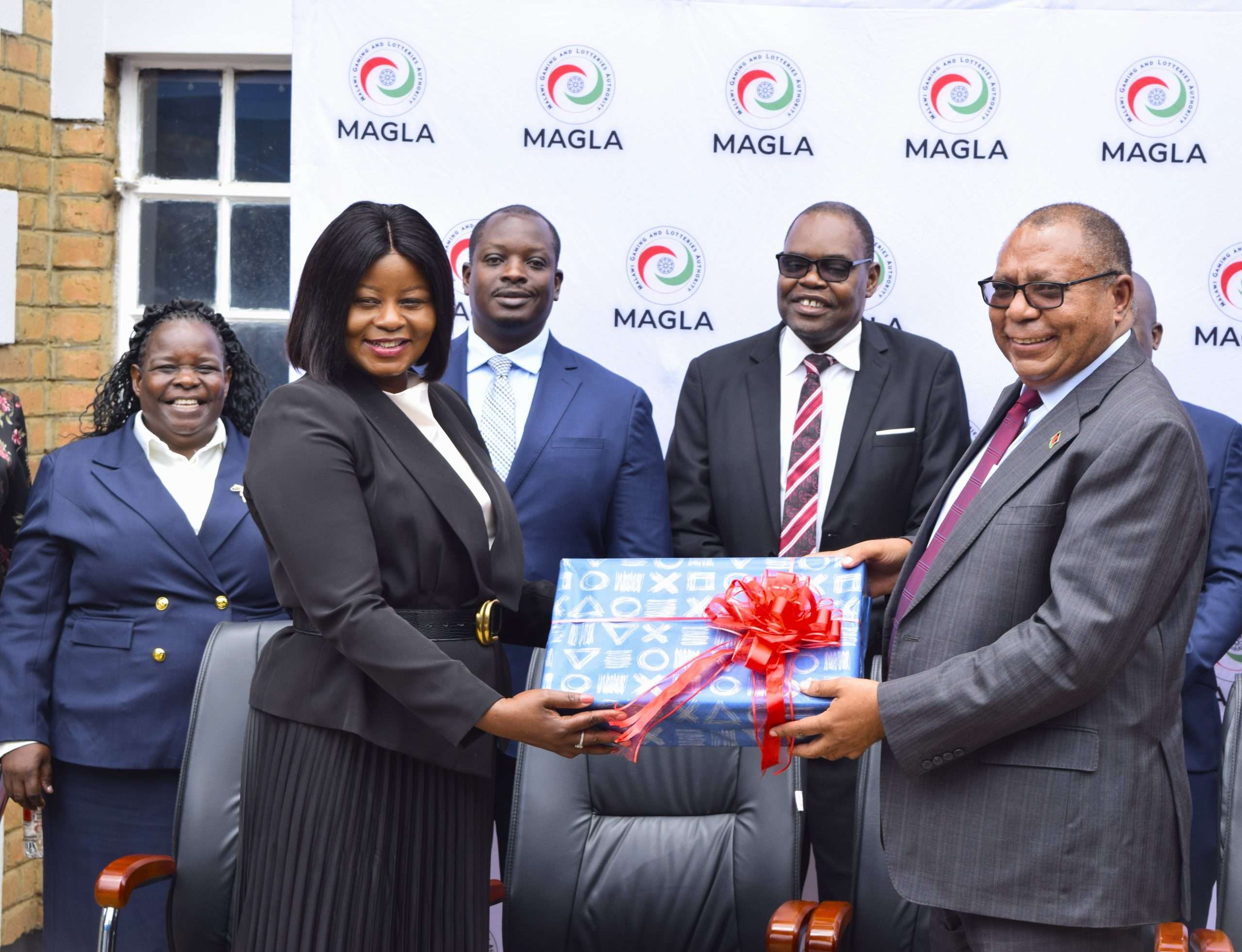
The Minister made the remarks on Thursday during a strategic engagement with MAGLA management, which included a familiarisation tour aimed at deepening his understanding of the Authority’s operations, regulatory mandate, and strategic priorities.

Speaking during the engagement meeting, Partridge, said MAGLA’s approach demonstrates a strong commitment to balancing revenue generation, tourism development, and social responsibility, noting that gambling, when well regulated, can contribute meaningfully to the country’s economic growth.

“Gambling is an experience for both local and foreign consumers. It complements our tourism products and attracts more consumers, and when they spend more, government also benefits through increased revenue,” said Partridge.

He then applauded MAGLA for taking deliberate steps to address the social risks associated with gambling, particularly the protection of children and vulnerable groups.

“As a regulator of gambling, one of the major challenges is the negative effects of gambling on society and on children. We wanted to understand what MAGLA is doing to minimise these negative effects, and this is an area they are taking seriously,” he said.

The Minister also acknowledged operational challenges facing the Authority, including limitations in office infrastructure, and assured that government is aware of the impact such constraints can have on effective service delivery.

“They are operating from converted residential houses and are scattered across different locations, which makes administration a bit difficult. These are genuine concerns that government has taken note of,” said Partridge.

Commenting on the Minister’s visit, MAGLA Director General, Rachel Mijiga, described it as a strong show of government support for the gaming industry.

“We are grateful to the Minister for visiting MAGLA and for the guidance he has provided on how we can take the industry forward, particularly on responsible gambling and sustainable growth,” said Mijiga.

She said MAGLA is engaging betting operators on concerns surrounding the newly introduced betting tax and is working closely with key stakeholders to ensure a balanced approach.

“We are gathering insights from operators and will engage the Ministry of Finance and other stakeholders to arrive at a win-win situation for government, investors and the people of Malawi,” she said.

Looking ahead, Mijiga said MAGLA is projecting 60 percent growth in the gaming sector in the new financial year and will intensify responsible gambling initiatives.

“We will partner with responsible gambling agents and engage parents, guardians and school principals to ensure that under-18s do not participate in gambling,” she said.

She also highlighted the media’s role as a key partner in public awareness.

“The media shape public opinion and help us reach the youth and the wider public. They are a critical stakeholder in promoting responsible gambling,” said Mijiga.

The Maravi Post

Celebrating Malawi’s heroes in education: Chikwawa Secondary School shines

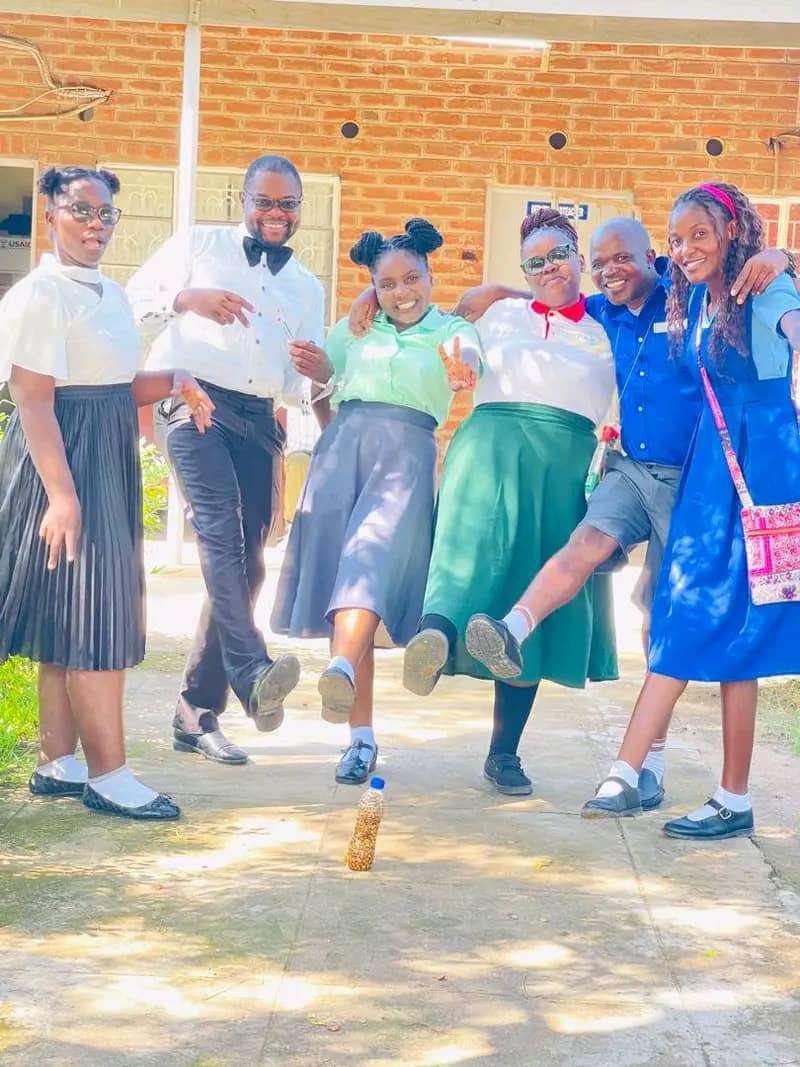
BLANTYRE-(MaraviPost)-Photos of teachers at Chikwawa Secondary School celebrating education have flooded social media, showcasing the dedication and passion of these educators.

The images are a testament to the hard work and commitment of teachers in Malawi, who go above and beyond to shape the minds of future generations.

The celebration is a moment to recognize the tireless efforts of teachers who often work under challenging conditions to provide quality education to their students.

Their dedication is the foundation upon which the future of Malawi is being built, and it’s time to acknowledge their contributions.

Teachers elsewhere in the country are being called upon to share their own images, marking the celebration and showcasing the spirit of education across Malawi.

This collective celebration aims to highlight the importance of education and the pivotal role teachers play in shaping the country’s future.

The outpouring of support is a clear indication of the respect and admiration Malawians have for their educators.

As the country celebrates this momentous occasion, it’s an opportunity to reflect on the progress made in the education sector and the challenges that still need to be addressed.

The government and stakeholders must work together to ensure that teachers are supported and equipped to provide quality education to all Malawians.

The celebration also serves as a reminder of the power of education to transform lives and communities.

By investing in education, Malawi is investing in its future, and the impact will be felt for generations to come.

The Maravi Post

Desperate Bobi Wine’s Wife Barbie cries out for help as security forces besiege home

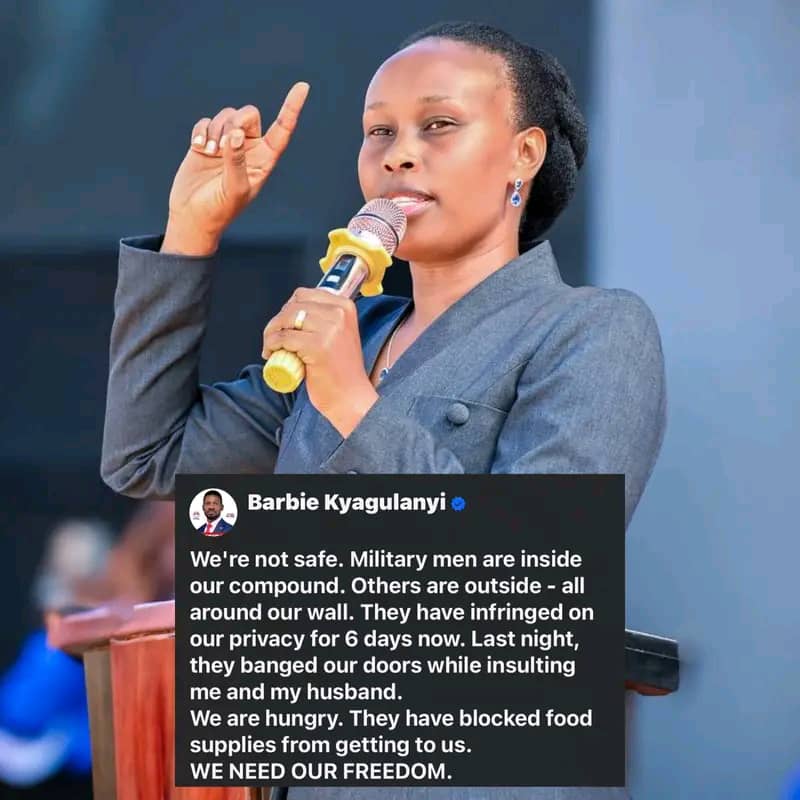
KAMPALA-(MaraviPost)-Barbie Kyagulanyi, the wife of Ugandan singer and former presidential candidate Robert Kyagulanyi Sentamu alias Bobi Wine, has made a desperate plea for safety, privacy, and access to food as security men surround their home in Magere.

The urgent appeal highlights the escalating tensions and concerns for the family’s well-being.

Security forces have been deployed around the couple’s home, restricting access and sparking fears for their safety and security.

Barbie Kyagulanyi’s cry for help underscores the gravity of the situation, with the family facing significant challenges in their daily lives.

The situation has also taken a toll on the family’s access to basic necessities, including food.

Barbie Kyagulanyi’s appeal for access to food highlights the humanitarian concerns and the need for urgent intervention to ensure the family’s basic needs are met.

The standoff between security forces and the Bobi Wine family has sparked widespread concern and outrage, with many calling for calm and respect for human rights.

The international community is watching the situation closely, with many urging the Ugandan government to ensure the safety and security of the family.

As the situation continues to unfold, the plight of Barbie Kyagulanyi and her family remains a major concern.

The world waits with bated breath as the drama unfolds, hoping that sanity and respect for human rights will prevail in Uganda.

The Bobi Wine family has been at the center of controversy and political tensions in Uganda, with many viewing them as symbols of resistance against the ruling government.

The current standoff is the latest chapter in a saga that has captivated the nation and sparked heated debate.

The situation remains fluid, and updates are expected as more information becomes available.

The world waits anxiously for a resolution to the standoff, hoping for a peaceful and safe outcome for the Bobi Wine family.

The Maravi Post

“Political interference worsening fuel prices hikes”-Kapito

BLANTYRE-(MaraviPost)-The Consumers Association of Malawi (CAMA) has attributed the recent sharp fuel price hike to prolonged government and parliamentary interference in the operations of the Malawi Energy Regulatory Authority (MERA), arguing that the economic shock could have been avoided if the regulator had been allowed to operate independently.

Speaking to MaraviPost, CAMA Executive Director John Kapito said fuel prices would have increased gradually and with far less pain if MERA had been permitted to execute its mandate without political pressure.

Instead, he said sustained interference delayed necessary adjustments, culminating in a sudden and severe hike that has heavily burdened consumers.

Kapito argued that MERA’s hands were effectively tied by government actions, making it impossible for the regulator to conduct incremental price reviews that would have cushioned the public from a major shock.

He stressed that the blame should not fall on MERA staff, whom he described as professionals constrained by political decisions beyond their control.

“This situation is man made and it was avoidable,” Kapito said,
calling on government to “get its hands off MERA” and allow the institution to operate strictly within its legal framework. Where weaknesses exist in the law, he added,

Parliament should amend the Act rather than interfere with day to day regulatory decisions.

He warned that continued political interference would only prolong the suffering of ordinary Malawians, noting that undermining independent institutions erodes public confidence and weakens service delivery.

While acknowledging that higher fuel prices inevitably hurt consumers, Kapito emphasized that pricing should not be confused with availability.

He argued that selling fuel below cost creates scarcity, which ultimately drives prices even higher through black market trading.

He cited recent market experiences in which fuel shortages led to extreme price distortions, with consumers paying several times the official price simply because fuel was unavailable.

Kapito maintained that ensuring consistent fuel availability would restore mobility, support business activity and help the economy stabilize over time, even if the adjustment period remains painful.

Turning to unscrupulous traders, he issued a stern warning against exploiting the situation by unjustifiably hiking prices of goods and services beyond what is warranted by fuel adjustments.

He said consumer protection bodies, working closely with the media, would closely monitor markets in the coming weeks.

He also called on the media to play a constructive role by exposing abuses while giving consumers hope and confidence that their interests are being safeguarded.

However, he concluded that while traders must be held accountable, the primary responsibility lies with government.

The Maravi Post

Steering Nepal’s Economy Amid Global Challenges

Asia-Pacific, Civil Society, Development & Aid, Featured, Global, Headlines, Humanitarian Emergencies, Sustainable Development Goals, TerraViva United Nations

Opinion

Steering Nepal 's Economy Amid Global Challenges

The country faces a challenging transition, but it can progress if the people work together.

WASHINGTON DC, Jan 22 2026 (IPS) – Nepal has a unique opportunity for transformation. The recent youth-led protests underscored aspirations for greater transparency, governance and a more equal distribution of economic opportunities and resources. This yearning resonated in Nepal and beyond.


Now, Nepal must find a balance in setting prudent political, economic and financial policies to steer a difficult transition in an orderly manner. Adding to the complex domestic situation is the lingering uncertainty in the global economy. The transition process in this challenging environment should ensure an inclusive future for Nepal’s people.

Economic challenges

History shows that more equal societies tend to be associated with greater economic stability and more sustained growth. This will be a helpful guiding strategy as Nepal charts its own path to change. Indeed, a solid strategy needs to be founded on two key pillars: economic stability and inclusive growth.

In 2022, stability was among the top priorities when the country’s leaders approached the IMF for support. The collapse of tourism in the wake of the Covid-19 pandemic took a heavy toll on Nepal’s economy, including on its job market.

The IMF’s financing package assisted the authorities’ Covid-19 response in mitigating the pandemic’s impact on economic activity, protecting vulnerable groups and laying the groundwork for sustained growth. The program also supported reforms to foster durable growth and reduce poverty over the medium term, including by implementing cross-cutting institutional reforms to improve governance and reduce corruption vulnerability.

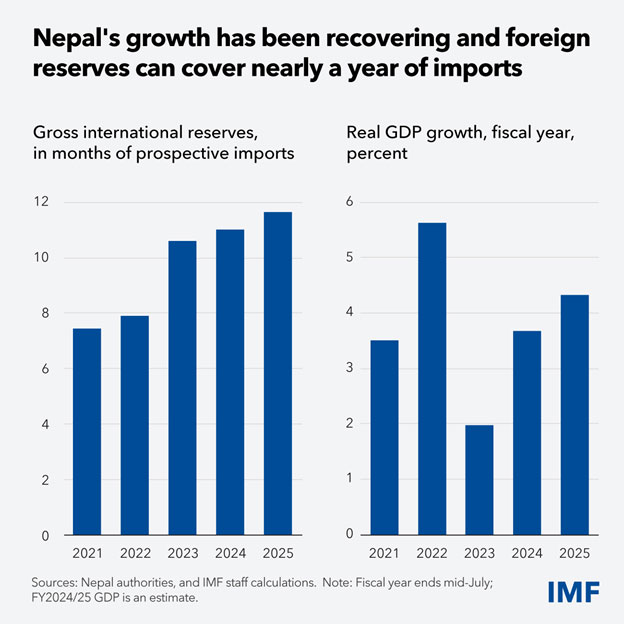
In October, Nepal completed the sixth of seven program reviews, showing tangible improvement in the economy. Indeed, Nepal has been seeing the green shoots of recovery with real GDP growth rising from a mere 2 percent in FY 2023, to 3.7 percent in FY 2024, to an estimated 4.3 percent in FY 2025—more than double the pace in just a few years.

In FY 2026, we still expect the country’s economic recovery to continue, though at a more moderate pace amid a complex domestic environment and global uncertainty.

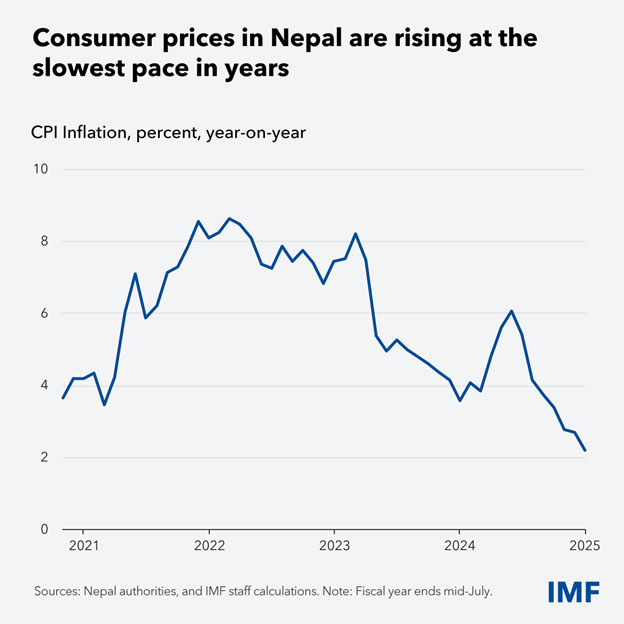
Nepal has also been very successful in rebuilding policy buffers. Foreign exchange reserves have risen to nearly $20 billion, enough to cover almost a full year of imports. Fiscal discipline has helped stabilise public debt. Inflation remains well below the Nepal Rastra Bank’s target.

This hard-won economic stability should be safeguarded. At the same time, the economy hasn’t fully recovered. Domestic demand remains subdued, investor confidence is waning, and more efforts are needed to protect vulnerable people.

Nepal has achieved significant milestones on structural reforms, in part with support from the IMF capacity development. On the fiscal front, frameworks for increasing government revenue and fiscal transparency have improved with the publication of the domestic revenue mobilization strategy, fiscal risk statement and the tax expenditure report. The National Planning Commission has issued revised guidelines for the National Project Bank, which will strengthen capital project selection and execution.

Likewise, in the financial sector, bank supervision has improved through the Supervisory Information System. The Nepal Rastra Bank has also recently launched a loan portfolio review of 10 large commercial banks, which is expected to provide deep insights into the health of the banking sector.

Measures have been taken to improve governance and transparency, including by improving the anti-money laundering framework, though further efforts are needed to enhance implementation.

As part of the program, four priority nonfinancial public enterprises had their financial statements audited. Work is underway to amend the Nepal Rastra Bank Act to strengthen its autonomy and governance.

Yet, unresolved structural issues and emerging headwinds are testing these gains. Policymakers must ensure that the fruits of macroeconomic stability and growth are broadly shared. Continued reforms will help. In the near term, this implies accelerating budget execution and improving project readiness—particularly in areas such as hydropower and trade-related infrastructure—and reducing logistics frictions, which will crowd-in private investment.

This will also lay the foundation for a more diversified, higher value-added growth model that creates more domestic jobs.

Unlocking private sector growth to deliver more jobs and better livelihoods is critical. This can only be accomplished when the basic building blocks of private enterprise are in place: Strong institutions, free and fair markets and a stable macroeconomic environment.

Over the medium term, strengthening governance and anti-corruption institutions, improving the investment climate, enhancing financial oversight, trade integration and expanding targeted social protection will be key to unlocking inclusive and sustainable growth.

Reason for hope

Let us conclude by expressing our deep sympathy for the profound loss during the recent social unrest. We are deeply saddened by the loss, but also heartened by the resilience of the Nepali people striving for a better future.

While global economic prospects remain dim amid uncertainty, Nepal gives reason for hope—a nation reimagined with greater equality and good governance. The country faces a challenging transition, but it can make the most progress if the people work together. For policymakers, this implies steering the economy on the course of continued reforms that safeguard macroeconomic and financial stability while laying strong foundations for durable and inclusive growth, coupled with good governance.

This is a unique moment in the country’s long history, and a time to set a new standard for the future. The IMF is ready to support Nepal in its journey.

Krishna Srinivasan is the head of the Asia and Pacific Department at the IMF. Sarwat Jahan is the mission chief for Nepal and a deputy division chief in the Asia and Pacific Department.

IPS UN Bureau

  Source