
Namukhoyo criticizes Malawi Law Society over police conduct in Dr. Bobe murder case

BLANTYRE-(MaraviPost)-The ongoing investigation into the tragic murder of Dr. Victoria Bobe has sparked a heated debate about the conduct of the Malawi Police Service (MPS) and the role of the Malawi Law Society (MLS) in safeguarding suspects’ rights.

While the MLS has publicly criticized the police for taking the suspects to the crime scene, arguing this could prejudice the suspects’ right to a fair trial, prominent political and human rights commentator Mathieus Namukhoyo has offered a robust counter-narrative.

Namukhoyo’s perspective challenges the MLS’s stance and calls for a more balanced understanding of the investigative process.

Namukhoyo’s condemnation of the MLS statement stems from his belief that the police’s actions are part and parcel of standard investigative procedures.

He points out that it is a common and accepted practice for law enforcement to take suspects to the scene of a crime to verify statements and gather crucial evidence.

According to him, this is not an unprecedented occurrence; indeed, it has been a routine part of the police’s work, frequently covered by local media without any prior objections from the MLS.

This raises an important question about consistency and professionalism on the part of the MLS, which has remained silent on similar police activities in the past.

In his critique, Namukhoyo accuses the MLS of being selective and unprofessional in their approach.

He urges the society to respect the police’s role and allow them to carry out their duties without undue interference or public condemnation that could undermine the investigation.

From Namukhoyo’s viewpoint, the MLS’s recent statement is not only misplaced but also damaging, as it detracts from the seriousness of the investigation and could inadvertently embolden those who seek to obstruct justice.

Furthermore, Namukhoyo disputes the MLS’s concerns about the potential for an unfair trial stemming from the suspects’ exposure during the reenactment at the crime scene.

He highlights that Malawi’s judicial system has previously handled cases where suspects have been brought to crime scenes without compromising the fairness and integrity of the trial.

Courts have successfully assessed evidence and upheld the principle of presumed innocence despite such investigative tactics.

This historical context, Namukhoyo argues, weakens the MLS’s assertion that the police’s actions would prejudice judicial outcomes.

Namukhoyo’s stance invites a broader reflection on the delicate balance between transparency, investigative rigor, and human rights.

While protecting suspects’ rights is undeniably crucial, so too is ensuring that law enforcement agencies have the necessary tools and freedom to conduct thorough investigations.

He suggests that the MLS’s criticism risks overstepping by second-guessing police methods that are designed to strengthen the prosecution’s case and ultimately serve justice.

His perspective also touches on the role of public perception and media coverage in high-profile cases.

The police’s decision to reenact the crime scene with suspects present, though controversial, has been part of an effort to maintain transparency and accountability.

Namukhoyo appears to advocate for a more nuanced appreciation of how such transparency can coexist with respect for human rights, rather than viewing it through a lens of suspicion or mistrust.

In essence, Namukhoyo calls for professionalism and mutual respect between legal institutions and law enforcement.

He contends that the MLS should focus on constructive engagement and support rather than issuing statements that could undermine the police’s efforts.

His critique underscores the importance of institutional cooperation in the pursuit of justice, especially in sensitive cases like that of Dr. Bobe’s murder.

This debate highlights the ongoing tensions within Malawi’s justice system concerning investigative practices and suspects’ rights.

It also raises questions about the role and responsibilities of professional bodies like the MLS in navigating these complexities.

Namukhoyo’s challenge to the MLS serves as a reminder that safeguarding justice requires a careful balance, where the need for thorough investigation does not come at the expense of due process, nor does the protection of rights obstruct effective law enforcement.

As the investigation continues and more details emerge, it will be crucial for all stakeholders to engage in dialogue grounded in respect, professionalism, and a shared commitment to justice.

The case of Dr. Bobe tragically underscores the stakes involved, making it all the more important for institutions to work collaboratively rather than at cross purposes.

Ultimately, Namukhoyo’s analysis invites a reconsideration of how legal and law enforcement bodies can better coordinate their roles to ensure that justice is both done and seen to be done — without compromising the rights of any party involved.

His call for the MLS to “let the police do their work” is not a dismissal of human rights concerns but a plea for balanced and pragmatic cooperation in the pursuit of truth and justice.


Discover more from The Maravi Post

Subscribe to get the latest posts sent to your email.
The Maravi Post

My Niece Was Killed Amid Mexico’s Land Conflicts. The World Must Hold Corporations Accountable

Civil Society, Headlines, Human Rights, Indigenous Rights, IPS UN: Inside the Glasshouse, Latin America & the Caribbean, TerraViva United Nations

Opinion

My Niece was Killed Amid Mexico’s Land Conflicts.

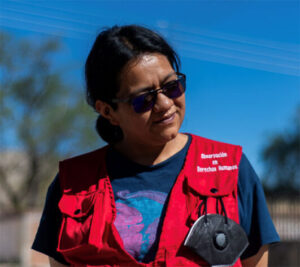
Claudia Ignacio Álvarez in San Lorenzo de Azqueltan, Jalisco, Mexico. Credit : Eber Huitzil

MICHOACÁN, Mexico , Dec 18 2025 (IPS) – My niece Roxana Valentín Cárdenas was 21 years old when she was killed. She was a Purépecha Indigenous woman from San Andrés Tziróndaro, a community on the shores of Lake Pátzcuaro in the Mexican state of Michoacán.


Roxana was killed during a peaceful march organised by another Indigenous community commemorating the recovery of their lands. Forty-six years earlier, three people had been murdered during that same land struggle. This time, the commemoration was once again met with gunfire.

Roxana was not armed and was not participating in the march. She encountered the demonstration and was struck by gunfire. Her death was deeply personal, but it took place within a broader context of long-standing violence linked to land and territory.

That violence has intensified in Michoacán recently, where the assassination of a mayor in November this year underscored how deeply insecurity has penetrated public life and how little protection exists for civilians, community leaders and local authorities alike.

Across Mexico, Indigenous people are being killed for defending land, water and forests. What governments and corporations often describe as “development” is experienced by our communities as dispossession enforced by violence – through land grabbing, water theft and the silencing of those who resist.

A way of life under threat
I come from San Andrés Tziróndaro, a farming, fishing and musical community. For generations, we have cared for the lake and the surrounding forests as collective responsibilities essential to life. That way of life is now under threat.

In Michoacán, extractive pressure takes different forms. In some Indigenous territories, it is mining. In our region, it is agro-industrial production, particularly avocados and berries grown for export. Communal land intended for subsistence is leased for commercial agriculture. Water is extracted from Lake Pátzcuaro through irregularly installed pipes to irrigate agricultural fields, depriving local farmers of access.

Agrochemicals contaminate soil and water, forests are deliberately burned to enable land-use change, and ecosystems are transformed into monocultures that consume vast amounts of water. This is not development. It is extraction.

Violence as a method of enforcement
When Indigenous communities resist these processes, violence follows.

Two cases illustrate this reality and remain unresolved.

José Gabriel Pelayo, a human rights defender and member of our organisation, has been forcibly disappeared for more than a year. Despite an urgent action issued by the United Nations Committee on Enforced Disappearances, progress has been blocked. Authorities have delayed access to the investigation file, and meaningful search efforts have yet to begin. His family continues to wait for answers.

Eustacio Alcalá Díaz, a defender from the Nahua community of San Juan Huitzontla, was murdered after opposing mining operations imposed on his territory without consultation. After his killing, the community was paralysed by fear, and it was no longer possible to continue human rights work safely.

Together, these cases show how violence and impunity are used to suppress community resistance.

Militarisation is not protection
It is against this backdrop of escalating violence and impunity that the Mexican state has once again turned to militarisation. Thousands of soldiers are being deployed to Michoacán, and authorities point to arrests and security operations as indicators of stability.

In practice, militarisation often coincides with areas of high extractive interest. Security forces are deployed in regions targeted for mining, agro-industrial expansion or large infrastructure projects, creating conditions that allow these activities to proceed while community resistance is contained.

Indigenous people experience this not as protection, but as surveillance, intimidation and criminalisation. While companies may claim neutrality, they benefit from these security arrangements and rarely challenge the violence or displacement that accompanies them, raising serious questions about corporate complicity.

A global governance failure
Indigenous territories are opened to extractive industries operating across borders, while accountability remains fragmented. Corporations divide their operations across jurisdictions, making responsibility for environmental harm and human rights abuses difficult to establish.

Voluntary corporate commitments have not prevented violence or environmental degradation. National regulations remain uneven and weakly enforced, particularly in regions affected by corruption and organised crime. This is not only a national failure. It is a failure of global governance.

International responsibility, now
In this context, I have recently spent ten days in the United Kingdom with the support of Peace Brigades International (PBI), meeting with parliamentarians, officials from the Foreign, Commonwealth and Development Office, and civil society organisations.

These discussions are part of a broader international effort to ensure that governments whose companies, financial systems or diplomatic relationships are linked to extractive activities take responsibility for preventing harm and protecting those at risk.

While the UK is only one actor, its policies on corporate accountability and support for human rights defenders have consequences far beyond its borders.

Why binding international rules are necessary
For years, Indigenous peoples and civil society organisations have called for a binding United Nations treaty on business and human rights. The urgency of this demand is reflected in the lives lost defending land and water and in the defenders who remain disappeared.

A binding treaty could require mandatory human rights and environmental due diligence across global supply chains, guarantee access to justice beyond national borders, and recognise the protection of human rights defenders as a legal obligation. It could make Free, Prior and Informed Consent enforceable rather than optional.

Such a treaty would not prevent development. It would ensure that development does not depend on violence, dispossession and impunity.

Defending life for everyone
Indigenous peoples are not obstacles to progress. We are defending ecosystems that sustain life far beyond our territories. Indigenous women are often at the forefront of this defence, even as we face extraordinary risks.

When defenders disappear, when others are murdered, and when young women like my niece lose their lives, it is not only our communities that suffer. The world loses those protecting land, water and biodiversity during a deep ecological crisis.

Defending life and land should not come at the cost of human lives.

Claudia Ignacio Álvarez is an Indigenous Purépecha feminist, lesbian, and environmental human rights defender from San Andrés Tziróndaro, Michoacán. Through the Red Solidaria de Derechos Humanos, she supports Indigenous and rural communities defending their territories from extractive industries and organised crime. Her work has been supported by Peace Brigades International (PBI) since 2023.

IPS UN Bureau

  Source

Why Malawi’s police, leadership deserves credits in the wake of Dr. Victoria Bobe’s tragic murder

BLANTYRE-(MaraviPost)-The brutal killing of Dr. Victoria Bobe, a promising 33-year-old lecturer at Kamuzu University of Health Sciences (KUHeS), sent shockwaves through Malawi and beyond.

On the night of November 17, 2025, thugs invaded her home in Chigumula Township, Blantyre, stealing valuable items and ending her life in a senseless act of violence.

Yet, amidst the sorrow and grief, a beacon of hope has emerged—Malawi’s police force has swiftly apprehended six suspects, including a former police and intelligence officer from Mozambique, and are vigorously pursuing two more, including the named fugitive Alfred.

This outcome is not merely a routine arrest; it is a testament to the dedication and efficiency of Malawi’s security apparatus, the leadership of the Democratic Progressive Party (DPP) government under President Professor Arthur Peter Mutharika, and the unwavering commitment of the line minister, Peter Mukhito.

In a country where security concerns often dominate headlines and citizens frequently express frustrations about law enforcement, the recent actions taken by the police are commendable and deserve recognition.

The suspects’ demonstration at the crime scene, where they reenacted their entry and disclosed who wielded the fatal rifle, reflects a transparency and procedural diligence that Malawi has long yearned for. This level of accountability in such a high-profile case sends a powerful message to would-be criminals and reassures the public that justice is attainable.

Equally important is the role of political leadership in securing this outcome. President Professor Arthur Peter Mutharika’s administration has repeatedly emphasized security as a cornerstone of its governance agenda.

The swift police response and ongoing efforts to apprehend all suspects, including the elusive Alfred, underscore the government’s resolve to translate promises into tangible actions. This is the essence of proven leadership — delivering security where it matters most, protecting citizens, and reinforcing the rule of law.

Minister Peter Mukhito’s steadfast oversight of the police’s operations in this case has been pivotal.

His insistence on immediate and thorough investigations, coupled with public assurances of accountability, has galvanized the police force and bolstered public confidence. In an era when the line ministry responsible for internal security can often be mired in bureaucracy, Mukhito’s proactive approach stands out as a model of effective governance.

The murder of Dr. Bobe is not an isolated tragedy. It echoes a painful pattern of violence against educators and intellectuals in Malawi and the region.

The names of other lecturers and educators who have met untimely deaths serve as solemn reminders of the risks faced by those who dedicate their lives to knowledge and societal advancement.

Among them is Gregory Kamwendo, a respected Malawian professor who was shot dead in South Africa in 2018 under circumstances that still haunt the academic community.

Arnold Saka, a head teacher at Luwanjati Junior Primary School in Mzimba, was mercilessly killed by thugs in 2012, a loss that reverberated through the educational sector.

Similarly, George Maluwa, head teacher at Namiwawa Private Primary School in Blantyre, was killed by armed robbers in 2013, highlighting the vulnerability of educators to criminal predation.

Then there is Bellings Sikande, a lecturer at the University of Livingstonia, who died of poisoning in 2019, allegedly at the hands of his ex-girlfriend, an incident that shocked the nation and raised concerns about personal safety among academics.

These incidents collectively underscore the urgency of strengthening security frameworks to protect educators, who are pillars of Malawi’s future. The recent progress in the Dr. Bobe case should serve as a catalyst for broader reforms aimed at safeguarding intellectuals and teachers from violence and intimidation.

The government’s focus on security must extend beyond rhetoric to encompass comprehensive measures such as improved police training, community policing initiatives, and enhanced investigative capabilities.

Furthermore, the collaboration between Malawian and Mozambican authorities in apprehending a former Mozambican police and intelligence officer among the suspects reflects an encouraging spirit of regional cooperation in tackling cross-border crime. Such partnerships are indispensable in an era where criminal networks often operate beyond national boundaries.

The DPP-led government’s response to this tragedy also illustrates the critical interplay between political will and institutional capacity. Under President Mutharika’s stewardship, Malawi has taken strides in reinforcing its security institutions, but challenges remain.

The successful arrest of the suspects in Dr. Bobe’s case is a testament to how focused leadership and clear directives can overcome obstacles and deliver results.

It is crucial to acknowledge the emotional toll these violent acts take on families, colleagues, and the wider community. Dr. Bobe’s death is not just a loss to KUHeS but to Malawi’s academic landscape and society at large.

Her dedication to health sciences and education was a beacon of hope for many young Malawians aspiring to make a difference in healthcare and research. The swift justice pursued by the police and supported by the government sends a strong message to victims and their families that their grief is recognized and that the state stands ready to protect its citizens.

As the police continue to hunt for the remaining suspects, the nation watches with hope and expectation.

The assurance given by authorities that Alfred and other fugitives will be apprehended reinforces the commitment to comprehensive justice. It is essential that this momentum is maintained and that law enforcement agencies are equipped with the resources and training required to effectively tackle such crimes.

In reflecting on the broader implications of this case, it is evident that protecting educators and intellectuals is not solely a matter of law enforcement. It requires a societal commitment to valuing and safeguarding those who contribute to knowledge and national development.

The government’s role is pivotal in creating environments where safety is guaranteed, and justice is swift and certain.

The commendations owed to the police, the DPP-led government, and Minister Peter Mukhito are well deserved. Their combined efforts in the aftermath of Dr. Bobe’s murder demonstrate that Malawi can confront its security challenges head-on. They exemplify a model of leadership where promises are not mere words but actions that uphold the dignity and safety of all citizens.

Moving forward, it is imperative that this case becomes a turning point in Malawi’s journey towards enhanced security and justice.

The legacy of Dr. Victoria Bobe and other fallen educators must inspire continued vigilance, reform, and commitment to protecting the nation’s intellectual capital.

Only through sustained effort and collaboration can Malawi build a safer future where educators can thrive without fear, and where justice prevails unequivocally.

The successful apprehension of the suspects involved in the tragic killing of Dr. Victoria Bobe is a beacon of hope in a challenging security landscape.

It reflects the dedication of Malawi’s police, the proven leadership of the DPP government under President Professor Arthur Peter Mutharika, and the effective stewardship of Minister Peter Mukhito.

This collective effort not only honors the memory of Dr. Bobe but also strengthens the foundation for a safer Malawi, where justice is assured, and the safety of educators and citizens alike is a top priority.

Let this be a clarion call for continued vigilance, support, and action to ensure that such tragedies become a thing of the past.


Discover more from The Maravi Post

Subscribe to get the latest posts sent to your email.
The Maravi Post

Meet former Mozambican Police officer Raphael Msalanyama Mano who confessed to have killed Dr Victoria Bobe in Blantyre

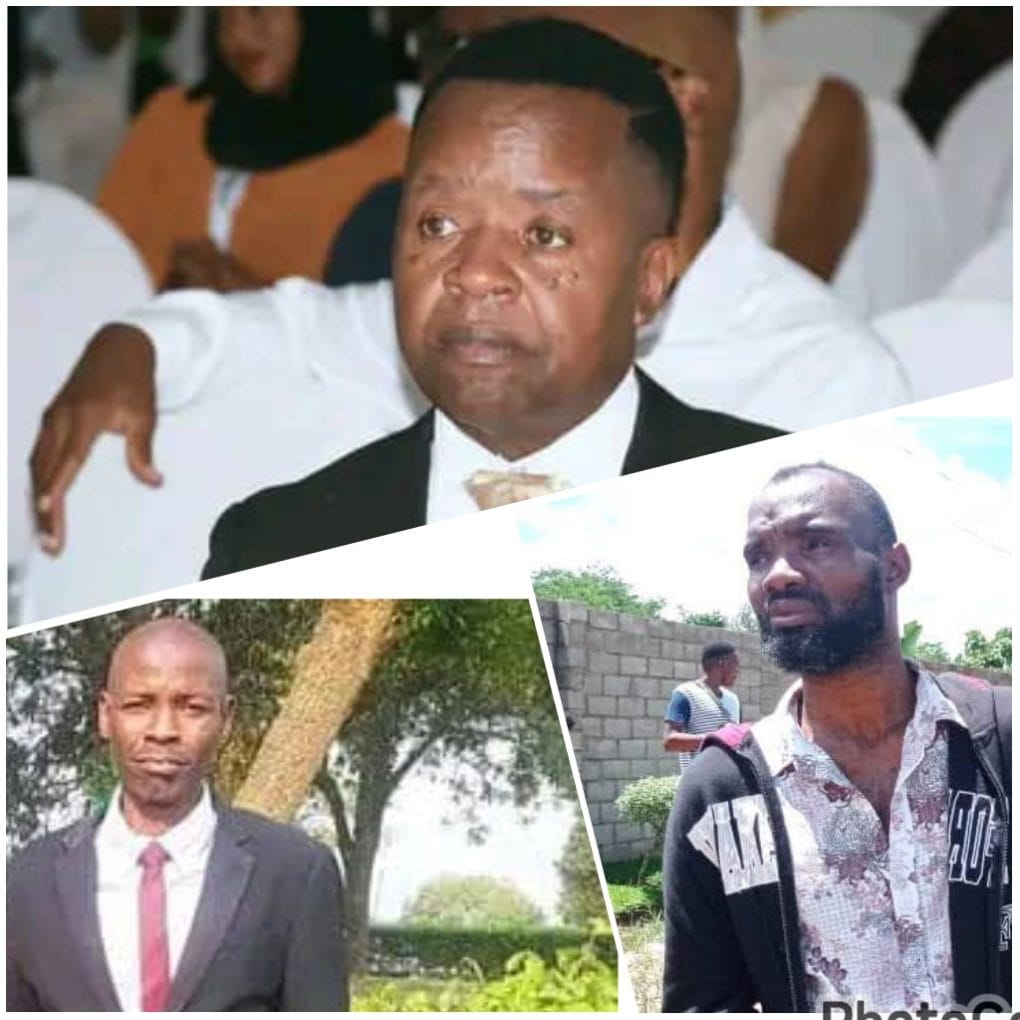
BLANTYRE-(MaraviPost)-Raphael Msalanyama Mano, 35, a former police officer and ex-intelligence officer from Gaza Province, Mozambique, has been identified as one of the suspects responsible for the shooting death of Dr Victoria Bobe.

Authorities confirmed that Mano allegedly shot Dr Bobe, resulting in her tragic death last month in Chigumula, Blantyre.

The revelation came after the Malawi Police Service apprehended six suspects linked to the incident, marking a major breakthrough in the ongoing investigation.

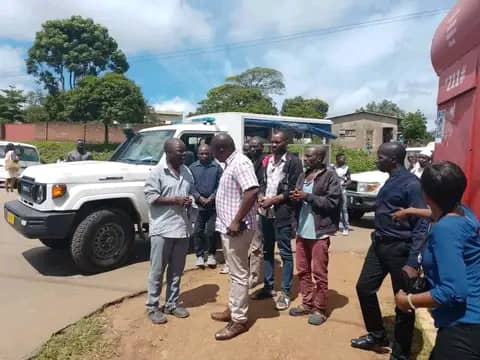
Following their arrest, the suspects were taken to the scene of the crime to demonstrate how the murder was carried out.

Police officials explained that this reconstruction exercise is a crucial step in piecing together the sequence of events and corroborating witness testimonies.

The exercise allows investigators to examine the positioning of the suspects, the sequence of movements, and other key details that are critical to the case.

The six suspects, including Mano, are expected to provide a clear account of their actions during the incident to help establish accountability.

Residents of Chigumula gathered near the scene as police conducted the reconstruction, observing the careful documentation of evidence by law enforcement officers.

Authorities emphasised that the exercise is standard procedure in murder investigations and is essential for building a strong case for prosecution.

The family of Dr Victoria Bobe has expressed cautious optimism, hoping that the demonstration at the crime scene will lead to a swift and just resolution.

Police reassured the public that every measure is being taken to ensure transparency and that the investigation will follow legal procedures strictly.

Investigators have noted that the involvement of a former police and intelligence officer adds complexity to the case and underscores the need for meticulous investigation.

The suspects’ demonstration at the scene of the crime is expected to last several hours, during which officers will record all movements and actions for evidentiary purposes.

This exercise follows weeks of preliminary investigations, including witness interviews, forensic analysis, and the collection of ballistic and physical evidence.

Authorities also highlighted the importance of ensuring that the reconstruction is legally admissible, as it will form a key part of the prosecution’s case in court.

Community members have expressed mixed feelings, with some relieved that progress is being made, while others remain concerned about the level of violence in their neighbourhoods.

The police continue to appeal to the public for any additional information that could assist in the ongoing investigation.

Dr Bobe’s murder has drawn national attention due to the violent circumstances and her prominence in the community, raising concerns about safety and law enforcement.

The Malawi Police Service has committed to concluding the investigation thoroughly and ensuring that all individuals responsible face justice.

This case highlights broader issues of crime and security in Blantyre, prompting calls for increased vigilance and stronger measures to protect citizens.

The outcome of the reconstruction is expected to provide critical evidence for the prosecution and may play a decisive role in the upcoming trial of the suspects.

Authorities have stated that after the reconstruction, the suspects will remain in custody as investigations continue and legal proceedings are prepared.

The arrest of Raphael Msalanyama Mano and the other five suspects marks a significant milestone in the efforts to bring justice to Dr Victoria Bobe and her family.

Police officials reaffirmed that every aspect of the investigation is being handled with the utmost professionalism to ensure a fair and transparent judicial process.


Discover more from The Maravi Post

Subscribe to get the latest posts sent to your email.

The Maravi Post

Refugees Forced to Fill Gaps as Funding, Power and Legal Recognition Move Out of Reach

Active Citizens, Africa, Armed Conflicts, Asia-Pacific, Civil Society, Development & Aid, Disaster Management, Editors’ Choice, Featured, Global, Human Rights, Humanitarian Emergencies, Middle East & North Africa, Migration & Refugees, Sustainable Development Goals, TerraViva United Nations

Migration & Refugees

A new global synthesis report and refugee voices from East Africa and the Middle East warn that reductions in humanitarian footprints risks breaking the refugee protection system.

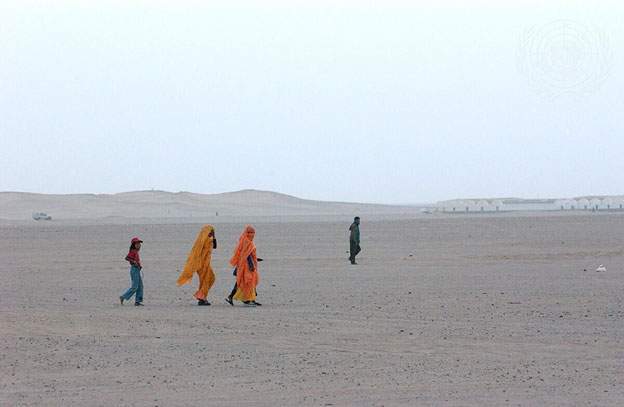
Sahrawi refugees walk near the Awserd Refugee Camp in the Tindouf Province of Algeria. Credit: UN Photo/Evan Schneider

Sahrawi refugees walk near the Awserd Refugee Camp in the Tindouf Province of Algeria. Credit: UN Photo/Evan Schneider

SRINAGAR, India, Dec 16 2025 (IPS) – The global refugee system is entering a period of deep strain. The delivery of protection and assistance is undergoing a transformation due to funding cuts, institutional reforms, and shifting donor priorities.


Against this backdrop, a new Global Synthesis Report titled From the Ground Up highlights the many issues faced by refugees in the Middle East and Africa.

Regional Perspectives on Advancing the Global Compact on Refugees has highlighted a rare, refugee-centered assessment of what is working, what is failing, and what must change. The report draws on regional roundtables held in East Africa and the Middle East and North Africa, followed by a global consultation in Geneva, to feed into the 2025 Global Refugee Forum progress review

According to the report, refugee-led and community-based organizations are increasingly taking on responsibilities, but they are not receiving power, funding, or legal recognition. As international agencies scale back under what is being called the Humanitarian Reset and UN80 reforms, refugees are expected to fill widening gaps without the authority or resources required to do so safely and sustainably.

The East Africa roundtables, held in Kampala with participation from refugee organizations in Uganda, Kenya, and Ethiopia, highlight a region often praised for progressive refugee policies. Countries here host millions displaced by conflict, hunger, and climate stress from South Sudan, Sudan, Somalia, and the Democratic Republic of the Congo.

Laws and regional frameworks promise freedom of movement, inclusion in national systems, and meaningful participation. The lived reality, however, remains uneven.

Education emerged as a central concern. Refugee children are enrolling in schools at higher rates, especially where they have been integrated into government-aided systems. Yet access remains unequal. Refugee students struggle to have prior qualifications recognized.

Many are treated as international students at universities and charged higher fees. Refugee teachers, often qualified and experienced, receive lower pay than nationals or are excluded from formal recognition. Language barriers and lack of psychosocial support further undermine learning outcomes. Refugee-led groups are already stepping in with mentorship, counseling, and bursary support, but they do so with fragile funding and limited reach.

Documentation and freedom of movement form another critical fault line. Uganda is widely cited for its rapid issuance of refugee IDs and settlement-based approach. Kenya and Ethiopia have made progress through new refugee laws and policy reforms. Still, gaps between policy and practice persist. Refugees in urban areas remain undocumented in large numbers. Identity documents often have short validity, forcing repeated renewals.

Travel documents are difficult to obtain, especially in Ethiopia, limiting cross-border movement, livelihoods, and participation in regional or global policy forums. Without documentation, refugees face arrest, harassment, and exclusion from services. For refugee organizations, lack of legal registration means operating in constant uncertainty.

Access to justice, described in the report as one of the least discussed yet most pivotal issues, cuts across all others. Refugees cannot claim rights or seek redress without functioning justice pathways. Language barriers in courts, xenophobic profiling, and lack of legal aid remain common.

Refugee-led organizations already provide mediation, paralegal support, and court accompaniment, often acting as the first point of contact between communities and authorities. Yet their work is rarely formalized or funded at scale.

These findings came alive during a webinar held at the launch of the report, where refugee leaders from different regions spoke directly about their experiences. One participant from East Africa reflected on repeated engagement in international forums. This event was his third such process, following meetings in Uganda and Gambia. He noted that participation was no longer symbolic. Governments and institutions were beginning to listen more closely.

He pointed to concrete differences across countries. In Kenya, refugees do not require exit visas. In Ethiopia, they do. Sharing such comparisons, he argued, helps governments rethink restrictive practices and adapt lessons from neighbors.

From the Middle East and North Africa, the discussion shifted to documentation and access to justice. A Jordan-based lawyer explained that civil documentation is not mere paperwork. It is the foundation of rights and accountability. Without birth registration, children cannot access education.

Without legally recognized marriages, women and children remain unprotected. Many Syrian refugees arrived in Jordan without documents, having lost them during flight or lacking legal awareness. Over time, Jordan introduced measures such as fee waivers, legal aid, and even Sharia courts inside camps like Zaatari to facilitate birth and marriage registration. Civil society groups have provided thousands of consultations and legal representations, bridging gaps between refugees and state systems.

The webinar also highlighted language as a structural barrier. In Jordan, Arabic serves as a common language for Syrians, easing communication. In East Africa, linguistic diversity complicates access to justice and services. Uganda hosts South Sudanese, Sudanese, and Congolese refugees, each with distinct languages, while official processes operate in English and Kiswahili. Governments have made efforts to provide interpretation, but gaps remain, particularly in courts and police interactions.

In Ethiopia, where Amharic dominates official institutions, refugee organizations often rely on founders or leaders who speak the language fluently, limiting broader participation.

As the conversation turned to the future of the humanitarian system, the tone grew more urgent. Participants acknowledged that funding cuts have already halted programs and exposed vulnerabilities. One speaker stressed that legal aid and documentation cannot be seen as optional sectors.

Without sustained support, entire protection systems risk collapse. Empowerment, he argued, goes beyond providing lawyers. It means building refugees’ confidence and capacity to navigate legal systems themselves.

Another participant addressed donors and UN agencies directly. Localization, he said, will fail if refugee organizations are treated only as implementers of predesigned projects. Power must shift alongside responsibility.

Refugee organizations should help design programs, raise resources, and make decisions based on community priorities. Otherwise, localization becomes another layer of outsourcing rather than a genuine transfer of agency.

The speaker’s final intervention starkly highlighted the stakes involved. With funding shrinking and uncertainty growing, refugees may soon have no option but to rely on themselves. Investing in refugee-led organizations, the speaker said, is not a luxury. This represents the final line of hope for refugees on the ground.

The MENA roundtables echo many of these concerns but in a more restrictive political context. Civic space is tighter. Legal recognition for refugee organizations is often impossible or risky. In Jordan, refugees cannot legally register organizations. In Egypt, civil society laws limit advocacy.

In Türkiye, registration is technically possible but bureaucratically daunting. Despite this, refugee-led initiatives have multiplied, filling gaps in education, protection, and livelihoods as international actors retreat.

The report warns of a dangerous paradox. Localization is advancing by necessity, not design. International agencies withdraw. Local actors step in. Yet funding, decision-making, and protection remain centralized. Refugee organizations absorb risk without safeguards. Participation is often tokenistic. Refugees are present in meetings but absent from real influence.

IPS UN Bureau Report

  Source

Kajoloweka rejects TEVETA board member’s appointment

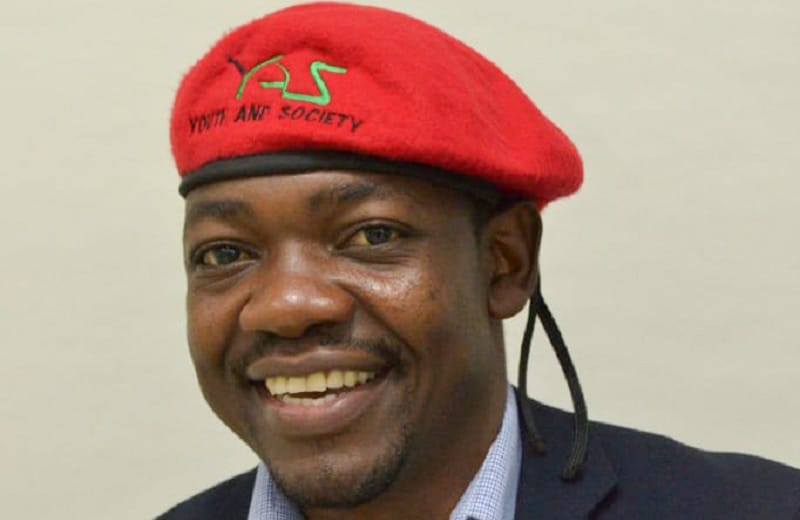
YAS executive director Charles Kajoloweka:

BLANTYRE-(MaraviPost)-A frontline human rights activist and governance advocate Charles Kajoloweka has declined his appointment to the board of the Technical, Entrepreneurial and Vocational Education and Training Authority (TEVETA).

In a letter dated December 15, 2025, addressed to Chief Secretary Justin Saidi, Kajoloweka who is also the founder and Executive Director (ED) of Youth and Society (YAS) says his decision has been made based on the principles of ethics, accountability, and institutional integrity.

He notes that accepting the appointment could potentially compromise, or be perceived to compromise, the independence of YAS and the credibility of its advocacy work.

“It is therefore in the best interests of accountable governance, public trust, and institutional clarity that I respectfully decline the offer,” says Kajoloweka Kajoloweka in the statement.

This is not the first time Kajoloweka has turned down a public appointment.

In September 2020, he also declined an appointment to the board of the National Youth Council (NYC).


Discover more from The Maravi Post

Subscribe to get the latest posts sent to your email.
The Maravi Post