Former US police officer Chauvin guilty in all counts on George Floyd death: Excites Americans

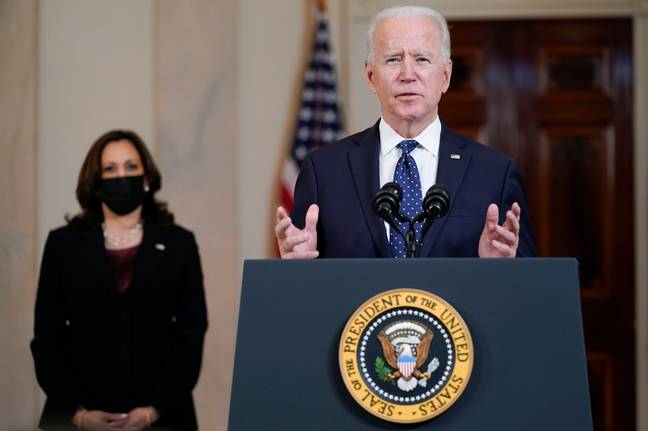
WASHINGTON-(MaraviPost)-US President Joe Biden has said the conviction of a former police officer in the killing of George Floyd “can be a giant step forward in the march toward justice in America”.

White officer Derek Chauvin was filmed kneeling on African-American Mr Floyd’s neck for more than nine minutes, sparking mass protests against racism.

He was found guilty on Tuesday of second-degree murder, third-degree murder and manslaughter.

Sentencing is likely to happen in two months, and Chauvin could spend decades in jail. He is expected to appeal against the verdict.

In a phone call with Mr Floyd’s family after the verdict was announced, the president was heard saying: “At least now there is some justice.”

In televised remarks shortly afterwards, Mr Biden said that such a verdict was “much too rare”.

“We can’t leave this moment or look away thinking our work is done. We have to look at it as we did for those nine minutes and 29 seconds,” he said.

Vice-President Kamala Harris urged lawmakers to pass the George Floyd bill aimed at reforming policing in the US.

“This bill is part of George Floyd’s legacy. This work is long overdue,” she said.

What other reaction has there been?

People gathered outside the courtroom and on the intersection in Minneapolis where Mr Floyd was killed to celebrate the verdict.

Cheers broke out, drivers honked their car horns and people blocked traffic chanting: “George Floyd” and “All three counts”, referring to the three charges of which Chauvin was convicted.

“It’s a good day in Minneapolis,” said 21-year-old Kenneth Nwachi.

One local resident told the Associated Press news agency she felt grateful and relieved, while another said: “There’s some form of justice that’s coming.”

Crowds also gathered in other cities to celebrate the verdict.
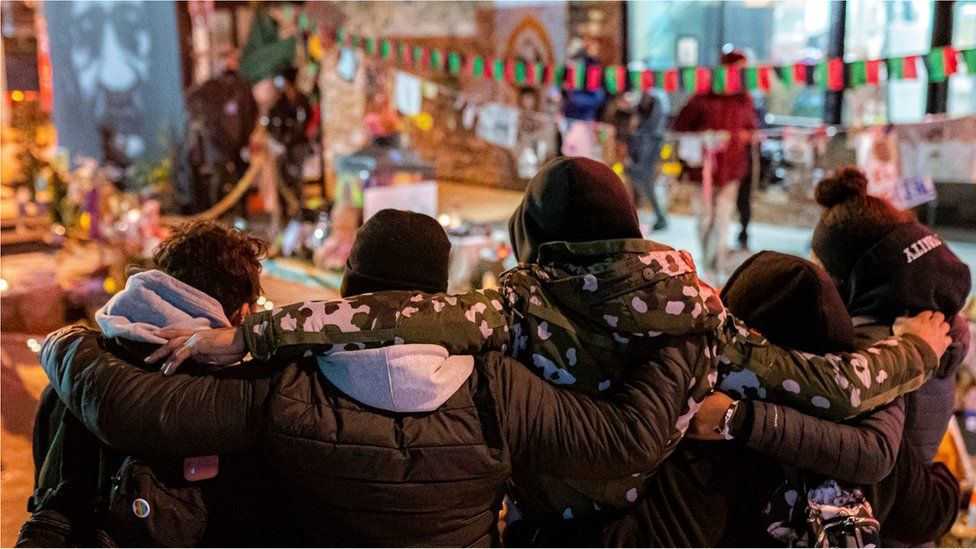
Mourners gather for a vigil for George Floyd following the verdict in the Derek Chauvin trial on April 20, 2021 in Minneapolis, Minnesota.Mourners gather for a vigil for George Floyd following the verdict in the Derek Chauvin trial on April 20, 2021 in Minneapolis, Minnesota.
People gathered in Minneapolis to celebrate the verdict and pay tribute to George Floyd

But they also said that more needed to be done.

Police officers have rarely been convicted – if they are charged at all – for deaths that occur in custody, and the verdict in the trial has been widely seen as an indication of how the US legal system will treat such cases in future.

At a family news conference, Mr Floyd’s brother Philonise said: “Today, we are able to breathe again.”

The Floyd family’s lawyer, Ben Crump, said the conviction marked a “turning point in history” for the US.

According to the Washington Post newspaper, 274 people have been killed by US police in 2021.

Shortly before the verdict on Tuesday, a police officer in the state of Ohio shot dead a 16-year-old black girl while responding to an emergency call over an attempted stabbing.

What happened in the courtroom?

It took the 12-member jury less than a day to reach their verdict.

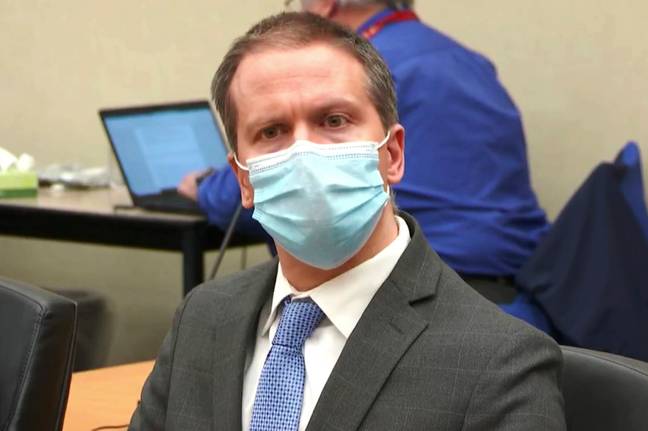
Chauvin, whose face was obscured with a coronavirus mask, showed little reaction as the verdict was read, remaining quiet and looking around the room. His bail was revoked and he was led away with his hands cuffed behind his back.h

The verdict followed a highly charged, three-week trial in which 45 witnesses took the stand and several hours of video footage were shown.

Several witnesses broke down in tears as they watched graphic footage of Mr Floyd’s death and described feeling “helpless” as events unfolded.

Expert witnesses on behalf of the state testified that Mr Floyd died from a lack of oxygen due to the manner of restraint employed by Chauvin and his colleagues.

Chauvin himself chose not to testify, invoking his right to not incriminate himself with his responses.

History turns on these kind of moments, and the conviction of Derek Chauvin will be seen as a landmark event in the ongoing struggle for black equality.

The video of George Floyd’s murder that went viral revealed to the world the scourge of police brutality, a disease America has never been able to cure. This verdict is unlikely to be a panacea.

It’s a tragedy of American history that acts of police violence have often been the spur for racial change.

In the early Sixties, the sight of police dogs lunging at protesters in Birmingham, Alabama contributed to the passage of legislation that demolished southern segregation. The pictures of police clubbing protesters in Selma, Alabama led to the 1965 Voting Rights Act.

But while the murder of George Floyd has brought about a racial reckoning, that’s a very different thing from saying its brought about racial reconciliation. African-Americans will see justice in this verdict, but so many are looking for fairness and equality in all the aspects of their lives.

What happens next?

The sentencing is expected to take place in two months, with the most serious charge carrying a maximum sentence of 40 years in prison.

Chauvin’s defence team has not yet commented on the verdict, but is expected to appeal.

According to reports, one of the most likely avenues of appeal is the huge publicity given to the case, with the defence team arguing that this might have influenced the jury.

Also, Presiding Judge Peter Cahill said on Monday that public comments by Democratic Congresswoman Maxine Waters could be grounds for an appeal.

Over the weekend, Ms Waters had urged protesters to “stay on the street” and “get more confrontational” if Chauvin was acquitted.

US defence lawyer Mark Geragos called the conviction a “preordained conclusion”, telling Fox News that “given the tsunami of coverage and public consternation, the best he ever could have hoped for was a hung jury”.

Three other officers present when Floyd was killed will go on trial later this year.

What happened to George Floyd?

The 46-year-old bought a pack of cigarettes at a convenience store in May 2020. A shop assistant believed he had used a counterfeit note and called the police after Mr Floyd refused to give the cigarettes back.

When police arrived, they ordered Mr Floyd out of his parked car and handcuffed him. A struggle ensued when officers tried to put a screaming Mr Floyd in their squad car. They wrestled him to the ground and pinned him under their weight.

Flowers and candles were brought to George Floyd Square as people celebrate after former Minneapolis Police Officer Derek Chauvin was found guilty on all counts in the death of George Floyd in Minneapolis, Minnesota, USA, 20 April 2021.Flowers and candles were brought to George Floyd Square as people celebrate after former Minneapolis Police Officer Derek Chauvin was found guilty on all counts in the death of George Floyd in Minneapolis, Minnesota, USA, 20 April 2021.

Chauvin pressed his knee into the back of Mr Floyd’s neck for more than nine minutes.

As he was being restrained, Mr Floyd said more than 20 times that he could not breathe, pleading for his mother and begging “please, please, please”.

When the ambulance arrived, Mr Floyd was motionless. He was pronounced dead about an hour later.

Source: BBC

NBS Bank Your Caring BankNBS Bank Your Caring Bank

Source

“Derek Chauvin’s Guilty Verdict Is A ‘Step Forward’ For Justice In America”, Joe Biden Says

The US President has welcomed a Minneapolis jury’s guilty verdict for Derek Chauvin for the murder of George Floyd.


The former police officer was found guilty on all three charges and now faces up to 40 years behind bars.

Joe Biden said in a speech to the nation the trial has been tough for the Floyd family as well as black people all across the country.


The leader said the case unveiled the ‘the pain [and] the exhaustion that black Americans experience every single day’ and it also ‘ripped the blinders off for the whole world to see the systemic racism’.


Credit: PA
Credit: PA

Biden said: “Let’s also be clear, such a verdict is also much too rare.

“For so many people, it seems like it took a unique and extraordinary convergence of factors, a brave young woman with a smartphone camera, a crowd that was traumatised, traumatised witnesses, a murder that lasts almost 10 minutes in broad daylight for ultimately the whole world to see.

“Officers standing up and testifying against a fellow officer instead of just closing ranks, which should be commended.

“A jury who heard the evidence, carried out their civic duty in the midst of an extraordinary moment, under extraordinary pressure.

“For so many, it feels like it took all of that for the judicial system to deliver just basic accountability.

“No-one should be above the law and today’s verdict sends that message but it’s not enough. We can’t stop here.”

Credit: PA
Credit: PA

Vice President Kamala Harris echoed those sentiments and hopes the verdict will set a precedent for the future.

“It is not just a black America problem or a people of colour problem. It is a problem for every American,” she said.

“It is keeping us from fulfilling the promise of liberty and justice for all. It is holding our nation back from realising our full potential.

“We are all a part of George Floyd’s legacy and our job now is to honour it and to honour him.”

Chauvin had his bail revoked and has been remanded in custody until his sentencing hearing in eight weeks, which will determine how long he will stay behind bars.

The maximum sentence for second-degree unintentional murder is ‘imprisonment of not more than 40 years’, while the maximum sentence for third-degree murder is ‘imprisonment of not more than 25 years’.

The maximum sentence for second-degree manslaughter, meanwhile, is 10 years and/or $20,000 (£14,000).The murder case against Chauvin drew to a close at Hennepin County Court this afternoon after going to jury.

Credit: PA

(Visited 7 times, 7 visits today)


Subscribe to our Youtube Channel :

Follow Us on Instagram Source

Global Austerity Alert: Looming Budget Cuts in 2021-25 and Alternatives

Aid, Civil Society, Development & Aid, Economy & Trade, Financial Crisis, Global, Headlines, Health, Humanitarian Emergencies, Inequity, TerraViva United Nations

Opinion

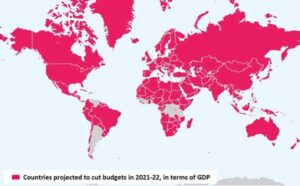
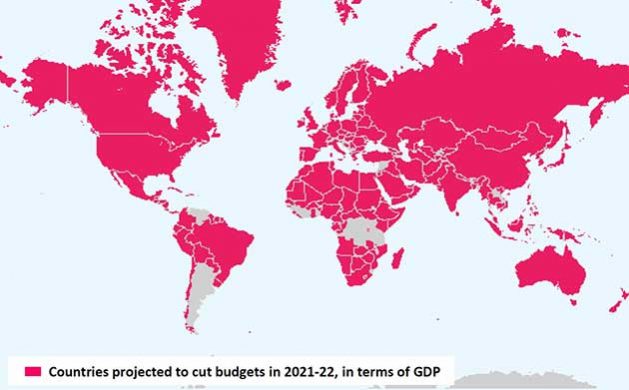
Map of countries with projected austerity cuts in 2021-2022, in terms of GDP, based on IMF fiscal projections. Credit: I. Ortiz and M. Cummins, 2021

NEW YORK and NAIROBI, Apr 15 2021 (IPS) – Last week Ministers of Finance met virtually at the Spring Meetings of the International Monetary Fund (IMF) and the World Bank to discuss policies to tackle the pandemic and socio-economic recovery.


But a global study just published by the Initiative for Policy Dialogue at Columbia University, international trade unions and civil society organizations, sounds an alert of an emerging austerity shock: Most governments are imposing budget cuts, precisely at a time when their citizens and economies are in greater need of public support.

Analysis of IMF fiscal projections shows that budget cuts are expected in 154 countries this year, and as many as 159 countries in 2022. This means that 6.6 billion people or 85% of the global population will be living under austerity conditions by next year, a trend likely to continue at least until 2025.

The high levels of expenditures needed to cope with the pandemic have left governments with growing fiscal deficit and debt. However, rather than exploring financing options to provide direly-needed support for socio-economic recovery, governments—advised by the IMF, the G20 and others—are opting for austerity.

The post-pandemic fiscal shock appears to be far more intense than the one that followed the global financial and economic crisis a decade ago. The average expenditure contraction in 2021 is estimated at 3.3% of GDP, which is nearly double the size of the previous crisis. More than 40 governments are forecasted to spend less than the (already low) pre-pandemic levels, with budgets 12% smaller on average in 2021-22 than those in 2018-19 before COVID-19, including countries with high developmental needs like Ecuador, Equatorial Guinea, Kiribati, Liberia, Libya, Republic of Congo, South Sudan, Yemen, Zambia and Zimbabwe.

The dangers of early and overly aggressive austerity are clear from the past decade of adjustment. From 2010 to 2019, billions of people were affected by reduced pensions and social security benefits; by lower subsidies, including for food, agricultural inputs and fuel; by wage bill cuts and caps, which hampered the delivery of public services like education, health, social work, water and public transport; by the rationalization and narrow-targeting of social protection programs so that only the poorest populations received smaller and smaller benefits, while most people were excluded; and by less employment security for workers, as labor regulations were dismantled. Many governments also introduced regressive taxes, like consumption taxes, which further lowered disposable household income. In many countries, public services were downsized or privatized, including health. Austerity proved to be a deadly policy. The weak state of public health systems—overburdened, underfunded and understaffed from a decade of austerity—aggravated health inequalities and made populations more vulnerable to COVID-19.

Today, it is imperative to watch out for austerity measures with negative social outcomes. After COVID-19’s devastating impacts, austerity will only cause more unnecessary suffering and hardship.

Austerity is bad policy. There are, in fact, alternatives even in the poorest countries. Instead of slashing spending, governments can and must explore financing options to increase public budgets.

First, governments can increase tax revenues on wealth, property, and corporate income, including on the financial sector that remains generally untaxed. For example, Bolivia, Mongolia and Zambia are financing universal pensions, child benefits and other schemes from mining and gas taxes; Brazil introduced a tax on financial transactions to expand social protection coverage.

Second, more than sixty governments have successfully restructured/reduced their debt obligations to free up resources for development. Third, addressing illicit financial flows such as tax evasion and money laundering is a huge opportunity to generate revenue. Fourth, governments can simply decide to reprioritize their spending, away from low social impact investments areas like defense and bank/corporate bailouts; for example, Costa Rica and Thailand redirected military expenditures to public health.

Fifth, another financing option is to use accumulated fiscal and foreign reserves in Central Banks. Sixth, attract greater transfers/development assistance or concessional loans. A seventh option is to adopt more accommodative macroeconomic frameworks. And eighth, governments can formalize workers in the informal economy with good contracts and wages, which increases the contribution pool and expands social protection coverage.

Expenditure and financing decisions that affect the lives of millions of people cannot be taken behind closed doors at the Ministry of Finance. All options should be carefully examined in an inclusive national social dialogue with representatives from trade unions, employers, civil society organizations and other relevant stakeholders.

#EndAusterity is a global campaign to stop austerity measures that have negative social impacts. Since 2020, more than 500 organizations and academics from 87 countries have called on the IMF and Ministries of Finance to immediately stop austerity, and instead prioritize policies that advance gender justice, reduce inequality, and put people and planet first.

Isabel Ortiz is Director of the Global Social Justice Program at Joseph Stiglitz’s Initiative for Policy Dialogue at Columbia University, former Director at the International Labour Organization (ILO) and UNICEF
Matthew Cummins is senior economist who has worked at UNDP, UNICEF and the World Bank.

  Source

Studying Marine Life’s Brief Break from Human Noise

Biodiversity, Civil Society, Economy & Trade, Editors’ Choice, Environment, Featured, Global, Global Governance, Green Economy, Headlines, IPS UN: Inside the Glasshouse, TerraViva United Nations

Opinion

Hydrophone launch. Credit: The Comprehensive Nuclear-Test-Ban Treaty Organization (CTBTO)

NEW YORK, Apr 15 2021 (IPS) – Travel and economic slowdowns due to the COVID-19 pandemic have combined to brake shipping, seafloor exploration, and many other human activities in the ocean, creating a unique moment to begin a time-series study of the impacts of sound on marine life.


Our community of scientists has identified more than 200 non-military ocean hydrophones worldwide and hopes to make the most of the unprecedented opportunity to pool their recorded data into the 2020 quiet ocean assessment and to help monitor the ocean soundscape long into the future.

Our aim is a network of 500 hydrophones capturing the signals of whales and other marine life while assessing the racket levels of human activity. Combined with other sea life monitoring methods such as animal tagging, the work will help reveal the extent to which noise in “the Anthropocene seas” impacts ocean species, which depend on sound and natural sonar to mate, navigate and feed across the ocean.

Sound travels far in the ocean and a hydrophone can pick up low frequency signals from hundreds, even thousands of kilometres away.

Assessing the risks of underwater sound for marine life requires understanding what sound levels cause harmful effects and where in the ocean vulnerable animals may be exposed to sound exceeding these levels.

In 2011, experts began developing the International Quiet Ocean Experiment (IQOE), launched in 2015 with the International Quiet Ocean Experiment Science Plan. Among our goals: to create a time series of measurements of ambient sound in many ocean locations to reveal variability and changes in intensity and other properties of sound at a range of frequencies.

The plan also included designating 2022 “the Year of the Quiet Ocean.” Due to COVID-19, however, the oceans are unlikely to be as quiet as they were in April, 2020 for many decades to come.

COVID-19 reduced sound levels more than we dreamed possible. IQOE, therefore, is focusing project resources to encourage study of changes in sound levels and effects on organisms that occurred in 2020, based on observations from hundreds of hydrophones worldwide in 2019-2021.

Of the 231 non-military hydrophones identified to February 2021, the highest concentrations are found along the North American coasts — Atlantic, Pacific and Arctic — Hawaii, Europe, and Antarctica, with some scattered through the Asia-Pacific region.

Several have agreed to their geographic coordinates and other metadata being shown on the IQOE website (https://www.iqoe.org/systems).

Sparse, sporadic deployment of hydrophones and obstacles to integrating measurements have narrowly limited what we confidently know.

We are therefore creating a global data repository with contributors using standardized methods, tools and depths to measure and document ocean soundscapes and effects on the distribution and behavior of vocalizing animals.

New software, MANTA (at https://bit.ly/3cVNUox), developed by researchers across the USA and led by the University of New Hampshire, will help standardize ocean sound recording data from collaborators, facilitating its comparability, pooling and visualization.

As well, an Open Portal to Underwater Sound (OPUS), is being tested at Alfred Wegener Institute in Bremerhaven, Germany to promote the use of acoustic data collected worldwide, providing easy access to MANTA-processed data. The aggregated data will permit soundscape maps of entire oceans.

Meanwhile, scientists over the past decade have developed powerful methods to estimate the distribution and abundance of vocalizing animals using passive acoustic monitoring.

The fledgling hydrophone network contributes to the Global Ocean Observing System (GOOS), a network of observing assets monitoring currents, temperature, sea level, chemical pollution, litter, and other concerns worldwide.

Precious chance

Seldom has there been such a chance to collect quiet ocean data in the Anthropocene Seas. COVID-19 drastically decreased shipping, tourism and recreation, fishing and aquaculture, naval and coast guard exercises, offshore construction, port and channel dredging, and energy exploration and extraction. The concurrent price war that caused oil prices to dive to zero further quieted maritime energy activities.

The last comparable opportunity followed the terrorist attacks on the United States in September 2001, which disrupted not just air travel; they also led to a shipping slowdown and ocean noise reduction, prompting biologists to study stress hormone levels in endangered North Atlantic right whales in the Bay of Fundy.

With their 2001 data, research revealed higher September stress hormone levels over the next four years as the whales prepared to migrate to warmer southern waters where they calve, suggesting that the industrialized ocean causes chronic stress of animals.

We are on the way to timely, reliable, easily understood maps of ocean soundscapes, including the exceptional period of April 2020 when the COVID virus gave marine animals a brief break from human clatter.

Let’s learn from the COVID pause to help achieve safer operations for shipping industries, offshore energy operators, navies, and other users of the ocean.

Additional information about MANTA is available at https://bitbucket.org/CLO-BRP/manta-wiki/wiki/Home, and about the IQOE at https://bit.ly/3sDTkd

We invite parties in a position to help to join us in this global effort to assess the variability and trends of ocean sound and the effects of sound on marine life.

*Jesse Ausubel is the IQOE project originator and Director of the Program for the Human Environment at The Rockefeller University, New York City; Edward R. Urban Jr of the Scientific Committee on Oceanic Research is the IQOE Project Manager

  Source

Forest supervisor balances population, budget and environmental concerns

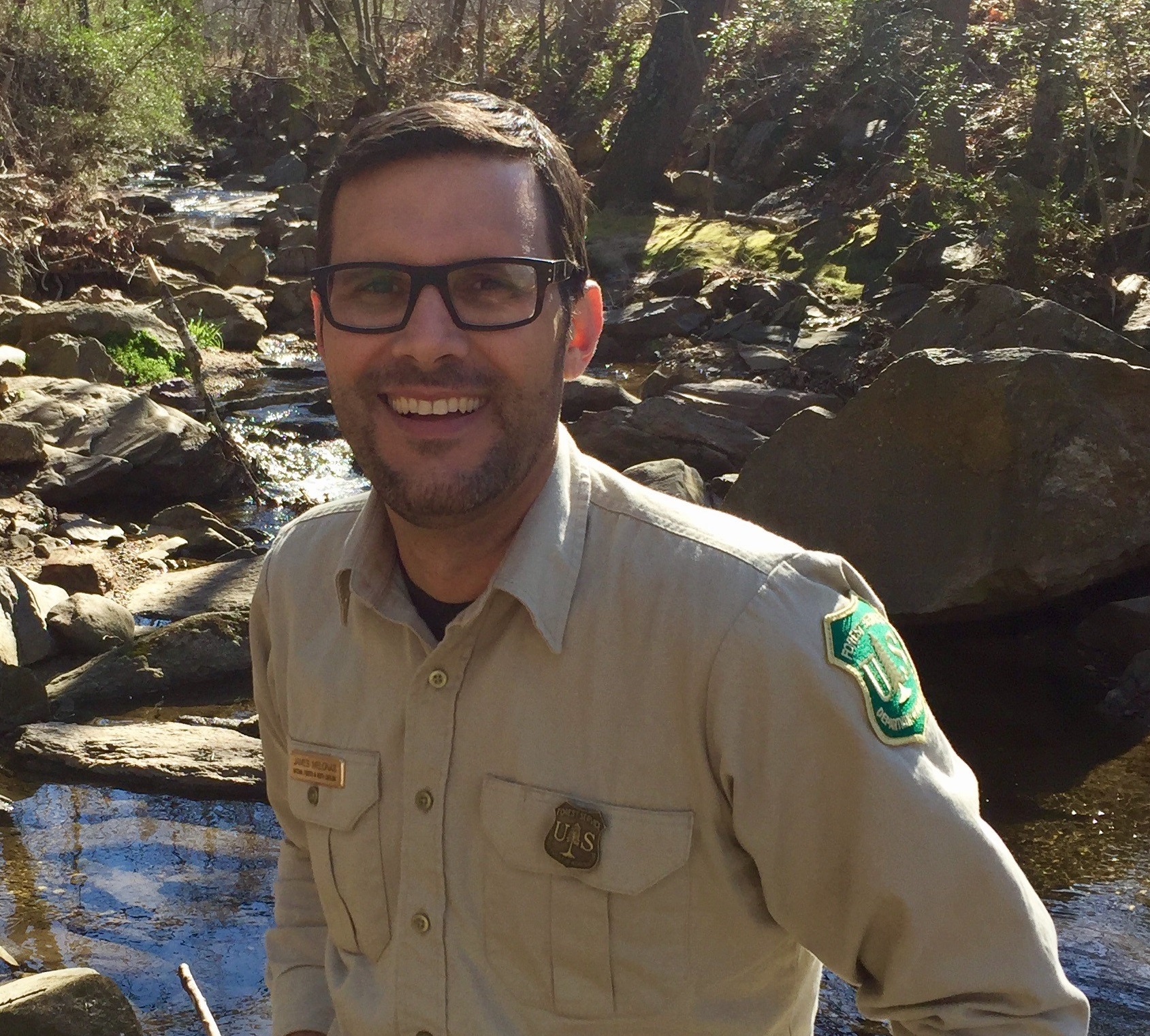
James Melonas thinks the state’s national forests are a reflection of the communities across North Carolina.

“The challenges we face in the national forest are societal. These aren’t just Forest Service issues. They are issues facing all of our communities and everyone living in North Carolina,” said Melonas, the new forest supervisor for the state’s four national forests.

The U.S. Forest Service selected the 44-year-old Melonas last fall to replace retiring supervisor Allen Nicholas.

As supervisor, he manages a $24 million budget, 213 employees across the state and the protection of more than 1.2 million acres of forestland. 

Melonas’ arrival at the state headquarters in Asheville is at a pivotal moment for North Carolina’s two largest national forests: Pisgah and Nantahala. Later this year, Melonas will finalize the land management plan that will guide the future of 1 million acres of federal forest in the mountains.

He’ll also oversee the coastal Croatan National Forest and central Uwharrie National Forest.

Setting priorities

In an interview with Carolina Public Press, Melonas said he will focus on building relationships with users and address development pressure, recreational demands, forest restoration and the impact of climate change.

Strains from a growing population and the bulging volume of forest users are among his biggest concerns. In 2020, over 7 million people visited the state’s national forests, making them among the most popular in the nation.

Before taking the helm in North Carolina, Melonas was the deputy supervisor in North Carolina before his promotion in 2017 to forest supervisor of Santa Fe National Forest in New Mexico.

He led the work on 1.6 million acres of public land that experienced extreme drought conditions during his tenure. 

Although New Mexico and North Carolina have vastly different landscapes, national forests nationwide face similar issues, including tighter budgets, less personnel and the existential threat of climate change.

“I think of climate change as a stressor on everything we do,” Melonas said. “We have such a large portfolio and have always been limited in what we would like to do and what we have the capacity to do.”

His strategy is “being intentional about how we set priorities, not just internally, but that they are shared priorities,” he said.

Before serving in New Mexico, Melonas worked closely with national forest stakeholders in the early stages of the Nantahala-Pisgah forest planning process, which began in 2012.

According to Lang Hornthal of EcoForesters, an Asheville-based nonprofit organization, Melonas had a significant impact on the plan.

“Anyone that has worked with James before would want to work with him again,” said Hornthal, who is a member of the leadership team of the Nantahala-Pisgah Forest Partnership, a collaborative group of public and private organizations that formed to support the development of the plan.

“From my seat at the table, he appreciates the enormous amount of work that was put into this process by our members and what it means that we have stuck together.”

Melonas said his appreciation of communities that rely on public lands was formed as a Peace Corps volunteer in Malawi, a small landlocked nation in southeastern Africa, where he worked at a national park. 

His focus as a volunteer was on communities that bordered the park. Among the issues were herds of hippos and elephants damaging cropland.

The takeaway from the experience, he said, is the deep connection of people to the land.

“It looks different, obviously, in different places, but that’s the common denominator. The interplay between the people and the land is inextricable.”

In New Mexico, Melonas formed close relationships with Native American tribes and pueblos living near Santa Fe National Forest. 

He intends to do the same in North Carolina and strengthen connections with the Eastern Band of Cherokee Indians and other tribes that have cultural sites within national forest boundaries.

He is also encouraging more engagement with communities left out of the development of forest service projects, such as Black Americans who live near public lands throughout the state.

“We need to get ownership in a local community so [future] projects are seen as community projects,” he said. “We can be more thoughtful when we are designing projects and engaging those communities.”

Forest plans

Among his priorities as supervisor is finalizing the Proposed Forest Plan and Draft Environmental Impact Statement for the Pisgah and Nantahala National Forests, which was released in February 2020. 

A final management plan will be signed by Melonas later this year.

“I’m feeling really good about where we are. Even though it’s been a long process and challenging, everyone agrees that the partnerships and relationships we’ve formed over this time have been really important,” he said.

Nevertheless, he’s pragmatic about what the plan can accomplish on its own.

“If we had a hundred years, we could keep refining some of these things [in the plan]. Ultimately, we have to be realistic of what we can ask of the plan,” he said. “There are just things that are too complex, either ecologically or socially, for the plan to address. There is just no one answer.” 

Instead, the management plan will create a framework to foster a more productive conversation about issues in the forest, particularly in areas where groups and individuals tend to disagree, such as land protection or timber harvesting.

Melonas will also oversee issues facing the state’s two smaller national forests: Croatan and Uwharrie.

Currently, he said, the Forest Service is still coordinating rebuilding the areas of Croatan National Forest that suffered an estimated $17 million in damage from Hurricane Florence in 2018. 

Much of the harm was to roads, which were impassable due to fallen trees and culverts blown out by rushing water. 

“As we look at recovery, we’re mindful of the fact we’re going to experience more intense storms in the forest,” he said.

In both forests, he’ll oversee widespread restoration projects to replace loblolly pine with native plant communities, such as longleaf pine habitat, to restore forestland that is more resilient to climate change.

And statewide, a central task is balancing the needs of more users in a rapidly developing state where increasing demand is putting pressure on recreational resources.

“One of the things that hit me coming back to North Carolina was the amount of development that occurred in the last four years,” he said. 

His job, as he sees it, is to rise to that challenge and anticipate future issues around sustainable recreation, development and climate change.

“Everyone in North Carolina benefits from public lands and forests,” he said. 

Source

Police chief confirms excessive use of force in George Floyd case

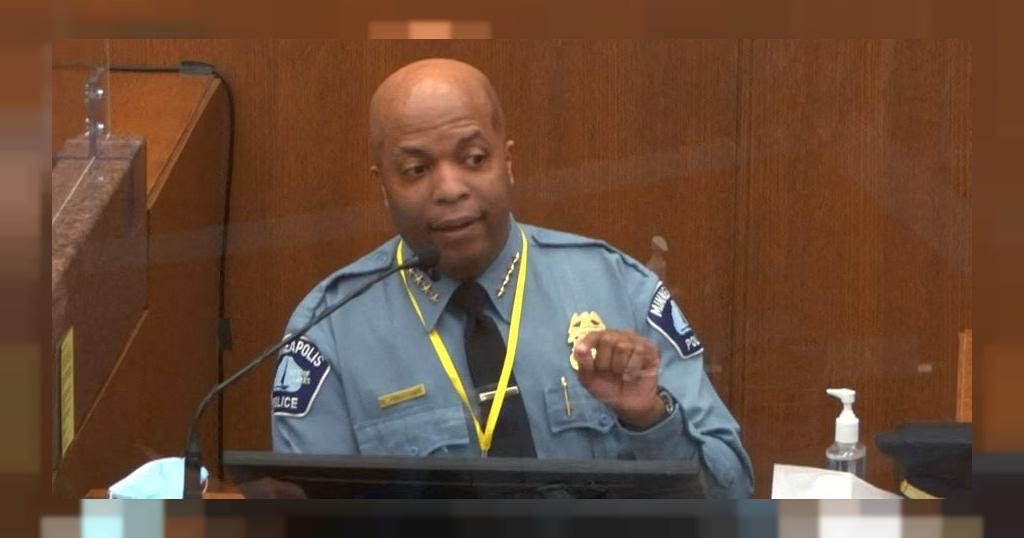
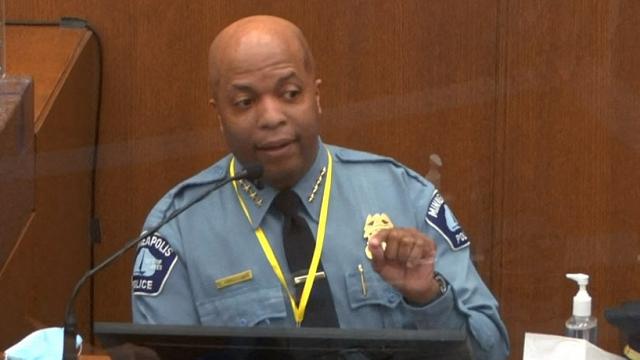
The police chief of Minneapolis Medaria Arradondo has testified that illegal excessive force was used by Derek Chauvin in the arrest of George Floyd.

The police chief of Minneapolis, Minnesota United states Medaria Arradondo has proclaimed under oath — on the sixth day of the international attention garnering trial, that ex-officer Derek Chauvin violated the agency’s policy on the use of force during the fatal arrest of George Floyd.

He told the court that Chauvin’s treatment of the now-deceased 46-year-old African-American man breached department regulations.

In the United States, it is highly unusual for a police chief to testify and give evidence against one of his own officers.

Arradondo appears to be taking a stand, literally:

”To continue to apply that level of force to a person proned out, handcuffed behind their back, that in no way shape or form is anything that is by policy, part of our training and is certainly not part of our ethics or values.”

The defence team claims Floyd died of drug use and pre-existing health conditions and not due to suffocation from Chauvin having knelt on his neck for more than nine minutes.

In an exchange with the prosecution, the emergency doctor who pronounced Floyd dead after trying to resuscitate him confirmed Asphyxia.

Chauvin — facing up to 40 years in prison if convicted, has denied charges of second-and third-degree murder, and manslaughter.

Three other officers also face aiding and abetting charges in the death of George Floyd.

Source

NBS Bank Your Caring BankNBS Bank Your Caring Bank

Source