Insurgents catapults American Capital under siege: This is not democracy

They said to me, “Those who survived the exile and are back in the province are in great trouble and disgrace. The wall of Jerusalem is broken down, and its gates have been burned with fire. ” When I heard these things, I sat down and wept. For some days I mourned and fasted and prayed before the God of heaven. Nehemiah 1:3-4 

Since before I was born, Americans have been telling the world what democracy is, what democracy looks like, and how democracy is established.

On January 6, 2021 insurgents who are supporters of outgoing President Donald Trump stormed the Capital Building, totting guns, smashing windows, scaling walls, forcing elected officials scurrying into secured areas on the Capital Campus; actions that stunned the world as protestors freely and arrogantly roamed the halls and rooms of the Congress, carrying Confederate flags, US flags with Trump’s picture in the middle.

This is short of nothing but an attempted coup that left four people dead: one through gunshot wound, and three from other medical causes.

Apart from about 14 arrests, no protestor was stopped, the mayhem continued for hours as police looked, overwhelmed until the National Guard, ordered by Vice President Mike Pence, came to smoke out the protestors out of the building and secure it for the Congress to continue their meeting.

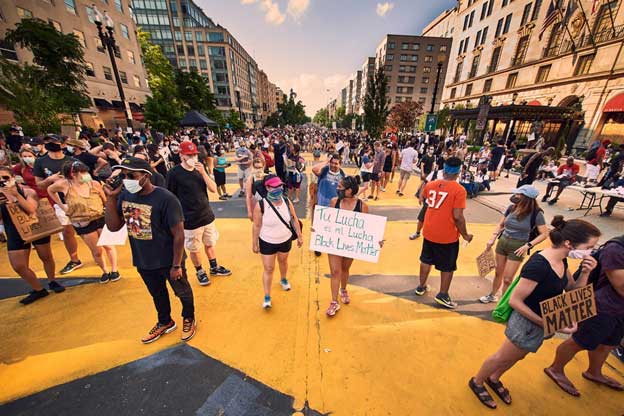
The US has been embroiled in one protest after another, especially those staged by African Americans and sympathizers that have been protesting the shooting by white law enforcement officers of unarmed black men. At each protest police shot at black protestors first, asked questions later.

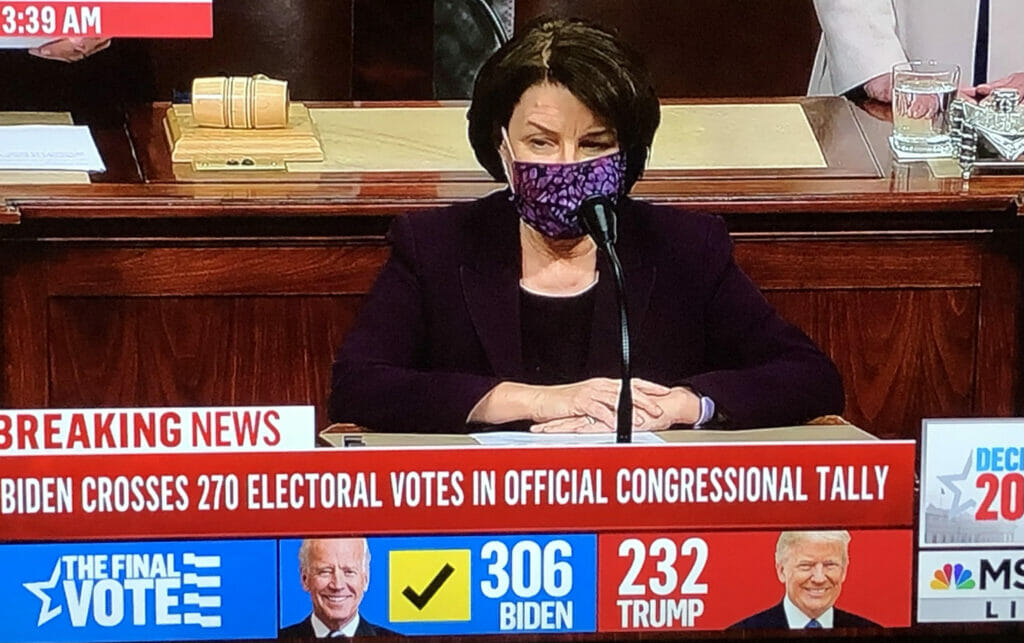
Today’s insurgence on the Congress, questions are looming as people vandalized the Capital Buildings. The first is where and why did the police not fire a single shot at the protestors? Why did the police secure the building as the protestors stormed the building? The warning whistle was made through the President, who after losing the November 2020 Presidential elections, claimed repeatedly that he won the elections. (Biden got 306 electoral votes against Trump’s 232). Instead of conceding defeat, he wiled his base of supporters and earlier called on supporters to walk to the Capital.

At the time Trump was inciting and encouraging the coup on his behalf, both houses of the Congress (House and the Senate) were receiving and confirming electoral votes of the Biden-Harris win.

There is no doubt that the protesters converged on the Capital to stop the confirmation, ironically presided by Vice President Pence.

President Trump’s complicity and acquiescence in the US Capital siege coupled with the docile, kid-glove handling of the insurgents, thugs, and vandals by the Capital police, was deplorable and has been condemned by both Republicans and Democrats.

There are scenes of police taking selfies with the rioters as they staged the insurrection in the Capitol Building to prevent the installing of Joe Biden.

This was an act of domestic terrorism, an attempted coup, it was a national security issue. It was a scene that is prevalent in fragile democracies and countries ruled by dictators.

But American democratic morality and decency were laid bare, encased in hypocrisy in the kid-glove treatment of the armed rioters. In the past 11 months, protestors in the black lives matter were treated brutally treated, beaten, teargassed, and many were fatally shot again and again.

It is more than 12 hours since the insurgence of the nation’s capital of the lead country of the democratic world; but the silence is deafening. Because the President is the agitator of the insurgency, there has been no press conference with a crowded stage that in past has included the police chief, the FBI, the CIA, a Communication Director, and the truckload of officials that address the nation, briefing them of what had happened, how they learned about the event, what they did to quell the violence, and what further developments are expected to take place.

Who is running this circus? What happened with intelligence gathering and security of national events of this nature? Since the coup attempt, the President-elect Biden spoke to the nation calling on the rioters to stop their siege of Congress, then turned on President Trump to talk to his supporters.

But on Wednesday, the lead country of Western democracy, witnessed the hoodlums, many of them totting guns, temporary take-over of its lawmakers’ building that put at risk the country’s vice president, the speaker, and Senate leader, Senate, and congresspeople.

The insurrection is domestic terrorism, an insurrection, and frankly an attack on democracy. It was total anarchy, chaos, and a scene that Americans see elsewhere, not America.

Amidst the chaos and mayhem, however, some good, some light shone on America: the Democratic Party took control of the Senate.

This was achieved when the Democratic Party candidates Reverend Raphael Warnock and Jon Ossoff won the run-off senate elections that took place on January 5, 2021. Thus with the control of the Congress, it can pass laws, confirm Biden’s cabinet picks.

At 3:33 AM on January 7, 2021, the joint session of Congress, chaired by Vice President Pence, confirmed Joe Biden as duly elected president of the United States. The tally was Biden 271 and trump at 224. Votes were accepted state by state until Biden got 306 and Trump got 232.

This is what democracy looks like.

NBS Bank Your Caring BankNBS Bank Your Caring Bank

Source

Mining giant Rio Tinto Face Environmental, Human Rights Complaint in Papua New Guinea

Active Citizens, Asia-Pacific, Crime & Justice, Development & Aid, Environment, Featured, Food & Agriculture, Headlines, Health, Human Rights, Indigenous Rights, Natural Resources, Regional Categories, TerraViva United Nations, Water & Sanitation

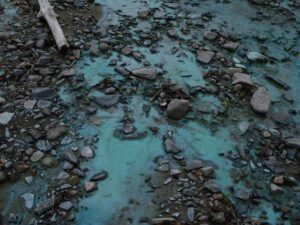
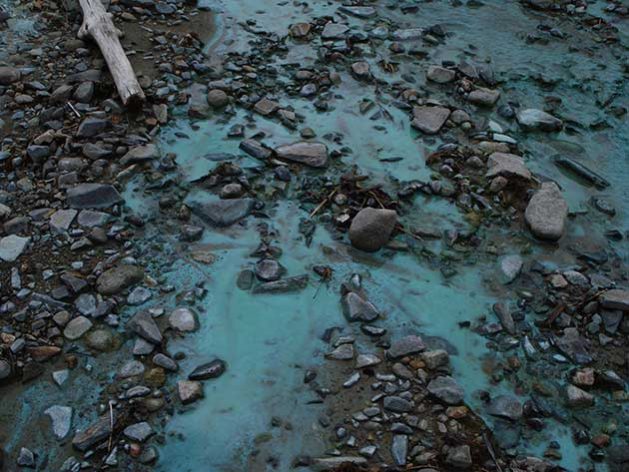
Contamination of rivers and streams by mine waste in the vicinity of the Panguna copper mine in the Autonomous Region of Bougainville, Papua New Guinea. Credit: Catherine Wilson

CANBERRA, Australia, Jan 4 2021 (IPS) – Local communities in the vicinity of the abandoned Panguna copper mine, have taken decisive action to hold the global mining multinational, Rio Tinto, accountable for alleged environmental and human rights violations during the mine’s operations between 1972 and 1989.


The mine operated in the mountains of central Bougainville in Papua New Guinea until 1989.

The complaint by 156 residents was lodged with the Australian Government in September by Australia’s Human Rights Law Centre and subsequently accepted in November, paving the way for a non-judicial mediation process.

“We and the communities we are working with have now entered into a formal conciliation process with Rio Tinto facilitated by the Australian OECD National Contact Point and talks with the company will begin very shortly,” Keren Adams, Legal Director at the Human Rights Law Centre in Melbourne told IPS.

Rio Tinto was the majority owner of the Panguna mine through its operating company, Bougainville Copper Ltd, with a 53.8 percent stake. However, 17 years after it began production in 1972, anger among indigenous landowners about contaminated rivers and streams, the devastation of customary land and inequity in distributing the extractive venture’s profits and benefits triggered an armed rebellion in 1989. After the mine’s power supply was destroyed by sabotage, Rio Tinto fled Bougainville Island and the site became derelict during the decade long civil war which followed.

The mine area, which is still controlled by the tribal Mekamui Government of Unity, comprising former rebel leaders, hasn’t been decommissioned and the environmental legacy of its former operations never addressed.

Now, according to the complaint, “copper pollution from the mine pit and tailings continues to flow into local rivers … The Jaba-Kawerong river valley downstream of the mine resembles a moonscape with vast mounds of grey tailings waste and rock stretching almost 40 km downstream to the coast. Levees constructed at the time of the mine’s operation are now collapsing, threatening nearby villages.”

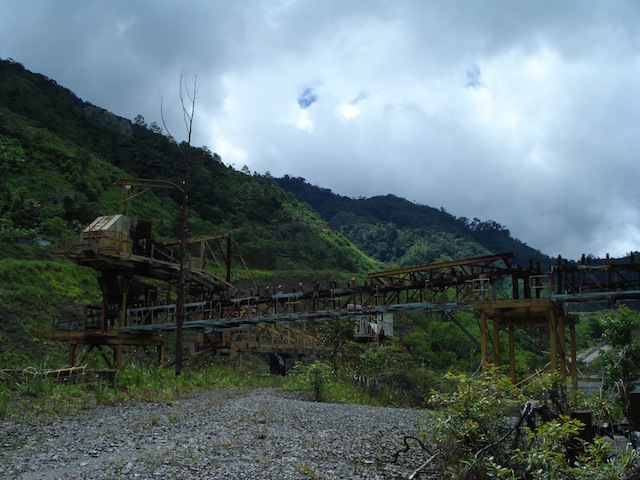
Gutted mine machinery and infrastructure are scattered across the site of the Panguna mine in the mountains of Central Bougainville, an autonomous region in Papua New Guinea. Credit: Catherine Wilson/IPS

There are further claims that contamination of waterways and land is causing long-term health problems amongst the indigenous population, such as skin diseases, diarrhoea, respiratory illnesses, and pregnancy complications.

Helen Hakena, Director of the Leitana Nehan Women’s Development Agency in Bougainville’s main town of Buka, fully supports the action taken by her fellow islanders.

“It is long overdue. It is going to be very important because it was the big issue which caused the Bougainville conflict. It will lay to rest the grievances which caused so much suffering for our people,” Hakena told IPS.

The Bougainville civil war, triggered by the uprising at the mine, led to a death toll of 15,000-20,000 people.

The people of Bougainville believe that Rio Tinto has breached the OECD Guidelines for Multinational Enterprises by failing both to take action to mitigate foreseeable environmental, health and safety-related impacts at the mine and respect the human rights of the communities affected by its extractive activities. The Human Rights Law Centre claims that “the mine pollution continues to infringe nearly all the economic, social and cultural rights of these indigenous communities, including their rights to food, water, health, housing and an adequate standard of living.”

“While we do not wholly accept the claims in the complaint, we are aware of deteriorating mining infrastructure at the site and surrounding areas and acknowledge that there are environmental and human rights considerations,” Rio Tinto responded in a public statement.

“Accepting the AusNCP’s ‘good offices’ shows that we take this complaint seriously and remain ready to enter into discussions with the communities that have filed the complaint, along with other relevant communities around the Panguna mine site, and other relevant parties, such as Bougainville Copper Ltd, the Autonomous Bougainville Government and PNG Government,” the statement continued.

In 2016, Rio Tinto divested its interest in Bougainville Copper Ltd, the operating company, and its shares were acquired by the PNG and Bougainville governments. Simultaneously, the corporate giant announced that it rejected corporate responsibility for any environmental impacts or damage.

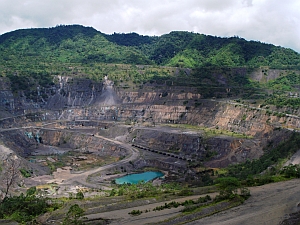
Panguna mine’s copper and gold await political settlement before extraction can resume. Credit: Catherine Wilson/IPS

Mineral exploration in Bougainville in the 1960s, followed by the construction of the Panguna open-cut copper mine, occurred when the island region was under Australian administration. It would subsequently become a massive source of internal revenue Papua New Guinea, which was granted Independence in 1975. During its lifetime, the Panguna mine generated about US$2 billion in revenue and accounted for 44 percent of the nation’s exports.

The mining agreement negotiated between the Australian Government and Conzinc Rio Tinto Australia in the 1960s didn’t include any significant environmental regulations or liability of the company for rehabilitation of areas affected by mining.

There has been no definitive environmental assessment of the Panguna site since it was forced to shut down. However, about 300,000 tonnes of ore and water were excavated at the mine every day. In 1989, an independent report by Applied Geology Associates in New Zealand noted that significant amounts of copper and other heavy metals were leaching from the mine and waste rock dumps and flowing into the Kawerong River. Today, the water in some rivers and streams in the mine area is a luminescent blue, a sign of copper contamination.

Bougainville residents’ action comes at the end of a challenging year for Rio Tinto. It is still reeling from revelations earlier this year that its operations destroyed historically significant Aboriginal sacred sites, estimated to be 46,000 years old, in the vicinity of its iron ore mine in the Pilbara region of Western Australia. The company’s CEO, Jean-Sebastien Jacques, has subsequently resigned.

Nevertheless, Adams is optimistic about the corporate giant’s willingness to engage with Bougainville and PNG stakeholders.

“In the first instance, we hope that this non-judicial process will help to facilitate discussions to explore whether Rio Tinto will make these commitments to address the impacts of its operations. If not, then the communities will be asking the Australian OECD National Contact Point to investigate the complaint and make findings about whether Rio Tinto has breached its human rights and environmental obligations,” the Human Rights Law Centre’s Legal Director said. A full investigation, if required, could take up to a year.

Ultimately, the islanders are seeking specific outcomes. These include Rio Tinto’s serious engagement with them to identify solutions to the urgent environmental and human rights issues; funding for an independent environmental and human rights impact assessment of the mine; and contributions to a substantial independently managed fund to enable long term rehabilitation programs.

Otherwise, Australia’s Human Rights Law Centre predicts that “given the limited resources of the PNG and Bougainville governments, it is almost inevitable that if no action is taken by Rio Tinto, the environmental damage currently being caused by the tailings waste will continue and worsen.”

  Source

2020: A Year of Cultural Rejuvenation Among Afro People

An Afro Cultural Reawakening Worldwide

The Internationally celebrated singer-songwriter Angélique Kidjo kicked off the year 2020 with a monumental performance at the 62nd Grammy Awards in January.

The iconic Benenise icon not only snagged her fourth grammy for Best World Music Album but brought the true spirit of Africa to the show as she proclaimed with pride that African music is the bedrock of all music.

Saying Goodbye to Cultural Legends

In the African tradition of honouring our elders, let’s take a brief moment to recognise the passing of a few other musical legends in 2020.

Nigerian drummer Tony Allen passed away this year at 79 after a decades-long career — 14 over which he thrived alongside fellow legend and bandmate Fela Kuti, and with whom he innovated the old school style of the Afrobeats genre.

Revered as a pioneer of traditional Ivorian music, Allah Thérèse — known for her signature hairstyle, ‘Akôrou Koffié,’ was loved and mourned across the county, following her passing at the age of 70.

Iconic cultural ambassador and the founder of the South African multi-Grammy-Award-winning music group Ladysmith Black Mambazo, Joseph Shabalala, was laid to rest at 78 years old.

The loss of the patriarch of Rumba and Congolese music at 87, Edo Nganga was hard to swallow as he was the last surviving member of one of Africa’s oldest musical groups Bantous de la capitale.

Many people paid tribute to Nganga as hundreds also gathered to do so for Guinean singer Mory Kante, who is known for helping introduce African music to a world audience in the 1980s and took his last breath at a hospital in Conakry at the age of 70.

Another precious soul lost to health issues at just 43 years old was Black-American Black Panther star Chadwick Boseman — whose image symbolised a revival of the cultural reconnection between Africa and Afro-descendants in the Diaspora.

Cultural Renovations Undertakings

A feat Senegalese hip hop artist Akon is undertaking as he announced in September that his futuristic pan-African project near Senegal’s capital, Akon City was officially underway. A Wakanda-likened utopia to serve as home to Afro people in the Diaspora marginalised by racism abroad.


Somalia
also made a move to culturally reinforce its lands as the East African nation signed in February an education and heritage support deal with UNESCO aimed at strengthening efforts to preserve the country’s culture and history — as well as improve its educational sector. In alignment, the reopening of the refurbished Mogadishu national theatre this year also coincided with the country’s 60 years of independence celebration.


Benin
also undertook a renovation project in August as the land of the former Kingdom of Dahomey decided to restore its Ouidah Fort — which also houses a history museum, as part of a bid to promote tourism and also to honour the suffering and celebrate the overcoming our African Ancestors who were captured and inhumanely shipped abroad from the main port of this coastal town.

Milestones in Music and Fashion

Black American star Beyoncé Knowles likewise sought to embrace her African African roots with the release of her visual album Black Is King in July. The project — which heavily featured talent from all over the African continent, speaks to the collective history of all people of African descent as it showcased diverse Afrobeats and fashion.

An industry revolutionised in May by Anifa Mvuemba the Congolese high fashion designer who held the world’s first EVER virtual 3D fashion show via Instagram LIVE. A history-making event which showcased the Pink Label Congo series from her Hanifa collection catering to the natural curves of a woman’s physique.

Similarly in Sudan, another bold fashion statement was made by local designers who organised a series of mixed-gender fashion shows in upmarket Khartoum hotels in November to present their new lines. A move that would have been almost unthinkable under ousted president Omar al-Bashir’s regime.

African Words on Paper and on Screen

No stylish outfits necessary for many on lockdown in light of the Covid-19 pandemic which saw a climb in book reading. Good news for writers like Cameroon’s Djaïli Amadou Amal who won this year’s prestigious French Literary Award Goncourt des Lycéens for her novel ‘Les Impatientes‘ — inspired by her personal experiences in a South Sahel patriarchal society.

And also for internationally renowned Nigerian author Chimamanda Ngozi Adichie whose novel ‘Half of a Yellow Sun‘ — set during her the Biafra civil war, was voted the best book to have won the Women’s Prize for Fiction in its 25-year history.

For couch potatoes, Queen Sono, the first original Netflix series “made in Africa” which launched in February, was definitely on play. The hit South African six-episode series was rescheduled to return for a second season which unfortunately was announced this month as cancelled due to the continued coronavirus crisis.

The Soundtrack of 2020

Fans are still hopeful that the show could make a comeback just as the song Jerusalema — released in 2019 in South Africa by DJ Master KG featuring Nomcebo Kizode, was revived at the height of the pandemic by way of the social media viral #JerusalemaDanceChallenge that rocked the world.

South Africans unwound to the notes of the gospel track on the country’s national heritage day in September and Jerusalema has undoubtedly marked Africa’s continental soundtrack this year with its rhythm serving as a certain ode to lighter times, in the hopes of even better times as we move forward into the year 2021.

Source

NBS Bank Your Caring BankNBS Bank Your Caring Bank

Source

Empowering Women through Wisdom

Asia-Pacific, Civil Society, Featured, Gender, Global, Headlines, Health, IPS UN: Inside the Glasshouse, Poverty & SDGs, TerraViva United Nations, Women’s Health

Opinion

Caryll Tozer* is engaged in social upliftment of women headed-households, and advocates conservation and women and child rights. She is a co-founder of Women In Need crisis center providing refuge for abused women.
 
Soraya M. Deen* is a lawyer, interfaith consultant and award-winning international activist and community organizer. She divides her time between Sri Lanka and Los Angeles and has written extensively on the plight of minorities and minority women.

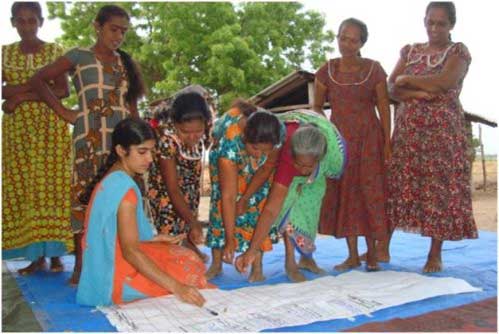
Credit: Oxfam.org

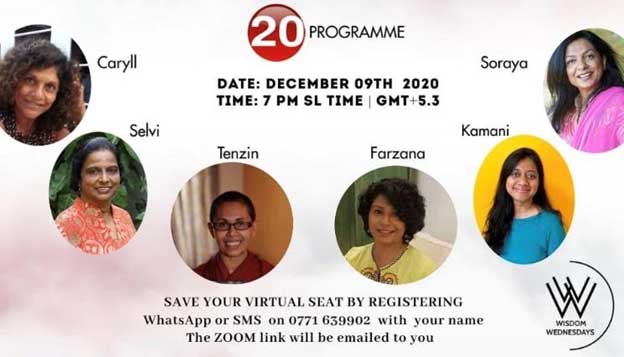
COLOMBO, Sri Lanka, Dec 22 2020 (IPS) – During the COVID 19 lockdown in Sri Lanka, seven women from diverse religious and ethnic backgrounds came together to deliver Wisdom and their message that women must be empowered and their voices for national unity must be heard through this movement.


We called ourselves the Wisdom Women and named the online program we created, “Wisdom Wednesdays”. The program airs every fortnight and since its inception in March 2020, we have hosted 21 stimulating shows, with thousands of people watching from across the world.

https://youtube.com/channel/UC28pnsQlhE1Y5BtYOSU6ZMQ

As co-founders, a Muslim and a Christian, we are determined to continue with the show until enough number of women stand up and say, “our country and the next generations deserve better and therefore we must speak up as a movement of women and work for national unity and reconciliation.”

A thirty-year bloody war has left Sri Lanka divided. One might expect our governments to move forward with a robust agenda for peace building. But nothing has improved, not even a tourniquet to arrest the bleeding. Successive governments have not spelt a serious agenda,

As conservation and environmental activists, we have worked to co-found an organization to support and eradicate abuse through the organization: One Home at a Time, which has built 17 homes for women-led households and wells for villages that need water. We believe that each individual can make a difference, and we have raised money, built homes, for these women and their family that lack basic housing. We have seen what happens when you support a woman who then can raise her family.

Whether we show up in NE Nigeria, Bangladesh or Sri Lanka, women have been dealt a raw hand. Patriarchy and misogyny are institutionalized, structural, interpersonal and intra personal.

An incredible team of powerful women, each one more powerful in their experience and individual body of work comprise the team. The group represents the various ethnicities, religions and gains strength from each other. We have an incredible team.

Along with us there is Selvi Sachithanandam who through her foundation helps peace building and social transformation through spirituality; Kamani Jinadasa who is the founder of a center for troubled youth and works extensively against gender-based violence.

We also have Farzana J. Khan who helps through her foundation supporting education, and works on small and medium enterprise; Ven. Tenzin Leckdron a Bikkuni who belongs to a monastery in Tibetan Buddhism and currently works in remote areas in Australia; and, Ameena Hussein who is engaged in various social work and is a publisher and writer.

All power houses in their own field. Having gone through life’s tremendous challenges and hardships, we know very well what it takes to uplift women and give them the skills to thrive.

Our mission is to educate and inspire women. Teach women some basic skills, but first to let them know they are POWERFUL. The work at Wisdom Wednesdays has just begun.

We are taking our show and our gifts on the road. We have structured workshops to suit one day and residential programs for women. We want to bring them together; inspire them to build power, and organize the community.

Sri Lanka has a female population of 52%, with an abysmal parliamentary representation. Less than 12 % of the representatives are women. COVID has sent a powerful message to the strong-willed women of Sri Lanka. It is a time for reflection and for change.

Women have risen to the challenge to keep their home fires burning, care for their children, face abuse and violence undeterred. Our goal is to tap into that strength and resilience.

We also believe that at a national level, a woman’s voice must be heard at every negotiating table in order to bring in a balanced and cohesive response to issues.

We are subtle activists, not armchair program designers. When we get to the river if we find the water muddy and dirty, we get into the river and clean the water. Our deepest concern now is funding to take this movement to the next level.

Bringing together 35 women to a residential workshop from Friday afternoon to Sunday is costly. But we see something beyond, that when love, expertise and commitment come together, magic can happen. There will be enablers, and there will be minority rights and women’s rights which are in great jeopardy.

The UN has established gender equality as both a stand-alone goal and a central tenet to achieving an inclusive and sustainable development agenda by 2030. We must promote participation. Promoting participation – means recognising we each have something unique and important to contribute to society.

We want to promote two more concepts through our work. Subsidiarity, and ending future conflict. We have not witnessed subsidiarity in the context of social theory, premised upon empowering individuals to resolve issues that affect them without interference from larger, and often more centralised, social, private, religious or government bodies.

Currently, Wisdom Wednesdays is being watched in over 8,000 homes across the world. We receive encouraging comments from diverse audiences. In a divided world hearing a positive message is like a drop of water in the ocean.

There is no good news anymore. People who watch TV know this. Feeding the spiritual is as important as feeding the hungry. People are hungry for hope and a new way forward.

Individual transformation, focused and committed action leads to community transformation. This time we want to mobilize women to take that action. We need women to speak out against divisiveness and bring a stop to racism and bigotry. We want to address these issues through experiences and wisdom of the women. Unified we will be that much stronger.

*Caryll Tozer is a committee member of The Wildlife and Nature Protection Society, the third oldest conservation organization in the world. She lives by the premise that “to remain silent when there is injustice makes one culpable”.

*Soraya M. Deen travels across Sri Lanka mobilizing women, men and interfaith groups to understand and explore contextual realities for the problems they face by bringing together like-minded community members to solve – urgent, relevant, winnable action. She is the Founder of the Muslim Women Speakers Movement, inspiring voices of change. Soraya serves as a resource person and women’s outreach coordinator for the Omnia Institute of Contextual Leadership, a think tank in Chicago that addresses religious based oppression, dominance and violence.

  Source

Here are some of the key events of the year 2020

The Covid-19 pandemic cast a long pall over 2020 but it also saw President Donald Trump beaten by Joe Biden in a tumultuous US election and the Black Lives Matter movement shake the world.

Here are some of the key events of the year:

– Rampaging virus – 

world01pix

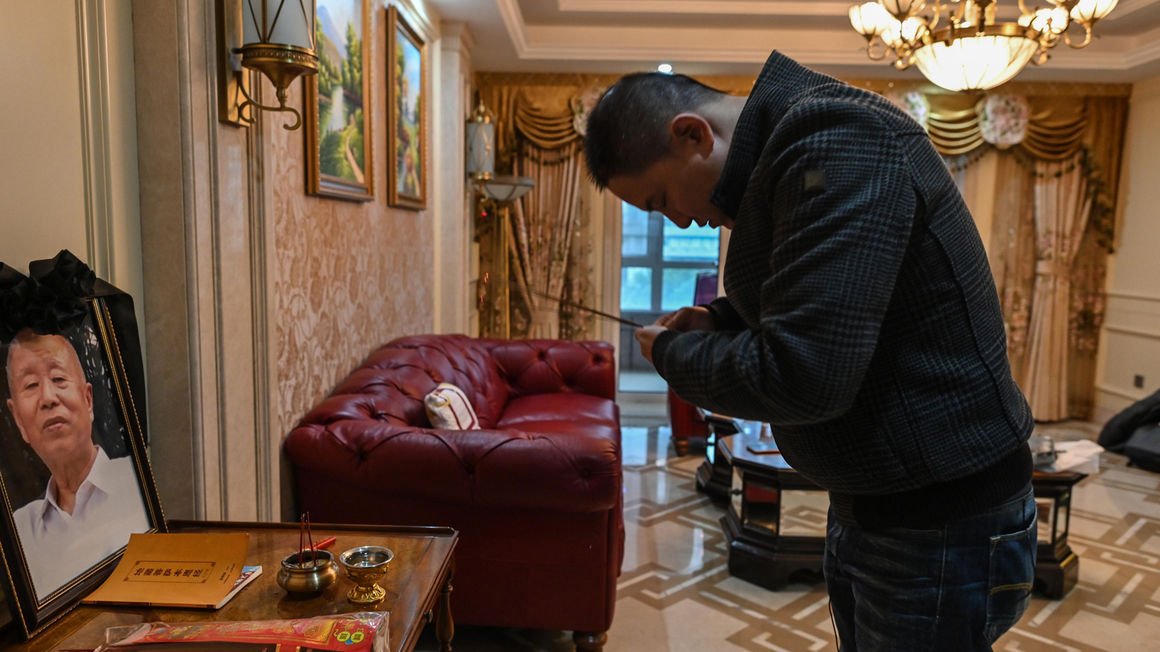
This photo taken on November 24, 2020 shows Liu Pei’en praying in front of a portrait of his father, who died after having symptoms of Covid-19, in Wuhan, China’s central Hubei province. The year 2020 saw the virus claim more than 1.6Million people worldwide. PHOTO/AFP

On January 11, less than two weeks after it alerts a cluster of pneumonia cases “of unknown cause”, Beijing announces its first death from an illness which will become known as Covid-19.

By March a pandemic has been declared and a month later half of humanity is in lockdown as governments scramble to halt its spread.

Massive state aid programmes are rolled out to save jobs as the International Monetary Fund predicts recession, with the global economy shrinking by 4.4 percent.

In November, drug companies announce positive results for several vaccines as a second wave of cases lashes the planet.

Within a month, the first shots are being given but by then some 1.6 million people are dead, with the US the worst hit.

– Iranian roulette –
The world holds its breath after top Iranian commander Qasem Soleimani is killed in a US drone strike in Iraq on January 3, days after pro-Iranian protesters storm the US embassy in Baghdad.

Iran retaliates by launching a volley of missiles at bases in Iraq housing US troops. The same day, it shoots down a Ukrainian passenger plane “in error” shortly after take off from Tehran, killing all 176 people on board.

Tensions mount again at the end of November when top Iranian nuclear scientist Mohsen Fakhrizadeh is assassinated, with Tehran blaming Israel.

– Brexit endgame –
Britain becomes the first country to leave the European Union on January 31 following its 2016 Brexit referendum.

world02pix

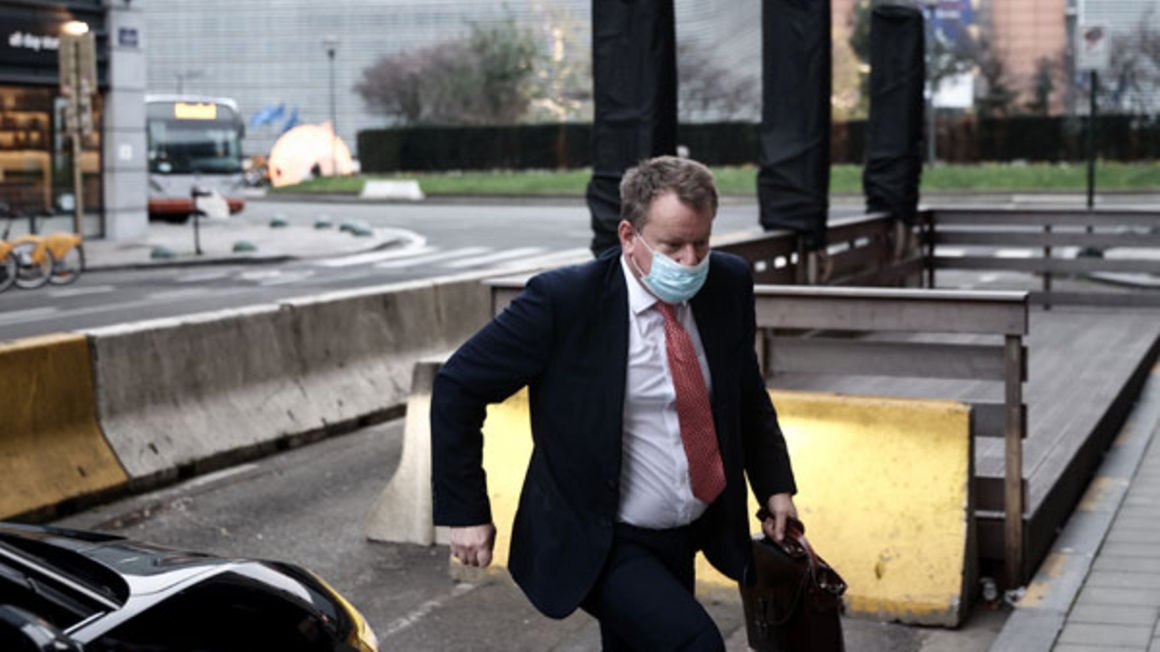
Britain’s chief Brexit negotiator David Frost arrives at the UK Representation to the EU-British Consulate-British Embassy after a meeting with European Commission’s head of Task Force for Relations with Britain in Brussels on December 7, 2020. UK ponders it’s post-Brexit era. PHOTO/AFP.

But crucial talks on future ties and trade with the bloc drag on for months, breaking deadline after deadline as negotiators try to avert a hard Brexit on December 31.

– US-Taliban accord –
The US and the Taliban sign a deal in Doha on February 29, with all foreign forces to quit Afghanistan by May 2021 after nearly two decades of war.

Talks between the Afghan government and insurgents start in September, but fighting rages on as the Taliban launch attack after attack.

The Pentagon is due to pull 2,000 of 4,500 US soldiers out of the country by January 15, 2021.

– George Floyd killed –

world002 pixx

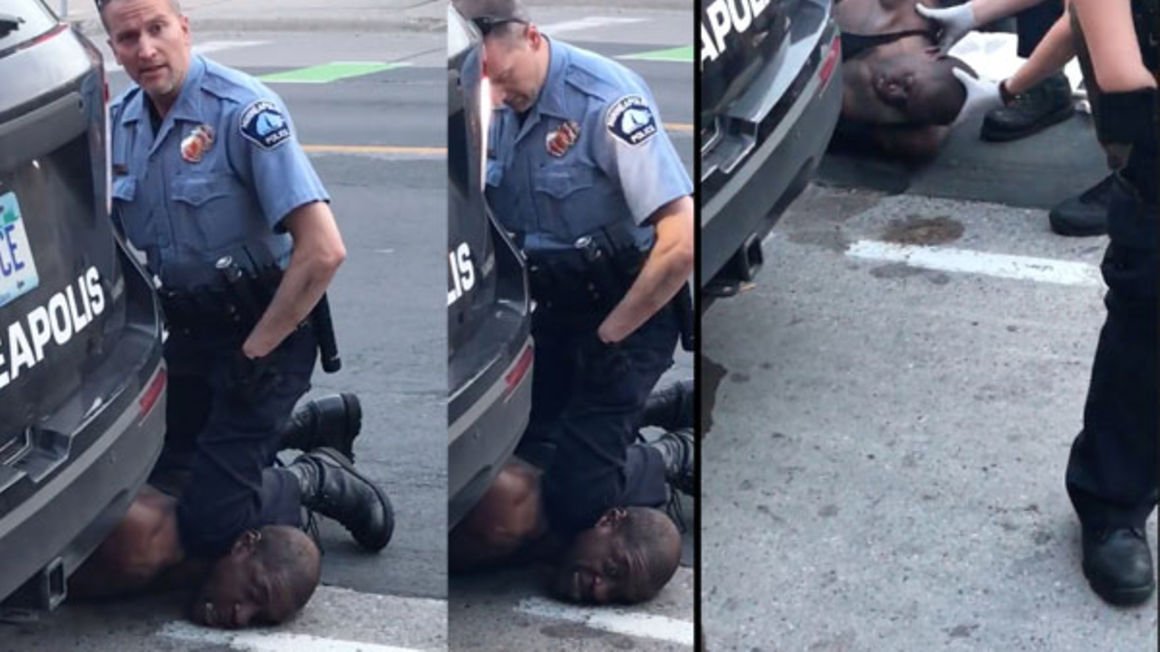
Derek Chauvin, the white officer filmed kneeling on the neck of a handcuffed and unarmed George Floyd for nearly nine minutes, was charged with one count of third-degree murder. PHOTO/AFP.

The killing of George Floyd, a 46-year-old African American, by white police officers on May 25 in Minneapolis sparks protests across the US and inspires anti-racism rallies across the world.

The Black Lives Matter movement leads to a major debate about race and the toppling of statues of figures linked to slavery or colonisation.

– Hong Kong clampdown –
In June, a year after a massive wave of demonstrations, China imposes a sweeping new security law on Hong Kong that opponents say undermines the semi-autonomous city’s liberties, promised under its handover from Britain in 1997.

Pro-democracy lawmakers are ousted, harassed and arrested. In December, three prominent Hong Kong activists are jailed including Joshua Wong.

– Thais rise up –
Students spark pro-democracy protests in July that roll on for the rest of the year calling for a new constitution, reform of the untouchable monarchy, and for Prime Minister Prayut Chan-O-Cha to resign.

– Beirut blast –

world01pix

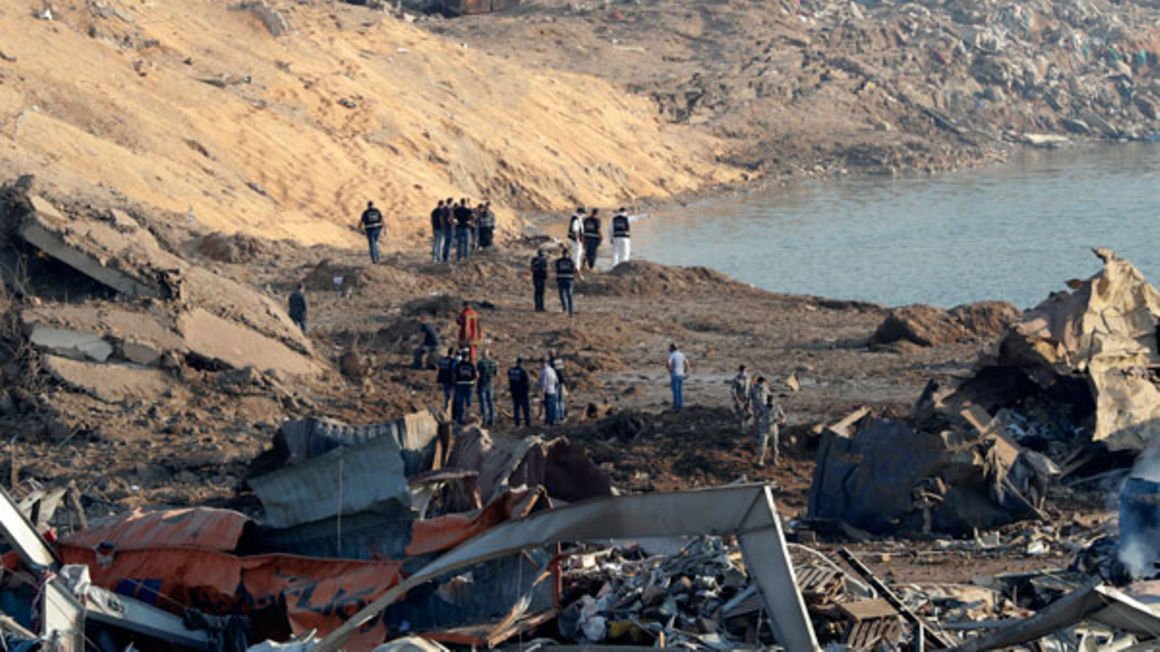
Police and forensic officers work at the scene of an explosion that took place at the port of Lebanon’s capital Beirut, on August 5, 2020. Rescuers worked through the night after two enormous explosions ripped through Beirut’s port, killing over 100 people and injuring thousands, as they wrecked buildings across the Lebanese capital. PHOTO/AFP.

A massive explosion on August 4 destroys much of Beirut’s port and devastates swathes of the capital, killing more than 200 and injuring at least 6,500.

The blast from a vast stockpile of ammonium nitrate fertiliser devastates an already teetering Lebanese economy and the credibility of its governing elite.

– Fires and hurricanes –
Enormous bushfires rage across Australia in what becomes known as its “Black Summer” while in September San Francisco and other regions of the American West Coast wake to orange skies as the state’s largest ever inferno breaks out.

In November, two hurricanes devastate Central America, leaving more than 200 dead.

– The Navalny affair –
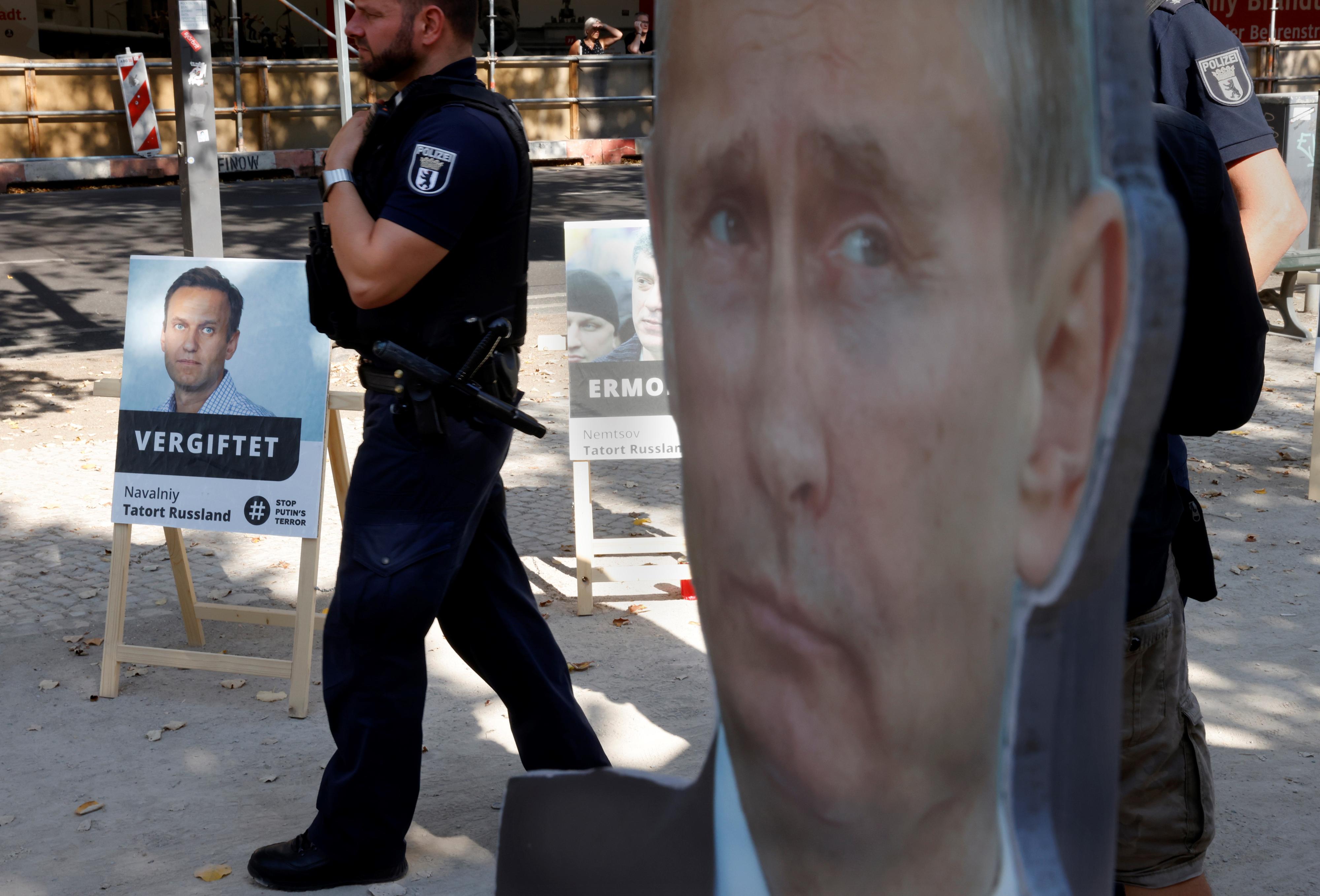
Kremlin critic Alexei Navalny is flown to Berlin in a medically induced coma after becoming violently ill from tea he drank as he boarded an internal flight to Moscow.

world01pix2

A poster with a picture of Russian opposition leader Alexei Navalny (L) with the headline “poisoned” is seen near an effigy of President Vladimir Putin outside the Russian embassy on Unter den Linden in Berlin during an anti-government protest on September 23, 2020. PHOTO / AFP

Tests reveal he was poisoned with the Soviet-era nerve agent Novichok. Navalny accuses Russian President Vladimir Putin of trying to kill him.

– Crisis in Belarus –
Belarus strongman President Alexander Lukashenko’s disputed victory in August 9 elections sparks four months of anti-government protests, centred on his main rival, political novice Svetlana Tikhanovskaya.

Opposition leaders are jailed or driven into exile.

– Israel’s new friends –
The United Arab Emirates and Bahrain normalise ties with Israel on September 15 as Palestinians condemn the move as a “stab in the back”.

The next month Donald Trump announces that Sudan is joining them, while in November unconfirmed reports of a secret trip to Saudi Arabia by Israeli Prime Minister Benjamin Netanyahu sparks speculation that the kingdom is set to follow.

In another twist, Morocco “resumed relations” with Israel on December 10 in return for the US recognising its claim to Western Sahara.

– China-US tensions – 
2020 sees US-China relations nosedive, with Trump calling Covid-19 the “China virus” and saying Beijing is responsible for “a mass worldwide killing”.

They also clash over the repression of Turkic speaking Uighur minority in the Chinese region of Xinjiang, as well as the national security law imposed on Hong Kong.

– Biden beats Trump –

WORLD01pix

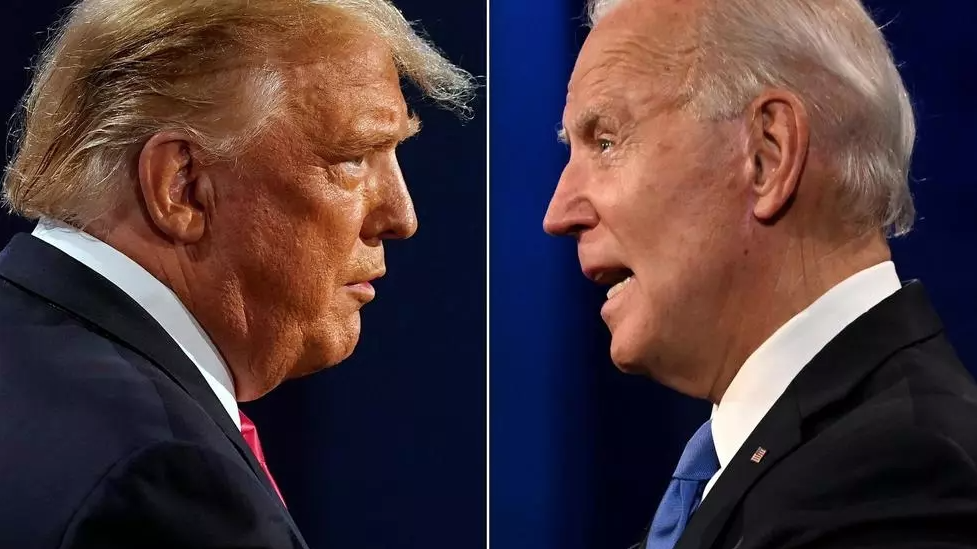
US President Donald Trump and President-elect Joe Biden. PHOTO/AFP.

Deeply-divided Americans vote in record numbers in the November presidential election between outgoing Republican Donald Trump and Democrat Joe Biden.

After four days of nail biting, Biden takes the White House by seven million votes. Trump cries fraud without evidence and has yet to concede defeat.

– Nagorno-Karabakh –
Heavy fighting for the Armenian-populated region of Nagorno-Karabakh, which broke away from Azerbaijan after a war in the 1990s, goes on for 45 days.

Several thousand die before a Kremlin-brokered peace deal on November 9, with Armenians losing swathes of territory to Azerbaijan forces.

– Ethiopia: Tigray conflict –
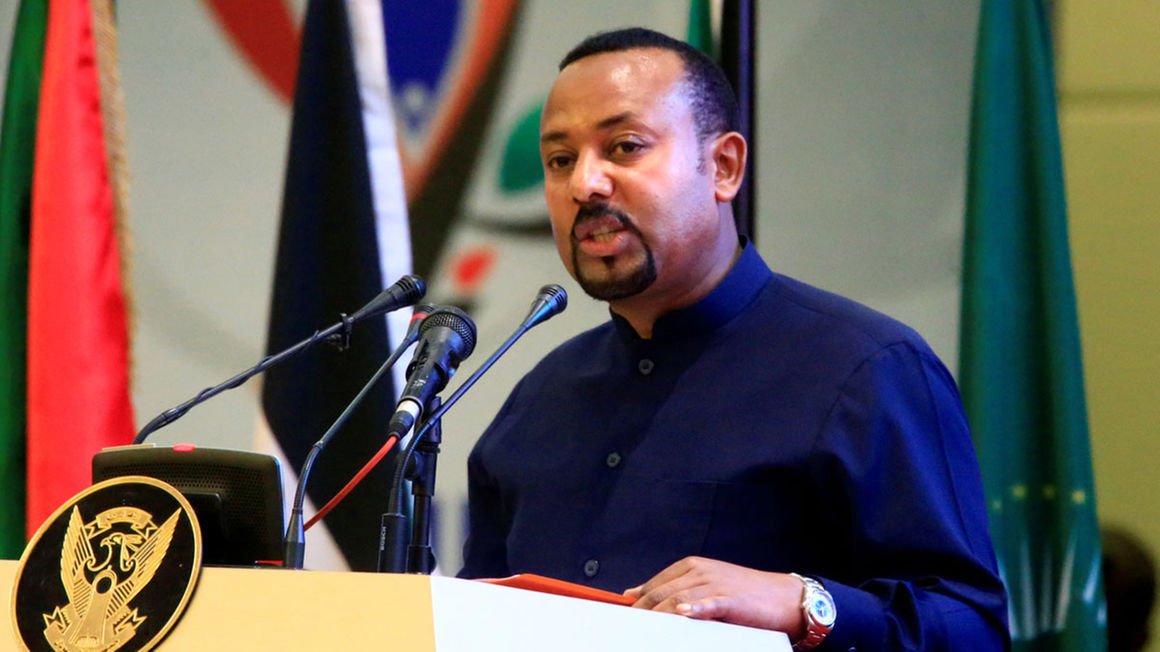
Ethiopian Prime Minister and Nobel Peace Prize winner Abiy Ahmed orders a military response to attacks on federal army camps in the dissident northern Tigray region.

africa001 pix

On November 4, Ethiopian Prime Minister Abiy Ahmed (pictured) announced a military offensive against the leaders of the dissident northern region of Tigray.

The Tigray People’s Liberation Front — which has dominated Ethiopian politics for nearly three decades — denies responsibility and says the reported attacks are a pretext for an “invasion”.

Federal forces take the Tigrayan capital on November 28.

world05pix

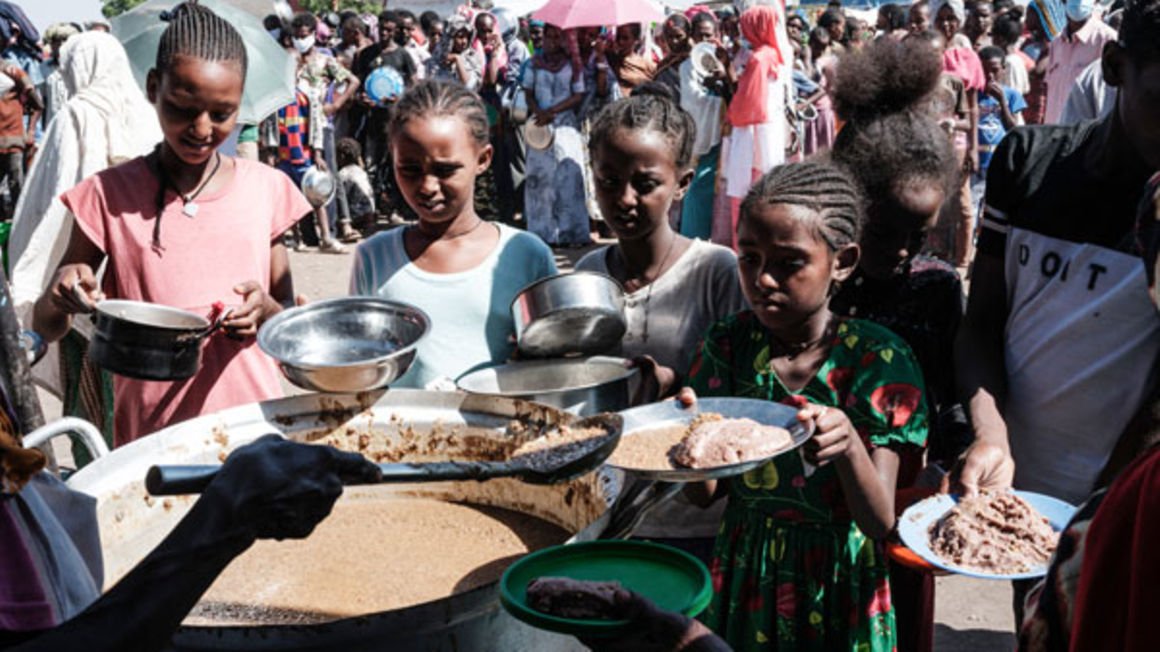
Ethiopian refugees who fled the Tigray conflict receive food at the Border Reception Centre in Hamdayet, eastern Sudan, on December 8, 2020. PHOTO/YASUYOCHI CHIBA / AFP

(Visited 3 times, 3 visits today)

Subscribe to our Youtube Channel :

Follow Us on Instagram Source

USA Downgraded as Civil Liberties Deteriorate Across the Americas

Active Citizens, Civil Society, Environment, Global, Headlines, Human Rights, TerraViva United Nations

Opinion

Débora Leão is a Civic Space Researcher at CIVICUS, the global civil society alliance. She has a Master of Public Policy degree. Prior to joining CIVICUS, Débora worked on advocacy and research related to civic participation, urban development and climate justice.

 
Suraj K. Sazawal serves on the board to Defending Rights & Dissent and is co-author of ‘Civil Society Under Strain’, the first book to explore how the War on Terror impacted civil society and hurt humanitarian aid.

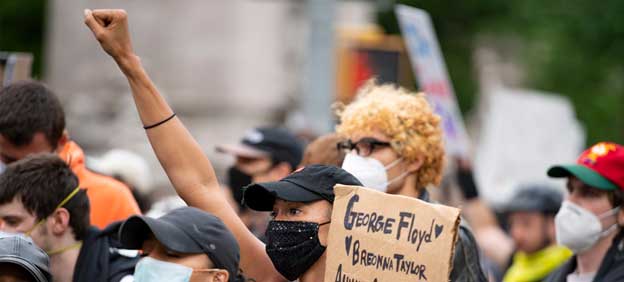
Protests in New York City against racism and police violence, following the death of George Floyd. Credit: UN Photo/Evan Schneider

São Paulo/ Washington DC, Dec 15 2020 (IPS) – Few images better illustrate the recent decline in civil liberties in the United States than that of peaceful protesters near the White House being violently dispersed so Donald Trump could stage a photo-op.


Moments before the president emerged from his bunker on June 1 to hold a bible outside a boarded-up church, federal officers indiscriminately fired tear gas at people who had gathered in Lafayette Park to protest about the police killing of George Floyd. This was far from an isolated incident: nationwide protests against systemic racism and police brutality have been met with widespread police violence.

Since May, the CIVICUS Monitor, an online platform that tracks fundamental freedoms across 196 countries, documented dozens of incidents where law enforcement officers, dressed in riot gear and armed with military grade-equipment, responded to Black Lives Matter protests with excessive force. These include officers driving vehicles at crowds of protesters and firing tear gas canisters and other projectiles at unarmed people, leaving at least 20 people partially blinded.

Throughout the year, journalists and health workers, clearly marked as such while covering the protests, have been harassed and assaulted. In one incident caught on live TV, a news reporter and camera operator from Louisville, Kentucky were shot by police with pepper balls while covering protests over the police killing of Breona Taylor.

This sustained repression of protests and an increased crackdown on fundamental freedoms led to the USA’s civic space rating being downgraded from ‘narrowed’ to ‘obstructed’ in our new report, People Power Under Attack 2020.

This disproportionate response by law enforcement officers to protesters goes beyond what is acceptable practice when policing protests, even during an emergency. Under international law, people have a right to assemble freely. Any restrictions to this right must be proportionate and necessary to address an emergency or reestablish public order.

The systematic use of excessive force and tactics such as kettling and mass arrests to enforce curfews raise troubling questions about the role of law enforcement agencies in responding to mass protests. The use of such tactics is contradictory to the alleged goal of maintaining public safety and health as they escalated tensions and prevented people from dispersing in a peaceful manner.

Even more concerning, they relocated protesters from open, outdoor spaces to police stations and other indoor facilities that often lack adequate space to allow for distancing, placing people at heightened risk for exposure to COVID-19.

Black Lives Matter Protest June 2020 Washington, DC. Credit: Geoff Livingston // creative commons

While recent brutality against protests for racial justice is concerning, the decline in basic freedoms in the USA began before this crackdown. The repression seen in 2020 was preceded by a wave of legislation limiting people’s rights to protest.

In recent years, several states enacted restrictive laws which, for example, criminalise protests near so-called critical infrastructure like oil pipelines, or limit demonstrations on school and university campuses. Increased penalties for trespassing and property damage are designed to intimidate and punish climate justice activists and organisations that speak out against fossil fuels.

In the wake of Black Lives Matter protests, some of the ‘anti-protest’ bills introduced this year seem particularly cruel, for instance, by proposing to make people convicted of minor federal offences during protests ineligible for pandemic-related unemployment benefits.

Growing disregard for protest rights underscores wider intolerance for dissent. In parallel with restrictions on the freedom of peaceful assembly, the USA also saw an increase in attacks against the media, even before Black Lives Matter demonstrations erupted. Over the past three years, the CIVICUS Monitor has documented the frequent harassment of journalists by the authorities and civilians while covering political rallies or when conducting interviews.

Correspondents critical of the Trump administration or reporting on the humanitarian crisis in the USA/Mexico border region sometimes faced retaliation; documents obtained by ‘NBC 7 Investigates’ in 2019 showed the US government created a database of journalists who covered the migrant caravan and activists who were part of it, in some cases placing alerts on their passports.

In January 2020 a journalist was barred from accompanying Secretary of State Mike Pompeo in an official trip to Europe after Pompeo objected to the questions by another reporter from the same outlet.

The harsh treatment of people wanting to express themselves and the decline of civil liberties is part of a broader global decline in fundamental freedoms. Our new report shows less than four percent of the world’s population live in countries that respect the freedoms of association, peaceful assembly and expression.

Each country’s civic space is rated in one of five categories: ‘open, ‘narrowed, ‘obstructed,’ ‘restricted,’ or ‘closed’. The USA was one of 11 countries downgraded from its previous rating.

In the Americas, three other countries showed significant declines: Chile and Ecuador were downgraded to ‘obstructed’ and Costa Rica’s rating changed to ‘narrowed’. In the first two countries, as with the USA, rating changes reflected unnecessary and disproportionate crackdowns on mass protest movements.

Violations of protest rights were common across the region, with detention of protesters and excessive use of force among the top five violations of civic freedoms recorded this year. In addition, the Americas continue to be a dangerous place for those who dare to stand up for fundamental rights: across the world, 60 percent of human rights defenders killed in 2020 came from this region.

Stopping the erosion of fundamental freedoms requires a robust response. Governments must take steps to repeal legislation restricting the freedoms of association, peaceful assembly and expression and make sure those who violate these freedoms are held accountable.

In the USA, the incoming Biden administration must actively work to reverse the narrowing of civic space. To rebuild trust between people and law enforcement, for instance, the Department of Justice should investigate misconduct and discriminatory practices at local police departments.

The authorities must engage with civil society and human rights defenders to create an environment where they are able to fulfil their vital roles and hold officials accountable.

  Source