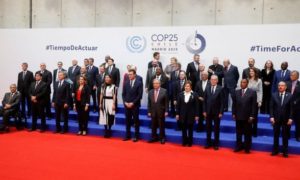
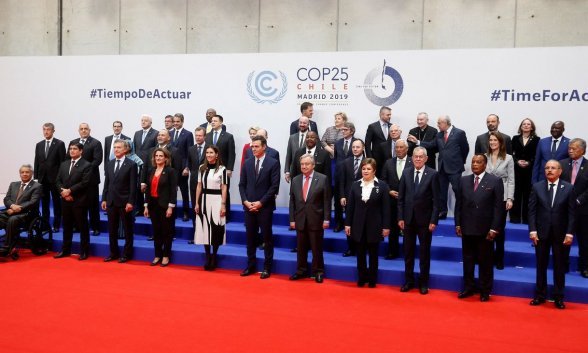
Family photo at the opening of the 25th Conference of the Parties (COP25) on climate change, taking place in Madrid Dec. 2 to 13. Credit: UNFCCC
MADRID, Dec 2 2019 (IPS) – Tens of thousands of delegates from state parties began working Monday Dec. 2 in the Spanish capital to pave the way to comply with the Paris Agreement on climate change, while at a parallel summit, representatives of civil society demanded that the international community go further.
Calls to combat the climate emergency marked the opening of the 25th Conference of the Parties (COP25) to the United Nations Framework Convention on Climate Change (UNFCCC), in light of the most recent scientific data showing the severity of the crisis, as reflected by more intense storms, rising temperatures and sea levels, and polar melting.
Pedro Sánchez, acting prime minister of Spain – selected as the emergency host country after the political crisis in Chile forced the relocation of the summit – called during the opening ceremony for Europe to lead the decarbonisation of the economy and move faster to reduce emissions of carbon dioxide (CO2), the greenhouse gas generated by human activities.
“Today, fortunately, only a handful of fanatics deny the evidence” about the climate emergency, Sánchez said at the opening of the COP, held under the motto “Time to act” at the Feria de Madrid Institute (IFEMA) fairgrounds.
COP25 is the third consecutive climate conference held in Europe. The agenda focuses on issues such as financing for national climate policies and the rules for emission reduction markets – outlined without specifics in the Paris Agreement, which was agreed four years ago and is to enter into force in 2020.
It will also address the preparation of the update of emissions reductions and funding of the Warsaw International Mechanism for Loss and Damage, designed to assist regions particularly vulnerable to the adverse effects of climate change.
In the 1,000 square metres where COP25 is being held, 29,000 people – according to estimates by the organisers – including some 50 heads of state and government, representatives of the 196 official delegations and civil society organisations, as well as 1,500 accredited journalists, will gather until Dec. 13.
But the notable absence of U.S. President Donald Trump, Russian President Vladimir Putin, Indian Prime Minister Narendra Modi, Chinese President Xi Jinping, Brazilian President Jair Bolsonaro, and UK Prime Minister Boris Johnson does not give cause for optimism.
These include the leaders of the countries that produce the most greenhouse gas (GHG) emissions, making their lack of interest in strengthening the Paris Agreement more serious.
On Nov. 4, U.S. Secretary of State Mike Pompeo said he submitted a formal notice to the United Nations to begin the process of pulling out of the climate accord.
U.N. Secretary-General António Guterres said during the opening ceremony that “The latest, just-released data from the World Meteorological Organisation show that levels of heat-trapping greenhouse gases in the atmosphere have reached another new record high.
“Do we really want to be remembered as the generation that buried its head in the sand, that fiddled while the planet burned?”
In its Emissions Gap Report 2019, the U.N. Environment Programme warned on the eve of the opening of COP25 of the need to cut emissions by 7.6 percent a year between 2020 and 2030 in order to stay within the 1.5 degree Celsius cap on temperature rise proposed in the Paris Agreement.
Many delegations admitted that the world is off track to achieving the proposed 45 percent reduction in GHG by 2030 and to becoming carbon neutral by 2050.
In fact, delegates pointed out on Monday, emissions reached an alarming 55.3 billion tons in 2018, including deforestation.
One of the hopes is that more countries, cities, companies and investment funds will join the Climate Ambition Alliance, launched by Chile, the country that still holds the presidency of the COP, and endorsed by at least 66 nations, 10 regions, 102 cities, 93 corporations and 12 large private investors.
More than 70 countries and 100 cities so far have committed to reaching zero net emissions by 2050.
Social summit
Parallel to the official meeting, organisations from around the world are gathered at the Social Summit for Climate under the slogan “Beyond COP25: People for Climate”, which in its statement to the conference criticises the economic model based on the extraction of natural resources and mass consumption, blaming it for the climate crisis, and complaining about the lack of results in the UNFCCC meetings.
“The scientific diagnosis is clear regarding the seriousness and urgency of the moment. Economic growth happens at the expense of the most vulnerable people,” says the statement, which defends climate justice “as the backbone of the social fights of our time” and “the broadest umbrella that exists to protect all the diversity of struggles for another possible world.”
The first week of the COP is expected to see the arrival of Swedish activist Greta Thunberg, who has unleashed youth mobilisation against the climate crisis around the world.
In terms of how well countries are complying, only Gabon and Nepal have met their Nationally Determined Contributions (NDCs), the mitigation and adaptation measures voluntarily adopted, within the Paris Agreement, to keep the temperature rise below 1.5 degrees Celsius.
But these two countries have practically no responsibility for the climate emergency.
The plans of Bhutan, Costa Rica, Ethiopia and the Philippines involve an increase of up to 2.0 degrees, while the measures of the rest of the countries range from “insufficient” to “critically insufficient”.
Latin America “has to be more ambitious: although progress has been made, the measures are insufficient. We need a multilateral response to the emergency. We have only 11 years to correct the course and thus reach carbon neutrality in 2050 and meet the goal of keeping the temperature rise to 1.5 degrees,” said Manuel Pulgar-Vidal, global head of Climate and Energy at the World Wildlife Fund (WWF).
The Marshall Islands already submitted their NDCs 2020, while 41 nations have declared their intention to update their voluntary measures and 68 nations – including those of the European Union – have stated that they plan to further cut emissions.
In its position regarding the COP25, consulted by IPS, Mexico outlined 10 priorities, including voluntary cooperation, adaptation, climate financing, gender and climate change, local communities and indigenous peoples.
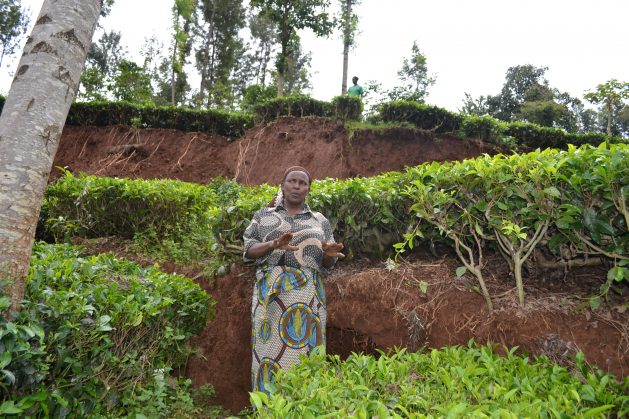
In Africa, climate change has caused drought, change in distribution of rainfall, the drying-up of rivers. Intense flooding causes landslides and in Kenya, residents of West Pokot County are currently grappling with with the deaths of 50 people who were last week buried alive by landslides following heavy rainfall that continues to pound the East African region. Credit: Isaiah Esipisu/IPS
MADRID, Dec 2 2019 (IPS) – During the 25th round of climate change negotiations starting today in Madrid, Spain, African civil society organisations will call on governments from both developing and developed nations to play their promised roles in combating climate change.
“We’re fatigued by COP [Conference of Parties] jamborees which have become a ritual every year,” said Dr Mithika Mwenda of the Pan Africa Climate Justice Alliance (PACJA) – an umbrella organisation that brings together over 1,000 African climate and environment civil society organisations.
“We know the science is clear about the level [in which] we need to act, yet we procrastinate and prevaricate while maintaining our profligate lifestyles,” he told IPS in an interview.
The Paris Agreement is an agreement reached at the 21st Conference of the Parties (COP 21) in Paris, France, where the world’s nations undertook a determined course to reduce climate change. Among the commitments was to reduce the increase in global temperatures.
The annual Emissions Gap Report, which was released on Nov. 26 warns that even if all current unconditional commitments under the Paris Agreement are implemented, temperatures are expected to rise by 3.2°C, bringing even wider-ranging and more destructive climate impacts.
“Any slight change in global temperatures can have a devastating effect on millions of livelihoods, and could expose people to life-threatening heat waves, water shortages and coastal flooding,” said Dr Mohammed Said, a climate change research scientist based in Kenya.
“In Turkana County for example, the temperatures increased by 1.8°C, and as a result, the cattle population declined by 60 percent, and now residents have been forced to turn to more resilient camels, goats and sheep,” he told IPS.
It is the same situation all over the world. A study published in Nature Climate Change points out that if global warming causes a rise of 1.5°C or 2°C, then there will be extremely hot summers across Australia, more frequent drought conditions and more frequent heat leading to bleaching of the Great Barrier Reef.
Another study by the United Kingdom’s Met Office reveals that the changing climate will make heat waves a common phenomena worldwide and even intense in the U.K..
In Africa, climate change has causedflooding, drought, change in the distribution of rainfall, and the drying up of rivers. It has affected agriculture, food security and human health. And it has also led to conflicts over resources, impacting national security in various countries.
In Kenya, residents of West Pokot County are currently grappling with the deaths of 50 people who were last week buried alive by landslides following heavy rainfall that continues to pound the East African region.
According to the Kenya Meteorological Department, the above-normal rainfall has been caused by sea surface temperature anomalies in the Indian, Atlantic and Pacific Oceans caused by global warming. Floods in the region, which have already displaced hundreds of households and have swept away bridges, roads and property, are expected to continue for the next three weeks, according to the meteorological focus.
However, Mwenda believes that all is not lost. He notes that though the Nationally Determined Commitments (NDCs) are inadequate to lead to emission levels required by science and justice, there is still hope that momentum building on their implementation won’t be compromised.
“We will not be tired of telling our leaders that the future generations will judge them harshly as they have failed to rise to the occasion even when science is very clear that we have exceeded planetary boundaries,” he said.
In order to address climate change adequately, civil society is also calling for a dedicated financial mechanism to be established in Madrid to support Loss and Damage with a clear agreement on new sources of finance.
During the 19th round of negotiations in Poland, the COP established the Warsaw International Mechanism (WIM) for Loss and Damage associated with Climate Change Impacts (Loss and Damage Mechanism), to address loss and damage associated with impacts of climate change, including extreme events and slow onset events, in developing countries that are particularly vulnerable to the adverse effects of climate change.
“As we head to Madrid, we expect that all countries will endeavour to deliver on ambitious commitments in climate finance, especially in regard to loss and damage, strong national targets, and clear rules on trading emissions between countries,” said Robert Bakiika, the Executive Director of EMLI Bwaise Facility, a Ugandan NGO and one of the admitted observer organisations at the UNFCCC.
Tariq Rauf, former Head of Verification and Security Policy Coordination, Office reporting to the Director General, International Atomic Energy Agency (2002-2011), was responsible for safeguards and security policy, the Director General’s annual report on the Application of Safeguards in the Middle East and for the IAEA Forum on the Experience of NWFZs relevant for the Middle East.
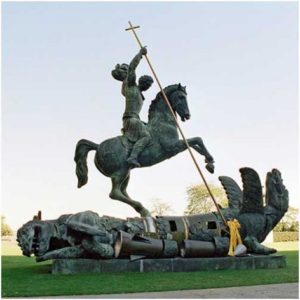
Credit: United Nations
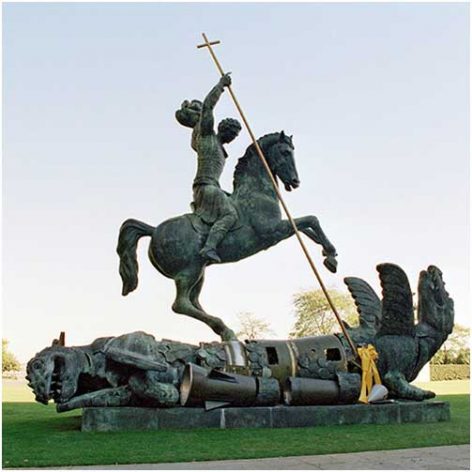
VIENNA, Nov 20 2019 (IPS) – A historic conference on the Middle East opened at the United Nations in New York on 18th November and will continue until 22nd November. The Conference on the Establishment of a Middle East Zone Free of Nuclear Weapons and Other Weapons of Mass Destruction is presided over by Ambassador Sima Bahous of Jordan.
This matter has been before the international community since 1974 and remains controversial and unresolved to this day. On the one side, the Arab States of the region of the Middle East and Iran have called for the establishment of a nuclear-weapon-free zone in the Middle East and the dismantlement of Israel’s clandestine nuclear weapon programme.
On the other side, Israel supported by the EU member States, Canada and the US, maintain that regional peace and security is a pre-condition for any negotiations on such a zone and that concerns about nuclear programmes in certain Arab States also need to be resolved first.
Thus, this matter has simmered for decades, plagued the proceedings and outcomes of the review conferences of the nuclear non-proliferation treaty, the annual General Conferences of the International Atomic Energy Agency (IAEA), as well as the First Committee and the United Nations General Assembly.
Now finally, pursuant to a decision by the General Assembly in December 2018, this conference is going ahead albeit without the participation of Israel and the United States.
Nuclear-weapon-free zones
The original concept of establishing nuclear-weapon-free zones (NWFZs) was conceived with a view to preventing the emergence of new nuclear-weapon possessor States.
Efforts to ensure the absence of nuclear weapons in other populated parts of the world have led to five regional denuclearization agreements—the 1967 Treaty of Tlatelolco covering Latin America, the 1985 Treaty of Rarotonga covering the South Pacific, the 1995 Treaty of Bangkok covering Southeast Asia, the 1996 Pelindaba Treaty covering Africa, and the 2006 Central Asian NWFZ treaty, all are in force—thus the entire southern hemisphere below the Equator is covered by NWFZ treaties.
In addition, in 1992 Mongolia declared itself to be a nuclear-weapon-free space that was approved by the Great Hural in 2000 and endorsed by UNGA in 2002.
Also, certain uninhabited areas of the globe have been formally denuclearized. They include Antarctica under the 1959 Antarctic Treaty; outer space, the moon, and other celestial bodies under the 1967 Outer Space Treaty and the 1979 Moon Agreement; and the seabed, the ocean floor, and the subsoil thereof under the 1971 Seabed Treaty.
General Assembly resolution 3472 B (1975) defines a Nuclear-Weapon-Free Zone as
• any zone recognized as such by the General Assembly of the United Nations, which any group of States, in the free exercises of their sovereignty, has established by virtue of a treaty or convention whereby: a) The statute of total absence of nuclear weapons to which the zone shall be subject, including the procedure for the delimitation of the zone, is defined; b) An international system of verification and control is established to guarantee compliance with the obligations deriving from that statute.
NWFZs ban the production, testing and stationing of nuclear weapons, permit peaceful uses, include verification provisions and in some cases an institutional set up; and require security assurances from nuclear-weapon States.
Article VII of the Treaty on the Non-Proliferation of Nuclear Weapons (NPT) affirmed the right of States to establish NWFZs in their respective territories and the 1995 NPT Review and Extension Conference (NPTREC) expressed the conviction that regional denuclearization measures enhance global and regional peace and security.
The NPTREC adopted a Resolution on establishing a zone free of nuclear and other weapons of mass destruction as well as delivery systems in the region of the Middle East. The 2000 NPTRevConf reiterated the importance of the 1995 Resolution, and the 2010 RevConf mandated that a conference be held on such a zone by 2012; and the 2015 RevConf came to an inglorious end over disagreements on the Middle East zone.
Earlier in 2000, the IAEA General Conference adopted a Resolution for the IAEA Director General to convene a Forum on Experience of NWFZs Relevant for the Middle East. On joining the IAEA in 2002, the Director General assigned me the task to make the arrangements for holding this Forum – during the course of the summers of 2002-2004, I was able to get agreement on the Agenda but the Forum itself was convened only in November 2011.
Representatives from all five zones and Mongolia attended and made presentations at the IAEA Forum; however, under the-then Director General the Agency acceded to pressure from certain sources to ensure that the Forum was a one-off event and that there would not be any follow-up activities.
In terms of new NWFZs, the Middle East remains an old unfulfilled aspiration. First jointly proposed by Egypt and Iran in 1974 through a General Assembly resolution, the concept was broadened in 1990 through the Mubarak Initiative to cover all weapons of mass destruction.
There is as yet no general agreement on the contours and details of a WMD-free zone (WMDFZ), however keeping to basics it is possible to identify practical measures and elements – as is endeavoured in the draft treaty text prepared by The METO Project.
Middle East
Traditionally, Egypt has taken the lead in promoting efforts for the implementation of the 1995 NPTREC Resolution on the Middle East in the NPT review process, as well as at the IAEA General Conference and at the First Committee of the UN General Assembly (UNGA) on the establishment of a NWFZ in the region of the Middle East.
Last year, UNGA First Committee adopted by voting (103 yes :3 no : 71 abstentions) decision (A/C.1/73/L.22/Rev.1) co-sponsored by Algeria, Bahrain, Comoros, Djibouti, Egypt,* Iraq, Jordan, Kuwait, Lebanon, Libya, Mauritania, Morocco, Oman, Qatar, Saudi Arabia, Somalia, Sudan, Tunisia, United Arab Emirates, Yemen and State of Palestine on Convening a conference on the establishment of a Middle East zone free of nuclear weapons and other weapons of mass destruction.
The UNGA decision A/73/546, adopted on 22 December 2018 by a vote of 88 to 4 with 75 abstentions, called on the UN Secretary General to:
• convene a conference for the duration of one week to be held no later than 2019 dealing with the establishment of a Middle East zone free of nuclear weapons and other weapons of mass destruction; • the conference shall take as its terms of reference the 1995 NPTREC resolution; • all decisions emanating from the conference shall be taken by consensus by the States of the region; • all States of the Middle East, the three co-sponsors of the 1995 resolution on the Middle East, the other two nuclear-weapon States and the relevant international organisations (IAEA, OPCW, BTWC ISU) to participate; • the Secretary-General to convene annual sessions of the conference for a duration of one week at United Nations Headquarters until the conference concludes the elaboration a legally binding treaty establishing a Middle East zone free of nuclear weapons and other weapons of mass destruction, on the basis of arrangements freely arrived at by the States of the region ; .
Accordingly, Under-Secretary General and High Representative for Disarmament Izumi Nakamitsu and the Department for Disarmament Affairs made the preparations to hold the conference on 18-22 November 2019.
The main areas of contention between the Arab States and Israel can be summarized as follows: that there still continues to be a long-standing and fundamental difference of views between Israel, on the one hand, and other States of the Middle East region, on the other hand, with regard to the establishment of a zone free of nuclear and other weapons of mass destruction in the region of the Middle East (MENWFZ/WMDFZ).
Israel takes the view that MENWFZ/WMDFZ and related regional security issues, cannot be addressed in isolation from the regional peace process and that these issues should be addressed in the framework of a regional security and arms control dialogue that could be resumed in the context of a multilateral peace process.
These should help reduce tensions, and lead to security and stability in the Middle East, through development of mutual recognition, peaceful and good neighbourly relations and abandonment of threats and use of force by states as well as non-State actors as means to settlement of disputes.
Following the establishment of full and lasting peaceful relations and reconciliation among all nations of the region, such a process could lead to the adoption of confidence-building measures, discussion of arms control issues, and eventually pave the way to regional negotiations of a mutually and effectively verifiable regime that will establish the Middle East as a zone free of chemical, biological, and nuclear weapons as well as ballistic missiles.
Israel also holds the position that any modalities, obligations or provisions should be solely addressed by the states concerned through direct negotiation.
The other States of the region maintain that there is no automatic sequence which links the establishment of the zone, the application of IAEA comprehensive safeguards to all nuclear activities in the Middle East, to the prior conclusion of a peace settlement, and that the former would contribute to the latter.
The Arab States maintain that all of them have acceded to the NPT, while Israel continues to defy the international community by refusing to become a party to the Treaty or to place its installations under the Agency’s comprehensive safeguards system, thus exposing the region to nuclear risks and threatening peace.
Israel’s possession of nuclear weapons is likely to lead to a destructive nuclear arms race in the region; especially if Israel’s nuclear installations remain outside any international control.
Most Arab States of the region of the Middle East consider that:
• the 2018 UNGA decision A/73/546 on convening a conference on the zone was a breakthrough; • the new initiative through the UNGA is directed at all States of the region of the Middle East, the three co-sponsors of the1995 NPTREC Resolution are invited and no States of the region shall be excluded; • while the UNGA route was not ideal, it was resorted to as there was no realistic alternative due to the prevailing situation regionally and globally; and • the initiative shall be fully inclusive, involve direct dialogue, be based on arrangements freely arrived at, there will be no singling out of any State of the region; however, if any State of the region does not attend, this cannot prevent other States of the region to attend the conference slated for November this year.
Regarding the question of how to deal with the Middle East issue at the 2020 review conference of the nuclear Non-Proliferation Treaty (NPT), the following points are relevant:
(a) the NPT review process remains the primary focus and the UNGA initiative is not an alternative to the NPT process but should be regarded as parallel and complementary; (b) it can alleviate pressure on the 2020 review conference; (c) there is no intention to hold the review conference hostage to the Middle East issue and the NPT States of the region want the review conference to be successful; (d) the UNGA conference shall be open to all States and now it is important to start engagement and preparations on the modalities and procedural aspects; (e) the assertion is incorrect that Israel was not consulted in advance on the 2018 resolution at UNGA, in fact it was consulted in advance of the decision; (f) the decision garnered more than 100 affirmative votes at UNGA, which was a clear majority; (g) the 2019 NPT PrepCom should take factual note of the UNGA decision to convene the conference in November; (h) the Middle East zone issue remains within the NPT process and the 2020 review conference would have to reaffirm and recognize this; (i) the November conference provides an opportunity to all States to meet and discuss zone matters, express views, all decisions shall be by consensus, it is an opportunity for direct consultations among the States of the region of the Middle East, and it is up to the States of the region to decide whether to sign/ratify a future MEWMDFZ treaty; (j) the Middle East zone now can be considered as the fourth pillar of the NPT; (k) it is regrettable that some States (Israel and the United States) had urged the IAEA (and other relevant international organizations) not to attend the November conference; (l) the NPT States of the region believe in collective not selective security and this calls for the universalization of the NPT and the cessation of granting privileges to States not party to the Treaty (Israel); (m) regarding the three co-sponsors (Russia, UK, USA) of the 1995 NPT Review and Extension Conference Resolution calling for the establishment of a zone free of nuclear and other weapons of mass destruction: the UK has voiced support for the vision of a MEWMDFZ and is attending the November conference; the Russian Federation endorsed the convening of the conference also is attending the November conference which it regards as easing pressure at the 2020 review conference; while the US has indicated support for the goal of a Middle East free of WMD based on direct dialogue and consensus but has condemned the General Assembly decision of 2018 to convene the November conference as “illegitimate” and is boycotting the conference; and (n) Israel too has decided not to attend the November conference.
The METO Project
The Middle East Treaty Organization (METO) Project for a zone free of WMD in the Middle East represents a civil society initiative on “Achieving the Possible” was launched and sustained by Sharon Dolev of the Israeli Disarmament Movement and has attracted support from experts from States of the region of the Middle East as well as from other countries. The METO project has developed the elements of a text of a MEWMDFZ treaty that has been shared with the States of the Middle East region and is designed to serve as a catalyst for them to jump start discussions on such a treaty.
Ii is hoped that the States attending the current conference can draw motivation, ideas and elements from the draft treaty text prepared by the METO Project as they discuss the possible elements and provisions of a future treaty that can garner the support of the States of the region.
Some may find shortcomings or omissions in the draft text but States of the region and other concerned parties are invited to further develop, enhance and enrich the elements presented in the draft text.
This effort needs to be joined not by sceptics nor naysayers but by optimists and those who are serious about promoting the cause of a Middle East free of weapons of mass destruction and of its transformation into a region of peace, justice and security.
Conclusion
The Conference on the Establishment of a Middle East Zone Free of Nuclear Weapons and Other Weapons of Mass Destruction now underway at the United Nations in New York provides a belated but important opportunity to address regional security, non-proliferation and disarmament matters in the region of the Middle East.
It sets into place an annual process focusing on discussing matters pertaining to eliminating the threats, dangers and risks of nuclear, chemical and biological weapons in the region; achieving universal adherence in the region to the NPT through the verified elimination of Israel’s nuclear weapon programme, and also securing universal adherence in the region to and compliance with the Biological and Toxin Weapon Convention and the Chemical Weapons Convention that prohibit biological and chemical weapons, and signature and/or ratification of the Comprehensive Nuclear-Test-Ban Treaty (CTBT) that prohibits all types of nuclear explosive tests.
Bringing peace and security to the region of the Middle East should be accorded the highest priority by the States of the region as well as by all other States.
The views expressed are the writer’s personal observations.
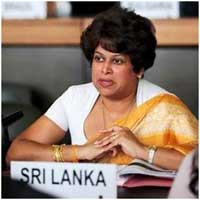
Ambassador Kshenuka Senewiratne is Permanent Representative of Sri Lanka to the United Nations
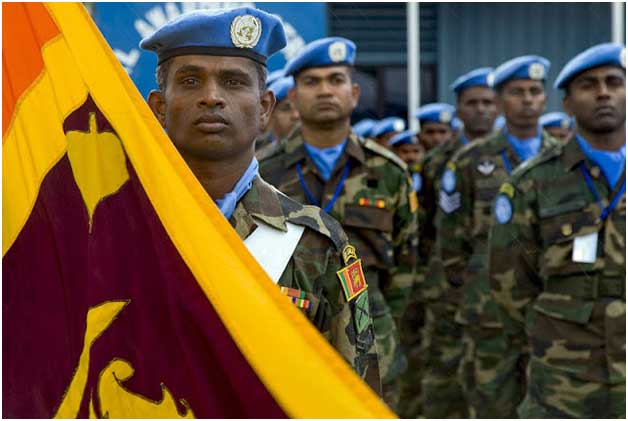
Sri Lankan Peacekeeping troops
UNITED NATIONS, Nov 8 2019 (IPS) – Given the political, economic and social exigencies of contemporary peacekeeping, it is important that the Department of Political and Peacebuilding Affairs (DPPA) remains engaged in the process.
To achieve durable peace, there must be cooperation and coordination between the United Nation’s peacebuilding architecture, its peacekeeping operations and the respective member states.
As peacekeepers are being deployed in increasingly dangerous environments, the UN faces multi-dimensional challenges in a constantly changing landscape. In order to address these new challenges, the management methods of peace operations within the UN must strive to be fair and equitable, and field operations must adapt and acquire specialized capabilities.
It is fundamental to the values of this august body, that the Secretariat adheres to accepted procedures, in order for the work of the United Nations not serve misplaced political interests of a few. This could affect the proper deployment of capable and qualified peacekeepers, thus jeopardizing the respective operations.
In this regard, Sri Lanka is compelled to refer to a matter of questionable procedure, having experienced unjust treatment at the hand of the Secretariat, in terms of the Department of Peace Operations (DPO).
This situation arose when an unilateral decision was made and conveyed by the DPO, on the adjustment of Sri Lanka’s contribution to a peacekeeping operation. This violated the provision of the related MoU, thereby bringing into question the adopted procedure, which has been flawed from the very beginning.
The DPO sought to link its decision of not replacing a contingent of peacekeepers on rotation to an internal appointment made by Sri Lanka as a sovereign right, thereby challenging the Head of State of a member country. Further the nominations of the replacing peacekeeping contingent had been made well before that of the high appointment in question to the DPO.
Ambassador Kshenuka Senewiratne
Hence the linking of the appointment of the commander of the Army to that of the peacekeepers is an anomalous situation. The UN which prides itself on humanitarian work in this instance chose to practice its tenets in the breach, by overlooking the denial of the identified peacekeepers added aspirations once nominated for the respective operation.
The flawed procedure began with the decision to adjust a Sri Lankan peacekeeping contingent and the reasons for such punitive action, being originally communicated verbally. A request was made by Sri Lanka for all these details to be informed formally in writing.
Surprisingly only the troop details were thus communicated, and the DPO chose instead to formally make a statement to the media regarding the reason; while to date Sri Lanka is yet to receive the requested information in writing.
Furthermore, though USG Lacroix even yesterday assured that every single area of Peacekeeping is rule-based, it is disconcerting that DPO chose to violate Article 15 of the related MOU, by not consulting with Sri Lanka prior to the decision being taken thus presenting a fait accompli to the UN member state. Such action has unfortunately and plausibly culminated in the creation of a trust deficit concerning DPO.
Furthermore, this manner of treatment could lead to precedent setting which member states must seek to arrest, lest the practice becomes systemized only to entrench politicization within the UN system.
It also opens the window for the pernicious violation of the principles of the UN Charter on non-interference and sovereignty of States which must be adhered to not only in relation to Peacekeeping mandates, but also in troop deployment.
It is imperative for the Secretariat, to hold sacrosanct the fact that the UN system is member state led, and discharge of its responsibilities in that context, while upholding equal treatment. This will also avoid the Secretariat contributing to the possible erosion of multilateralism.
Furthermore, while appreciating the Secretary General’s assurance to meet obligations to Member States providing troops and equipment as promptly as possible based on the availability of funds, Sri Lanka also urges the Secretariat to fulfill its financial obligations vis-a-vis peacekeepers when identified to be replaced, at the point of their repatriation.
Additionally, it is important to ensure a predictive system of payment on all dues concerning peacekeeping operations.
With the paucity of funding, peacekeeping mandates should take into account the complexities of their current operations and be clear and operable. The UN should consult TPCCs and recipient states in developing and renewing the mandate, as without those inputs, the operations may not reflect real needs.
It is also important to address the causes of instability and conflict, and peace operations must seek to build local information networks, in order to protect civilians and non-combatants. Additionally, peacekeepers should be deployed in support of robust diplomatic efforts.
At the very heart of these mandates, must be the protection of children and the most vulnerable among the community. The images of the suffering of children in conflict especially as recently seen, are particularly unacceptable.
The UN apparatus must seek coherence among its agencies in order to address this issue. As we mark 20 years of UN Security Council Resolution 1325(2000), it is important to make every effort at national, regional and global levels to include women in peacekeeping and peacebuilding.
In order to address the disproportionate and unique impact of armed conflict on women, gender perspectives must be incorporated in all UN peace and security efforts. Women are received differently by the local population and are often successful in building relationships within those communities.
In this regard it is worthy to note that Sri Lanka is currently in the process of developing by October 2020 an Action Plan on Women Peace and Security for the implementation of Resolution 1325 with the support of the Government of Japan.
Sri Lanka has demonstrated its wholehearted commitment to the elimination of Sexual Exploitation and Abuse and its zero-tolerance policy by signing the Secretary General’s related Voluntary Compact, joining his Circle of Leadership and making contributions to the Trust Fund to help such victims.
The country has also adopted several best practices including a stringent vetting procedure for selecting peacekeeping troops with the involvement of the Office of the High Commissioner for Human Rights and the Independent National Human Rights Commission of Sri Lanka.
Sri Lanka’s involvement with UN peacekeeping has covered six decades. The country commenced contributing to UN Peacekeeping Operations in 1956 initially with Military Observers. Since then a total of 22,587 peacekeepers have rotated within the Missions. Today, contributions by Sri Lanka to UN Peacekeeping stand at 657 personnel and in field support with equipment and a hospital.
Currently Sri Lanka maintains a Level II Hospital and a fleet of Combat Support Helicopters in South Sudan (UNMISS), a fleet of Helicopters in Central Africa (MINUSCA), an Infantry Company each in Lebanon (UNIFIL) and Mali (MINUSMA) and Military Observers and Staff Officers in most Missions.
It is worth noting that operating under trying circumstances, Sri Lanka’s troops – in particular under MINUSMA, the helicopter units operating in UNMISS and MINUSCA – have come in for high praise from senior officials of the UN system.
Our troops are highly professional and have been part of many endeavours of the United Nations to maintain peace and security around the world. Sri Lanka has considerable experience in combating violent unruly elements, and providing humanitarian assistance and disaster relief.
Sri Lankan peacekeepers continue to work in difficult terrain and having acquired multiple skills while facing complex situations, and possess excellent operational experience and expertise, having ended nearly three decades of separatist terrorism domestically.
Finally, over the years, hundreds of thousands of military personnel, as well as tens of thousands of UN police and other civilians from more than 120 countries, have participated in UN peacekeeping operations.
Many, including Sri Lankan peacekeepers, have paid the ultimate sacrifice while serving under the UN flag. Sri Lanka pays the highest tribute to them, and with grateful thanks and humility, recognize and commend their achievements.
policy in the area of rights through international non-profit organisations. Her areas of interest include sexual and reproductive health and rights, gender equality, women’s rights and social justice*.
Credit: United Nations
BRUSSELS, Oct 22 2019 (IPS) – The number of newly elected Members of the European Parliament (MEPs) who oppose women’s reproductive rights, gender equality, sexuality education, same sex marriage and the Council of Europe Convention on Violence Against Women (Istanbul Convention) stands at around 30 per cent.
This European Parliament term has therefore seen a doubling of the number of MEPs who claim to fight these issues as compared to the last one, where I estimated around 15 per cent of parliamentarians fell into this category in a study for Finnish MEP Heidi Hautala.
Issues as diverse as women’s reproductive health and rights, LGBTI rights, sexuality education and preventing gender-based violence are collectively termed by their opponents as being part of a larger agenda of ‘gender ideology’.
The use of this ambiguous term has given opponents of women’s and other minority rights the ability to combine several diverging topics under one umbrella and present them as an integral package, allegedly being imposed on ‘traditional families’ by an all-powerful feminist and LGBTI lobby.
Many progressives are baffled by the rise of this phenomenon and often resort to the backlash or backsliding discourse to explain it, suggesting it is mere conservative opposition to the inevitable march towards greater gender equality and LGBTI rights.
However, this argument has limited explanatory power, as it ignores the complexities of the right-wing narratives and presents their voters as individually responsible for their rise.
Elena Zacharenko
To fully understand what is fuelling this trend, progressives must ask themselves a question that is much more self-reflective: what is the problem with the political, social and economic system in which opposition to these issues is able to capture the imaginations not only of supporters of extreme-right parties but also some of the voters traditionally belonging to the political centre?
As has already been argued, opposition to ‘gender ideology’ allows not only for the divergent causes mentioned above to be brought together under one umbrella, but to also bring together disparate actors, from centre-right to far-right and libertarian parties, as well as various religious movements and conservative grassroots organisations, for a common cause.
Indeed, the increase in opponents of ‘gender ideology’ in the European Parliament comes mainly from the strong performance by Matteo Salvini’s Lega, Nigel Farage’s Brexit party, Jarosław Kaczynski’s Law and Justice, Viktor Orbán’s Fidesz and Marine Le Pen’s Rassemblement National – groups which have little in common in terms of their origins and programmes, aside from their opposition to these issues.
While most of these parties belong primarily to the new far-right Identity and Democracy group or the conservative and Eurosceptic European Conservatives and Reformists, Fidesz and Bulgarian GERB are opponents of ‘gender ideology’ within the centre-right EPP, while Slovakian SMER and Romanian PSD represent this trend within the S&D group.
A healthy debate within the progressive movement
While they are not unaware of the divisions in the progressive movement, conservative actors choose to present the debate within the women’s and LGBTI rights movements as homogenous and equally supported by the political mainstream.
This allows them to create a false dichotomy between themselves as proponents ‘traditional families’ and the progressives as ‘gender ideologues’ for their own political gain.
This picture however, misrepresents the progressive scene as one with a clear and unified agenda, rather than a heterogenous collection of movements, activists, NGOs, academics and public entities with distinct and often disparate opinions and calls.
While many of the objectives of these movements are indeed aligned, significant disagreements continue to exist between parts of the feminist movement and the LGBTI movement, as exemplified by the ongoing debate on defining gender as a social construct prescribing roles for men and women and that of a felt sense of identity, or that on surrogacy.
Within feminism itself, many divergent schools of thought clash, with liberal feminists opposed to radical feminists in the sex work vs. prostitution debate and Marxist and (neo)liberal feminists disagreeing on the origins and solutions to women’s oppression as being systemic/socio-economic or individual/cultural in nature.
Opposition to ‘gender ideology’, including labour market optimisation efforts, has become a new and very potent form of anti-establishment organising and protesting the neoliberal order.
Regrettably, in view of the abovementioned rise of opposition to many of the progressive movement’s causes, its reaction has been to attempt to silence these internal debates or present them as settled – to the detriment of their quality. It is often argued that the progressive movement cannot be seen to be internally squabbling in the face of the advance of the right, lest they become the ‘useful idiots’ furthering their opponents’ cause.
This results in self-censorship as movements do not want to appear to break the joint front in the face of attacks, stifling healthy debate and creating taboo topics. However, this attitude is not conducive to coming up with either a better understanding of the arguments of the other side, or with appropriate society-wide debates leading to policy-level solutions.
The EU’s proposed gender equality measures are designed to optimise the bloc’s economic outcomes and labour market performance and take little interest in promoting reproductive rights or social justice.
This lack of the EU’s normative influence is visible in the divergent and often weak approaches taken by EU member states’ in their policies on reproductive rights. That’s true not only for Poland and Malta but also Germany, where doctors have been prosecuted for providing information on abortion care, wherein describing the procedure has been labelled by anti-choice actors as ‘advertising’ it.
The case has sparked debate on the 1933 law limiting the provision of information on abortion in Germany, which has since been relaxed, but not fully overturned.
Istanbul Convention as collateral damage
Furthermore, EU governments and their state institutions still lack commitment to combatting sexual and gender-based violence as well as domestic violence (see the horrific cases of sexual violence in Spain and Ireland which were initially dismissed by local courts).
EU governments’ approaches to the sex industry are also absolutely incoherent, ranging from the Nordic model which criminalises the purchase of sex in Sweden, to decriminalisation in Denmark and the legalisation in Germany and the Netherlands.
The economic divisions between the countries of origin of prostituted women and those with a high sex industry demand, in addition to persisting gender inequalities in the EU, are laid bare though the legalisation model, which has been shown to increase demand and in turn promote both migration and trafficking of women from East Central Europe to the West of the EU.
The EU chooses not to engage on most of these issues, with the notable exception of combating violence against women. However, its efforts in this area are now being thwarted by its own member state governments, including those belonging to the moderate political centre: at the beginning of this year, both the Bulgarian (centre-right) and Slovakian (centre-left) government refused to ratify the Istanbul Convention – a text designed to increase state efforts to combat male violence against women and provide victims with better protection.
These decisions were taken in the face of popular protests against ‘gender ideology’ (and, in Bulgaria’s case, a decision by the constitutional court which ruled the Convention unconstitutional).
The protests hardly referred to the issue of violence against women but instead accused the Convention of being ideologically driven and denying the distinction between the male and female sexes – a claim that the definition of gender in the Convention (‘social roles, behaviours, activities and characteristics that a particular society considers appropriate for women and men’) clearly refutes.
These developments constituted an additional blow to the EU’s already fraught attempts to ratify the Istanbul Convention as a bloc, which came under increased scrutiny from opponents of ‘gender ideology’ in the wake of a letter from over 300 (predominantly anti-choice) NGOs.
They pointed out that the EU’s own interpretation of the Istanbul Convention appears to define ‘gender based violence’ beyond the confines of the text (i.e. male violence against women), as ‘violence that is directed against a person because of that person’s gender, gender identity or gender expression’.
The disenchantment with neoliberal globalization
Given the disagreements within and between the feminist and LGBTI movements and the EU’s lack of interest or inability to engage on a number of key gender equality questions, why are these entities facing attacks from opponents of ‘gender ideology’, and how is this movement able to gather so much popular support?
This appears to be a symptom of a disenchantment with centrist ‘politics as usual’ and the EU’s all-pervasive neoliberal policies and its member state governments, as well as the values they are perceived to support.
Opposition to ‘gender ideology’, including labour market optimisation efforts, has become a new and very potent form of anti-establishment organising and protesting the neoliberal order.
It perfectly exemplifies the rising dissatisfaction with liberal democracy and its pronounced discourse on human rights and the protection of minorities coupled with a lack of social and economic assurances for wide swathes of the population. Examples of this trend appear across the globe, from Brazil and the US, to Western European states like France and Spain.
Continuing to push forward neoliberal economic and employment policies while continuously eroding social provisions was what drove up support for opponents of equality measures in the first place.
In East-Central Europe, ‘gender ideology’ has become a means of expressing a rejection of the European East-West hierarchy and the failed promises of capitalist transformation. Indeed, despite assurances that austere economic policies and market liberalisation would allow the region to ‘catch up’ with the West, it continues to lag in economic development and standard of living when compared to ‘old’ EU member states.
What was imported instead, often with a patronising attitude, were lessons on ‘correct’ attitudes and values. Voters reject the values of gender equality and LGBTI rights not, as is often agued, because of civilizational ‘backwardness’, but because of the strongly felt disingenuity of neoliberal decision-makers’ concerns for rights, as long as these rights are not social or economic in nature.
The EU’s focus on the labour market participation of women as an indicator of gender equality or ‘emancipation’ is a perfect example. This logic fits in with the EU’s overall neoliberal model of governance, which, especially in times of demographic decline, requires both women’s participation in the paid employment and their (unpaid) reproductive capacity and reproductive labour to continue operating.
This message is primarily communicated in a value-laden or normative way: one of the main ways to achieve gender equality is ensuring women’s equal participation in the labour market.
The more a country’s employment force structure diverges from this ideal, the more ‘catching up’ it has to do to reach the developed or enlightened club of ‘old’ member states – never mind that women’s increased availability to take up paid employment in West European countries may be facilitated by the (often underpaid and unregulated) care work of East Central European women.
This workplace ‘empowerment’ model is completely at odds with many Polish women’s experience of the neoliberal labour market since the transformation. Indeed, their work experience has been far from emancipatory – they were the ones who bore the brunt of the consequences of the de-regularisation of the labour market post-1989, working in low-pay, low-status service industry jobs.
What progressives need to do
Alongside a host of other measures targeting women and families with additional social protections, the Law and Justice (PiS) government has introduced its flagship 500+ programme, which guarantees an unconditional monthly cash transfer of €120 per each child from the second one, and from the first one for families in particular financial difficulty.
This has allowed some of them to escape the harsh conditions of the labour market and helps explain the party’s popularity among women.
As I argued with Weronika Grzebalska, women’s strong support both for PiS and its social programmes stems from these programmes meeting women’s pragmatic interests in a society governed by neoliberal policies and allows to glean some insight into why the anti-‘gender ideology’ party continues to attract a significant voter base, gathering 45.4 per cent of the votes in the European election of May 2019.
If progressive political movements want to regain the electorate that is currently increasingly voting for parties espousing the war on ‘gender ideology’ (whether it be because of this position or despite of it), it must reflect on how much of this state of affairs is in fact due to the rejection of the neoliberal world order, rather than opposition to specific groups’ rights.
Continuing to push forward neoliberal economic and employment policies while continuously eroding social provisions was what drove up support for opponents of equality measures in the first place.
Moreover, voters feel a lack of recognition and representation if popular concerns are dismissed as ‘backwards’, hotly contested issues presented as settled and beyond debate and any critique of progressive positions coming from within the camp labelled as being the ‘useful idiot’ of the right.
Any political programme that wants to reverse this trend must address these issues and introduce policies which coherently address socio-economic needs in the field of gender equality and support for minorities. *This article was originally published in International Politics and Society
KINGSTON REIF is director of disarmament and threat reduction policy at the Arms Control Association and SHANNON BUGOS, research assistant.
WASHINGTON DC, Oct 18 2019 (IPS) – The Trump administration is reportedly on the verge of withdrawing from the 1992 Open Skies Treaty, according to lawmakers and media reports. Rep. Eliot Engel (D-N.Y.), chairman of the House Foreign Affairs Committee, first sounded the public alarm in an Oct. 7 letter to National Security Advisor Robert C. O’Brien.
“I am deeply concerned by reports that the Trump Administration is considering withdrawing from the Open Skies Treaty and strongly urge you against such a reckless action,” Rep. Engel wrote. “American withdrawal would only benefit Russia and be harmful to our allies’ and partners’ national security interests.”
Slate columnist Fred Kaplan reported Oct. 9 that former National Security Advisor John Bolton pushed for withdrawing from the treaty before departing the administration.
Following Bolton’s departure in September, White House staff continued to advocate for withdrawal and convinced President Trump to sign a memorandum expressing his intent to exit the treaty. The Omaha World-Heraldreported that the signed document directed a withdrawal by Oct. 26.
House Armed Services Committee Chairman Rep. Adam Smith (D-Wash.), Senate Foreign Relations Committee Ranking Member Sen. Bob Menendez (D-N.J.), and Senate Armed Services Committee Ranking Member Jack Reed (D-R.I.) joined Rep. Engel in an Oct. 8 letter to Secretary of State Mike Pompeo and Secretary of Defense Mark Esper denouncing a possible withdrawal.
The lawmakers wrote that “pulling out of the Open Skies Treaty, an important multilateral arms control agreement, would be yet another gift from the Trump Administration to Putin.” They also noted that the treaty “has been an essential tool for United States efforts to constrain Russian aggression in Ukraine.”
The United States and several allies in December 2018 conducted an “extraordinary flight” over eastern Ukraine under the Open Skies Treaty. The flight followed a Russian attack in late November 2018 on Ukrainian naval vessels in the Black Sea.
Republican lawmakers also expressed concern about ditching the treaty. In an Oct. 8 statement, Rep. Don Bacon (R-Neb.) stated that he has “yet to see a compelling reason to withdraw from Open Skies” given the “valuable access to Russian airspace and military airfields” the United States gains from the treaty.
Signed in 1992, the Open Skies Treaty permits each state-party to conduct short-notice, unarmed, observation flights over the others’ entire territories in order to collect data on military forces and activities. The treaty entered into force in January 2002 and currently has 34 states-parties, including the United States and Russia.
According to the treaty, states-parties must give one another 72 hours advance notice before conducting an overflight. At least 24 hours in advance of the flight, the observing state-party will supply its flight plan, which the host state-party can only modify for safety or logistical reasons.
No territory is off-limits under the treaty. Each participating country is assigned a quota of overflights it can conduct and a quota, based on its geographic size, of overflights it must accept every year.
Since 2002, there have been nearly 200 U.S. overflights of Russia and about 70 overflights conducted by Russia over the United States. After the overflight, the information collected must be provided to all states-parties.
In recent years, disputes over implementation and concerns from some U.S. officials and lawmakers about the value of the treaty have threatened to derail the pact.
For example, Washington has raised concerns about Russian compliance with the treaty, citing, in particular, Russia’s restricting of observation flights over Kaliningrad to no more than 500 kilometers and within a 10-kilometer corridor along Russia’s border with the Georgian border-conflict regions of South Ossetia and Abkhazia.
In response, the United States has restricted flights over the Pacific Fleet in Hawaii and the missile defense interceptor fields in Fort Greely, Alaska.
The House-passed version of the fiscal year 2020 defense authorization act included a provision that would reaffirm Congress’ commitment to the treaty and prohibit the use of funds to suspend, terminate, or withdraw from the agreement unless “certain certification requirements are made.”
The Senate version of the bill did not include a similar provision. The House and Senate continue to negotiate a final version of the bill.