Disaster Risk Resilience: Key to Protecting Vulnerable Communities

Active Citizens, Aid, Asia-Pacific, Climate Change, Economy & Trade, Education, Environment, Featured, Food & Agriculture, Headlines, Health, Human Rights, Labour, Poverty & SDGs, TerraViva United Nations, Water & Sanitation

Opinion

Armida Salsiah Alisjahbana is Under-Secretary-General of the United Nations and Executive Secretary of the United Nations Economic and Social Commission for Asia and the Pacific (ESCAP).

BANGKOK, Thailand, Aug 28 2019 (IPS) – The past five years have been the hottest on record in Asia and the Pacific. Unprecedented heatwaves have swept across our region, cascading into slow onset disasters such as drought. Yet heat is only part of the picture. Tropical cyclones have struck new, unprepared parts of our region and devastatingly frequent floods have ensued. In Iran, these affected 10 million people this year and displaced 500,000 of which half were children. Bangladesh is experiencing its fourth wave of flooding in 2019. Last year, the state of Kerala in India faced the worst floods in a century.

Armida Salsiah Alisjahbana

This is the new climate reality in Asia and the Pacific. The scale of forecast economic losses for the region is sobering. Including slow-onset disasters, average annualised losses until 2030 are set to quadruple to about $675 billion compared to previous estimates. This represents 2.4 percent of the region’s GDP. Economic losses of such magnitude will undermine both economic growth and our region’s efforts to reduce poverty and inequality, keeping children out of schools and adults of work. Basic health services will be undermined, crops destroyed and food security jeopardised. If we do not act now, Asia-Pacific’s poorest communities will be among the worst affected.

Four areas of Asia and the Pacific are particularly impacted, hotspots which combine vulnerability to climate change, poverty and disaster risk. In transboundary river basins in South and South-East Asia such as the Ganges-Brahmaputra-Meghna river basin, floods alternate with prolonged droughts. In South-East Asia and East and North-East Asia earthquakes, tsunamis and landslides threaten poor populations in the Pacific Ring of Fire. Intensifying sand and dust storms are blighting East, Central and South-west Asia. Vulnerable populations in Pacific Small Islands Developing States are five times more at risk of disasters than a person in South and South-East Asia. Many countries’ sustainable development prospects are now directly dependent on their exposure to natural disasters and their ability to build resilience.

Yet this vicious cycle between poverty, inequalities and disasters is not inevitable. It can be broken if an integrated approach is taken to investing in social and disaster resilience policies. As disasters disproportionately affect the poor, building resilience must include investment in social protection as the most effective means of reducing poverty. Conditional cash transfer systems can be particularly effective as was shown in the aftermath of Typhoon Haiyan in the Philippines. Increasing pre-arranged risk finance and climate risk insurance is also crucial. While investments needed are significant, in most countries these are equivalent to less than half the costs forecast to result from natural disasters.

The use of technological innovations to protect the region from natural disasters must go hand in hand with these investments. Big data reveal patterns and associations between complex disaster risks and predict extreme weather and slow onset disasters to improve the readiness of our economies and our societies. In countries affected by typhoons, big data applications can make early warning systems stronger and can contribute to saving lives and reducing damage. China and India are leading the way in using technology to warn people of impending disasters, make their infrastructure more resilient and deliver targeted assistance to affected farmers and citizens.

Asia and the Pacific can learn from this best practice and multilateral cooperation is the way to give scale to our region’s disaster resilience effort. With this ambition in mind, representatives from countries across the region are meeting in Bangkok this week at the United Nations Economic and Social Commission for Asia and the Pacific (ESCAP) to explore regional responses to natural disasters. Their focus will include strengthening Asia-Pacific’s Disaster Resilience Network and capitalising on innovative technology applications for the benefit of the broader region. This is our opportunity to replicate successes, accelerate drought mitigation strategies and develop a regional sand and dust storm alert system. I hope the region can seize it to protect vulnerable communities from disaster risk in every corner of Asia and the Pacific.

  Source

Addressing Gender & Protection Issues During Humanitarian Emergencies

Asia-Pacific, Civil Society, Development & Aid, Editors’ Choice, Featured, Global Governance, Headlines, Human Rights, IPS UN: Inside the Glasshouse, Regional Categories, TerraViva United Nations

Opinion

Nimarta Khuman is a Gender and Protection Advisor at UN Women under the Australia Assists Program, managed by RedR Australia. Her role involves supporting the Vanuatu Government’s Department of Women Affairs and Gender and Protection Cluster to address gender and protection concerns related to the Ambae emergency and other natural disasters.

PORT VILA, Vanuatu, Aug 19 2019 (IPS) – Vanuatu is among the world’s ‘most at-risk’ countries to natural disasters. In the last 12 months alone, the country has faced multiple volcanic eruptions, earthquakes, cyclone and tsunami.


The largest humanitarian emergency was caused by volcanic eruptions on the island of Ambae which resulted in the evacuation of over 8,000 people. Some displaced communities have resettled in the islands of Santo and Efate, but land ownership is a contentious issue.
Vanuatu also has the lowest rate of women in parliament and ministerial positions globally and high rates of gender-based violence. Cumulatively, these issues increase the risks affecting women and girls in humanitarian emergency and recovery periods.

In an interview with UN Women, Nimrata Khuman explains what it means to incorporate gender and protection in humanitarian action and why it’s important.

Excerpts from the interview:

What is meant by “Gender and Protection in Humanitarian Action”?

When we talk about gender and protection in humanitarian action, we need to ask the questions about whether we have addressed the different needs of women, girls, men and boys in our humanitarian response, because there is no “one size fits all” approach that works.

Every context in which a disaster has happened is different and women and girls may have unique risks, vulnerabilities and capabilities. There are other factors that can contribute to their marginalization and vulnerability, such as disability, age, sexual orientation, income and location.

The Department of Women’s Affairs leads the Gender and Protection Cluster in Vanuatu in partnership with CARE and Save the Children. The Cluster works to promote women’s voice and leadership, prevent and respond to gender-based violence, and ensure child protection and disability inclusion in any humanitarian response is designed and implemented for the affected population.

During the humanitarian response to the Ambae disaster for example, referral pathways for gender-based violence and child protection services were developed and Gender and Protection Cluster partners raised awareness within communities about violence prevention and where to go to access assistance.

Partners also developed and disseminated information for communities about their rights during evacuation and resettlement, conducted leadership training for women involved in humanitarian response, provided psycho-social support services and child-friendly spaces to help children cope with the effects of the disaster.

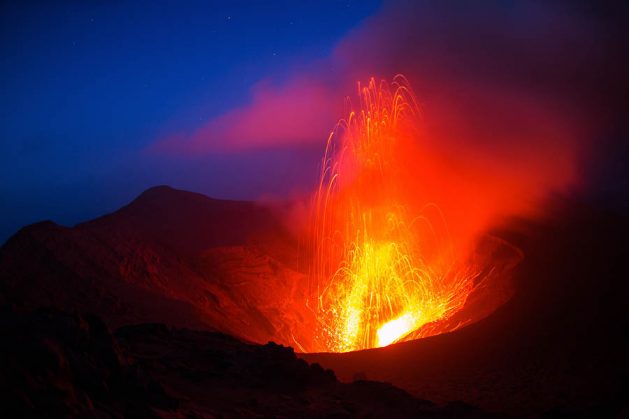
Volcanic eruption in Vanuatu

How did you incorporate gender and protection in the humanitarian response in Vanuatu?

The Gender and Protection Cluster ensures that people’s rights are protected and respected, and they can access services across all sectors safely and with dignity. This involves assessing needs, referring concerns and raising awareness among communities and service providers (such as agencies involved in food distribution, shelter, education and water, sanitation and hygiene).

It also involves advocating with other ministries to include gender and protection concerns into their response. During the Ambae State of Emergency, a joint Gender and Protection and Health Cluster was established to provide services across sectors for people with disabilities.

The Gender and Protection Cluster worked with the WASH Cluster to raise awareness on issues such as safety, lighting and privacy for toilet and shower facilities. During the Ambae and Ambrym responses, partners also integrated information on gender equality and menstrual hygiene management when speaking to communities.

We have also drawn attention to the lack of access to land and income for displaced communities, exposure to violence and delays in children’s education, when advocating with the Government.

We are now in the Ambae recovery phase and have been working with the Prime Minister’s Office to ensure all sectors include relevant actions and budgets for gender and protection in the programmes under the Ambae and Affected Islands Recovery Plan.

What has been the role of women in the different crises in Vanuatu in the past year?

Women are a vital part of humanitarian response and the ongoing emergencies have presented an opportunity to increase women’s participation and leadership in humanitarian action. In the Department of Women’s Affairs for example, seven of the ten staff who have been involved in leading response in different provinces are women.

The National Disaster Management Office and NGOs have involved senior female staff members in coordinating and responding to emergencies. The Vanuatu Women’s Centre has also been very active in efforts to prevent and respond to gender-based violence in emergencies and has provided support for life-saving counselling, health, legal assistance and access to justice services for survivors of violence.

At the community level, women are pivotal to disaster preparedness, and for designing response and resilience activities that meet the needs and realities of their communities. Gender and Protection Cluster partners are implementing programmes involving women in Community Disaster and Climate Change Committees and increasing women’s voice in decision-making at the local level.

But we need more women in leadership positions within communities, in the humanitarian sector and in Ministries and Departments which make decisions on policy, planning and financial resource allocations.

What are the biggest challenges that you are facing in your work in Vanuatu?

Since I arrived in Vanuatu a year ago, there have been five natural disasters due to the volcanic eruptions in Ambae, volcanic eruptions and earthquake in Ambrym, a tsunami affecting Aneityum, Tropical Cyclone Oma, and most recently, the Coconut Rhinoceros Beetle, which has the potential to destroy livelihoods of tens of thousands of people if left untreated.

These disasters have caused people to leave behind their homes, their land and jobs. Integrating into new communities has also not been an easy process for the displaced. Some are still living in tents in Santo and there is tension between displaced people and host communities due to the lack of essential services and resources in resettlement sites.

Some of the key issues that the Gender and Protection Cluster addresses in times of emergencies include violence against women and children, family separation, inclusive response for marginalized groups and ensuring that people can access services across sectors.

Although we have been able to shape policies, we need them to be implemented down to the community level. For this to happen, we need increased awareness that addressing gender and protection in humanitarian action is lifesaving and planning and budgeting needs to reflect that.

More initiatives are also required to prepare communities for the effects of natural disasters and to ensure that they are supported in the recovery phases.

What innovative approaches have worked so far?

Listening to communities and community-led solutions have been key in the programmes developed by the Gender and Protection Cluster partners. In Vanuatu, we have very strong church and chief systems and the Gender and Protection Cluster has been working with both in disaster preparedness, emergency and recovery.

Partners have trained church leaders and chiefs in community-based protection, peacebuilding, violence prevention and referral pathways. Churches are often used as evacuation centres and in the recovery phase, the Vanuatu Christian Council has mapped churches and assessed inclusivity of design in different islands.

The Vanuatu Women’s Centre has trained church leaders and chiefs to become male advocates and other partners have included local chiefs in their awareness-raising activities to ensure women’s leadership and voice is factored into response programmes.

The joint Gender and Protection and Health Cluster for the Ambae State of Emergency was also the first of its kind in Vanuatu and demonstrated that collaboration across different sectors and ministries can increase access to services for the most vulnerable.

Building upon lessons learned from recent disasters, in the next year we will be working on strengthening preparedness and response at the local level and developing protocols for elimination of violence against women and girls in emergencies.

We will also be training government, NGO partners and community leaders in Gender and Protection in Humanitarian Action and setting up Gender and Protection Committees in each of the six provinces of Vanuatu.

  Source

The Role of Women’s Organisations in Crisis-Settings

Aid, Civil Society, Development & Aid, Editors’ Choice, Featured, Gender, Global Governance, Headlines, Human Rights, Humanitarian Emergencies, IPS UN: Inside the Glasshouse, TerraViva United Nations

Gender

Marcy Hersh, is the Senior Manager of Humanitarian Advocacy at Women Deliver & Cecilia Chami is the Programs Director of Lebanon Family Planning Association for Development and Family Empowerment (LFPADE).

BEIRUT, Aug 19 2019 (IPS) – To mark World Humanitarian Day, we celebrate the overlooked women leaders who are first responders, unwavering advocates, and powerful change-makers in humanitarian emergencies.


Yet to truly power progress, we can’t stop at celebrating their efforts – we must also push for the support and investment women humanitarians need to continue their vital work.

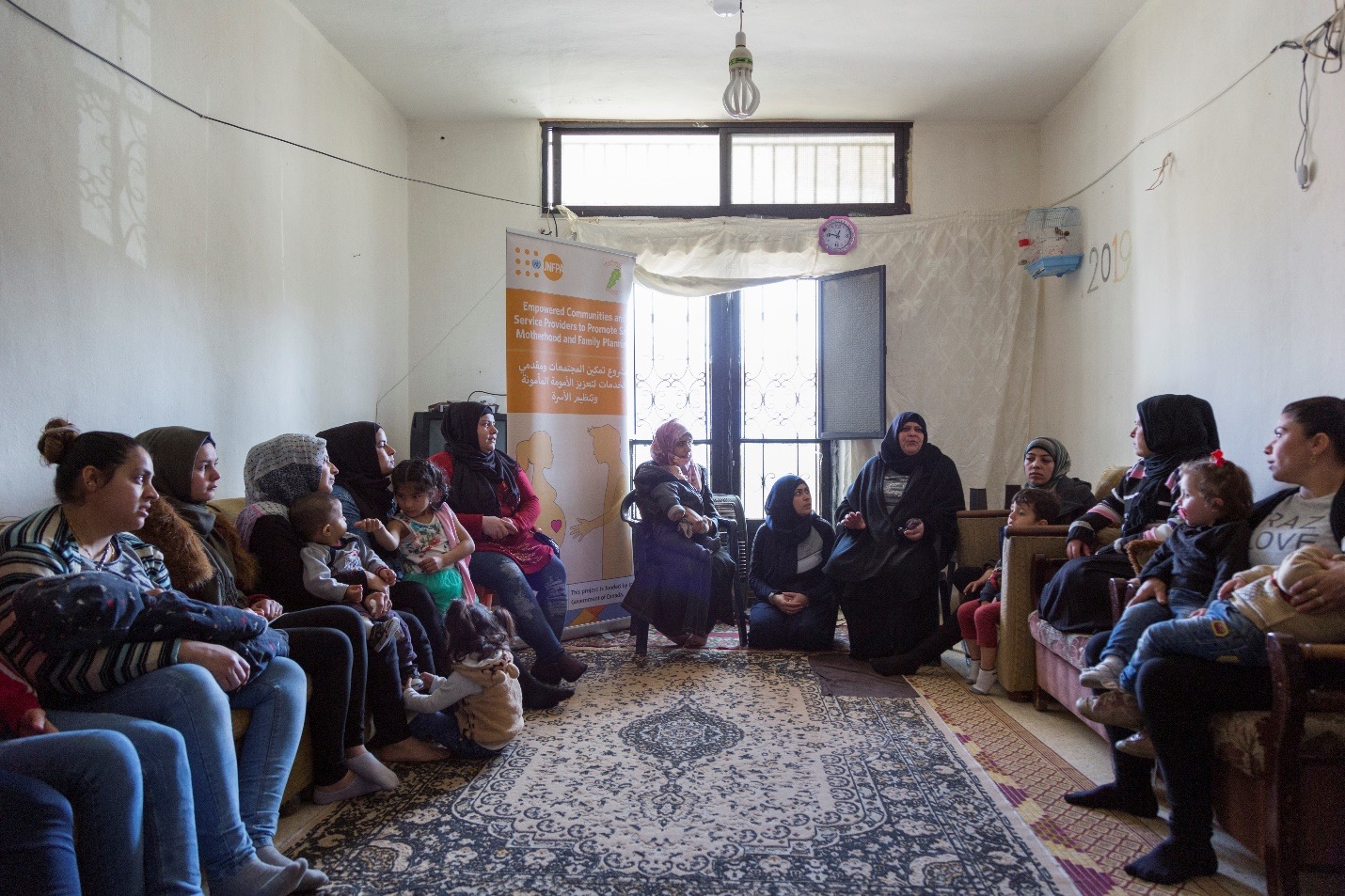
Women Deliver spoke with Cecilia Chami, Programs Director for the Lebanon Family Planning Association for Development and Family Empowerment (LFPADE)  on what women-focused civil society organisations (CSOs) need to maximise their impact.

World Humanitarian Day also coincides with a special milestone for LFPADE: today, August 19, marks their 50th anniversary as the first and oldest family planning organisation in Lebanon.

Drawing from LFPADE’s five decades of experience, Chami highlights the power of women-focused CSOs, and what the world can do to help continue their vital work.

Excerpts from the interview:

HERSH: Women make up a large part of LFPADE’s team, including in leadership positions and as direct service providers. How does having strong women on your team help advance LFPADE’s work and mission?

CHAMI:  LFPADE works to empower women in all aspects of their lives to achieve gender equality – so having strong women on our team is essential. Women are the best experts on our lives, so we understand what women in our communities need, can relate to the challenges they face, and appreciate the quality of services they deserve.

 For example, we know from experience that access to family planning and sexual and reproductive health (SRH) services improves lives and futures of girls, women, and their whole communities. So, while these services might be sidelined in many traditional humanitarian responses, we prioritise a woman’s ability to control her fertility at the core of all our work.

 As women from Lebanon, we also know the contexts and entry points to deliver services most effectively. We work with anyone who influences the lives of girls and women – including boys, men, community leaders, and mothers-in-law – to help girls and women make more autonomous decisions about their lives and bodies. We are only able to form these partnerships because communities know us, trust us, and believe in us.

HERSH: What can the world do to better support women and women-focused organisations in humanitarian action?
CHAMI: International actors wield so much power in humanitarian action – and it’s time they share more of that power with women-focused CSOs.

First, international organisations must work hand-in-hand with women-focused CSOs as equal partners, designing programs together that really respond to the needs of girls and women in our communities.

Often, local and national organisations like LFPADE are only seen as implementing partners that can execute the projects envisioned by foreigners. We bring grassroots expertise and community voices to the table – so we must actually be engaged at the outset.

Resources are key to maximising our impact, too. We often rely on unreliable funding streams and short-term grants to sustain them, which makes it very hard for us to work. Long-term investment in women-focused CSOs is the fuel we need to achieve results that have a real impact.

HERSH: LFPADE has worked to provide SRH services to women throughout Lebanon for 50 years, including Palestinian and Syrian women. When you reflect on the organisation’s history, what have been some of the biggest successes and lessons learned?

CHAMI: The biggest success of LFPADE was pushing for the removal of regressive laws which forbade talking about family planning and contraceptives in Lebanon. By doing so, we made it possible for us – and other women-focused organisations across the country – to advocate for family planning and the sale of essential contraceptives. This also made it possible for the government ministries to begin to implement SRH programs nationwide.

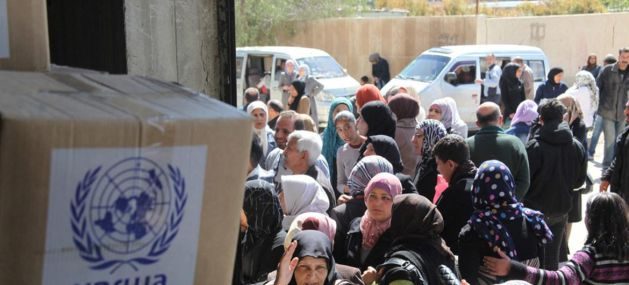
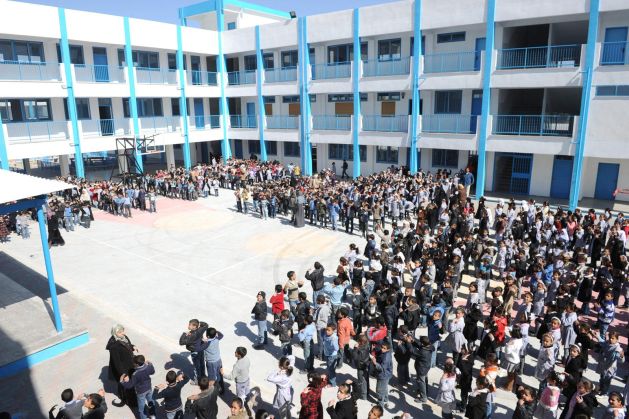
Another success was our ability to mobilise quickly to ensure that refugee responses prioritise SRH services for all girls and women. We worked with the United Nations Relief and Work Agency for Palestinian Refugees (UNWRA) to provide their medical and paramedical staff with training on how to provide these services in their clinics.

Since 2013, we have also dedicated a large part of our efforts to meeting the needs of Syrian refugees who have fled from home – and to date have reached over 30,000 Syrian men, women, and children with SRH awareness campaigns and programs.

One big lesson learned throughout all these successes is that girls and women must be included in the design of all projects for them. When we take the time to speak with girls and women about their needs and challenges at the outset, we be sure to design programs to fit their realities.

HERSH: You work you do is often difficult and tiring – but you continue to be an inspiring change-maker in Lebanon. What motivates you to continue your important work as a Program Director for LFPADE, even during the most challenging times?

CHAMI: What motivates me to continue working is the impact our programs are achieving. When I meet and talk to girls and women, I see firsthand how our efforts improve their lives and the lives of their children.

One quote that will always stay with me comes from a woman who attended a course LFPADE runs on women’s leadership: “You gave us self-confidence and knowledge, and we know now that we too can make a difference.” When every woman in Lebanon realises their power to make a change, my job will be done.

  Source

Five Million Palestinians Deserve Better!

Civil Society, Editors’ Choice, Featured, Global, Headlines, Human Rights, IPS UN: Inside the Glasshouse, Middle East & North Africa, Migration & Refugees

Opinion

Ian Williams is a former President of the UN Correspondents Association (UNCA) and author of “UNtold: The Real Story of the United Nations in Peace and War

Secretary-General Guterres can still ameliorate the crisis—first, of course, by inviting Krähenbühl’s immediate departure, but then by a resounding public declaration of how essential UNRWA’s work is

Credit: UN

UNITED NATIONS, Aug 12 2019 (IPS) – An old adage passed on by veteran U.N. staff to younger recruits is, “Do nothing whenever possible. It’s safer.” For a junior officer that might indeed be career-enhancing. 


But—in the face of persistent hostility from the U.S. and Israeli Prime Minister Binyamin Netanyahu’s friends around the world—for the secretary-general of the U.N., or even the commissioner general of UNRWA, it is a recipe for disaster.

And sometimes doing a little is even worse.

Antonio Guterres announced the appointment of Christian Saunders as deputy commissioner general of UNRWA but the U.N secretary-general failed to explain what had happened to Saunders’ predecessor,  Sandra Mitchell, let alone the chain of circumstances that led to her departure.

Saunders is experienced and well-respected, but making him deputy commissioner general while leaving Pierre Krähenbühl, the person primarily responsible for the scandal, as commissioner-general for UNRWA is like throwing a sardine into a school of sharks. It has, predictably, just whetted the appetites of UNWRA’s enemies—but has not provided sustenance for its friends.

The secretary-general is presumably aware that after Al Jazeera (and the Washington Report) began its investigation into the UNRWA Ethics Office’s report on Krähenbühl’s management (see Aug./Sept. 2019 Washington Report, p. 17), Krähenbühl in quick succession lost three senior staff members, including both his chef de cabinet and deputy commissioner.

Major donors, not least, Krähenbühl’s own Swiss government pulled their funding because of the Report, which called for his immediate dismissal.

All those countries have been loyal friends of the U.N. and of UNRWA, and their defunding shows clearly that the Ethics Office report made a compelling case to them. It is also clear that the governments concerned are trying to send signals to the U.N., whose response to the crisis has been a textbook case of complacent bureaucratic ineptitude.

After this writer’s report on UNWRA corruption came out in Al Jazeera, former U.S. Ambassador to the U.N. Nikki R. Haley wrote on Twitter, “This is Exactly [sic] why we stopped their funding.”

In fact, that was an outright lie. The Trump administration only did as Israel asked and pulled its contribution to UNRWA for malicious reasons having nothing to do with Commissioner General Krähenbüh’s love life or travel arrangements.

 Secretary-General Guterres can still ameliorate the crisis—first, of course, by inviting Krähenbühl’s immediate departure, but then by a resounding public declaration of how essential UNRWA’s work is

Credit: UN

Instead it was because UNRWA’s continuing existence is a persistent institutional reminder of U.S. complicity in Israel’s dispossession of some six million Palestinians. Admittedly, it was also because a particular subset of ambitious Republicans looks for large campaign donations from a coterie of very rich right-wing donors who consistently display their disdain for Palestinian rights by helping fund Jewish-only settlements in the Israeli-occupied West Bank.

There is no need for the secretary-general to take advice from countries whose oft-condemned actions created and perpetuated so many decades of misery for the Palestinians

However, knowing that both Washington and Tel Aviv entertain such sentiments makes the insouciance of both Secretary-General Guterres and Krähenbühl even more egregious.  The ethics report detailing the managerial failings and turpitude in UNRWA was delivered to the secretary-general’s office back in December 2018.

The UNRWA staff who had contributed to it fretted that no action was being taken after many of them had risked their livelihoods and pensions.

They were amazed that such a compelling dossier from the organization’s own Ethics Department would be ignored, and it was only after months had passed that some of them leaked it to me, in the hope that media inquiries about the report would prompt pre-emptive action by the U.N., and that the commissioner general would lance the boil before the pustulent Trump/Netanyahu axis began to fester on it.

Ambassadors and senior U.N. officials were approached to press the secretary-general’s office for the action necessary, but to no avail.

Faced with such a damning indictment from his own ethics office, Krähenbühl could have, and should have, resigned or stepped aside for the good of the organization.  The secretary-general could have suspended or fired him and announced a genuinely independent inquiry, enlisting donors and others concerned with the welfare of UNRWA and the Palestinians.

Predictably, the failures of the commissioner general and U.N. headquarters to take action—of any kind—has set off a feeding frenzy among the enemies of the Palestinians and UNRWA, who want to punish refugees for the ethical failings of bureaucrats foisted on them by an international community that oversaw their dispossession. 

An unannounced internal investigation by the U.N.’s own Office of Internal Oversight Services (OIOS)—whose reputation is far from stellar even inside the U.N.—is a politically disastrous course of action. It took repeated questioning before we even discovered the investigation was under way—at a time when the secretary-general’s office denied it had even seen the report.

It was conceivable that, without media publicity, the OIOS report could have been a bland procedural whitewash, as have been too many about recent scandals involving senior U.N. staff.

But the media exposure means that Krähenbühl has little or no support from his present and recent senior staff, and certainly not from the donors.  His rigor mortis-like grip on office is profoundly damaging to UNWRA, to the U.N., and to the more than five million Palestinians it serves.

In any case, confronted with such a manifest managerial failure, a traditional international civil servant should have accepted responsibility and resigned: by clinging to office Krähenbühl is giving succour to his agency’s enemies.

One could add that the scandal reflects an erosion of the concept of an ethical international service under a constant corrosive drip of short-term contracts and outsourcing urged by those experts who brought us the 2008 financial crisis.    

Even so, Secretary-General Guterres can still ameliorate the crisis—first, of course, by inviting Krähenbühl’s immediate departure, but then by a resounding public declaration of how essential UNRWA’s work is.

Persuading a senior diplomat or U.N. figure to take over from Krähenbühl is a bit like fitting someone for a crown of thorns, but there are people out there who care enough about the Palestinians and who are prepared to stand up to the barrage of bile from worldwide Friends of Likud.

Above all, there is no need for the secretary-general to take advice from countries whose oft-condemned actions created and perpetuated so many decades of misery for the Palestinians.

He would, however, do well to invite donors and other humanitarian organizations to examine the agency and recommend much needed managerial and structural reforms, without pandering to those whose solution to the refugee problem is to leave them homeless and hungry while declaring them no longer to be refugees.

The original story appeared in the Washington Report on Middle East Affairs. 

  Source

The Nairobi Summit – Towards a Watershed Moment

Africa, Civil Society, Conferences, Crime & Justice, Development & Aid, Economy & Trade, Education, Featured, Gender, Gender Violence, Global, Headlines, Health, Human Rights, Inequity, TerraViva United Nations, Women’s Health

Opinion

NAIROBI, Kenya, Aug 8 2019 (IPS) – In 2019 a female scientist created an algorithm that gave the world the first ever images of a black hole. Working with a team of astronomers, physicists, mathematicians and engineers, a young woman led the development of a computer program that in her own words enabled them to “achieve something once thought impossible.”


Photo: Heshimi Kenya

During this same year, over 200 million women in developing countries will not have access to effective methods of contraception to delay or avoid pregnancy. Approximately 830 women a day will die during pregnancy or childbirth from preventable causes. And sexual and gender based violence including harmful practices like early marriage and female genital mutilation, will still plague millions of girls and young women. Girls and women denied basic human rights and robbed of their potential to achieve the impossible.

In 1994, the visionary Programme of Action was agreed to by 179 governments at the International Conference on Population and Development (ICPD) in Cairo, Egypt. The Programme of Action recognized that reproductive health and rights, as well as women’s empowerment and gender equality, are cornerstones of healthy robust societies that promote the well-being of populations and economic and social development of nations. Since ICPD, governments, civil society, youth networks have all worked towards decreasing maternal deaths, eliminating harmful practices and promoting gender equality.

The global community is now gearing up to mark 25 years since the historic ICPD through the Nairobi Summit on the International Conference on Population and Development, ICPD25 which will be held from 12-14 November 2019 under the theme “Accelerating the Promise”.

I am proud that my country Kenya, will be hosting this important Summit, which is aimed at mobilizing the political will, financial commitment and community support we need to fully realize the ICPD Programme of Action.

Indeed, by the time we leave Nairobi, we must ensure that everyone has agreed to play their part in reaching zero unmet need for family planning information and services, zero preventable maternal deaths, and zero sexual and gender-based violence and harmful practices against girls and women. Evidence shows that the benefits that would accrue from fulfilling the ICDP agenda would be far reaching in transforming lives and improving the wellbeing of families, communities, and nations.

Dr. Ida Odinga, EGH

In Kenya, significant progress in health care has been made with Universal Health Coverage(UHC) a top priority for the Government. Thanks to the leadership, passion and commitment of the First Lady of Kenya, Ms Margret Kenyatta through her Beyond Zero campaign there has been a significant drop in maternal and child mortality. We have to now go for zero deaths. Reproductive, maternal, neonatal, child and adolescent health is key to achieving UHC.

High rates of teenage pregnancy, take girls out of school and compromises their health. Young people face stark challenges in employment as 1,000,000 people enter a labor force that can only absorb 150,000 new entrants. Access to health services and information, school retention and quality education will help these young girls stay in school and lead healthy lives. These are among the issues that the Summit will address.

However, in order for the Nairobi Summit to be a game changer, we need to speak for those that can’t speak, speak for those who are not heard and to add our voices to those who continue to work for sexual and reproductive rights for all. We must reaffirm our commitments to the ICPD goals and Agenda 2030. We must absorb the lessons learned over the last 25 years and do better.

For Kenya, the Nairobi Summit provides a platform to showcase our Big Four Development Agenda aimed at accelerating socioeconomic transformation and economic growth by intensifying investments and programme actions on: affordable housing, food security, universal healthcare and manufacturing.

I am delighted that my country is partnering with UNFPA and the Government of Denmark to host the Nairobi Summit and reaffirm the global commitment to ICPD. This is a watershed moment as we are a mere 10 years away from our commitment to fulfill the SDGs.

I look forward to seeing all the participants in Nairobi and hope everyone will follow the proceedings of the Nairobi Summit and learn how we can all play a role in bringing about change and keeping the promise of ICPD. Ensuring that all women and girls can reach for the stars and achieve the impossible.

Dr. Ida Odinga, EGH is spouse of Rt Hon. (Eng.) Raila Odinga and a passionate campaigner of women’s rights.

  Source

The Moral Responsibility for Arms Trade

Armed Conflicts, Civil Society, Crime & Justice, Global, Headlines, Human Rights, TerraViva United Nations, Trade & Investment

Opinion

What matters more: ethics or profit?

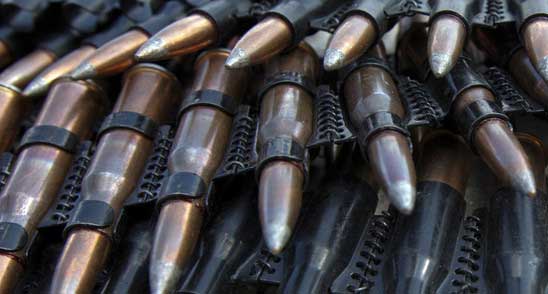
Global arms trade is booming and has become a lucrative business.

GENEVA, Aug 8 2019 (IPS) “I don’t want to see a single war millionaire created in the United States as a result of this world disaster.” 1

These were the words of US President Franklin D. Roosevelt on 22 May 1940 when he learned of individuals profiting because of the booming arms trade industry during the Second World War. Seven decades down the line, President Roosevelt’s warning against the rise of the military-industrial complex and war profiteers is more relevant than ever and a telling testimony that for many in safe places war means profit. But, should the pursuit of economic profit be allowed to supplant ethical considerations, especially when weapons often end up in the hands of terrorists, human rights violators and criminal governments?


There is no doubt that the global arms market remains a lucrative business. Arms trade raises numerous ethical issues both for the exporting and for the importing country. War profiteers operate with scant concern for ethical and moral considerations, being guided by the search for power or profit for their corporations. Those who produce and sell arms have been called “merchants of death.” 2 HH Pope Francis said it was hypocritical to speak of peace while fuelling the arms trade, which only serves the commercial interests of the arms industry. 3 It is of course the inalienable right of States to exercise their right to self-defence as stipulated in Article 51 of the United Nations Charter and to maintain independent military strength to deal with periodic armed conflict or threats that may emerge. Experience shows that arms exporters fuel conflict and create an atmosphere not at all conducive to peace and development in the world. A business model the feeds on armed conflict, violence and instability must be banned in the 21st century.

According to recent statistics from the Stockholm Peace Institute, arms sales of the world’s 100 largest arms-producing and military services companies totalled USD 398.2 billion in 2017. 4 That is more than the nominal cumulative GDPs of South Africa, Denmark, Singapore, Egypt, Algeria and Malaysia, a group of countries which is home to more than 200 million people. Since 2002, annual arms sales have surged 44% and are expected to continue growing in the years to come. 5 In other words, international arms trade is “big business” and a vector for economic growth in some countries, reminiscent of John Maynard Keynes’ vision of ‘Military Keynesianism’.

In the Middle East, the irregular and black-market arms trade – estimated at USD 10 billion a year – have weaponised extremism and fuelled instability. Disturbing images of civilian infrastructure being bombed and destroyed by extremist groups are telling testimonies that the flow of arms and weapons continues to exacerbate violent conflict in the Arab region. This is particularly the case in Syria, Libya and Iraq where the supply of weapons to the warring sides has prolonged the fighting and adversely affected the civilization population. The rebuilding of societies affected by armed conflict and violence in the Middle East and North Africa (MENA) region is estimated at USD 250 billion. A price tag that the next generations in the MENA region will have to repay for decades to come.

In this connection, world civil society must take action to curb future arms proliferation in regions prone to armed conflict and violence. Governments and arms traders must commit to respecting and to fulfilling the provisions set forth in the Guiding Principles on Business and Human Rights of the United Nations. 6 The aim should be to identify, prevent and mitigate as the case may be, the human rights-related risks of business activities in conflict-affected areas. Civilians should not have to bear the brunt, as they do now, of the devastating consequences of military conflict. The greed involved in the arms trade must be kept in check.

As foreseen in Sustainable Development Goal (SDG) 16 of the 2030 Agenda for Sustainable Development, the promotion of just, peaceful and inclusive societies rests on the ability of world society to promote a climate conducive to peace and sustainable development. According to the United Nations Office for Disarmament Affairs, the countries that are furthest from achieving the targets of the Sustainable Development Goals (SDG) are in, or emerging from, armed conflict and violence. The best investment to peace and prosperity therefore rests on the ability of decision-makers and governments to curb arms trade, prohibit economic gains from war, armed conflict and human suffering and instead commit to rally for a world where peace and justice prevails. The simple motto for all should be “disarmament for development”. What is most needed is a conversion strategy that will gradually transform war economies into sustainable peace economies. 7

1https://www.thenation.com/article/war-profiteering/
2https://www.foreignaffairs.com/reviews/capsule-review/1934-07-01/merchants-death
3https://cruxnow.com/vatican/2017/06/03/pope-franciss-prayer-stop-merchants-death/
4https://www.sipri.org/sites/default/files/2018-12/fs_arms_industry_2017_0.pdf
5 Ibid
6https://www.ohchr.org/documents/publications/GuidingprinciplesBusinesshr_eN.pdf
7 See 2014 report to the Human Rights Council by the UN Independent Expert on the Promotion of a Democratic and Equitable International Order, http://ap.ohchr.org/documents/dpage_e.aspx?si=A/HRC/27/51

Blerim Mustafa, Project and communications officer, the Geneva Centre for Human Rights Advancement and Global Dialogue. Postgraduate researcher (Ph.D. candidate) at the Department of Politics and International Relations, University of Leicester (UK).

  Source