How Collective Action Can Move the Needle on Gender Equality

Active Citizens, Conferences, Development & Aid, Education, Gender, Global, Headlines, Health, Human Rights, TerraViva United Nations, Women & Climate Change, Women’s Health

Opinion

Delegates take a group photo at the Young Leaders & Alumni Workshop at the Women Deliver 2019 Conference in Vancouver, Canada. Credit: Isabella Sarmiento

NEW YORK, Mar 18 2022 (IPS) – During this year’s sixty-sixth session of the Commission on the Status of Women (CSW66), we are eager to see the global community pivot towards more inclusive approaches to advocacy. It’s imperative to put the spotlight on women’s rights and youth-led organizations in communities that are often left out of key discussions. By handing the mic over to advocates across all backgrounds and ages, we can shift to a model that enables all advocates to take a lead role in policy-making and ultimately translate promises and rhetoric into real impact and accountability.


Since the emergence of the COVID-19 pandemic, the ways that the global community works together to push for inclusive progress toward gender equality — progress that fully and effectively engages and equally benefits everyone — are fundamentally changing. Private conversations between the organizations and people with the resources and privilege to access the halls of power have given way to hybrid events and videoconferences that are open to a more diverse, intergenerational set of stakeholders than ever before. This significant shift began to open the doors to more inclusive partnerships.

Also, during these past two years, a global reckoning called on us all to meaningfully transform our advocacy, practices, and programs. International development organizations, including our own, took a long, overdue look in the mirror, and in some cases, began the deep learning and unlearning needed to acknowledge the persistent power imbalances that plague our sector at large. It’s a first step in living up to the values of equity and inclusion — not just on paper, but in practice.

As the world as we know it changed, we were hard at work changing, too. We began actively leveraging our power and influence more intentionally than ever before to center the work and expertise of women’s rights and youth-led organizations in low- and middle-income countries (LMICs). Now, we are digging deeper to find and use new tools that enable advocates to co-create and co-lead by themselves so that our work and the Women Deliver 2023 Conference (WD2023) is more inclusive, diverse, consultative, and accessible than ever before.

Young gender equality advocates kick off the Youth Zone at the Women Deliver 2019 Conference in Vancouver, Canada. Credit: This Is It Studios

In “calling us in” and championing our ability to foster more inclusive partnerships across all of our programs, we are taking action to effectively and authentically advocate for, with, and alongside girls and women everywhere, in all their intersecting identities, to catalyze lasting progress on gender equality.

Transforming ourselves is of course a continuous process. Each day, we are learning to do better and to be better. We hope that our key learnings, below, can support our development colleagues, wherever they find themselves on their journey.

1. Accessibility and inclusion must lead the way — in-person and virtually.

    According to expert studies, organizations and individuals from LMICs are often under-represented at global health convenings. From day one, it’s urgent to intentionally engage those who have historically been excluded. In planning WD2023, we have leveraged the lessons of the past two years and from prior Women Deliver Conferences. We used an open application to select one-third of our Conference Advisory Group — a diverse panel with a balance of technical expertise. Our advisors represent 30 organizations — 10 individuals are from youth or youth-led organizations and 35 are from LMICs. We have done this to ensure that the Conference is co-created from the start by organizations and individuals representing the intersectional identities of the girls and women we work with and for.

    We meet regularly via videoconference with our Advisory Group to co-create the Conference’s Global Dialogue, theme, programming, and more, with support from social impact design experts at IDEO.org. IDEO also supports us as we carry out targeted discussions with specific stakeholder groups, including Women Deliver Young Leaders and Alumni, Deliver for Good Country Coalitions, and Conference Sponsors and Funders.

    In planning how to shape the dialogue, foster collaboration, and drive collective action before, during, and after the Conference, we’re working with our partners to ensure that all Conference advocacy spaces, be they digital or physical, are accessible to all. This includes low-bandwidth options, closed captioning, interpretation in multiple languages, and International Sign Language. On-site, we will also provide trauma-informed specialists, breastfeeding/nursing stations, child safeguarding support, and mental health specialists.
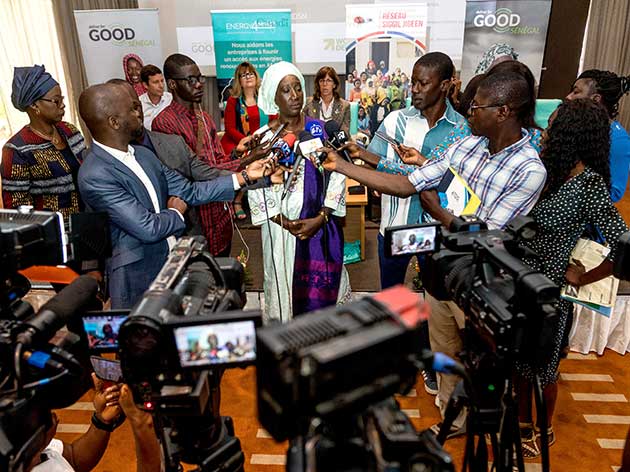
Mme Safiétou Diop, President of Réseau Siggil Jigeen speaking at a press conference during the launch of the Deliver for Good Senegal Campaign in Dakar, Senegal in 2019.

2. Move from meaningful youth engagement to co-leadership and intergenerational action.

    It’s time to follow the lead of young people, shift away from top-down approaches, and actively provide resources for robust youth co-leadership. According to global consensus, young people have a fundamental right to actively and meaningfully engage in all matters that affect their lives. For international development organizations, this means offering space, support, and compensation that youth need and deserve to co-create a more-gender equal future — a future from which they have the most to gain and to lose.

    We created the 14-person Young Leaders Program Alumni Committee, with an honorarium for their valuable expertise, to advise us on strategy and implementation of the Young Leaders Program and ideate youth co-creation opportunities. This committee provides invaluable guidance to ensure the Young Leaders Program models meaningful youth engagement and co-leadership, and effectively meets the needs of Young Leaders on the ground.

    Women Deliver also hosts Multi-Country Workshops to foster capacity strengthening, knowledge sharing, and coordinated advocacy on sexual and reproductive health and rights (SRHR) and gender equality. Starting in 2021, these workshops are now designed and led by a Young Leader Planning Committee representing the regions where the workshops take place. They are in the driver’s seat as they craft workshop content and programming, while Women Deliver provides logistical support and the virtual space to gather. This co-created process has led to more targeted — and impactful — workshops that cater to Young Leaders’ specific needs and build capacity in the issue areas where it’s most needed.
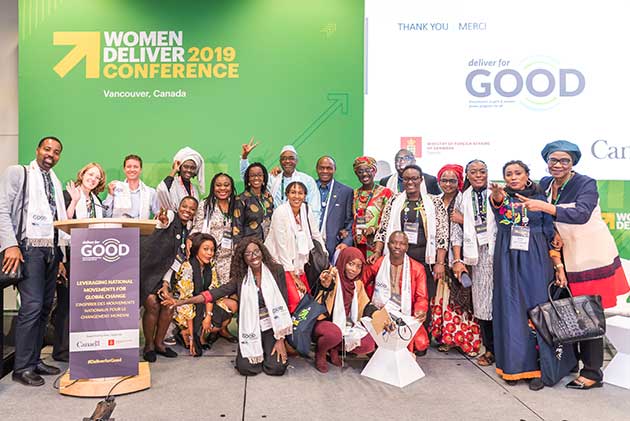
Delegates taking a group photo on stage at the Deliver for Good Campaign side event “Leveraging National Movements for Global Change” at the Women Deliver 2019 Conference in Vancouver, Canada.

3. Elevate diverse voices and support organizations working on the ground.

    Incusion and participation have to be integrated into the mission of development work, not a one-off tactic or strategy. Diverse, resilient feminist and women’s rights organizations and movements are – and must always be positioned as – the key drivers of change for gender equality and women’s rights across the globe.

    Over the past two years, we have stepped back to shift power across every aspect of our organization’s activities, policies, programs, and behaviors, into the hands of the youth and women’s rights groups most impacted by our work. For example, in 2020, in partnership with Girl Effect, as well as with young people themselves, we worked to understand how youth in India, Malawi, and Rwanda use digital platforms to learn about their sexual and reproductive health (SRHR). This project was designed and executed by more than 160 adolescent girls and young women, who worked hand in hand with researchers on the ground in India, Malawi, and Rwanda to conduct interviews within their own communities, as well as to design questions, discuss results, and generate recommendations. Moving forward, we must involve girls and women in all aspects of data collection and evidence generation that impacts them. This will ensure that the local knowledge and skills needed to drive sustainable change in their own communities, regions, and countries are an integral part of effective advocacy and decision-making.

    We’re now handing the pen directly to Young Leaders and spotlighting the work of youth-led organizations during key advocacy moments. Last year, the Deliver for Good Campaign organized its first ever Continental Conversation — an idea conceived by partners in Kenya and Senegal — as a way to work together towards gender equality in the region. What was first envisioned as a one-off peer-to-peer sharing opportunity via videoconference became understood as a vital, first-of-its-kind Continental Conversation to bridge divides — some of which had never been crossed. Together, the Campaign’s country partners shared their own experiences, lessons, challenges, and successes in advancing gender equality, laying the groundwork for a cross-regional peer-to-peer learning model with the power to accelerate progress on girls’ and women’s health and rights in Kenya, in Senegal, and around the world.

    Over the past year, we have also co-convened multi-sectoral coalitions with diverse partners representing the intersectional identities of girls and women. For example, as part of the SRHR & Climate Justice Coalition, we’re working on collective action and coordinated advocacy in partnership with more than 60 representatives from a wide range of civil society organizations. The Coalition is working to advance SRHR and gender equality in the context of climate change from an intersectional and climate justice approach.

    The Coalition emerged from the need to break down silos between the SRHR and Climate Justice organizations and movements, facilitate knowledge sharing, jointly mobilize, and amplify the voices and priorities of grassroots organizations. These organizations are led by girls and women, the LGBTQIA+ community, and Indigenous people from LMICs, particularly those most affected by climate change and without continuous access to high-quality SRH services. The Coalition is currently raising awareness of the interlinkages of SRHR and climate change in order to ensure SRHR is a key part of climate change conversations and action strategies ahead of key policy moments, such as CSW66 and COP27.

4. Collect and present data that accurately represents the diverse needs of all girls and women.

    Sustainable progress — and lasting change — will take all of us. Over the past two years, we’ve focused on connecting advocates working across different issue areas and collecting gender-disaggregated data. The data is broken down into the many factors that shape people’s lives, including race and ethnicity, sexual orientation, disability status, and socioeconomic class in order to drive collective action, the mainstay of transformative change. We also need to engage with data scientists from regions most impacted by this research.

    Last year, we partnered with Focus 2030 to carry out a survey of 17 countries on six continents — representing half of the world’s population. An overwhelming majority said they support gender equality, believe that women should be fully engaged in charting our path forward, and expect leaders – political and in business – to take meaningful action to bridge the gender divide. In centering the voices of citizens, we were able to effectively advocate for bigger, bolder commitments by governments and the private sector, ahead of the Generation Equality Forum.

As Women Deliver evolves and grows, we will continue to call upon our partners and funders, including in the private sector, to ensure that the international development world champions and secures robust, feminist funding and resources for women’s rights organizations, youth, and other marginalized communities. We hope you will join us in leveraging the changes set into motion during the pandemic and the global reckoning in our sector. Let’s work together to bridge existing divides and form inclusive partnerships — between countries, sectors, and generations.

The authors are Kathleen Sherwin (CEO/President), Divya Mathew (Director, Policy & Advocacy), Julia Fan (Senior Manager, Youth Engagement), Gretchen Gasteier (Manager, Conference), Rachel Elliott (Senior Associate, Communications) of Women Deliver

IPS UN Bureau


Changing a System that Exploits Nature and Women, for a Sustainable Future

Active Citizens, Civil Society, Climate Action, Climate Change, Conferences, Environment, Gender, Global Governance, Headlines, Human Rights, Indigenous Rights, IPS UN: Inside the Glasshouse, Latin America & the Caribbean, Regional Categories, Women & Climate Change

Women & Climate Change

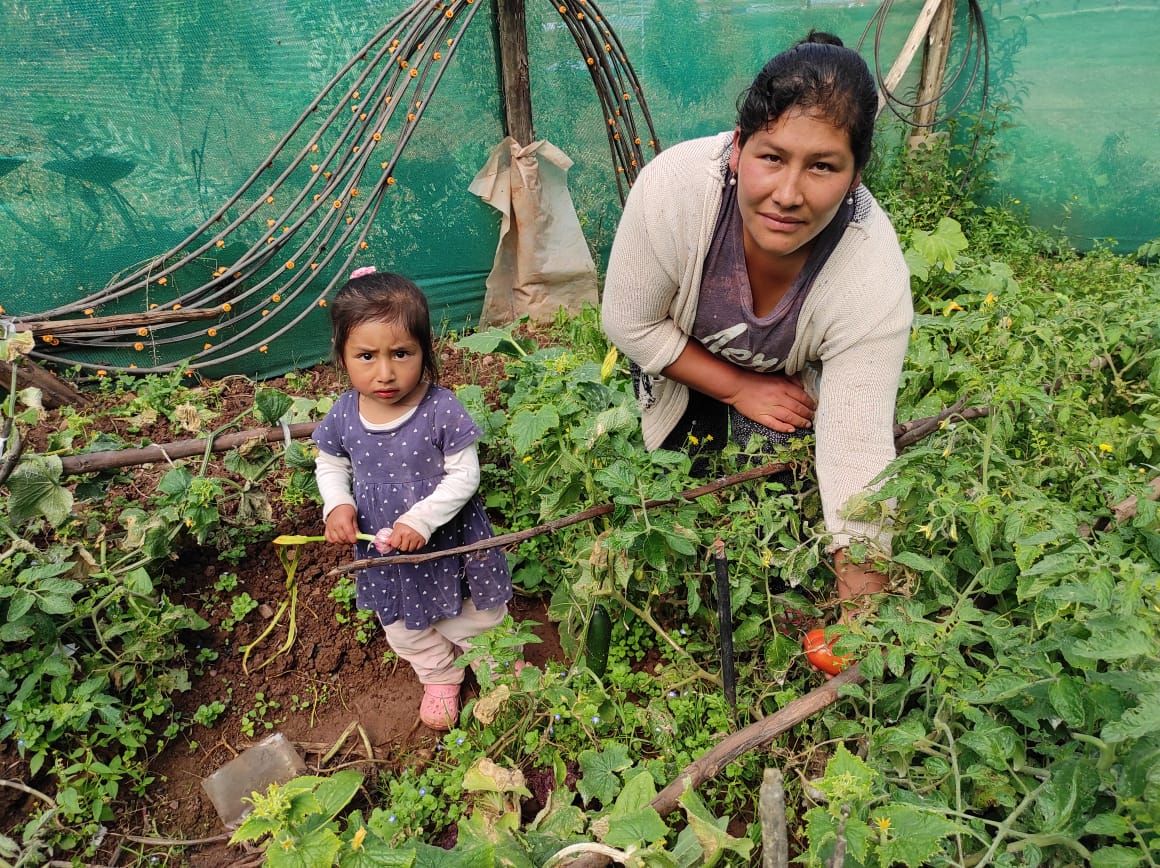
Peruvian farmer Hilda Roca, 37, stands in her agro-ecological garden in Cusipata, a town located at more than 3,300 meters above sea level in the highlands of Cuzco, where she grows vegetables for her family and sells the surplus with the support of her adolescent daughter and son. CREDIT: Mariela Jara/IPS

Peruvian farmer Hilda Roca, 37, stands in her agro-ecological garden in Cusipata, a town located at more than 3,300 meters above sea level in the highlands of Cuzco, where she grows vegetables for her family and sells the surplus with the support of her adolescent daughter and son. CREDIT: Mariela Jara/IPS

LIMA, Mar 7 2022 (IPS) – “Pachamama (Mother Earth) is upset with all the damage we are doing to her,” says Hilda Roca, an indigenous Peruvian farmer from Cusipata, in the Andes highlands of the department of Cuzco, referring to climate change and the havoc it is wreaking on her life and her environment.


From her town, more than 3,300 meters above sea level, she told IPS that if women were in power equally with men, measures in favor of nature that would alleviate the climate chaos would have been approved long ago. “But we need to fight sexism so that we are not discriminated against and so our rights are respected,” said the Quechua-speaking farmer.

The link between climate change and gender is the focus of the United Nations’ celebration of this year’s International Women’s Day, Mar. 8, under the theme “Gender equality today for a sustainable tomorrow”.

The aim is to “make visible how the climate crisis is a problem that is closely related to inequality, and in particular to gender inequality, which is expressed in an unequal distribution of power, resources, wealth, work and time between women and men,” Ana Güezmes, director of the Gender Affairs Division of the Economic Commission for Latin America and the Caribbean (ECLAC), told IPS.

Latin America is highly vulnerable to the climate crisis despite the fact that it emits less than 10 percent of the greenhouse gases that are warming the planet.

In addition, climate injustice has a female face in the region: lower-income population groups, where the proportion of women is higher, are more exposed to climate effects due to their limited access to opportunities, despite the fact that they are less responsible for emissions.

The extreme poverty rate in the region increased from 13.1 percent to 13.8 percent of the population – from 81 to 86 million people – between 2020 and 2021, according to data released by ECLAC in January. Women between 25 and 59 years of age are the most affected compared to their male counterparts. This situation is worse among indigenous and rural populations, who depend on nature for their livelihoods.

These aspects were highlighted at ECLAC’s 62nd Meeting of the Presiding Officers of the Regional Conference on Women, held Jan. 26-27, whose declaration warns that women and girls affected by the adverse impacts of climate change and disasters face specific barriers to access to water and sanitation, health and education services, and food security.

And it is women who are mainly responsible for feeding their families, fetching water and firewood, and taking care of the vegetable garden and animals.

“That is why we maintain that the post-pandemic recovery must be transformative in terms of sustainability and equality,” Güezmes emphasized from ECLAC headquarters in Santiago, Chile.

To this end, she said, this recovery “must untie the four structural knots of gender inequality that affect the region so much: socioeconomic inequality and poverty; the sexual division of labor and the unjust organization of caregiving; the concentration of power and patriarchal, discriminatory and violent cultural patterns; and the predominance of the culture of privilege.”

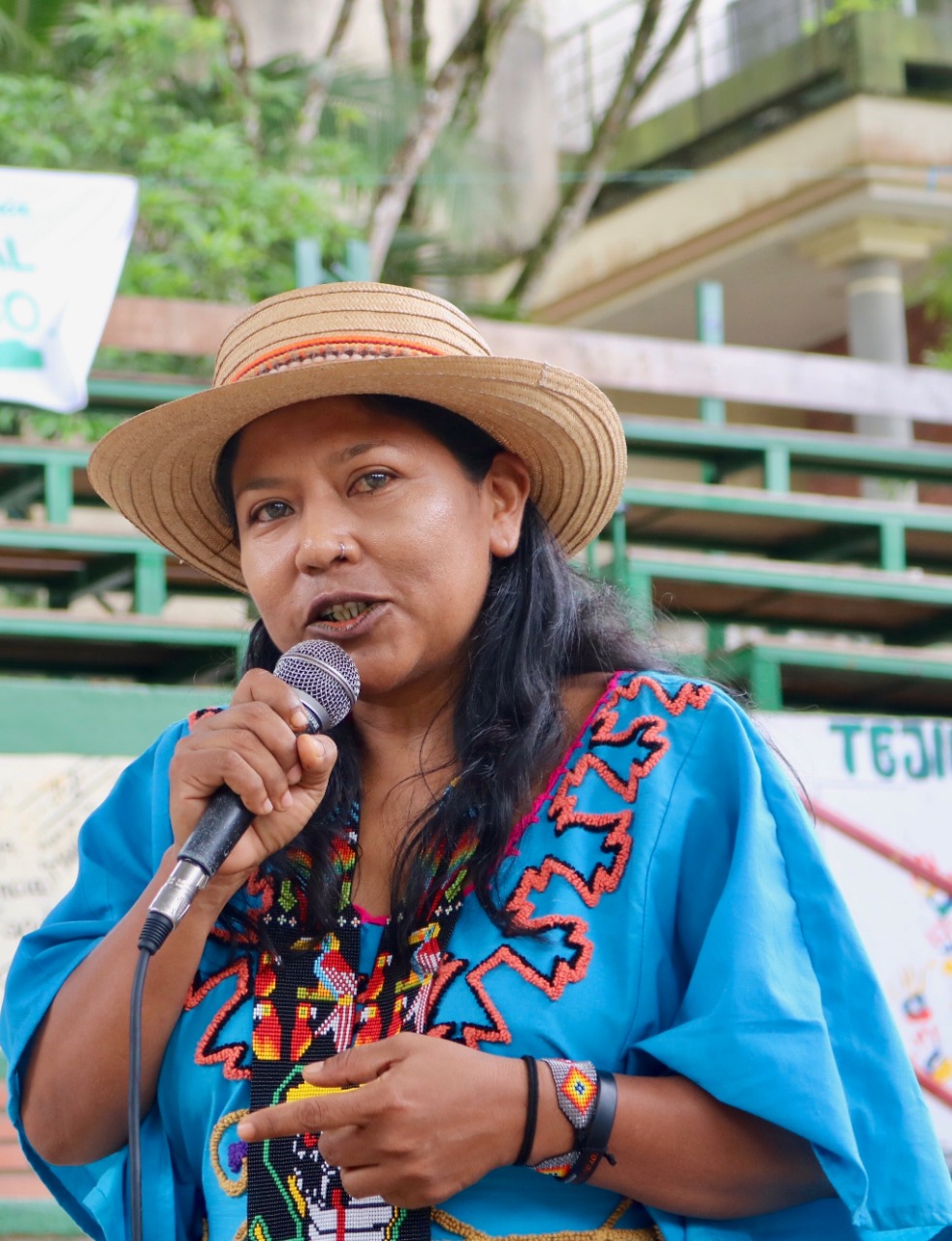
Luz Mery Panche, an indigenous leader of the Nasa people of Colombia. : Courtesy of Luz Mery Panche

Luz Mery Panche, an indigenous leader of the Nasa people of Colombia. : Courtesy of Luz Mery Panche

Reconciling with Mother Earth

Luz Mery Panche, an indigenous leader of the Nasa people, discussed the need to incorporate a gender perspective into the climate crisis. She talked to IPS from San Vicente del Caguán, in the department of Caquetá, in the Amazon region of Colombia, a country facing violent attacks on defenders of land and the environment.

For her, more than sustainable, “it is about moving towards a sustainable future.”

“We need to change the conditions that have generated war and chaos in the country, which is due to the hijacking of political and economic power by an elite that has been in the decision-making spaces since the country emerged 200 years ago,” she said.

Panche is a member of the National Ethnic Peace Coordination committee (Cenpaz) and in that capacity is part of the special high-level body with ethnic peoples for the implementation of the peace agreement in her country. She is a human rights activist and a defender of the Amazon rainforest.

She argued that to achieve a sustainable future “we must reconcile with Mother Earth and move towards the happy, joyful way of life that we deserve as human beings.”

This, she said, starts by changing the economic model violently imposed on many areas without taking into account the use of the soil, its capacities and benefits; by changing concepts of economy and the educational model; and by organizing local economies and focusing on a future of respect, solidarity and fraternity.

Panche said that in order to move towards this model, women “must have informed participation regarding the effects of climate change.

“Although we prefer to call Mother Earth’s fever ‘global warming’. And it is up to us to remember to make decisions that put us back on the ancestral path of harmony and balance, what we call returning to the origin, to the womb, to improve coexistence and the sense of humanity,” she said.

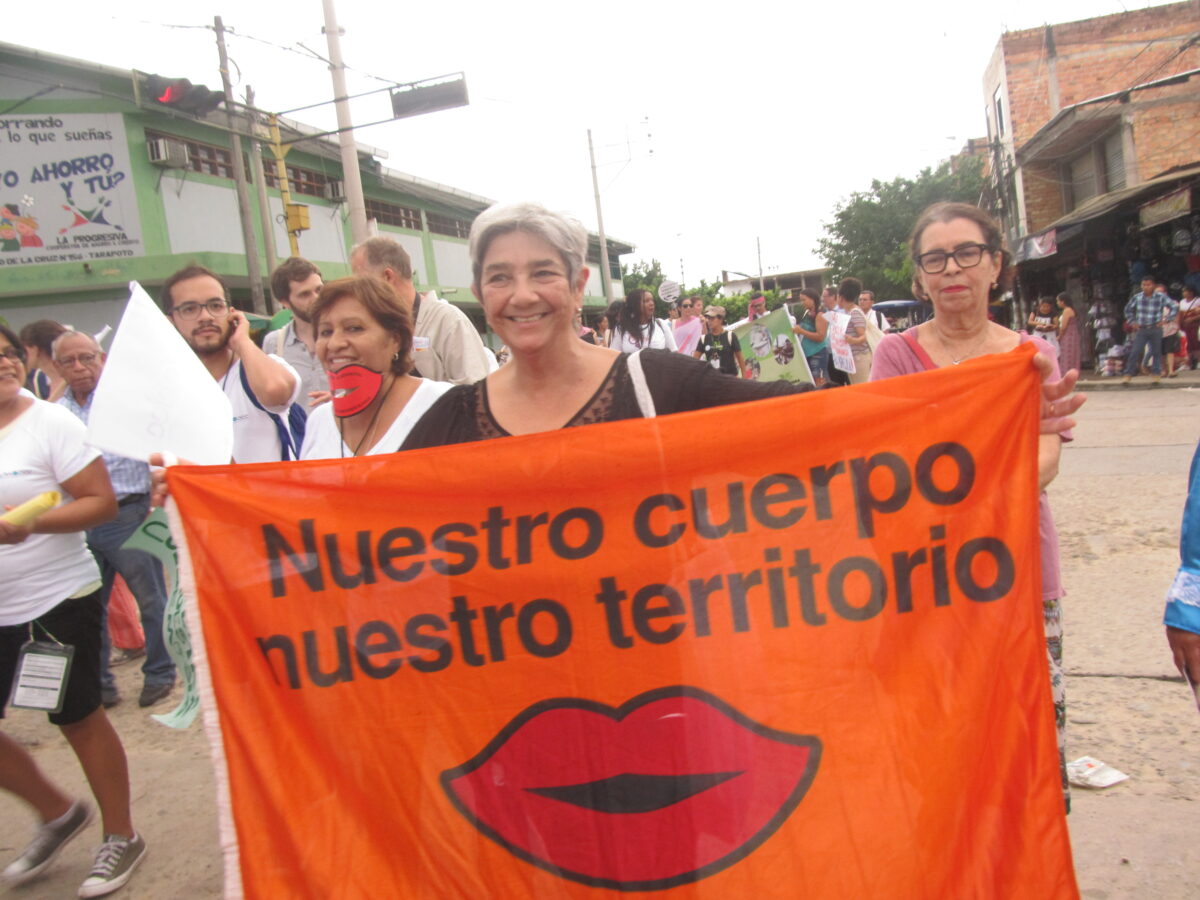
Uruguayan ecofeminist Lilian Celiberti carries a banner reading "Our body, our territory" in the streets of Tarapoto, a city in the central Peruvian jungle, during an edition of the Pan-Amazon Social Forum. CREDIT: Mariela Jara/IPS

Uruguayan ecofeminist Lilian Celiberti carries a banner reading “Our body, our territory” in the streets of Tarapoto, a city in the central Peruvian jungle, during an edition of the Pan-Amazon Social Forum. CREDIT: Mariela Jara/IPS

Changing times: another kind of coexistence with nature and equality

Lilian Celiberti, Uruguayan ecofeminist and founder of the non-governmental Cotidiano Mujer and Colectivo Dafnias, told IPS from Montevideo that governments have the tools to work on gender equality today in order to have a sustainable future tomorrow, as this year’s Mar. 8 slogan states.

But against this, she said, there are economic interests at play that maintain a development proposal based on growth and extreme exploitation of nature.

She called for boosting local economies and agroecology among other community alternatives in the Latin American region that run counter to the dominant government approach.

“But I believe that we are at a very complex crossroads and that only social participation will be able to find paths of multiple, diverse participation and collective sustainability that incorporate care policies and awareness of the eco-dependence of human society,” she said.

Celiberti said “we are on a planet of finite resources and we have to generate a new relationship with nature, but I see that governments are far from this kind of thinking.”

ECLAC’s Güezmes emphasized that social movements, especially those led by young indigenous and non-indigenous women in the region, have exposed the multiple asymmetries and inequalities that exist.

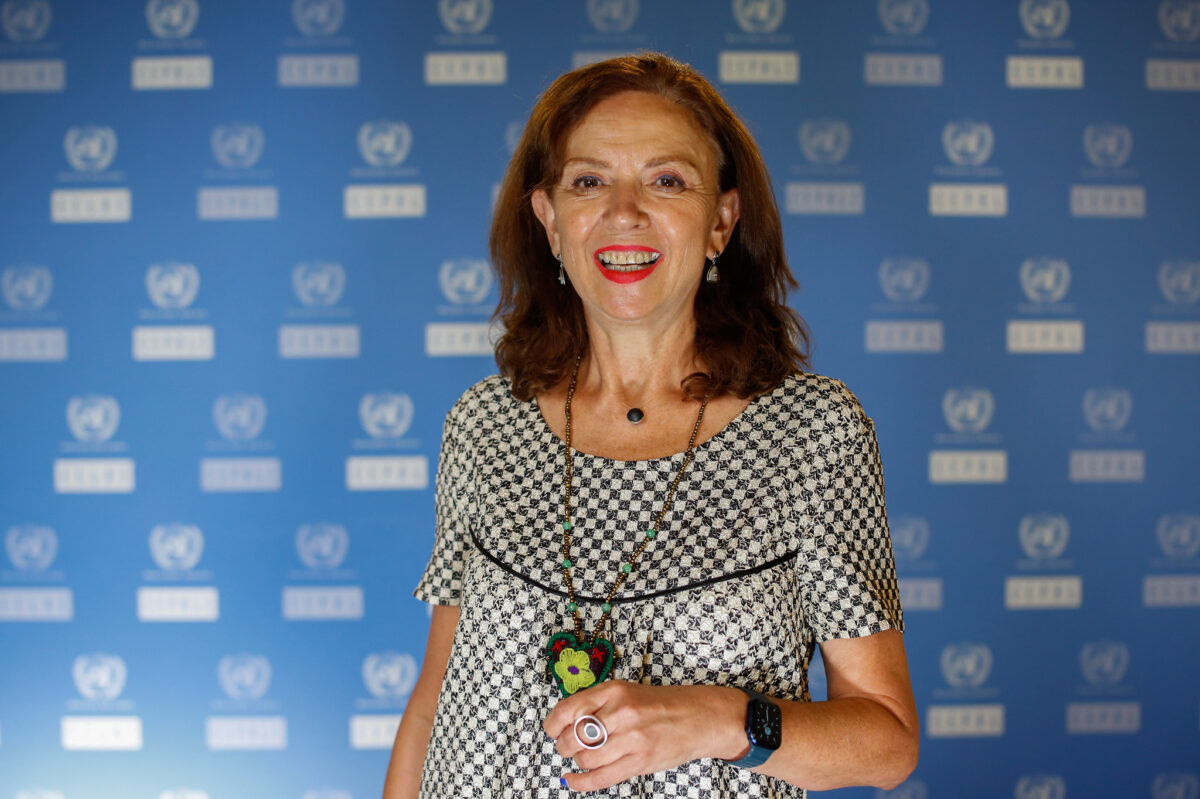
Ana Güezmes is director of the Gender Division of the Economic Commission for Latin America and the Caribbean. CREDIT: ECLAC

Ana Güezmes is director of the Gender Division of the Economic Commission for Latin America and the Caribbean. CREDIT: ECLAC

“We have an intergenerational debt, where young women have put at the center of the debate the unsustainability of the current development style that has direct impacts on our future at a global level and direct impacts on their livelihoods, territories and communities,” said Güezmes, who is from Spain and has worked for years within the United Nations in several Latin American countries.

She recognized the contribution of feminist movements that focus on a redistribution of power, resources and time to move towards an egalitarian model that includes the reduction of violence.

And she warned that from a climate perspective, the window of opportunity for action is closing, so we must act quickly, creating synergies between gender equality and climate change responses.

Güezmes said that “we are looking at a change of era” with global challenges that require a profound transformation that recognizes how the economy, society and the environment are interrelated. “To leave no one behind and no woman out, we must advance synergistically among these three dimensions of development: economic, social and environmental,” she remarked.

The expert cited gender equality as a central element of sustainable development because women need to be at the center of the responses. To this end, ECLAC plans to promote affirmative actions that bolster comprehensive care systems, decent work and the full and effective participation of women in strategic sectors of the economy.

She also raised the need to build “a renewed global pact” to strengthen multilateralism and achieve greater solidarity with middle-income countries on issues central to inclusive growth, sustainable development and gender equality.

“We have reiterated the urgent need to advance new political, social and fiscal pacts focused on structural change for equality,” Güezmes stressed.

She stated that in this perspective, the participation of women in all their diversity in decision-making processes is very important, particularly with regard to climate change.

To this end, she remarked, it is necessary to monitor their degree of intervention at the local, national and international levels – where asymmetry persists – and to provide women’s organizations, especially grassroots ones, with the necessary resources to become involved in such spaces.

“It involves strengthening financial flows so that they reach women who are at the forefront of responses to climate change and who are familiar with the situation in their communities, and boosting their capacities so that women from indigenous, native and Afro-descendant peoples participate in decision-making spaces related to the environment to promote the exchange of their ancestral knowledge on adaptation and mitigation measures,” she said.

Güezmes highlighted the contribution of women environmental activists and defenders to democracy, peace and sustainable development. It is necessary to “recognize their contribution to the protection of biodiversity and to development, despite doing so in conditions of fragility and exploitation and having less access to land, productive resources and their control,” she said.

For her part, Roca, who like other local women in the Peruvian Andes highlands practices agroecology to adapt to climate change and reconcile with Pachamama, calls for their voices to be heard.

“We have ideas and proposals and they need to be taken into account to improve the climate and our lives,” the indigenous farmer said.

  Source

Rural Women in Peru Seed Water Today to Harvest It Tomorrow

Active Citizens, Civil Society, Climate Action, Climate Change, Combating Desertification and Drought, Development & Aid, Editors’ Choice, Environment, Featured, Food and Agriculture, Gender, Headlines, Integration and Development Brazilian-style, Latin America & the Caribbean, Population, Poverty & SDGs, Projects, Regional Categories, Water & Sanitation, Women & Climate Change

Water & Sanitation

Women and men from the rural community of Sachac, at more than 3500 meters above sea level, build a kilometer-long infiltration ditch to capture rainwater and use it to irrigate crops in Cuzco, in Peru’s Andes highlands. CREDIT: Janet Nina/IPS

Women and men from the rural community of Sachac, at more than 3500 meters above sea level, build a kilometer-long infiltration ditch to capture rainwater and use it to irrigate crops in Cuzco, in Peru’s Andes highlands. CREDIT: Janet Nina/IPS

CUZCO, Peru , Dec 22 2021 (IPS) – “When I was a little girl we didn’t suffer from water shortages like we do now. Today we are experiencing more droughts, our water sources are drying up and we cannot sit idly by,” Kely Quispe, a small farmer from the community of Huasao, located half an hour from Cuzco, the capital of Peru’s ancient Inca empire, told IPS.


She is one of the 80 members of the Agroecological School of the Flora Tristan Peruvian Women’s Center, a non-governmental institution that has worked for the recovery of water sources through traditional techniques known as seeding and harvesting water in this part of the southern Andean region of Cuzco.

Muñapata, Huasao and Sachac are the three rural Quechua-speaking communities in the province of Quispicanchi, located between 3150 and 3800 meters above sea level, that have so far benefited from the project. The feminist-oriented institution promotes solutions based on nature and community work to address the problem of water scarcity and inadequate water use practices.

“We want to boost water security as well as gender equality because they are two sides of the same coin,” Elena Villanueva told IPS. On Dec. 14 she presented in this city the results of the initiative whose first phase was carried out in 2020 and 2021, with the support of the Basque Development Cooperation Agency and Mugen Gainetik, an international association for cooperation with countries of the developing South also based in Spain’s northern Basque region.

According to the National Water Authority (ANA), Peru is the eighth country in the world in terms of water availability, with a rich hydrodiversity of glaciers, rivers, lakes, lagoons and aquifers. However, various factors such as inefficient management of water and uneven territorial distribution of the population, in addition to climate change, make it impossible to meet consumption demands.

“The lack of water severely affects families in rural areas because they depend on small-scale agriculture for their livelihoods. The melting of glaciers as well as the increase in the frequency and intensity of droughts due to climate change are reducing water availability,” Villanueva explained.

This impact, she said, is not neutral. Because of the gender discrimination and social disadvantages they face, it is rural women who bear the brunt, as their already heavy workload is increased, their health is undermined, and their participation in training and decision-making spaces is further limited.

Kely Quispe, a farmer trained at the Flora Tristán Center's Agroecological School, holds a tomato in her organic garden in the farming community of Huasao. Her vegetable production depends on access to water for irrigation, but climate change has made water more scarce in the Andes highlands region of Cuzco in southern Peru. CREDIT: Janet Nina/IPS

Kely Quispe, a farmer trained at the Flora Tristán Center’s Agroecological School, holds a tomato in her organic garden in the farming community of Huasao. Her vegetable production depends on access to water for irrigation, but climate change has made water more scarce in the Andes highlands region of Cuzco in southern Peru. CREDIT: Janet Nina/IPS

“Moreover, although they are the ones who use water to ensure food, hygiene and health, and to irrigate their crops, they are not part of the decision-making with regard to its management and distribution,” she stressed.

The expert said that precisely in response to demand by the women farmers at the Agroecological School, where they receive technical and rights training, they are focusing on reviving water harvesting techniques used in ancient Peru, while promoting the equal participation of women in rural communities in the process.

She said that approximately 700 families living in poverty, some 3,500 people – about 11 percent of the population of the three communities – will benefit from the works being carried out.

Harvesting water

So far, these works are focused on the afforestation of 15 hectares and the construction of six “cochas” – the name for small earthen ponds, in the Quechua language – and an infiltration ditch, as part of a plan that will be expanded with other initiatives over the next two years.

The ditch, which is one kilometer long in 10-meter stretches, 60 centimeters deep and 40 centimeters wide and is located in the upper part of the community, collects rainwater instead of letting it run down the slopes.

The technique allows water to infiltrate slowly in order to feed natural springs, high altitude wetlands or small native prairies, as well as the cochas.

The mayor of the rural community of Sachac, Eugenio Turpo Quispe (right), poses with other leaders of the village of 200 families who will benefit from the forestation works and the construction of small reservoirs and infiltration ditches that will increase the flow of water in this highlands area that is suffering from prolonged droughts due to climate change. CREDIT: Mariela Jara/IPS

The mayor of the rural community of Sachac, Eugenio Turpo Quispe (right), poses with other leaders of the village of 200 families who will benefit from the forestation works and the construction of small reservoirs and infiltration ditches that will increase the flow of water in this highlands area that is suffering from prolonged droughts due to climate change. CREDIT: Mariela Jara/IPS

In their communal work, villagers use local materials and greenhouse thermal blankets to help retain water. In addition, they have used extracted soil to raise the height of the ditch, to keep rainwater from running over the top.

Although the ditch has been receiving rainwater this month (the rainy season begins in November-December), the ecosystem impact is expected to be more visible in about three years when the cocha ponds have year-round water availability, helping villagers avoid the shortages of the May-October dry season.

Several community members explained to IPS that they will now be able to harvest water from the ditch while at the same time caring for the soil, because heavy rain washes it away and leaves it without nutrients. Some 150 agricultural plots will also benefit from a sprinkler irrigation system, thanks to the project.

Since agriculture is the main livelihood of the families and this activity depends on rainwater, the main impact will be the availability of water during the increasingly prolonged dry periods to irrigate their crops, ensure harvests and avoid hunger, for both villagers and their livestock.

Eucalyptus and pine, huge consumers of water

The mayor of the Sachac community, Eugenio Turpo Quispe, told IPS that this is the first time that water seeding and harvesting practices have been carried out in his area. “We had not had the opportunity before; these works have begun thanks to the women who proposed forestation and the construction of cochas and ditches,” he said.

The local leader lamented that due to misinformation, two decades ago they planted pine and eucalyptus in the highlands of his community. “They have dried up our water sources, and when it rains the water disappears, it does not infiltrate. Now we know that out of ten liters of rain that falls on the ground, eight are absorbed by the eucalyptus and only two return to the earth,” he explained during the day that IPS spent in the community.

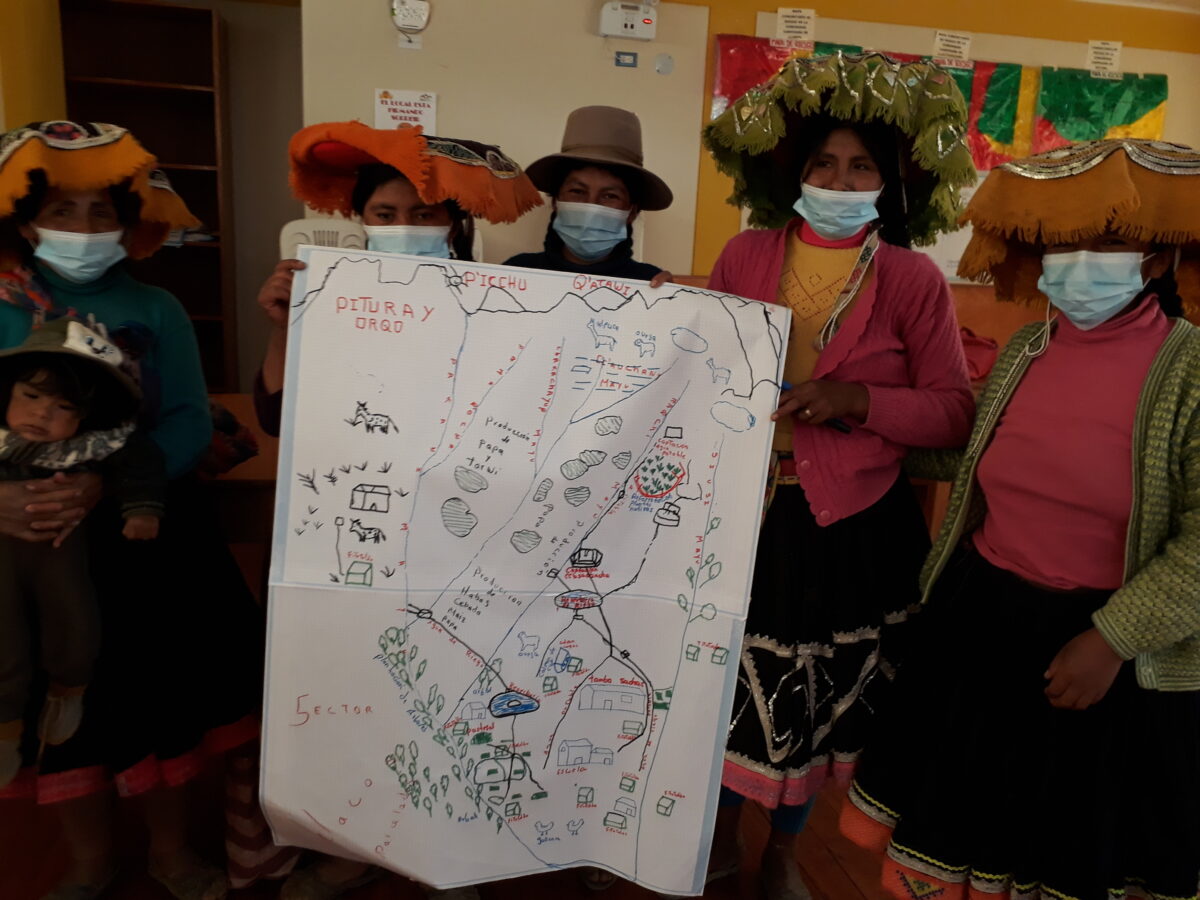
Women farmers from the rural community of Sachac show the map of water sources in their area and the uses for irrigation of their crops, for human consumption and household needs, as well as watering their animals, which they cannot satisfy throughout the year due to the increasingly long and severe dry season. CREDIT: Mariela Jara/IPS

Women farmers from the rural community of Sachac show the map of water sources in their area and the uses for irrigation of their crops, for human consumption and household needs, as well as watering their animals, which they cannot satisfy throughout the year due to the increasingly long and severe dry season. CREDIT: Mariela Jara/IPS

Turpo Quispe said they had seen forestation and construction of cochas and ditches in other communities, but did not know how to replicate them, and that only through the Flora Tristán Center’s project have they been able to implement these solutions to tackle the serious problem of shrinking water sources.

In Sachac, the three techniques have been adopted with the participation of women and men in communal work that began at six in the morning and ended at four in the afternoon. “Side by side we have been planting native plants, digging ditches and hauling stones for the cochas,” the mayor said proudly.

In this community, 9,000 seedlings of queuñas (Polylepis) and chachacomos (Escallonia Resinosas) – tree species that were used in the times of the ancient Inca empire – were planted. “These trees consume only two liters of rainwater and give eight back to Pachamama (Mother Earth),” Turpo Quispe said. As part of the project, the community has built fences to protect crops and has relocated grazing areas for their animals.

“We have planted seedlings and in 10 or 15 years our children and grandchildren will see all our hills green and with living springs so that they do not suffer a lack of water,” the mayor said.

Kely Quispe from the community of Huasao is equally upbeat: “With water we can irrigate our potatoes, corn and vegetables; increase our production to have enough to sell and have extra money; take care of our health and that of the whole family, and prevent the spread of covid.”

“But just as we use water for life, it is also up to us to participate on an equal footing with men in irrigation committees and community councils to decide how it is distributed, conserved and managed,” she added.

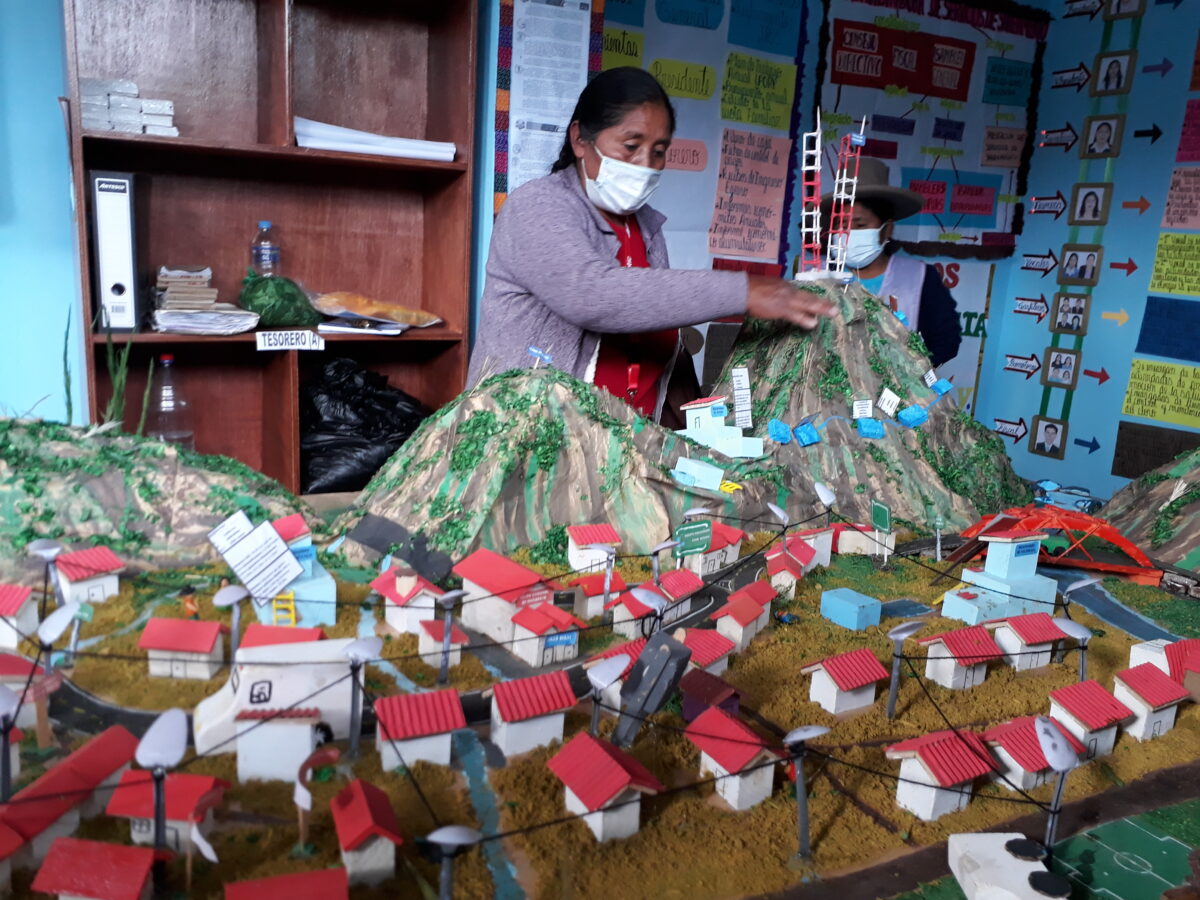
A model shows the water sources in the rural community of Muñapata in the Cuzco region, in Peru’s southern highlands. It was made by local women and men who built a system based on ancestral techniques for the collection and management of water, as increasing drought threatens their lives and crops. CREDIT: Mariela Jara/IPS

A model shows the water sources in the rural community of Muñapata in the Cuzco region, in Peru’s southern highlands. It was made by local women and men who built a system based on ancestral techniques for the collection and management of water, as increasing drought threatens their lives and crops. CREDIT: Mariela Jara/IPS

The decade of water security

Villanueva of the Flora Tristán Center said it was important for the country’s local and regional authorities to commit to guaranteeing water security in rural areas within the framework of the Sustainable Development Goals (SDGs).

The International Decade for Action: Water for Sustainable Development was declared for 2018-2028 by the United Nations and SDG6 is dedicated to water and sanitation, to ensure universal and equitable access for all, protect and restore water-related ecosystems, and support the participation of local communities in improving management and sanitation.

“At the national level, public policies aimed at seeding and harvesting water should be strengthened because they revive the communities’ ancestral knowledge, involving sustainable practices with low environmental impact that contribute to guaranteeing the food security of families,” she said.

However, Villanueva remarked, in order to achieve their objectives, these measures must not only promote equal participation of men and women, but must also be accompanied by actions to close the gender gap in education, access to resources, training and violence that hinder the participation and development of rural women.

  Source

Homeless Camps, a Reflection of Growing Inequality in Chile

Active Citizens, Civil Society, Development & Aid, Editors’ Choice, Featured, Headlines, Human Rights, Latin America & the Caribbean, Population, Poverty & SDGs, Regional Categories

Development & Aid

On Cerro 18, above the affluent municipality of Lo Barnechea, in the coveted eastern sector of Santiago de Chile with a stunning view of the valley and the Andes Mountains, 300 families live in five camps or irregular settlements, many without water, electricity or sewage. CREDIT: Orlando Milesi/IPS

SANTIAGO, Dec 10 2021 (IPS) – Camps made up of thousands of tents and shacks have mushroomed in Chile due to the failure of housing policies and official subsidies for the sector, aggravated by the rise in poverty, the covid-19 pandemic and the massive influx of immigrants.


“Three years ago we were about to be evicted and when my children would head off to school they never knew if our little house would be there when they got home. One morning we were going to school and the carabineros (militarized police) were coming. Many times I had to go home early from work. It was chaotic, difficult and distressing,” Melanni Salas told IPS during a visit to the site.

Salas, 33, presides over Senda 23, one of the five camps that bring together 300 families who occupied public land in Cerro 18, in the municipality of Lo Barnechea, on the east side of Santiago. They have been building shacks with wood and other materials within their reach, which they are gradually trying to improve.

The threat of eviction ceased at the start of the covid pandemic, but the shadow still hangs over their heads because the municipality “built us a septic tank and gave us gifts for Christmas, but has said nothing about housing,” she said.

The community activist previously lived for 19 years as an “allegada”, the name given in Chile to people or families who share a house with relatives or friends, in overcrowded conditions. In 2016 she occupied the land where she and her husband Jorge built the precarious dwelling where she now lives with her three children aged 15, 13 and five years old.

“This used to be a garbage dump and now it is clean and there are houses,” said Salas. “Mine gets a little wet inside when it rains because it is made of wood and because of the strong wind. But I have drinking water, electricity and sewerage thanks to my mother-in-law who lives further up. The neighboring family has neither water nor sewage. They are a couple with three children and one of them, Colomba, was born a week ago.”

She explains that her neighbors “use the bathroom at their brother’s place who lives nearby, but during the pregnancy she went back to her mother’s house.”

In the camps people cook, wash, sleep and live together, observed by passers-by who have become accustomed to this new urban landscape. CREDIT: Orlando Milesi/IPS

In the camps people cook, wash, sleep and live together, observed by passers-by who have become accustomed to this new urban landscape. CREDIT: Orlando Milesi/IPS

Hundreds of homeless tents now line the main avenues of Santiago de Chile.

Explosive situation

“Every day more than 10 families come to live in an encampment in Chile,” says Fundación Techo Chile, a social organization dedicated to fighting against housing exclusion in the cities of this South American country.

The problem is also seen along the avenues and in the parks where hundreds of men and women set up tents to sleep, cook, wash and live together in full view of passers-by who have become accustomed to the scene.

In the last two years, the number of families living in 969 of these camps with almost no access to water, energy and sanitation services has increased to 81,643, a survey by the Fundación Techo Chile found.

In Chile, the term “campamentos” or camps has also come to refer to slums or shantytowns known traditionally as “callampas”, such as the one where Salas lives, which are built on occupied land and consist of houses made of light materials, although the neighborhoods are sometimes later improved and upgraded, but still lack basic services.

These slums are mainly in Santiago and Valparaíso, 120 kilometers north of the capital, in central Chile. But they are also found in the northern cities of Arica and Parinacota and the southern city of Araucanía.

They are home to 57,384 children under the age of 14 and some 25,000 immigrants, mostly Colombians, Venezuelans and Haitians. “Today, families live there who six months or two years ago were ‘allegados’ living in overcrowded, informal, precarious or abusive conditions. That is what is understood as a housing deficit,” Fundación Techo Chile’s executive director, Sebastián Bowen, told IPS.

“The 81,000 families living in camps are the most visible part of the problem, but the housing deficit, covering all the families who do not have access to decent housing, exceeds 600,000,” he said.

The State provides some 20,000 social housing solutions each year, a figure that is highly insufficient to meet the current need.

According to Bowen, “if we want to solve the problem of the camps, we must structurally change our housing policy to guarantee access to decent housing, especially for the most vulnerable families.”

This explosion coincided with the social protests that began in October 2019 and with the arrival of coronavirus in the country in March 2020.

According to the National Socioeconomic Characterization Survey (Casen), 10.8 percent of Chileans currently live in poverty, which means more than two million people, although social organizations say the real proportion is much higher.

Chile, with a population of 19 million people, is considered one of the most unequal countries in the world, as reflected by the fact that the 10 percent of households with the highest incomes earn 251.3 times more than the 10 percent with the lowest income.

View of some of the houses in Cerro 18, a shantytown where 300 families live, most of them without even the most basic services. In what used to be a garbage dump, on the hillside of one of the wealthy neighborhoods of the Chilean capital, they have built their houses using scrap wood and waste materials. CREDIT: Orlando Milesi/IPS

View of some of the houses in Cerro 18, a shantytown where 300 families live, most of them without even the most basic services. In what used to be a garbage dump, on the hillside of one of the wealthy neighborhoods of the Chilean capital, they have built their houses using scrap wood and waste materials. CREDIT: Orlando Milesi/IPS

The new constitution holds out hope

Benito Baranda, founder of the Fundación Techo, an organization that now operates in several Latin American countries, believes that the housing policy failed because it focuses on “market-based eradication, forming housing ghettos on land where people continue to live in a segregated manner.”

This policy is also based on a structure of subsidies “born during the dictatorship and which has remained in place because housing is not a right recognized in the constitution,” Baranda, now a member of the Constitutional Convention that is drafting a new constitution, which will finally replace the one inherited from the 1973-1990 military dictatorship of General Augusto Pinochet, told IPS.

“The decision of where people are going to live was handed over to the market. Not only the construction of housing. And the land began to run out and the available and cheap places were in the ghettos,” he explained.

Baranda criticized the policy of “eradication”, “which created ghettos and generated much greater harm for people,” referring to the forced expulsions of slumdwellers and their relocation to social housing built on the outskirts of the cities, a policy initiated during the Pinochet dictatorship and which crystallized social segregation in the capital.

According to Baranda, “in the last four governments there has been the least construction of housing for the poorest families.”

Baranda was elected to the constituent assembly in a special election in May and proposes “to generate a mechanism that will progressively reduce the waiting times for housing, which today can stretch out to 20 years.”

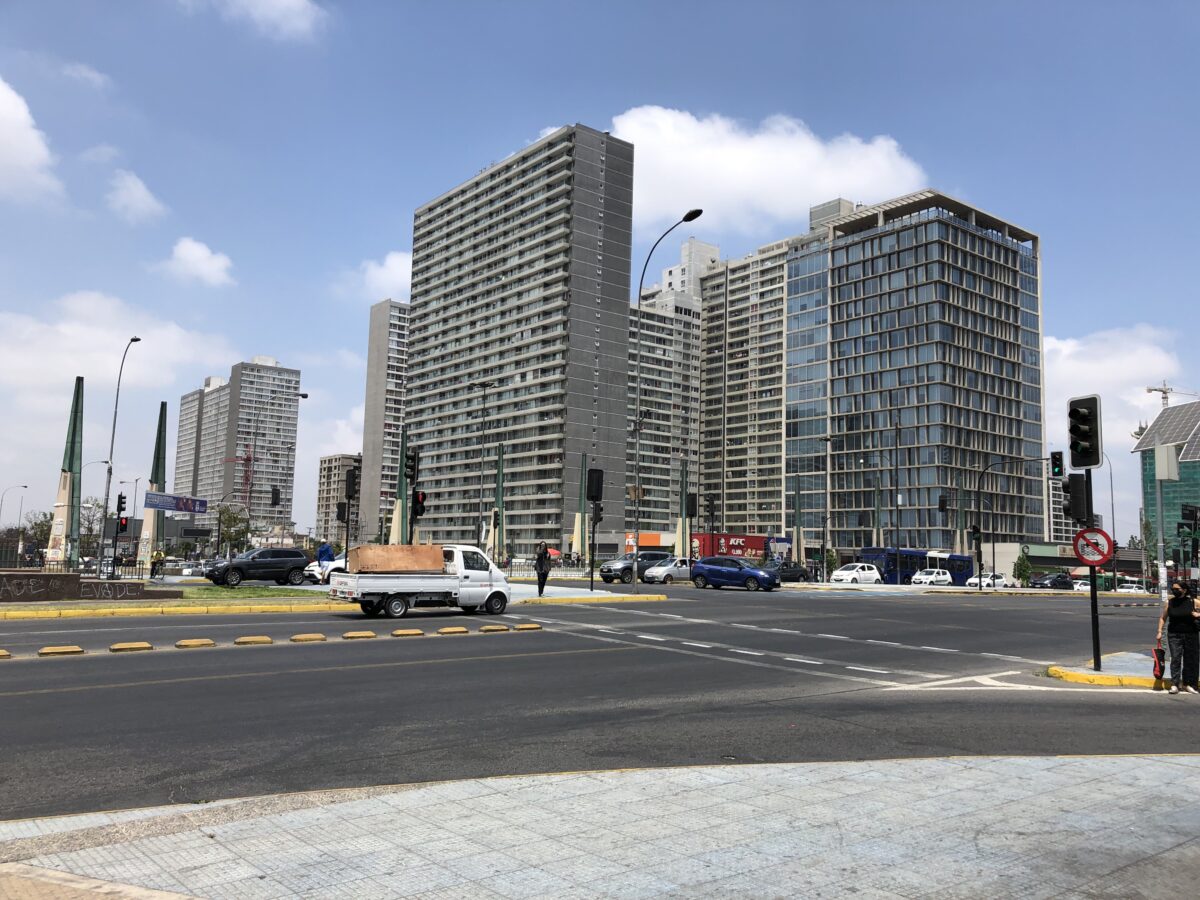
Twenty-story buildings, where each floor has 50 17-square-meter apartments, are called "vertical ghettos" and are inhabited mainly by immigrants. These ones are located in the Estación Central neighborhood, along Alameda Avenue that crosses Santiago de Chile. CREDIT: Orlando Milesi/IPS

Twenty-story buildings, where each floor has 50 17-square-meter apartments, are called “vertical ghettos” and are inhabited mainly by immigrants. These ones are located in the Estación Central neighborhood, along Alameda Avenue that crosses Santiago de Chile. CREDIT: Orlando Milesi/IPS

Privatization of social housing

Isabel Serra, an academic at the Diego Portales University Faculty of Architecture, believes that “the housing issue in Chile will be solved in some way through family networks…There is a lot of overcrowding here and small families are becoming the norm,” she told IPS.

According to Serra, the mushrooming of camps “clearly has to do with the influx of immigrants and this has grown especially in cities that are also functional or productive or extractivist hubs.”

She criticized the subsidy policy because these “are transferred to the private sector and what they do is drive up housing prices… and most of them are not used because they are not in line with the price of land and housing.”

“A highly financialized private market has made housing a tool for economic speculation…investors have decided to put their funds into the real estate market,” she said.

The problem has already reached the 155-member Constitutional Convention, which has been functioning since Jul. 4 and has a 12-month deadline to draft the new constitution, which must then be ratified in a plebiscite.

In September Melanni Salas and representatives of eight organizations met with Elisa Loncón, president of the Convention, to present her with the book “Constitution and Poverty”, which includes proposals to guarantee the right to housing.

“I hope they include this in the new constitution. The proposals were made by 25,000 excluded people…this document seeks to ensure that we are not left on the sidelines as always,” the community organizer explained.

A human right

Baranda said “in the constituent assembly we are working to get this enshrined as a right and to get the State to assume a leading role, not in the construction of housing itself, but in determining where people are going to live and creating the land bank that people have been demanding for so long.”

“We need the policies, by making land available and expropriating property that is not owned by the State, to create housing projects in places where there is social inclusion,” he stressed.

Serra agreed that “when the issue of housing is discussed in the constituent assembly, it will have to look at how the State buys and sells land.

“Housing is a basic human right and should be enshrined in the constitution, with all the parameters that are established for decent housing,” she argued.

Serra also called for “modernizing the instruments and the institutional framework dedicated to the provision of housing” because, she said, “currently the role of housing provision is clearly played by the market.”

She said it would require “a great deal of political will because land issues in general are political issues, very difficult to implement because there are many economic interests involved.”

Celia “Charito” Durán lives in the Mesana camp on Mariposas hill in the port city of Valparaíso, along with 165 other families, and counting.

The municipality delivers 3,000 liters of water per week to each house, using tanker trucks.

Durán said, however, that the priority is access “because if there is no road, we are cut off from everything: firefighters, water, ambulances.”

In Mesana there is no sewage system, only “cesspools, septic toilets and pipes through which people dump everything into the creek,” she told IPS by telephone.

On the hilltop the wind is very strong and every winter roofs are blown off and houses leak when it rains.

Durán, 56, has lived there since she was 37. She is confident that a solution to the social housing deficit will come out of the constituent assembly, after participating in meetings with Jaime Bassa, vice-president of the Constitutional Convention.

“We have the hope and expectation that the right to housing will be included. So, if tomorrow it is not fulfilled, you could go to the authorities with the right to protest about it,” she said.

“We want to be part of the city and not be segregated and forced to return to the camps,” Durán said.

  Source

No Vaccine for the Pandemic of Violence Against Women in Latin America

Active Citizens, Civil Society, Editors’ Choice, Featured, Gender, Gender Violence, Headlines, Human Rights, Indigenous Rights, Latin America & the Caribbean, Regional Categories

Gender Violence

This article is part of IPS coverage of the International Day for the Elimination of Violence against Women on Nov. 25, which kicks off 16 days of activism on the issue around the world.

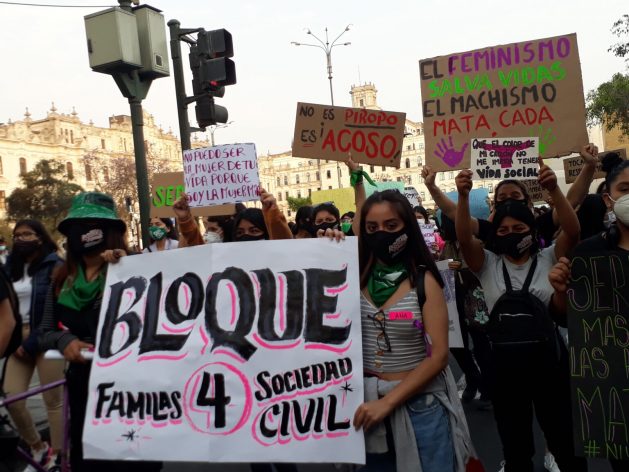
Despite restrictions due to covid, women from various feminist, youth and civil society groups gathered in the central Plaza San Martin in Lima and marched several blocks demanding justice and protesting impunity for violence against women, on Nov. 25, 2020. CREDIT: Mariela Jara/IPS

Despite restrictions due to covid, women from various feminist, youth and civil society groups gathered in the central Plaza San Martin in Lima and marched several blocks demanding justice and protesting impunity for violence against women, on Nov. 25, 2020. CREDIT: Mariela Jara/IPS

LIMA, Nov 24 2021 (IPS) – Despite significant legal advances in Latin American countries to address gender-based violence, it continues to be a serious challenge, especially in a context of social crisis aggravated by the covid-19 pandemic, which hits women especially hard.


“Existing laws and regulations have not stopped the violence, including femicide (gender-based murders). There is a kind of paralysis at the Latin American level, on the part of the State and society, where we don’t want to take much notice of what is happening, and women are blamed,” said María Pessina Itriago, a professor and researcher and the director of the Gender Observatory at UTE University in Quito.

Pessina, a Venezuelan who lives in the Ecuadorian capital and spoke to IPS by telephone from the university, said violence against women is ageold, and “we are still considered second-class citizens who are not recognized as social subjects.” And this dates way back – to the slaughter of “witches” in Europe in the Middle Ages, for example, she added.

“It hasn’t been easy to achieve my independence, have my own income and raise my children. I have suffered humiliation and slander, but I knew who I was and what I wanted: to live in peace and have a home without violence.” — Teresa Farfán

“The genocide of women is something that has not stopped and now in the context of the pandemic has become more serious. I believe that, in reality, the pandemic that we have experienced for many years is precisely this, that of gender violence,” she remarked.

Her reflection came ahead of the International Day for the Elimination of Violence against Women, which is celebrated on Thursday, Nov. 25 and kicks off 16 days of activism up until Dec. 10, World Human Rights Day.

The World Health Organization (WHO) and U.N. Women warned in March that globally one in three women suffers gender-based violence. And that the problem, far from diminishing, had grown during the covid pandemic and the restrictions and lockdowns put in place to curb it.

The study “Global and regional estimates of violence against women: prevalence and health effects of intimate partner violence and non-partner sexual violence”, which analyzed data from 2000 to 2018, is the most far-reaching produced by WHO on the topic.

The report, published in March of this year, stresses that violence against women is “pervasive and devastating” and affects one in three women with varying degrees of severity.

For Latin America and the Caribbean, the study puts the prevalence rate of violence among women aged 15 to 49 at 25 percent.

María Pessina Itriago is a professor, researcher and director of the Gender Observatory at UTE University in Quito. CREDIT: Courtesy of María Pessina

María Pessina Itriago is a professor, researcher and director of the Gender Observatory at UTE University in Quito. CREDIT: Courtesy of María Pessina

A regional epidemic during the global pandemic

With respect to femicides, the Gender Equality Observatory of the Economic Commission for Latin America and the Caribbean (ECLAC) reports that 4640 women died from this cause in 2019. The organization also called attention to the intensification of violence against girls and women during the pandemic.

The panorama is compounded by the gendered impacts of the pandemic on employment, which reduces women’s economic autonomy and makes them more vulnerable to violence.

According to the International Labor Organization (ILO), the region of the Americas experienced the largest reduction in female employment during covid, a situation that will not be reversed in 2021.

Peruvian sociologist Cecilia Olea, of the non-governmental Articulación Feminista Marcosur (AFM), which is made up of 17 organizations from 11 countries – nine South American nations, Mexico and the Dominican Republic – said there have been significant advances in the last 30 years in the fight against gender violence.

Among them, she cited the fact that States recognize their responsibility for the problem and no longer consider it a private matter.

She also pointed out that Latin America is the only region in the world with a specific human rights treaty on the issue: the Inter-American Convention on the Prevention, Punishment and Eradication of Violence against Women, known as the Convention of Belem do Para after the Brazilian city where it was approved in 1994, which established women’s right to live free of violence and set the framework for national laws to address this violation of women’s rights.

However, Olea said in an interview with IPS in Lima that the legal and regulatory framework has not been accompanied by political strategies to change the social imaginary of masculinity and femininity, which would provide incentives to modify the culture of inequality between men and women; on the contrary, she said, the violence forms part of a culture of impunity.

“Males feel free to oppress and governments are failing in their responsibility to guarantee comprehensive sex education throughout the educational system, in primary school and technical and higher education; this program exists by law but implementation is deficient due to lack of training for teachers and the opportunity to train people in new forms of masculinity is lost, for example,” she remarked.

Olea, a feminist activist and one of the founders of the AFM, said that not only do governments have a responsibility to prevent, address and eradicate gender violence, but there is also an urgent need to ensure health services; justice with due diligence, as the current delays revictimize and inhibit the use of regulatory instruments; and budgets to correct the current shortfall that prevents a better response to this social problem.

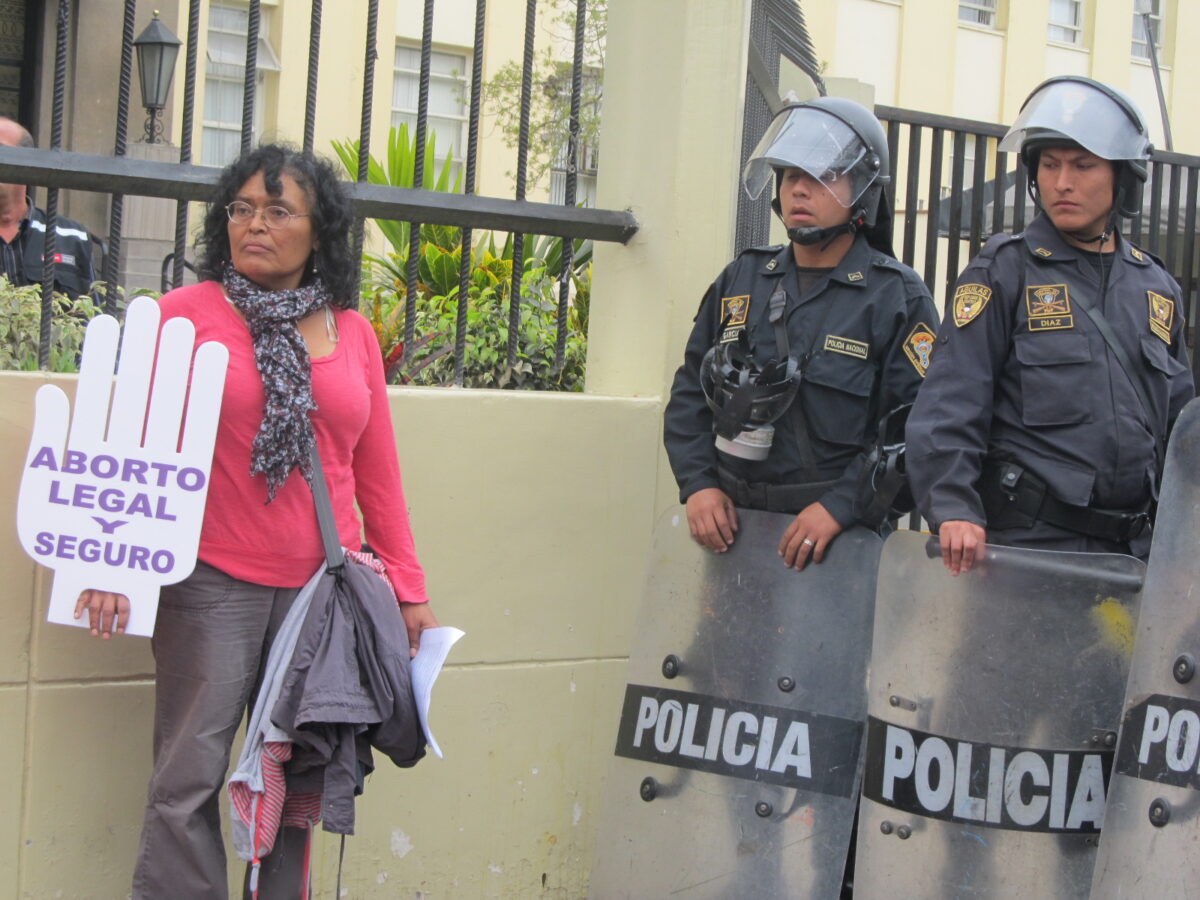
Peruvian sociologist Cecilia Olea, a member of the Articulación Feminista Marcosur (AFM), which brings together feminist networks from 11 Latin American countries, takes part in a demonstration outside the Peruvian Health Ministry in Lima, demanding reproductive rights. CREDIT: Mariela Jara/IPS

Peruvian sociologist Cecilia Olea, a member of the Articulación Feminista Marcosur (AFM), which brings together feminist networks from 11 Latin American countries, takes part in a demonstration outside the Peruvian Health Ministry in Lima, demanding reproductive rights. CREDIT: Mariela Jara/IPS

Cultural change in the new generations

Raised in a machista home, Pessina rebelled against gender norms from an early age and her constant questioning led her to come up with a new definition of how a good person should act.

“I believe that good people do not tolerate injustice or inequality of any kind, which is why I became a feminist about 15 years ago and I am very happy to be able to contribute a grain of sand with my students,” she said.

Pessina said the challenges to progress in the eradication of violence against women are to provide public policies with a budget to make them work; and to achieve an alliance between the State, civil society organizations and feminist movements to create a road map that incorporates excluded voices, such as those of indigenous women.

“The places where they can file reports are not near their towns, they have to go to other towns and when they get there they often cannot communicate in their own language because of the colonialist view that everything must be in Spanish, and there are no interpreters,” she complained.

Another part of the problem, she said, is that “the State itself blocks complaints and keeps these people marginalized, and they are not taken into account in the countries’ statistics on violence.”

The third challenge was to work with the media in Latin America because of their role in the construction of imaginaries, in order to generate the figure of the ombudsperson focused on gender to ensure that information is treated in a way that contributes to equality and does not reproduce discriminatory stereotypes.

Pessina said that what is needed is a cultural transformation driven by the new generations, in favor of gender equality.

“We see more young feminist women activists mobilizing to make it happen and they will make a turnaround; not now, but maybe in a decade we will be talking about other things. These new generations not only of women but of men, I think they are our hope for change,” she said.

Quechua Indian woman Teresa Farfán, in the foreground, stands with two other rural women with whom she shares work and experiences in her Andes highlands community in Peru. She is convinced that telling her personal story of gender-based violence can help other women in this situation to see that it is possible to escape from abuse. CREDIT: Courtesy of Teresa Farfán

Quechua Indian woman Teresa Farfán, in the foreground, stands with two other rural women with whom she shares work and experiences in her Andes highlands community in Peru. She is convinced that telling her personal story of gender-based violence can help other women in this situation to see that it is possible to escape from abuse. CREDIT: Courtesy of Teresa Farfán

“I wanted a home without violence”

Teresa Farfán reflects the lives of many Latin American women who are victims of machista violence, but with a difference: she left behind the circle of gender violence that so often takes place in the home itself.

She is 35 years old and describes herself as a peasant farmer, a single mother and a survivor of an attempted femicide. She was born and lives in the town of Lucre, an hour and a half drive from the city of Cuzco, the capital of ancient Peru, in the center of the country.

Like most of the local population, she is dedicated to family farming.

Nine years ago she separated from the father of her children who, she says, did not let her move forward.

“He wanted me just to take care of the cows, but I wanted to learn, to get training, and that made him angry. He even beat me and it was horrible, and at the police station they ignored my complaint. He kicked me out of the house and thought that out of fear I would come back, but I took my children and left,” she told IPS during a day of sharing with women in her community.

At her moment of need she didn’t receive the support of her family, who urged her to return, “because a woman must do what her husband says.”

But she did have supportive friends who gave her a hand, both inside and outside her community, as part of a sisterhood of Quechua indigenous peasant women like her in the Peruvian highlands.

“It hasn’t been easy to achieve my independence, have my own income and raise my children. I have suffered humiliation and slander, but I knew who I was and what I wanted: to live in peace and have a home without violence,” she said. A wish that remains elusive for millions of Latin American women.

  Source

Social Movement Voices Fall on Deaf Ears of Governments at COP26

Active Citizens, Civil Society, Climate Action, Climate Change, Conferences, Editors’ Choice, Environment, Featured, Global, Global Governance, Headlines, Human Rights, Indigenous Rights, IPS UN: Inside the Glasshouse, Regional Categories

Climate Change

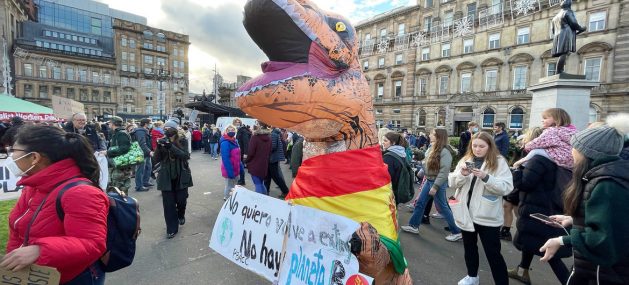
The climate summit COP26 was accompanied by protests by social movements, with demonstrators arriving in Glasgow from all over the world and expressing themselves in their own language or dressing up as dinosaurs to symbolize their criticism. But government delegates did not listen to their demands for ambitious and fair action to contain the global warming crisis. CREDIT: Laura Quiñones/UN

GLASGOW, Nov 11 2021 (IPS) – One element that runs through all social movement climate summits is their rejection of the official meeting of the United Nations Framework Convention on Climate Change (UNFCCC) and the low ambition of its outcomes – and the treaty’s 26th Conference of the Parties (COP26) was no exception.


The leaders of the UNFCCC “gladly welcome those who caused the crisis. COP26 has done nothing but pretend and greenwash,” Mitzi Jonelle Tan, a member of the non-governmental organization Youth Advocates for Climate Action from the Philippines, told IPS during a rally at the Glasgow Screening Room, a few blocks from the venue where the official meeting is being held until Friday, Nov. 12.

The COP26 Coalition, the alternative summit to the climate conference, has been a motley crew of organizations and movements whose common demand was a real effort to fight the climate crisis through concrete and fair measures and whose 200 events in this Scottish city included workshops, forums, artistic presentations and protests, which ended on Wednesday, Nov. 10.

Among the demands with which the alternative meeting in Glasgow lobbied the 196 Parties to the UNFCCC were the abandonment of fossil fuels, the rejection of cosmetic solutions to the climate emergency, the demand for a just transition to a lower carbon economy and the call for reparations and redistribution of funds to indigenous communities and the global South.

The movement also called for a gender perspective in policies, climate justice – that those primarily responsible (developed nations) take responsibility and pay for their role -, respect for the rights of indigenous peoples, and a halt to air pollution.

Due to logistical issues and the limitations imposed by the covid-19 pandemic, which postponed the official summit for a year, the parallel sessions of the social movements were held in this Scottish city in a hybrid format, combining face-to-face and virtual participation. Exhibitors and online participants struggled with the quality of their internet connections.

One of the most unanimous and loudest criticisms from non-governmental social and environmental organizations focused on the exclusion of civil society groups from Latin America, Africa and Asia, due to the UK host government’s decision to modify the admission criteria according to the level of contagion in each country and the extent of vaccination.

In addition, they complained about the strict hurdles imposed by the COP26 presidency, held by the United Kingdom, supported by Italy, to the presence of NGO observers at the official negotiating tables, which undermined the transparency of the Glasgow process, whose agreements are to be embodied in a final declaration, which is weakening every day and whose final text will be released on Nov. 12 or 13, if the negotiations stretch out.

The alternative movement also had a formal but unofficial space in the so-called COP26 Green Zone, located in the same area as the official negotiations, in the center of Glasgow.

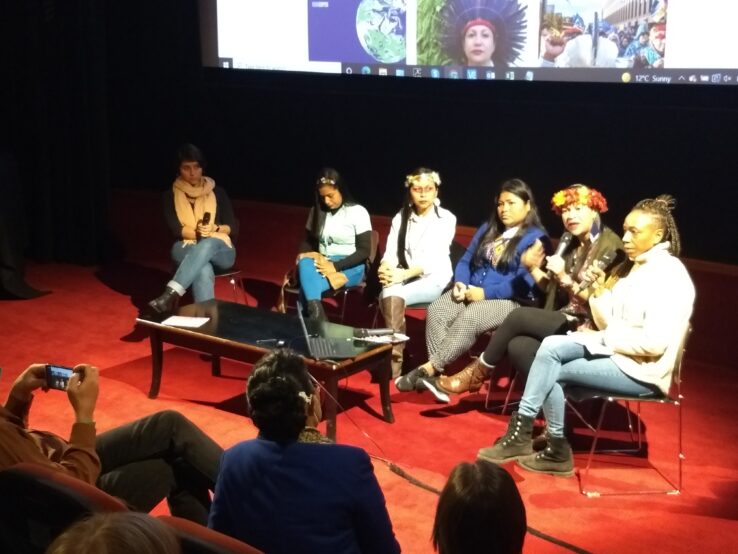
In the forums parallel to COP26 in Glasgow, indigenous women were major protagonists with their demands for respect for their rights and effective participation in the negotiations. In the picture, indigenous women delegates take part in a forum on women of the forest at the peoples' summit. CREDIT: Emilio Godoy/IPS

In the forums parallel to COP26 in Glasgow, indigenous women were major protagonists with their demands for respect for their rights and effective participation in the negotiations. In the picture, indigenous women delegates take part in a forum on women of the forest at the peoples’ summit. CREDIT: Emilio Godoy/IPS

In-depth solutions

One of their key proposals was for a Fossil Fuel Non-Proliferation Treaty aimed at moving towards the end of the era of coal, gas and oil, the consumption of which is primarily responsible for the growing planetary climate emergency.

The initiative, which imitates the name of the treaty against nuclear weapons, demands an immediate end to the expansion of fossil fuel production, a fair phase-out and a just energy transition.

Countries and corporations “continue to invest capital in the extraction of fossil fuels. We need to see efforts to phase them out, to stop the financing, subsidies and exploitation of fossil fuels,” Tzeporah Berman, the Canadian chair of the anti-fossil fuel initiative, told IPS.

The idea for the treaty emerged in 2015 from a call by leaders and NGOs from Pacific island states – whose very existence is threatened by the climate crisis – and it was formally launched in 2020.

So far it has received the support of some 750 organizations, 12 cities, more than 2,500 scientists, academics, parliamentarians from around the world, and religious leaders, indigenous movements and more than 100 Nobel Prize winners.

Climate policies are the focus of COP26 which has addressed carbon market rules, at least 100 billion dollars a year in climate finance, gaps between emission reduction targets and necessary reductions, strategies for carbon neutrality by 2050, adaptation plans, and the working platform on local communities and indigenous peoples.

The International Rights of Nature Tribunal tried the United Nations Framework Convention on Climate Change (UNFCCC), parallel to COP26. In the case, Philippine activist Mitzi Jonelle Tan testified to the lack of effective action against the climate emergency. CREDIT: Emilio Godoy/IPS

The International Rights of Nature Tribunal tried the United Nations Framework Convention on Climate Change (UNFCCC), parallel to COP26. In the case, Philippine activist Mitzi Jonelle Tan testified to the lack of effective action against the climate emergency. CREDIT: Emilio Godoy/IPS

Indigenous people and rights of nature tribunal in the spotlight

Indigenous people, especially from the Amazon jungle, have been key participants at the latest edition of the alternative summit, with at least 40 activists present in Glasgow to complain about harassment by the government of far-right Brazilian President Jair Bolsonaro and demand more protection for the rainforest, whose destruction can have dramatic effects on the environmental health of the planet.

“Our main demand is demarcation of our territories,” because this guarantees a number of rights, Cristiane Pankararu, a member of the Pankararu people and leader of Brazil’s non-governmental National Association of Indigenous Women Warriors (ANMIGA), told IPS.

Her organization belongs to the Association of Indigenous Peoples of Brazil, whose demands are demarcation, climate solutions based on indigenous peoples’ knowledge and practices, and investment in forest protection.

One of the most symbolic activities of the counter-summit was the Fifth International Rights of Nature Tribunal, which tried the cases of “False solutions to the climate change crisis” and “The Amazon, a threatened living entity”.

In the first verdict, the tribunal, which sat for the first time in 2014 and was composed this time of seven judges from six countries, found the UNFCCC at fault for failing to attack the roots of the climate emergency.

In the second ruling, the jury, composed of nine experts from seven countries, accused developed countries and China, as well as agricultural, mining and food corporations, of destroying the Amazon, the planet’s main rainforest ecosystem, which is threatened by these extractive activities.

Nick Dearden, director of Global Justice Now, listed three serious problems: the role of large corporations, the protection of corporate intellectual property, and the power of corporations to sue states that want to protect the environment, in international arbitration tribunals.

“It is a profound symptom of how the global economy protects the interests of large corporations, especially extractive ones, and that has not been addressed at the COP,” he told IPS.

A dialogue of the deaf has prevailed between the UNFCCC and civil society, as the official summit has ignored the demands of social movements.

“They have not listened to us. We are here to demand action. We don’t need another COP to solve the climate crisis, we need change,” Tan complained.

Despite the obstacles, “we will not stop participating actively. The women’s movement is unifying. It is a slow process, because people are not used to being led by women,” Pankararu said.

IPS produced this article with the support of Iniciativa Climática of Mexico and the European Climate Foundation.

  Source