Homeless Camps, a Reflection of Growing Inequality in Chile

Active Citizens, Civil Society, Development & Aid, Editors’ Choice, Featured, Headlines, Human Rights, Latin America & the Caribbean, Population, Poverty & SDGs, Regional Categories

Development & Aid

On Cerro 18, above the affluent municipality of Lo Barnechea, in the coveted eastern sector of Santiago de Chile with a stunning view of the valley and the Andes Mountains, 300 families live in five camps or irregular settlements, many without water, electricity or sewage. CREDIT: Orlando Milesi/IPS

SANTIAGO, Dec 10 2021 (IPS) – Camps made up of thousands of tents and shacks have mushroomed in Chile due to the failure of housing policies and official subsidies for the sector, aggravated by the rise in poverty, the covid-19 pandemic and the massive influx of immigrants.


“Three years ago we were about to be evicted and when my children would head off to school they never knew if our little house would be there when they got home. One morning we were going to school and the carabineros (militarized police) were coming. Many times I had to go home early from work. It was chaotic, difficult and distressing,” Melanni Salas told IPS during a visit to the site.

Salas, 33, presides over Senda 23, one of the five camps that bring together 300 families who occupied public land in Cerro 18, in the municipality of Lo Barnechea, on the east side of Santiago. They have been building shacks with wood and other materials within their reach, which they are gradually trying to improve.

The threat of eviction ceased at the start of the covid pandemic, but the shadow still hangs over their heads because the municipality “built us a septic tank and gave us gifts for Christmas, but has said nothing about housing,” she said.

The community activist previously lived for 19 years as an “allegada”, the name given in Chile to people or families who share a house with relatives or friends, in overcrowded conditions. In 2016 she occupied the land where she and her husband Jorge built the precarious dwelling where she now lives with her three children aged 15, 13 and five years old.

“This used to be a garbage dump and now it is clean and there are houses,” said Salas. “Mine gets a little wet inside when it rains because it is made of wood and because of the strong wind. But I have drinking water, electricity and sewerage thanks to my mother-in-law who lives further up. The neighboring family has neither water nor sewage. They are a couple with three children and one of them, Colomba, was born a week ago.”

She explains that her neighbors “use the bathroom at their brother’s place who lives nearby, but during the pregnancy she went back to her mother’s house.”

In the camps people cook, wash, sleep and live together, observed by passers-by who have become accustomed to this new urban landscape. CREDIT: Orlando Milesi/IPS

In the camps people cook, wash, sleep and live together, observed by passers-by who have become accustomed to this new urban landscape. CREDIT: Orlando Milesi/IPS

Hundreds of homeless tents now line the main avenues of Santiago de Chile.

Explosive situation

“Every day more than 10 families come to live in an encampment in Chile,” says Fundación Techo Chile, a social organization dedicated to fighting against housing exclusion in the cities of this South American country.

The problem is also seen along the avenues and in the parks where hundreds of men and women set up tents to sleep, cook, wash and live together in full view of passers-by who have become accustomed to the scene.

In the last two years, the number of families living in 969 of these camps with almost no access to water, energy and sanitation services has increased to 81,643, a survey by the Fundación Techo Chile found.

In Chile, the term “campamentos” or camps has also come to refer to slums or shantytowns known traditionally as “callampas”, such as the one where Salas lives, which are built on occupied land and consist of houses made of light materials, although the neighborhoods are sometimes later improved and upgraded, but still lack basic services.

These slums are mainly in Santiago and Valparaíso, 120 kilometers north of the capital, in central Chile. But they are also found in the northern cities of Arica and Parinacota and the southern city of Araucanía.

They are home to 57,384 children under the age of 14 and some 25,000 immigrants, mostly Colombians, Venezuelans and Haitians. “Today, families live there who six months or two years ago were ‘allegados’ living in overcrowded, informal, precarious or abusive conditions. That is what is understood as a housing deficit,” Fundación Techo Chile’s executive director, Sebastián Bowen, told IPS.

“The 81,000 families living in camps are the most visible part of the problem, but the housing deficit, covering all the families who do not have access to decent housing, exceeds 600,000,” he said.

The State provides some 20,000 social housing solutions each year, a figure that is highly insufficient to meet the current need.

According to Bowen, “if we want to solve the problem of the camps, we must structurally change our housing policy to guarantee access to decent housing, especially for the most vulnerable families.”

This explosion coincided with the social protests that began in October 2019 and with the arrival of coronavirus in the country in March 2020.

According to the National Socioeconomic Characterization Survey (Casen), 10.8 percent of Chileans currently live in poverty, which means more than two million people, although social organizations say the real proportion is much higher.

Chile, with a population of 19 million people, is considered one of the most unequal countries in the world, as reflected by the fact that the 10 percent of households with the highest incomes earn 251.3 times more than the 10 percent with the lowest income.

View of some of the houses in Cerro 18, a shantytown where 300 families live, most of them without even the most basic services. In what used to be a garbage dump, on the hillside of one of the wealthy neighborhoods of the Chilean capital, they have built their houses using scrap wood and waste materials. CREDIT: Orlando Milesi/IPS

View of some of the houses in Cerro 18, a shantytown where 300 families live, most of them without even the most basic services. In what used to be a garbage dump, on the hillside of one of the wealthy neighborhoods of the Chilean capital, they have built their houses using scrap wood and waste materials. CREDIT: Orlando Milesi/IPS

The new constitution holds out hope

Benito Baranda, founder of the Fundación Techo, an organization that now operates in several Latin American countries, believes that the housing policy failed because it focuses on “market-based eradication, forming housing ghettos on land where people continue to live in a segregated manner.”

This policy is also based on a structure of subsidies “born during the dictatorship and which has remained in place because housing is not a right recognized in the constitution,” Baranda, now a member of the Constitutional Convention that is drafting a new constitution, which will finally replace the one inherited from the 1973-1990 military dictatorship of General Augusto Pinochet, told IPS.

“The decision of where people are going to live was handed over to the market. Not only the construction of housing. And the land began to run out and the available and cheap places were in the ghettos,” he explained.

Baranda criticized the policy of “eradication”, “which created ghettos and generated much greater harm for people,” referring to the forced expulsions of slumdwellers and their relocation to social housing built on the outskirts of the cities, a policy initiated during the Pinochet dictatorship and which crystallized social segregation in the capital.

According to Baranda, “in the last four governments there has been the least construction of housing for the poorest families.”

Baranda was elected to the constituent assembly in a special election in May and proposes “to generate a mechanism that will progressively reduce the waiting times for housing, which today can stretch out to 20 years.”
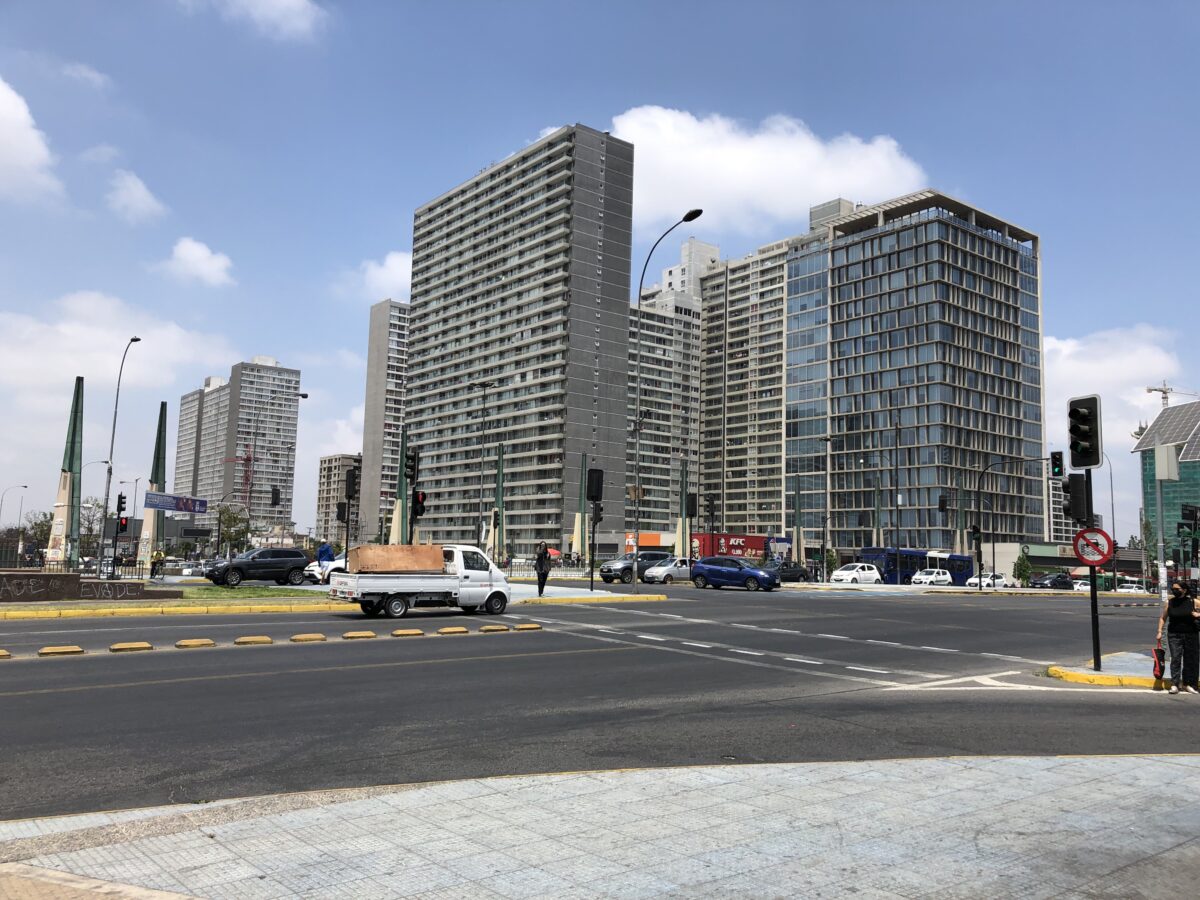
Twenty-story buildings, where each floor has 50 17-square-meter apartments, are called "vertical ghettos" and are inhabited mainly by immigrants. These ones are located in the Estación Central neighborhood, along Alameda Avenue that crosses Santiago de Chile. CREDIT: Orlando Milesi/IPS

Twenty-story buildings, where each floor has 50 17-square-meter apartments, are called “vertical ghettos” and are inhabited mainly by immigrants. These ones are located in the Estación Central neighborhood, along Alameda Avenue that crosses Santiago de Chile. CREDIT: Orlando Milesi/IPS

Privatization of social housing

Isabel Serra, an academic at the Diego Portales University Faculty of Architecture, believes that “the housing issue in Chile will be solved in some way through family networks…There is a lot of overcrowding here and small families are becoming the norm,” she told IPS.

According to Serra, the mushrooming of camps “clearly has to do with the influx of immigrants and this has grown especially in cities that are also functional or productive or extractivist hubs.”

She criticized the subsidy policy because these “are transferred to the private sector and what they do is drive up housing prices… and most of them are not used because they are not in line with the price of land and housing.”

“A highly financialized private market has made housing a tool for economic speculation…investors have decided to put their funds into the real estate market,” she said.

The problem has already reached the 155-member Constitutional Convention, which has been functioning since Jul. 4 and has a 12-month deadline to draft the new constitution, which must then be ratified in a plebiscite.

In September Melanni Salas and representatives of eight organizations met with Elisa Loncón, president of the Convention, to present her with the book “Constitution and Poverty”, which includes proposals to guarantee the right to housing.

“I hope they include this in the new constitution. The proposals were made by 25,000 excluded people…this document seeks to ensure that we are not left on the sidelines as always,” the community organizer explained.

A human right

Baranda said “in the constituent assembly we are working to get this enshrined as a right and to get the State to assume a leading role, not in the construction of housing itself, but in determining where people are going to live and creating the land bank that people have been demanding for so long.”

“We need the policies, by making land available and expropriating property that is not owned by the State, to create housing projects in places where there is social inclusion,” he stressed.

Serra agreed that “when the issue of housing is discussed in the constituent assembly, it will have to look at how the State buys and sells land.

“Housing is a basic human right and should be enshrined in the constitution, with all the parameters that are established for decent housing,” she argued.

Serra also called for “modernizing the instruments and the institutional framework dedicated to the provision of housing” because, she said, “currently the role of housing provision is clearly played by the market.”

She said it would require “a great deal of political will because land issues in general are political issues, very difficult to implement because there are many economic interests involved.”

Celia “Charito” Durán lives in the Mesana camp on Mariposas hill in the port city of Valparaíso, along with 165 other families, and counting.

The municipality delivers 3,000 liters of water per week to each house, using tanker trucks.

Durán said, however, that the priority is access “because if there is no road, we are cut off from everything: firefighters, water, ambulances.”

In Mesana there is no sewage system, only “cesspools, septic toilets and pipes through which people dump everything into the creek,” she told IPS by telephone.

On the hilltop the wind is very strong and every winter roofs are blown off and houses leak when it rains.

Durán, 56, has lived there since she was 37. She is confident that a solution to the social housing deficit will come out of the constituent assembly, after participating in meetings with Jaime Bassa, vice-president of the Constitutional Convention.

“We have the hope and expectation that the right to housing will be included. So, if tomorrow it is not fulfilled, you could go to the authorities with the right to protest about it,” she said.

“We want to be part of the city and not be segregated and forced to return to the camps,” Durán said.
  Source

No Vaccine for the Pandemic of Violence Against Women in Latin America

Active Citizens, Civil Society, Editors’ Choice, Featured, Gender, Gender Violence, Headlines, Human Rights, Indigenous Rights, Latin America & the Caribbean, Regional Categories

Gender Violence

This article is part of IPS coverage of the International Day for the Elimination of Violence against Women on Nov. 25, which kicks off 16 days of activism on the issue around the world.

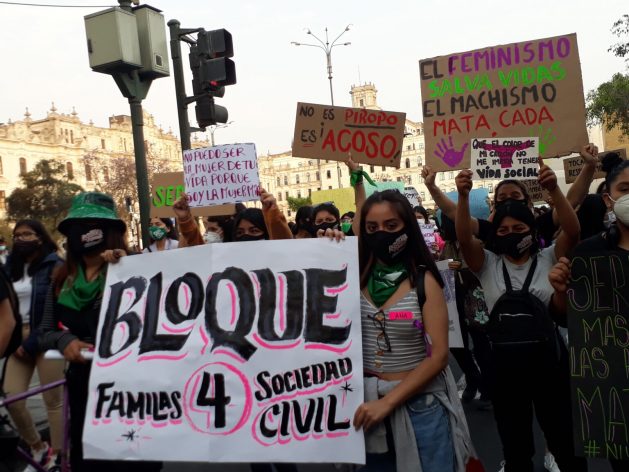
Despite restrictions due to covid, women from various feminist, youth and civil society groups gathered in the central Plaza San Martin in Lima and marched several blocks demanding justice and protesting impunity for violence against women, on Nov. 25, 2020. CREDIT: Mariela Jara/IPS

Despite restrictions due to covid, women from various feminist, youth and civil society groups gathered in the central Plaza San Martin in Lima and marched several blocks demanding justice and protesting impunity for violence against women, on Nov. 25, 2020. CREDIT: Mariela Jara/IPS

LIMA, Nov 24 2021 (IPS) – Despite significant legal advances in Latin American countries to address gender-based violence, it continues to be a serious challenge, especially in a context of social crisis aggravated by the covid-19 pandemic, which hits women especially hard.


“Existing laws and regulations have not stopped the violence, including femicide (gender-based murders). There is a kind of paralysis at the Latin American level, on the part of the State and society, where we don’t want to take much notice of what is happening, and women are blamed,” said María Pessina Itriago, a professor and researcher and the director of the Gender Observatory at UTE University in Quito.

Pessina, a Venezuelan who lives in the Ecuadorian capital and spoke to IPS by telephone from the university, said violence against women is ageold, and “we are still considered second-class citizens who are not recognized as social subjects.” And this dates way back – to the slaughter of “witches” in Europe in the Middle Ages, for example, she added.

“It hasn’t been easy to achieve my independence, have my own income and raise my children. I have suffered humiliation and slander, but I knew who I was and what I wanted: to live in peace and have a home without violence.” — Teresa Farfán

“The genocide of women is something that has not stopped and now in the context of the pandemic has become more serious. I believe that, in reality, the pandemic that we have experienced for many years is precisely this, that of gender violence,” she remarked.

Her reflection came ahead of the International Day for the Elimination of Violence against Women, which is celebrated on Thursday, Nov. 25 and kicks off 16 days of activism up until Dec. 10, World Human Rights Day.

The World Health Organization (WHO) and U.N. Women warned in March that globally one in three women suffers gender-based violence. And that the problem, far from diminishing, had grown during the covid pandemic and the restrictions and lockdowns put in place to curb it.

The study “Global and regional estimates of violence against women: prevalence and health effects of intimate partner violence and non-partner sexual violence”, which analyzed data from 2000 to 2018, is the most far-reaching produced by WHO on the topic.

The report, published in March of this year, stresses that violence against women is “pervasive and devastating” and affects one in three women with varying degrees of severity.

For Latin America and the Caribbean, the study puts the prevalence rate of violence among women aged 15 to 49 at 25 percent.

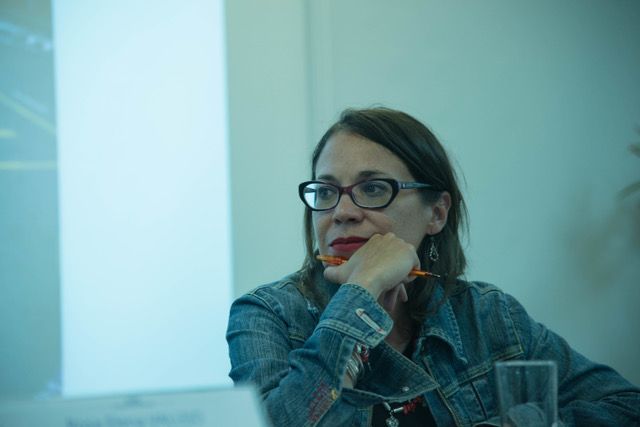
María Pessina Itriago is a professor, researcher and director of the Gender Observatory at UTE University in Quito. CREDIT: Courtesy of María Pessina

María Pessina Itriago is a professor, researcher and director of the Gender Observatory at UTE University in Quito. CREDIT: Courtesy of María Pessina

A regional epidemic during the global pandemic

With respect to femicides, the Gender Equality Observatory of the Economic Commission for Latin America and the Caribbean (ECLAC) reports that 4640 women died from this cause in 2019. The organization also called attention to the intensification of violence against girls and women during the pandemic.

The panorama is compounded by the gendered impacts of the pandemic on employment, which reduces women’s economic autonomy and makes them more vulnerable to violence.

According to the International Labor Organization (ILO), the region of the Americas experienced the largest reduction in female employment during covid, a situation that will not be reversed in 2021.

Peruvian sociologist Cecilia Olea, of the non-governmental Articulación Feminista Marcosur (AFM), which is made up of 17 organizations from 11 countries – nine South American nations, Mexico and the Dominican Republic – said there have been significant advances in the last 30 years in the fight against gender violence.

Among them, she cited the fact that States recognize their responsibility for the problem and no longer consider it a private matter.

She also pointed out that Latin America is the only region in the world with a specific human rights treaty on the issue: the Inter-American Convention on the Prevention, Punishment and Eradication of Violence against Women, known as the Convention of Belem do Para after the Brazilian city where it was approved in 1994, which established women’s right to live free of violence and set the framework for national laws to address this violation of women’s rights.

However, Olea said in an interview with IPS in Lima that the legal and regulatory framework has not been accompanied by political strategies to change the social imaginary of masculinity and femininity, which would provide incentives to modify the culture of inequality between men and women; on the contrary, she said, the violence forms part of a culture of impunity.

“Males feel free to oppress and governments are failing in their responsibility to guarantee comprehensive sex education throughout the educational system, in primary school and technical and higher education; this program exists by law but implementation is deficient due to lack of training for teachers and the opportunity to train people in new forms of masculinity is lost, for example,” she remarked.

Olea, a feminist activist and one of the founders of the AFM, said that not only do governments have a responsibility to prevent, address and eradicate gender violence, but there is also an urgent need to ensure health services; justice with due diligence, as the current delays revictimize and inhibit the use of regulatory instruments; and budgets to correct the current shortfall that prevents a better response to this social problem.

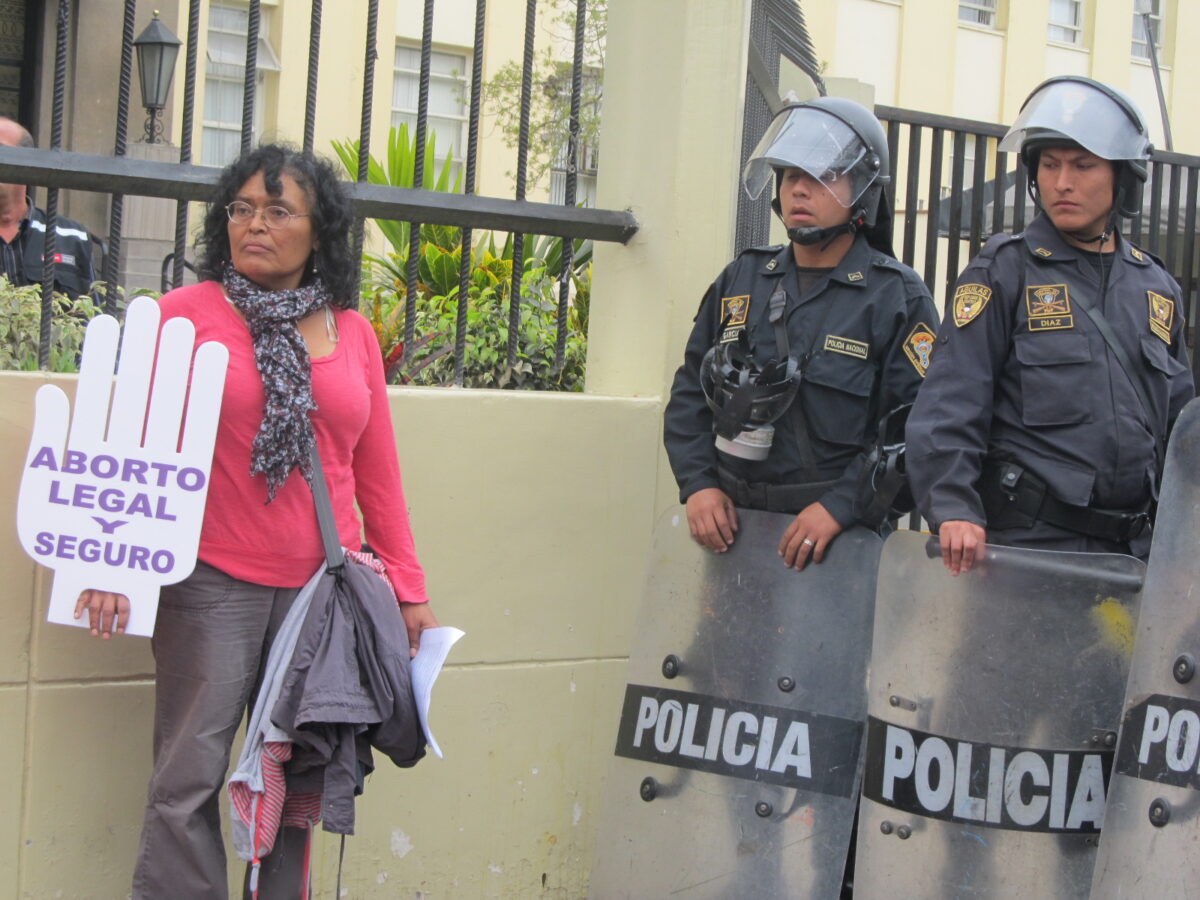
Peruvian sociologist Cecilia Olea, a member of the Articulación Feminista Marcosur (AFM), which brings together feminist networks from 11 Latin American countries, takes part in a demonstration outside the Peruvian Health Ministry in Lima, demanding reproductive rights. CREDIT: Mariela Jara/IPS

Peruvian sociologist Cecilia Olea, a member of the Articulación Feminista Marcosur (AFM), which brings together feminist networks from 11 Latin American countries, takes part in a demonstration outside the Peruvian Health Ministry in Lima, demanding reproductive rights. CREDIT: Mariela Jara/IPS

Cultural change in the new generations

Raised in a machista home, Pessina rebelled against gender norms from an early age and her constant questioning led her to come up with a new definition of how a good person should act.

“I believe that good people do not tolerate injustice or inequality of any kind, which is why I became a feminist about 15 years ago and I am very happy to be able to contribute a grain of sand with my students,” she said.

Pessina said the challenges to progress in the eradication of violence against women are to provide public policies with a budget to make them work; and to achieve an alliance between the State, civil society organizations and feminist movements to create a road map that incorporates excluded voices, such as those of indigenous women.

“The places where they can file reports are not near their towns, they have to go to other towns and when they get there they often cannot communicate in their own language because of the colonialist view that everything must be in Spanish, and there are no interpreters,” she complained.

Another part of the problem, she said, is that “the State itself blocks complaints and keeps these people marginalized, and they are not taken into account in the countries’ statistics on violence.”

The third challenge was to work with the media in Latin America because of their role in the construction of imaginaries, in order to generate the figure of the ombudsperson focused on gender to ensure that information is treated in a way that contributes to equality and does not reproduce discriminatory stereotypes.

Pessina said that what is needed is a cultural transformation driven by the new generations, in favor of gender equality.

“We see more young feminist women activists mobilizing to make it happen and they will make a turnaround; not now, but maybe in a decade we will be talking about other things. These new generations not only of women but of men, I think they are our hope for change,” she said.

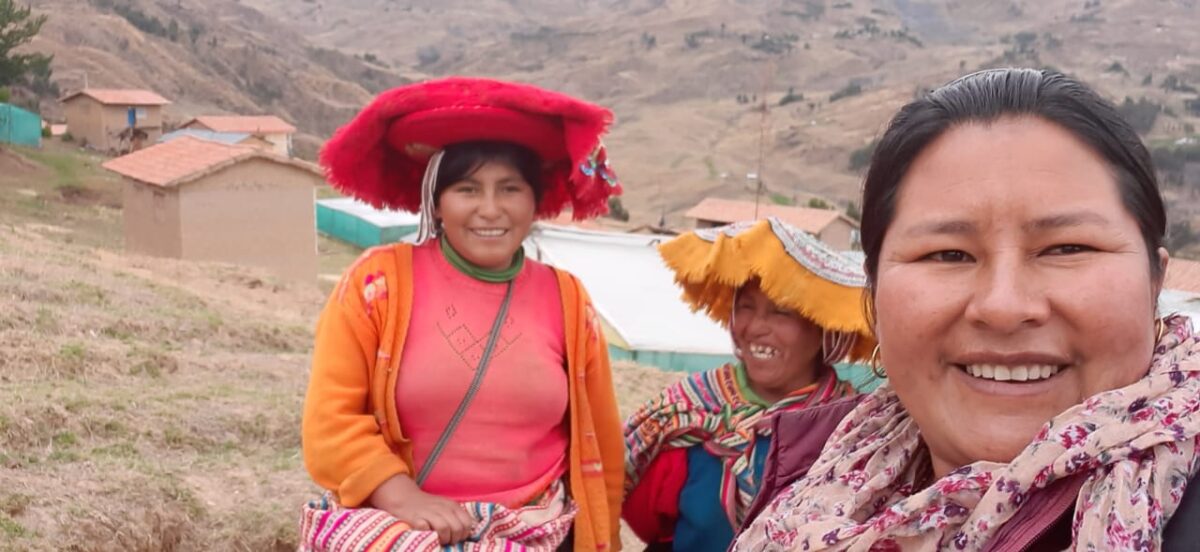
Quechua Indian woman Teresa Farfán, in the foreground, stands with two other rural women with whom she shares work and experiences in her Andes highlands community in Peru. She is convinced that telling her personal story of gender-based violence can help other women in this situation to see that it is possible to escape from abuse. CREDIT: Courtesy of Teresa Farfán

Quechua Indian woman Teresa Farfán, in the foreground, stands with two other rural women with whom she shares work and experiences in her Andes highlands community in Peru. She is convinced that telling her personal story of gender-based violence can help other women in this situation to see that it is possible to escape from abuse. CREDIT: Courtesy of Teresa Farfán

“I wanted a home without violence”

Teresa Farfán reflects the lives of many Latin American women who are victims of machista violence, but with a difference: she left behind the circle of gender violence that so often takes place in the home itself.

She is 35 years old and describes herself as a peasant farmer, a single mother and a survivor of an attempted femicide. She was born and lives in the town of Lucre, an hour and a half drive from the city of Cuzco, the capital of ancient Peru, in the center of the country.

Like most of the local population, she is dedicated to family farming.

Nine years ago she separated from the father of her children who, she says, did not let her move forward.

“He wanted me just to take care of the cows, but I wanted to learn, to get training, and that made him angry. He even beat me and it was horrible, and at the police station they ignored my complaint. He kicked me out of the house and thought that out of fear I would come back, but I took my children and left,” she told IPS during a day of sharing with women in her community.

At her moment of need she didn’t receive the support of her family, who urged her to return, “because a woman must do what her husband says.”

But she did have supportive friends who gave her a hand, both inside and outside her community, as part of a sisterhood of Quechua indigenous peasant women like her in the Peruvian highlands.

“It hasn’t been easy to achieve my independence, have my own income and raise my children. I have suffered humiliation and slander, but I knew who I was and what I wanted: to live in peace and have a home without violence,” she said. A wish that remains elusive for millions of Latin American women.

  Source

Latin America Heads to Glasgow Climate Summit with Half-Empty Hands

Civil Society, Climate Action, Climate Change, Conferences, Development & Aid, Editors’ Choice, Energy, Environment, Featured, Global Governance, Headlines, Latin America & the Caribbean, Regional Categories

Climate Change

This article is part of IPS coverage ahead of the COP26 climate change conference, to be held Oct. 31-Nov. 12 in Glasgow.

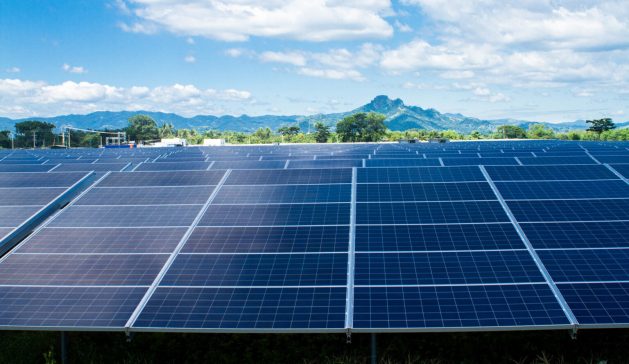
A solar power plant in El Salvador, with 320,000 panels, is one of the largest such installations in Central America, whose countries are striving to convert the energy mix to renewable sources, but whose plans were slowed by the covid pandemic. CREDIT: Edgardo Ayala/IPS

A solar power plant in El Salvador, with 320,000 panels, is one of the largest such installations in Central America, whose countries are striving to convert the energy mix to renewable sources, but whose plans were slowed by the covid pandemic. CREDIT: Edgardo Ayala/IPS

MEXICO CITY, Oct 25 2021 (IPS) – Latin America and the Caribbean are heading to a new climate summit with a menu of insufficient measures to address the effects of the crisis, in the midst of the impact of the covid-19 pandemic.


The world’s most unequal region, which is the hardest hit by the effects of climate change and highly vulnerable to the impacts of the climate crisis, has yet to engage in the fight against this emergency head-on, according to analysts and studies.

Tania Miranda, director of Policy and Stakeholder Engagement in the Environment and Climate Change Programme of the U.S.-based non-governmental Institute of the Americas, said Latin America’s high climate ambitions have not been supported by the measures necessary to reduce emissions.

“Goals are aspirational. If they are not backed up with policies and financing, they remain empty promises. There is a need for financing and the implementation of strategies and public policies that will lead them to fulfill their commitments. Billions of dollars are needed,” the researcher told IPS from San Diego, California, where the Institute is based.

Miranda is the author of the report “Nationally Determined Contributions Across the Americas. A Comparative Hemispheric Analysis,” which evaluates the climate targets of 16 countries, including the United States and Canada.

In her study, she analyses pollutant emission reduction targets, plans for adaptation to the climate crisis, dependence on external financing, long-term carbon neutrality commitments and the state of pollution abatement.

Climate policies will be the focus of the 26th Conference of the Parties (COP26) to the United Nations Framework Convention on Climate Change (UNFCCC), which will take place Oct. 31 to Nov. 12 in Glasgow, Scotland in the north of the United Kingdom, after being postponed in that same month in 2020 due to the pandemic.

COP26 will address rules for carbon markets, at least 100 billion dollars annually in climate finance, the gaps between nationally determined contributions (NDCs) and the necessary reductions, strategies for carbon neutrality by 2050, adaptation plans, and the local communities and indigenous peoples platform.

A parallel alternative summit will also be held, bringing together social movements from around the world, advocating an early phase-out of fossil fuels, rejecting so-called “false solutions” such as carbon markets, and calling for a just energy transition and reparations for damage and redistribution of funds to indigenous communities and countries of the global South.

The Glasgow conference is considered the most important climate summit, due to the need to accelerate action in the face of alarming data on global warming since the adoption of the Paris Agreement at COP21, held in December 2015 in the French capital.

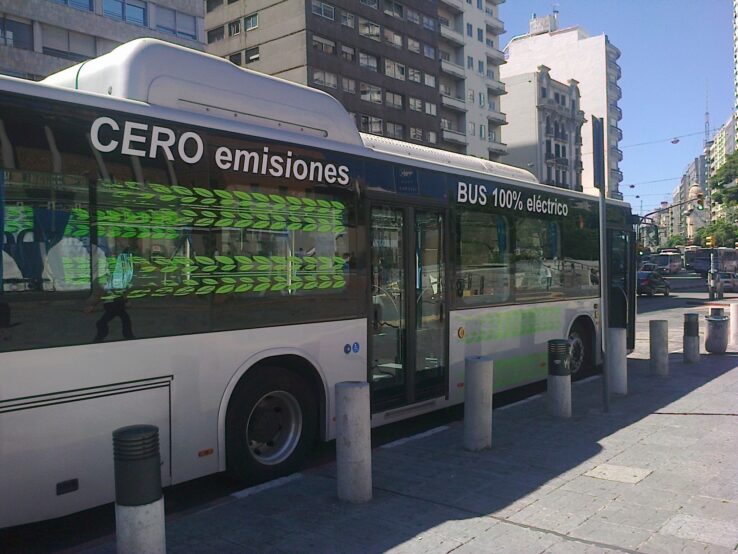
A zero-emission electric bus is parked on a downtown street in Montevideo. Public transport is beginning to electrify in Latin America's cities as a way to contain CO2 emissions, but plans have been delayed and cut back due to the covid pandemic. CREDIT: Inés Acosta/IPS

A zero-emission electric bus is parked on a downtown street in Montevideo. Public transport is beginning to electrify in Latin America’s cities as a way to contain CO2 emissions, but plans have been delayed and cut back due to the covid pandemic. CREDIT: Inés Acosta/IPS

Since then, 192 signatories to the binding treaty have submitted their first NDCs.

But just 13 countries worldwide sent their new climate contributions in 2020 to the UNFCCC Secretariat based in Bonn, despite calls from its secretary, Patricia Espinosa of Mexico, for all parties to the treaty to do so that year.

Of these, only four from this region – Argentina, Grenada, Mexico and Suriname – submitted the second updated version of their contributions.

Although they are voluntary commitments, the NDCs are a core part of the Paris Agreement, based on the goal of curbing the temperature rise to 1.5 degrees Celsius, considered the minimum and indispensable target to avoid irreversible climate disasters and, consequently, human catastrophes.

In the NDCs, nations must set their goals for 2030 and 2050 to reduce greenhouse gas (GHG) emissions responsible for global warming, taking a specific year as a baseline, outline the way they will achieve these goals, establish the peak year of their emissions and when they would achieve net zero emissions, i.e. absorb as many gases as they release into the atmosphere.

In addition, to contain the spread of the coronavirus and its impacts, the region has taken emergency economic decisions, such as providing support for companies of all sizes, as well as for vulnerable workers.

But these post-pandemic recovery packages lack green components, such as commitments to sustainable and cleaner production.

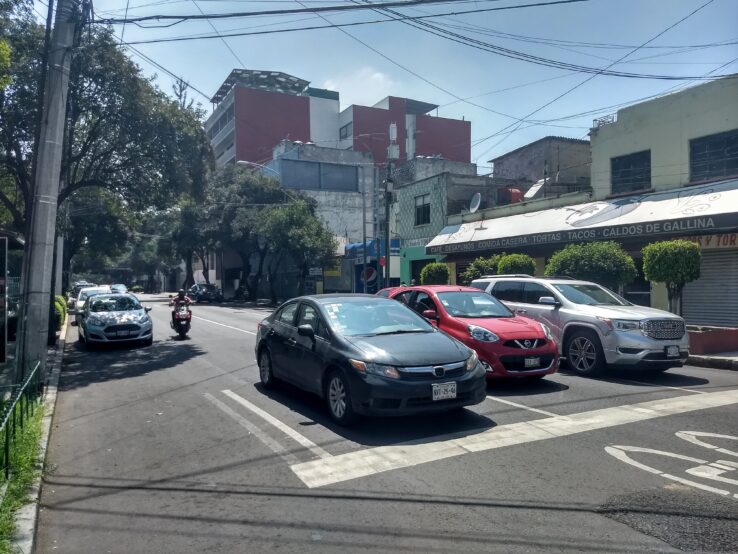
 A street in Mexico City shows reduced traffic due to covid restrictions. Automotive transport is one of the largest generators of polluting emissions in Latin America and the Caribbean. But the transition to a cleaner vehicle fleet, with the increase in the number of electric vehicles and other alternatives, is moving very slowly. CREDIT: Emilio Godoy/IPS

A street in Mexico City shows reduced traffic due to covid restrictions. Automotive transport is one of the largest generators of polluting emissions in Latin America and the Caribbean. But the transition to a cleaner vehicle fleet, with the increase in the number of electric vehicles and other alternatives, is moving very slowly. CREDIT: Emilio Godoy/IPS

Shared irresponsibilities

While some countries, such as Argentina and Chile, improved their pledges, others like Brazil and Mexico scaled down or kept their pledges unchanged.

The measures of Argentina, Brazil, Mexico and Colombia are in code red, as they are highly insufficient to contain global warming, according to the Climate Action Tracker.

In the case of the first three, the largest Latin American economies, the governments are prioritising the financing of increased fossil fuel exploitation, which would result in a rise in emissions in 2030, the Tracker highlights.

Chile’s and Peru’s measures are classified as insufficient and Costa Rica’s as almost sufficient.

That Central American nation, Colombia and Peru are on track to meet their commitments by 2030 and 2050, the Tracker notes.

In the case of Argentina, Chile and Ecuador, they would need additional measures to achieve their goals. At the other extreme are Brazil and Mexico, the biggest regional polluters, which have strayed from the medium- and long-term path.

Enrique Maurtúa, senior climate policy advisor for the non-governmental Environment and Natural Resources Foundation (FARN), said that Argentina is an example of the countries in the region that are caught between these contradictions.

“Argentina follows the line of what is happening in several countries in the region. In terms of commitments, it does its homework, what it is supposed to do, it is preparing a long-term strategy. But those commitments are not in line with what Argentina is doing behind closed doors,” the expert told IPS from Buenos Aires, where the Foundation is based.

As part of this approach, the Argentine Congress is debating a draft Hydrocarbon Investment Promotion Regime to provide fiscal stability to the sector for the next 20 years.

In addition, the government weakened the carbon tax, which averages a 10 dollar charge, through exemptions and the exclusion of gas, and is preparing a sustainable mobility strategy that dispenses with hydrogen.

Mexico is following a similar path, as the government favours support for the state-owned oil company Pemex and the government’s electric utility Comisión Federal de Electricidad, is building a refinery in the state of Tabasco, on the southeastern coast of the country, and has stalled actions aimed at an energy transition.

On Dec. 29, 2020, Mexico released its updated NDC, without increasing the emissions reduction target, to the disappointment of environmental organisations, and in contravention of the Paris Agreement and its own climate change law.

But on Oct. 1 it was reported that a federal court annulled the update, considering that there was an illegal reduction in the mitigation goals, so the 2016 measures remain in force until the government improves on them.

Isabel Bustamante, a member of the Fridays for Future Mexico movement who will attend COP26, questioned Mexico’s climate stance.

“It does not take a solid stance. We need declarations of climate emergency throughout the country and to make resources more readily available. We are concerned about the focus on more fossil fuel production,” she told IPS from the southeastern city of Mérida.

President Andrés Manuel López Obrador is facing pressure from the environmental sector, but does not seem adept at changing course. He is even sending mixed signals, such as his announcement on Oct. 18 that the country will raise climate targets in 2022.

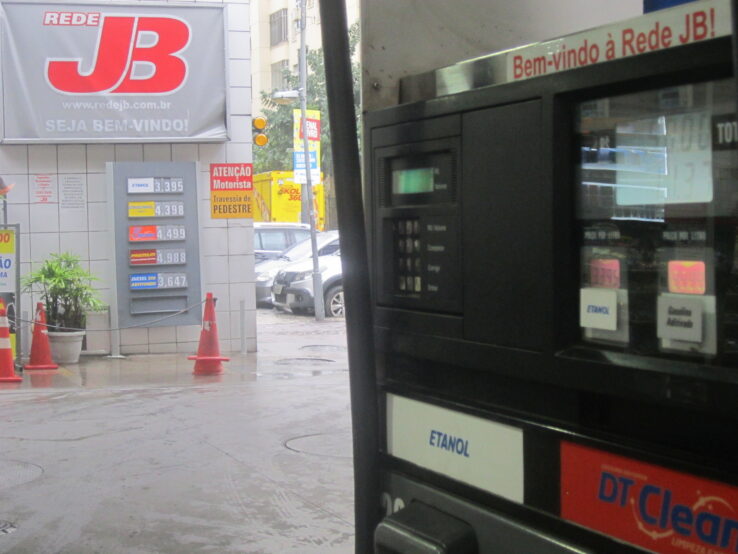
 At most service stations in Brazil, consumers can choose between gasoline and ethanol, the price of which is attractive when it does not exceed 70 percent of that of gasoline. But users only opt for biofuel when it is economically attractive, so it does not contribute to alleviating the emission of polluting gases. CREDIT: Mario Osava/IPS

At most service stations in Brazil, consumers can choose between gasoline and ethanol, the price of which is attractive when it does not exceed 70 percent of that of gasoline. But users only opt for biofuel when it is economically attractive, so it does not contribute to alleviating the emission of polluting gases. CREDIT: Mario Osava/IPS

The COP and the question marks it raises for the region

The UNFCCC stated in September that the NDCs presented are insufficient to curb warming to 1.5 degrees C.

Miranda believes COP26 could be beneficial for the region.

“Expectations are very high. We need the big polluters to be present. There will be pressure for tangible results. The region knows where its needs are, it has many opportunities to use ecosystems to reduce emissions,” she said.

Maurtúa, for his part, stresses that the main results will depend on the concrete financing and means of implementation of the Paris Agreement.

“Developed countries have to make financial contributions to the transition in developing countries. Industrialised nations are asking for more ambition, but they have to provide financing,” he argued.

In the expert’s opinion, “it is what the region needs. There are signs of willingness in Costa Rica, Colombia and Chile. But that is not happening in the case of Argentina or Mexico.”

For young people like Bustamante, the summit needs to offer more real action and fewer empty offers. “We expect an urgent climate action agenda to emerge. We need to stop investments in fossil fuel infrastructure, which compromises our near future. We will not stop until we do,” she said.

Under pressure due to the urgency of pending matters and within the constraints imposed by the pandemic, Glasgow could be a defining benchmark of a real global commitment to address the climate emergency, which is causing more and more destruction.


For Girls, the Biggest Danger of Sexual Violence Lurks at Home

Civil Society, COVID-19, Development & Aid, Editors’ Choice, Gender, Gender Violence, Headlines, Health, Human Rights, Latin America & the Caribbean, Regional Categories

Gender Violence

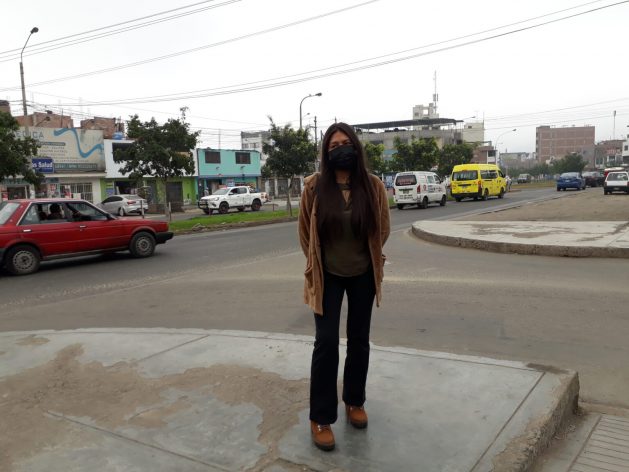
Girls' sexual and reproductive rights activist Mía Calderón stands on San Martín Avenue in San Juan de Lurigancho, the most populous municipality of Peru's capital. She complained that the pandemic once again highlighted the fact that sexual violence against girls comes mainly from someone close to home and that the girls are often not believed. CREDIT: Mariela Jara/IPS

Girls’ sexual and reproductive rights activist Mía Calderón stands on San Martín Avenue in San Juan de Lurigancho, the most populous municipality of Peru’s capital. She complained that the pandemic once again highlighted the fact that sexual violence against girls comes mainly from someone close to home and that the girls are often not believed. CREDIT: Mariela Jara/IPS

LIMA, Oct 22 2021 (IPS) – “During the pandemic, sexual violence against girls has grown because they have been confined with their abusers. If the home is not a safe place for them, what is then, the streets?” Mía Calderón, a young activist for sexual and reproductive rights in the capital of Peru, remarks with indignation.


The 19-year-old university student, whose audiovisual communications studies have been interrupted due to the restrictions set in place to curb the covid-19 pandemic, is an activist who belongs to the youth collective Vayamos in San Juan de Lurigancho, the district of Lima where she lives.

Located to the northeast of the capital, it is a district of valleys and highlands areas higher than 2200 metres above sea level, where water is a scarce commodity and is supplied by tanker trucks. San Juan de Lurigancho was created 54 years ago and its population of 1,117,629 inhabitants, according to official figures, is mostly made up of families who have come to the capital from the country’s hinterland.

Lima’s 43 districts are home to a total of 9.7 million people, and San Juan de Lurigancho has by far the largest population.

In an interview with IPS during a walk through the streets of her district, Calderón said she helped one of her friends during the mandatory social isolation decreed in this Andean nation between March and July 2020, which has been followed by further restrictions on mobility at times of new covid-19 outbreaks.

Since then, classrooms have been closed and education has continued virtually from home, where girls spend most of their time.

“She was in lockdown with her two sisters, her mother and stepfather. But she left before her stepfather could rape her; the harassment had become unbearable. Now she is very afraid of what might happen to her little sisters because he’s still living at home,” she said.

But not all girls and adolescents at risk of sexual abuse have support networks to rely on.

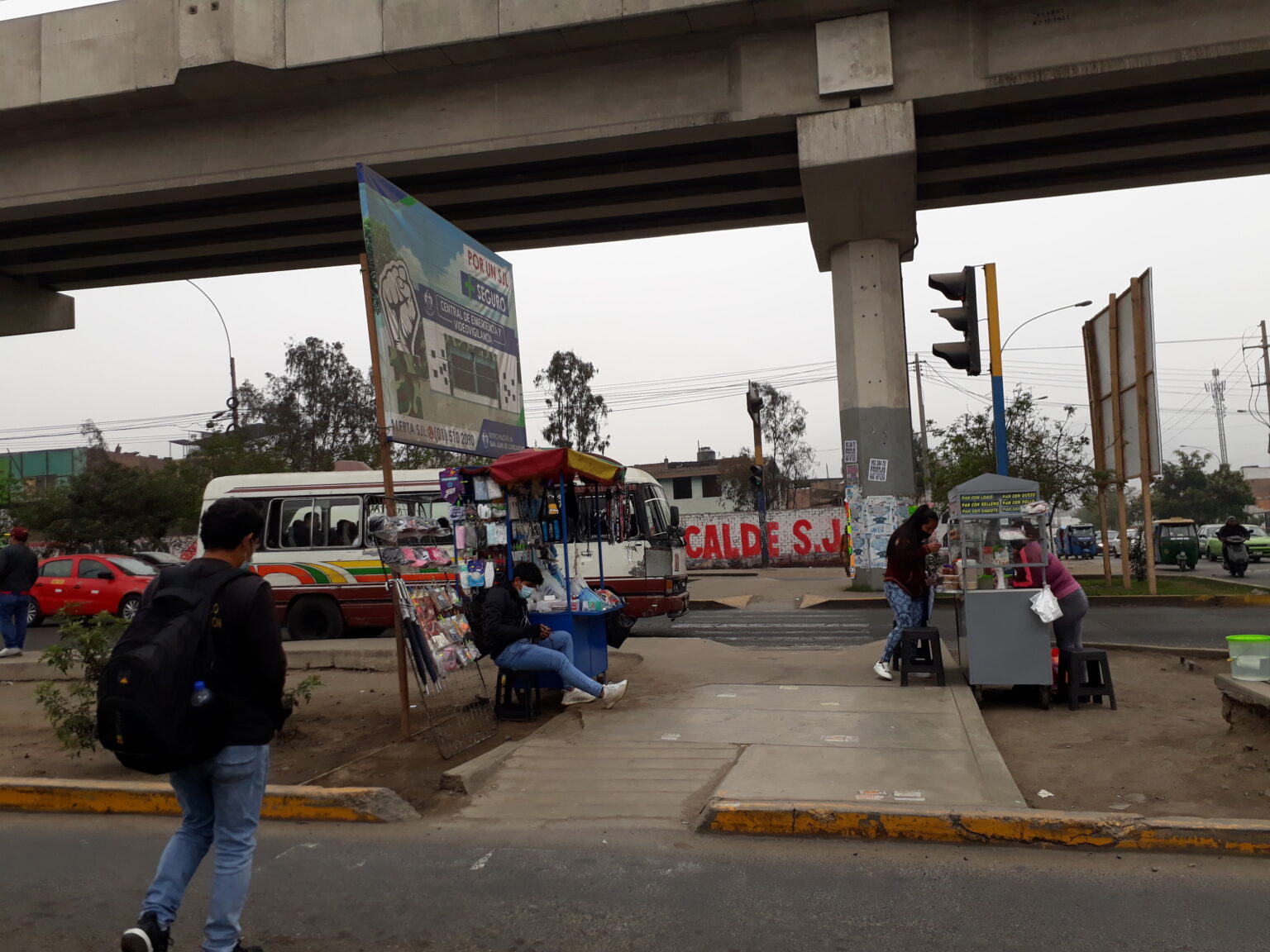
An intersection with hardly any passers-by in San Juan de Lurigancho, one of the 43 districts of the Peruvian capital. There are now fewer children on the streets because schools have been closed since the beginning of the covid pandemic and they receive their education virtually. This keeps them safe from violence in public spaces, but increases the abuse they suffer at home. CREDIT: Mariela Jara/IPS

An intersection with hardly any passers-by in San Juan de Lurigancho, one of the 43 districts of the Peruvian capital. There are now fewer children on the streets because schools have been closed since the beginning of the covid pandemic and they receive their education virtually. This keeps them safe from violence in public spaces, but increases the abuse they suffer at home. CREDIT: Mariela Jara/IPS

Data that exposes the violence

Official statistics reveal a devastating reality: Between early 2020 and August of this year there have been 1763 births to girls under 14 years of age, according to the Health Ministry’s birth registration system (CNV).

All of these pregnancies and births are considered to be the result of rape, as the concept of sexual consent does not apply to girls under 14, who are protected by Peruvian law.

Looking at CNV figures from 2018 to August 2021, the total number increases to 4483, which would mean that on average five girls under the age of 14 give birth in Peru every day.

This is also the conclusion reached by the Latin American and Caribbean Committee for the Defence of Women’s Rights (Cladem), which in September completed a nationwide study on forced child pregnancy in Peru, published on Tuesday, Oct. 19.

For Cladem, forced child pregnancy is any pregnancy of a minor under 14 years of age resulting from rape, who was not guaranteed access to therapeutic abortion, which in the case of Peru is the only form of legal termination of pregnancy.

“These figures are unacceptable, but we know they may be even worse because of underreporting,” Lizbeth Guillén, who until August was the Peruvian coordinator of this Latin American network whose regional headquarters are in Lima, told IPS by telephone.

The activist headed up the project “Monitoring and advocacy for the prevention, care and punishment of forced child pregnancy” which was funded by the United Nations Trust Fund to End Violence against Women between 2018 and August 2021.

An aggravating factor for at risk girls and adolescents was that during the months of lockdown, public services for addressing violence against women were suspended and the only thing available was toll-free telephone numbers, which made it more difficult for victims to file complaints.

“What we have experienced shows us once again that homes are the riskiest places for girls,” said Guillén.

The Cladem study also reveals that the number of births to girls under 10 years of age practically tripled, climbing from nine cases in 2019 to 24 in 2020. And the situation remains worrisome, as seven cases had already been documented this year as of August.

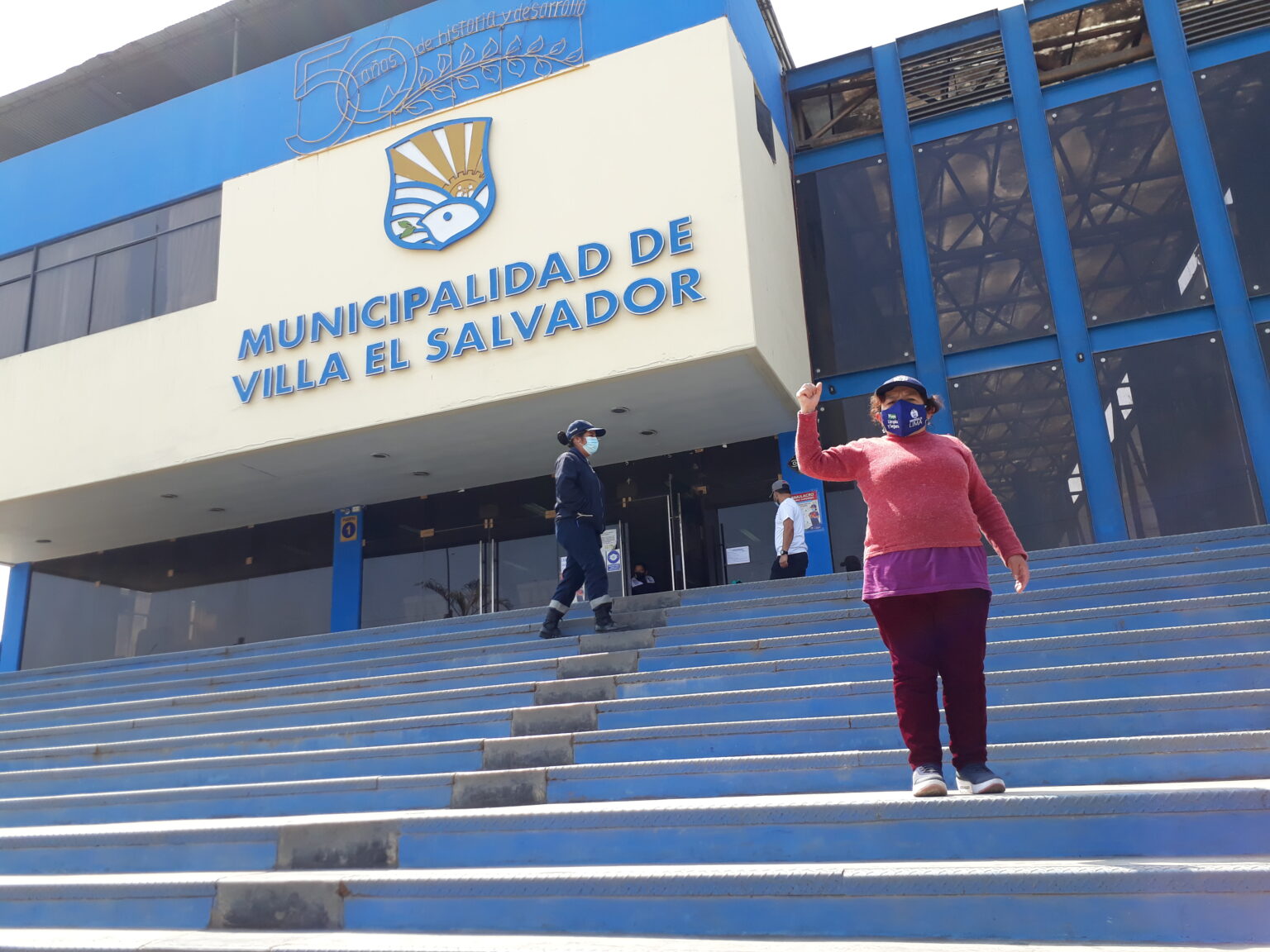
Julia Vargas, 61, works in the municipality of Villa El Salvador, south of Lima, where she has lived since the age of 11 and where she maintains her vocation of service as a health promoter. Through this work she knows first-hand about sexual violence against girls and adolescents, which she says has worsened during the pandemic since they have been confined to their homes with their potential abusers. CREDIT: Mariela Jara/IPS

Julia Vargas, 61, works in the municipality of Villa El Salvador, south of Lima, where she has lived since the age of 11 and where she maintains her vocation of service as a health promoter. Through this work she knows first-hand about sexual violence against girls and adolescents, which she says has worsened during the pandemic since they have been confined to their homes with their potential abusers. CREDIT: Mariela Jara/IPS

One district’s experience

“Sexual violence against girls has been indescribable during this period, worse than covid-19 itself. Men have been taking advantage of their daughters, they think they have authority over them,” said Julia Vargas, a local resident of Villa El Salvador.

This municipality, which emerged as a self-managed experience five decades ago to the south of the capital, offers health promotion as part of its public services to the community.

Vargas, a 61-year-old mother of four grown children, is proud to be a health promoter, for which she has received training from the Health Ministry and from non-governmental organisations such as the Flora Tristán Peruvian Women’s Centre.

“It’s hard to conceive of so much violence against girls,” she told IPS indignantly at a meeting in her district, “and the worst thing is that many times the mothers turn a blind eye; they say if he (their partner) leaves, who is going to support me.”

Studies indicate that women’s economic dependence is a factor that prevents them from exercising autonomy and reinforces unequal power relations that sustain gender-based violence.

Vargas continued: “There was a case of a father who got his three daughters pregnant and made them have clandestine abortions, and do you think the justice system did anything? Nothing! It said there was consent, how can a young girl give consent?!”

“Girls can’t be mistreated this way, they have rights,” she said.

Mía Calderón, a 19-year-old youth activist with the Vayamos collective, demands more and better measures in Peru to defend girls from sexual violence, fueled by the closure of schools since the beginning of the pandemic, which keeps them isolated and in homes where they sometimes live with their abusers. CREDIT: Mariela Jara/IPS

Mía Calderón, a 19-year-old youth activist with the Vayamos collective, demands more and better measures in Peru to defend girls from sexual violence, fueled by the closure of schools since the beginning of the pandemic, which keeps them isolated and in homes where they sometimes live with their abusers. CREDIT: Mariela Jara/IPS

The culprit nearby

Calderón is also familiar with this situation. “The pandemic has highlighted the fact that sexual violence comes mainly from someone close to home and that many times the girls are not believed: ‘you provoked your uncle, your stepfather’, they are told by their families, instead of focusing on the abuser,” she said.

Her collective Vayamos works to help girls have the right to enjoy every stage of their lives. Due to the pandemic, the group had to restrict its face-to-face activities, but as a counterbalance, it increased the publication of content on social networks.

“No girl or adolescent should live in fear of sexual violence or should face any such risk,” she said.

However, Cladem’s research indicates that between 2018 and 2020, there were 12,677 complaints of sexual violence against girls under 14 in the country, the cause of many forced pregnancies.

But official statistics do not differentiate between child and adolescent pregnancy.

The 2019 National Health Survey reported that of the female population between 15 and 19 years of age, 12.6 percent had been pregnant or were already mothers. The percentage in rural areas was higher than the national rate: 22.7 percent.

Youth activist Mia Calderón, health promoter Julia Vargas and Cladem member Lizbeth Guillén all agree on the proposal to decriminalise abortion in cases of rape and on the need for timely delivery of emergency kits by public health services to prevent forced pregnancies and maternity.

These kits contain emergency contraceptive pills, HIV and hepatitis tests, among other components for comprehensive health protection for victims.

“There are regulatory advances such as this joint action protocol between the Ministry of Women and the Health Ministry for a girl victim of violence to access the emergency kit, but in practice it is not complied with due to the personal conceptions of some operators and they deprive the victims of this right,” explained Guillén.

She stressed that in order to overcome the weak response of the State to such a serious problem, it is also necessary to adequately implement existing regulations, guarantee access to therapeutic abortion for girls and adapt prevention strategies, since the danger often lies directly in the home.

  Source

10 Days to Defeat 2547 Miles of Pain

Civil Society, Crime & Justice, Gender Violence, Headlines, Human Rights, Latin America & the Caribbean, Migration & Refugees, TerraViva United Nations

Opinion

MEXICO CITY, Oct 20 2021 (IPS) – They call it the Tlaxcala-New York Route. Between one end and the other, there are 2547 miles. An infamous road that today is one of the most important channel for human trafficking gangs. And a route seemingly impossible to destroy because of its million-dollar profits.


Rosi Orozco

The victims traveling along this route from Mexico to the United States experience in their bones what experts call “the globalization of organized crime”, one of the biggest obstacles to ending this crime.

The route is longer than itself. Sometimes it starts in South America, where victims are lured with dream jobs or a love story in Mexico. And it has a stopover in Mexico’s smallest state, Tlaxcala, where human traffickers kidnap their victims to prepare them for their journey north to the United States.

The worst part is in the next 2547 miles, which includes several horror stops throughout Mexico. The victims will be raped on table dances, brothels, bars, even trailer boxes and roadside tents.

If they survive and show endurance, at least 500 of them will be forced to cross illegally into the United States every year.

In New York, the exploitative clients will be of all nationalities: Mexicans, Americans, Europeans, Asians, Africans… sex tourists who will take back home a piece of humanity as a souvenir.

They are even likely to record those rapes and the videos will end up on porn sites with untraceable IP addresses that profit from a $97 billion a year industry. And when the authorities want to rescue one of those victims, two questions will overwhelm them. Where do we start? What is the origin of all this?

Since the beginning of the 21st century, organized crime has demonstrated that they know how to go global and evade the isolated efforts of individual countries. Their modus operandi imposes a new vision: if traffickers think internationally, justice must think globally. The “10 Days of Anti-Trafficking Activism” event was dedicated to that task.

Between July 26 and August 6, survivors, activists, and decision-makers debated online and face-to-face in Washigton, Miami and Mexico City for more than 240 hours on how to face the new challenges that impose this old crime and how to stay one step ahead.

Jeremy Vallerand, Rescue Freedom CEO, reminded us that human trafficking is a social problem that is not natural but created by human beings, so it is up to us to end it.

The Executive Director of Global Sustainability Network (GSN), Asmita Satyarthi, called for a global count of victims — there are about 25 million people in human trafficking networks and 30% of them are children.

Héma Sibi, CAP International’s Advocacy Coordinator, asked that we all demand a change of laws at an international level. New laws that punishes exploitative clients, not people who are forced into prostitution.

Chancellor Minister Marcelo Sánchez Sorondo, youth leaders such as Alina Luz —Miss Universo Argentina 2020, influencers such as Valentina de la Cuesta, magistrates, mayors, legislators, and more joined events and conferences that can be consulted at www.hojaenblanco.org and the conclusions indicate the way to effectively fight human trafficking.

It is urgent to create international laws that punish trafficking as a crime against humanity. To train police officers with the capacity to investigate this crime beyond national borders. To establish international agreements for financial intelligence units to return to the victims’ money obtained by traffickers, whatever country they are in.

Pivotal actions must go beyond prosecution. More and better prevention campaigns must be created to build bridges between rich and developing countries because that is where the exploiting clients and the exploited person are. National campaigns are no longer enough. The challenge is to build messages thinking about the origin and destination of the victims.

We need more determined participation of society to train new activists with a global perspective and place this topic on the world agenda with the same urgency as other problems faced by humanity, such as climate change or the equitable distribution of food.

Above all, there is an urgency to pass the megaphone to those who have a story that must be heard, because each victim in silence means the loss of a missing ally in the fight against this crime.

The “10 Days of Anti-Trafficking Activism” is one of those crucial events that help us begin to solve those questions that overwhelm us: Where do we start? What is the origin of all this? And by questioning ourselves, we will be able to find how to end those 2547 miles of suffering between Tlaxcala and New York.

So that one day, the seemingly impossible path to defeat will be a memory and the evidence that millions of dollars are not more powerful than millions of people fighting for a world without slavery.

The author is a human rights activist who opened the first shelter for girls and teenagers rescued from sexual commercial exploitation in Mexico. She has published five books on preventing human trafficking; she is the elected Representative of GSN Global Sustainability Network in Latin America.

  Source

Argentina’s Small Farming Communities Reach Consumers Online

Active Citizens, Civil Society, Cooperatives, Development & Aid, Economy & Trade, Editors’ Choice, Featured, Food and Agriculture, Green Economy, Headlines, Integration and Development Brazilian-style, Latin America & the Caribbean, Poverty & SDGs, Projects, Regional Categories

Food and Agriculture

This article is part of IPS’ coverage of World Food Day, celebrated Oct. 16, whose 2021 theme is: Grow, nourish, sustain. Together.

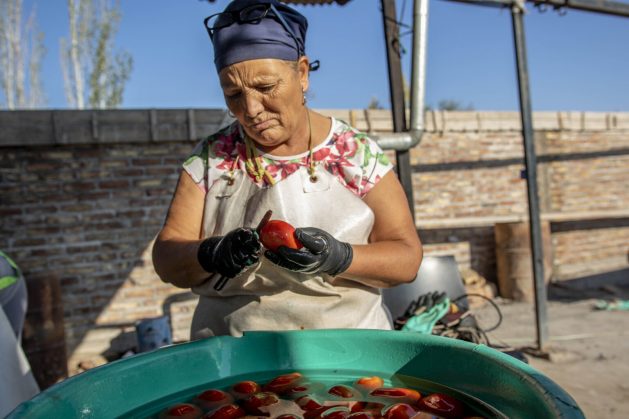
One of the Argentine small farmer groups participating in the digital marketing project uses agroecological irrigation and tomato crushing techniques in the province of Mendoza. CREDIT: Nicolás Heredia/Alma Nativa

One of the Argentine small farmer groups participating in the digital marketing project uses agroecological irrigation and tomato crushing techniques in the province of Mendoza. CREDIT: Nicolás Heredia/Alma Nativa

BUENOS AIRES, Oct 14 2021 (IPS) – “The biggest problem for family farmers has always been to market and sell what they produce, at a fair price,” says Natalia Manini, a member of the Union of Landless Rural Workers (UST), a small farmers organisation in Argentina that has been taking steps to forge direct ties with consumers.


The UST, which groups producers of fresh vegetables, preserves and honey, as well as goat and sheep breeders, from the western province of Mendoza, opened its own premises in April in the provincial capital of the same name.

In addition, it has just joined Alma Nativa (“native soul”), a network created to market and sell products from peasant and indigenous organisations, which brings together more than 4,300 producers grouped in 21 organisations, and now sells its products over the Internet.

“Selling wholesale to a distributor is simple, but the problem is that a large part of the income does not reach the producer,” Manini told IPS from the town of Lavalle in Mendoza province.

“The aim is to mobilise consumers to buy products from Latin American ecosystems that are made with respect for the environment, while small producers benefit from visibility and logistical support so that local products reach the entire country.” — Guadalupe Marín

The rural leader argues that, due to cost considerations, farmers can only access fair trade through collective projects, which have received a boost from the acceleration of digital changes generated by the covid-19 pandemic.

Alma Nativa is a marketing and sales solution formally created in 2018 by two Argentine non-governmental organisations (NGOs) focused on socio-environmental issues: Fibo Social Impact and the Cultural Association for Integral Development (ACDI). Their approach was to go a step beyond the scheme of economic support for productive development projects.

“Back in 2014 we began to ask ourselves why small farmer and indigenous communities could not secure profitable prices for the food and handicrafts they produce, and to think about how to get farmers to stop depending on donations and subsidies from NGOs and the state,” Fibo director Gabriela Sbarra told IPS in an interview in Buenos Aires.

Sbarra was a regular participant in regional community product fairs, which prior to the restrictions put in place due to the pandemic were often organised in Argentina by the authorities, who financed the setting up of the stands, accommodation and travel costs from their communities for farmers and craftspeople.

It was only thanks to this economic aid that farmers and artisans were able to make a profit.

“The effort was geared towards finding a genuine market for these products, which could not be sold online because it is very difficult to generate traffic on the Internet and they cannot reach supermarkets either, because they have no production volume. Informality was leaving communities out of the market,” Sbarra explained.

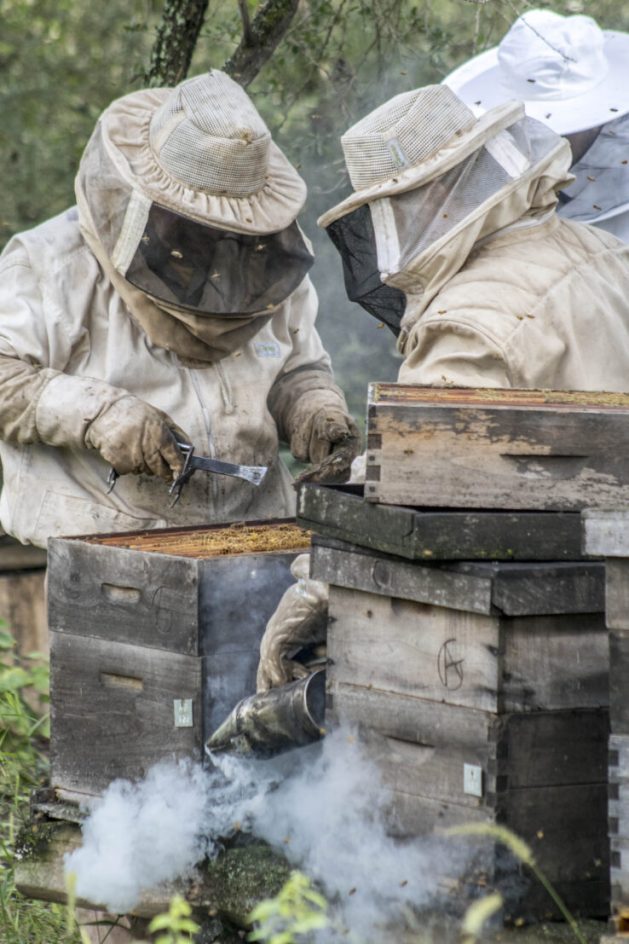
Three cooperatives in the Chaco region, the great forested plain that Argentina shares with Bolivia and Paraguay, are dedicated to honey production and are part of the Alma Nativa project, through which they sell their products to consumers throughout the country via the Internet. CREDIT: Nicolás Heredia/Alma Nativa

Three cooperatives in the Chaco region, the great forested plain that Argentina shares with Bolivia and Paraguay, are dedicated to honey production and are part of the Alma Nativa project, through which they sell their products to consumers throughout the country via the Internet. CREDIT: Nicolás Heredia/Alma Nativa

E-commerce, the new market

So the founders of Alma Nativa knocked on the doors of Mercado Libre, an e-commerce giant born in Argentina that has expanded throughout most of Latin America. The company agreed not to charge commissions for sales by an online store of agroecological food produced by local communities.

Alma Nativa then set up a warehouse in the town of Villa Madero, on the outskirts of Buenos Aires, where products arriving from rural communities throughout the country are labeled for distribution.

“The pandemic has created an opportunity, because it helped to open a debate about what we eat. Many people began to question how food is produced and even forced agribusiness companies to think about more sustainable production systems,” said Manini.

Norberto Gugliotta, manager of the Cosar Beekeeping Cooperative, emphasised that the pandemic not only accelerated the process of digitalisation of producers and consumers, but also fueled the search by a growing part of society for healthy food produced in a socially responsible manner.

“We were prepared to seize the opportunity, because our products were ready, so we joined Alma Nativa this year,” said the beekeeper from the town of Sauce Viejo. Gugliotta is the visible face of a cooperative made up of some 120 producers in the province of Santa Fe, in the centre of this South American country, who produce certified organic, fair trade honey.

Argentina, Latin America’s third largest economy, is an agricultural powerhouse, with a powerful agribusiness sector whose main products are soybeans, corn and soybean oil, which in 2020 generated 26.3 billion dollars in exports, according to official figures.

Behind the success lies a huge universe of family farmers and peasant and indigenous communities. According to the latest National Agricultural Census, carried out in 2018, more than 90 percent of the country’s 250,881 farms are family-run.

But the infrastructure and technological lag in rural areas is significant, as demonstrated by the fact that only 35 percent of farms have Internet access.

The deprivation is particularly acute in the Chaco, a neglected region in the north of the country, home to some 200,000 indigenous people belonging to nine groups whose economy is closely linked to natural resources, according to the non-governmental Fundapaz.

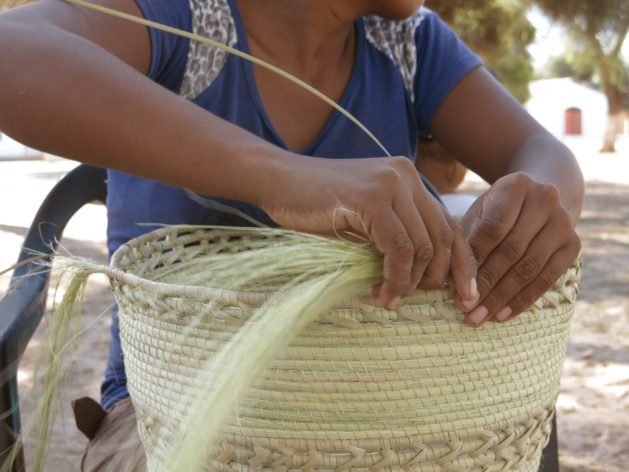
Indigenous artisans from the Pilagá community in the northern province of Formosa, within the Gran Chaco region, have begun selling their baskets online throughout Argentina. CREDIT: Rosario Bobbio/Alma Nativa

Indigenous artisans from the Pilagá community in the northern province of Formosa, within the Gran Chaco region, have begun selling their baskets online throughout Argentina. CREDIT: Rosario Bobbio/Alma Nativa

New platform for indigenous handicrafts

Communities from the Chaco, a vast region of low forests and savannas and rich biodiversity covering more than one million square km in Argentina, Bolivia and Paraguay, which is home to a diversity of native peoples, also began to market their handicrafts over Mercado Libre in the last few weeks.

“This initiative originated in Brazil with the ‘Amazonia em Pé’ programme and today we are replicating it in Argentina, in the Gran Chaco area. It seeks to build bridges between local artisans and consumers throughout the country,” explained Guadalupe Marín, director of sustainability at Mercado Libre.

“The aim is to mobilise consumers to buy products from Latin American ecosystems that are made with respect for the environment, while small producers benefit from visibility and logistical support so that local products reach the entire country,” she told IPS in Buenos Aires.

On Sept. 27, Mercado Libre launched the campaign “From the Gran Chaco, for you”, which offers for sale more than 2,500 products in 200 categories, such as baskets, indigenous and local art, decorative elements made with natural fibers, honey, weavings and handmade games.

It includes not only Alma Nativa, but also Emprendedores por Naturaleza (“entrepreneurs by/for nature”), a programme launched by the environmental foundation Rewilding Argentina, which works for the conservation of the Chaco and now promotes the sale of products made by 60 families living in rural areas adjacent to the El Impenetrable national park, the largest protected area in the region.

“The idea for the project arose last year, after we conducted a socioeconomic survey among 250 families in the area that found that the only income of 98 percent of them comes from welfare,” said Fatima Hollmann, regional coordinator of the Rewilding Argentina Communities Programme.

She told IPS that “people raise livestock for subsistence and sometimes work on fencing a field or some other temporary task, but there are no steady sources of employment in El Impenetrable.”

“That is why we are trying to generate income for local residents,” Hollmann explained in an interview in Buenos Aires. “Our production lines are focused on ceramics, since most people have built their houses there with adobe. Many also know how to make bricks and we have held trainings to teach people to turn a brick into an artistic piece, inspired by native fauna, which transmits the importance of conserving the forest.”

According to the figures released by the expert during the first week of the programme “From the Gran Chaco, for you” in early October, 644 products were offered for sale, of which 382 were sold to buyers from more than 10 Argentine provinces, including 100 percent of the textiles available and 76 percent of the wooden handicrafts.

“The alternative is to cut down the native forests,” Hollmann says. “We are proposing a transition from an extractivist economy to a regenerative one, which contributes to the reconstruction of the ecosystem, and gives consumers in the cities the chance to contribute to that goal.”

  Source