The Silent War Before COP30: How Corporations Are Weaponising the Law to Muzzle Climate Defenders

Active Citizens, Civil Society, Climate Action, Climate Change, Climate Change Justice, Conferences, COP30, Crime & Justice, Development & Aid, Economy & Trade, Energy, Environment, Freedom of Expression, Global, Headlines, Indigenous Rights, Latin America & the Caribbean, Press Freedom, TerraViva United Nations

Opinion

Family agriculture and land defenders in Colombia. Credit: Both Nomads/Forus

BELÉM, Brazil, Nov 10 2025 (IPS) – As the world prepares for the next COP30 summit, a quieter battle is raging in courtrooms. Strategic Lawsuits Against Public Participation (SLAPPs) are the fossil-fuel industry’s new favourite weapon, turning justice systems into instruments of intimidation.


“Speak out, and you’ll pay for it”

On a humid morning in August 2025, two small environmental groups in Panama — Centro de Incidencia Ambiental and Adopta Bosque Panamá — found out through social media that they were being sued for “slander” and “crimes against the national economy.” Their offence? Criticising a port project on the country’s Pacific coast.

A few days later, across the border in Costa Rica, two environmental content creators woke up to find their bank accounts frozen and salaries withheld. Their “crime” was posting videos about a tourism project they said was damaging Playa Panamá’s fragile coastline.

In both cases, the message was straightforward: speak out, and you’ll pay for it.

These are part of a growing global trend that is particularly ominous as climate activists, Indigenous defenders, and journalists push their demands upon the upcoming COP30 negotiations. The battle to protect the planet increasingly comes with an additional cost: defending yourself in court.

SLAPPs: Lawsuits Designed to Scare, Not Win

The acronym sounds almost trivial — SLAPP — but its impact is anything but. SLAPP stands for Strategic Lawsuits Against Public Participation, a term coined decades ago to describe legal actions intended not to win on merit but to intimidate, exhaust, and silence those who speak out on matters of public interest.

According to Transparency International, “SLAPPs are also known as frivolous lawsuits or gag lawsuits, as they silence journalists, activists, whistleblowers, NGOs and anyone who brings facts to light in the public interest.”

These are not just lawsuits; they are in fact strategy. They don’t need to win, they just need to drain your time, your money, and your hope.

The claimants are usually powerful, ranging from corporations, politicians, or investors.

In the Costa Rican case, the company linked to the Playa Panama tourism project did not even allege material harm. Yet the court imposed “precautionary embargoes,” blocking credit cards, freezing wages, even restricting property rights, punishing through the process.

In Panama, the developers of the Puerto Barú port project filed a criminal complaint against environmental NGOs who had challenged the project’s environmental impact assessment before the Supreme Court. Those challenges are still pending. Rather than waiting for the judiciary’s ruling, the company launched a separate legal attack, accusing those NGOs of harming the national economy.

Observers call it “judicial intimidation.” The case triggered several alerts across the EU SEE Early Warning Mechanism, warning of a “chilling effect on civic participation.”

‘Unfortunately, in Panama, judicial harassment of journalists and activists by politicians and businesspeople is already common practice because criminal law allows it. Reform is needed in relation to so-called crimes against honour and the grounds for seizure of assets. International organisations such as the Inter-American Press Association have warned about this,’ says Olga de Obaldía, executive director of Transparency International – Panama Chapter, a national member of the EU SEE network.

In Costa Rica, the embargoes imposed on content creators Juan Bautista Alfaro and Javier Adelfang sparked outrage. Within days, 72 organisations and more than 3,000 individuals — from academics to Indigenous leaders — signed an open letter condemning the action as “an assault on public interest advocacy.”

The backlash worked: members of the Frente Amplio Party introduced a bill to restrict the use of preventive embargoes in cases involving public interest speech.

But for those already targeted, the damage – emotional, financial and reputational – has already been done.

We do not just see SLAPPs deployed in Latin America. Examples of SLAPPs as a means of lawfare by the rich and powerful have been around for a long time across the globe.

In Thailand, Thammakaset sued several members of the NGO Fortify Rights and other activists for denouncing abusive working conditions. Still today content posted by communities or NGOs, or even comments under local government posts, are often picked up and turned into criminal defamation cases.

Despite the existence of anti-SLAPP provisions in the Criminal Procedure Code, experiences indicate that they are largely ineffective. The constant threat of facing litigation based on online content disrupts CSO work and chills free speech.

Climate Activism Under Pressure

As the world heads toward another global climate summit in Brazil – where journalist Amanda Miranda faces a SLAPP by government officials for uncovering corruption – we face a paradox: while governments make promises about protecting the environment, environmental defenders are being prosecuted for holding them accountable.

Brazil’s baseline snapshot on an enabling environment also highlights a related trend: environmental defenders are frequently framed as “anti-development,” a narrative used to delegitimise their work and undermine public support. SLAPPs reinforce this strategy. Beyond draining time and resources, these lawsuits inflict reputational harm, serving as tools in broader campaigns to discredit and silence critics.

According to research from the Business & Human Rights Resource Centre, the highest number of SLAPPs – almost half of them – took place in Latin America, followed by Asia and the Pacific (25%), Europe & Central Asia (18%), Africa (8.5%), and North America (9%). Nearly three-quarters of cases were brought in countries in the Global South and 63% of cases involved criminal charges. Furthermore, most individuals and groups facing SLAPPs raised concerns about projects in four sectors: mining, agriculture and livestock, logging and lumber, and finally palm oil.

In an International Center for Non-Profit law – ICNL – study on over 80 cases of SLAPPs across the Global South, out of them “91% were brought by private companies or company officials(…) 41% brought by mining companies and (…) 34% brought by companies associated with agriculture.”

According to data from the CASE Coalition, SLAPP cases have risen sharply in recent years: from 570 cases in 2022 to over 820 in 2023 in Europe alone. Around half of those targeted climate, land, and labor rights defenders. Fossil fuel and extractive industries remain the most frequent initiators.

It is important to remember that those numbers under-represent the extent of SLAPP use, they are based on reported legal cases and can’t include the many cases in which the mere threat of a lawsuit was enough to silence before filing a complaint

The Business & Human Rights Resource Centre has documented that companies linked to mining, tourism, and large infrastructure projects are increasingly using SLAPPs to paralyse critics ahead of international events like COP, when scrutiny intensifies.

The danger of SLAPPs lies in their quietness. They happen behind closed doors, in legal language, far from the marches and hashtags. The trials often do not even end up in lawsuits. Yet their effect is profound. Every frozen bank account, every unpaid legal fee, every public apology extracted under duress weakens the collective courage needed to hold power to account.

Across regions, SLAPPs follow the same playbook: identify outspoken defenders, sue them on vague charges like “defamation” or “economic harm”, drag the process out for years, win by exhausting, not convincing.

Of course, the specific tactics vary by legal context. In some countries, certain charges carry strategic advantages. For example, in the Philippines, authorities frequently rely on serious, non-bailable allegations — including charges like illegal possession of firearms — to keep activists detained for extended periods.

The Philippines remains the most dangerous country in Asia for land and environmental defenders with frequent attacks linked to mining, agribusiness, and water projects.

Political repression persists and civil society groups continue to face “red-tagging” and SLAPPs, further enabled by the passage of the Anti-Terrorism Act, the Anti-Money Laundering Act of 2001, and the Terrorism Financing Prevention and Suppression Act of 2012.

Authorities have also used fabricated firearms and explosives charges to target activists, journalists, and community leaders, often accompanied by asset freezes, surveillance, and prolonged detention. In these settings, SLAPPs can “weaponise” the criminal justice system itself to remove critics from public life entirely.

SLAPPs have become the invisible front of the climate struggle, a slow-motion suppression campaign that rarely makes headlines.

Tactics to Fight Back

In early 2024, the European Union adopted its first-ever Anti-SLAPP Directive, a milestone achievement after years of campaigning by journalists and civil society. It sets out minimum standards to prevent abusive lawsuits and protect public participation.

But implementation remains uncertain. The Vice-President of the European Commission, Vera Jourova, called the Directive “Daphne’s law,” in memory of the Maltese journalist Daphne Caruana Galizia, who was killed in 2017 while she was the victim of numerous legal proceedings against her, and whose tragic story helped raise awareness of the issue.

Beyond the European context, similar efforts to counter SLAPPs have emerged elsewhere, for example in Colombia with the Guerra v. Ruiz-Navarro case. This case illustrates the importance of investigating sexual violence and abuse of power, recognising it as a matter of public interest that warrants protection. This ruling sets a strong precedent against the misuse of courts to silence the press by influential figures and underscores that defending victims and informing the public are acts of defending human rights.

In Indonesia, another country where SLAPPs are being deployed, civil society groups continue to advocate for stronger legal protections, including legislation to protect from SLAPPs. A small step forward came in September 2024, when the Ministry of Environment and Forestry issued Regulation No. 10/2024, on legal protection for environmental defenders.

“While the Ministry of Environment and Forestry Regulation No. 10/2024 represents an initial step toward safeguarding environmental defenders, civil society organisations expect its effective implementation, coupled with broader anti-SLAPP legislation, to ensure comprehensive protection against retaliatory lawsuits and foster a secure environment for public participation in environmental governance,” says Intan Kusumaning Tiyas of INFID, national civil society platform in Indonesia.

Civil society groups are calling for action on immediate priorities.

These include stronger legal safeguards by enacting robust national anti-SLAPP laws that allow for early case dismissal, ensure defendants can recover legal costs, and penalise those who file abusive lawsuits.

Setting up solidarity and support through regional and global networks can quickly mobilise legal assistance, mental health support, and emergency funding for those targeted.

Finally, actions around visibility and accountability are needed to bring SLAPPs into the public eye and raise awareness. SLAPPs need to be framed not as ordinary legal conflicts, but as violations of human rights that weaken an enabling environment for civil society, democratic participation and obstruct climate justice.

At COP30, negotiators will debate carbon credits and transition funds. But the real test of climate commitment may lie in whether states protect the people defending rivers, forests, and coastlines from powerful interests.

Civil society hopes to push a bold message into COP30 discussions: defending the environment requires defending those who defend it and supporting an enabling environment for civil society.

This article was written with the support of the Forus team, particularly Lena Muhs, and members of the EU SEE network.

IPS UN Bureau


Turning Indigenous Territories From ‘Sacrifice’ Zones to Thriving Forest Ecosystems

Biodiversity, Climate Change Finance, Climate Change Justice, Combating Desertification and Drought, Conferences, COP30, Economy & Trade, Editors’ Choice, Environment, Featured, Global, Headlines, Human Rights, Latin America & the Caribbean, Sustainable Development Goals, TerraViva United Nations, Trade & Investment


A new report, ‘Indigenous Territories and Local Communities on the Frontlines,’ calls for secure land rights, free and informed consent, direct financing to communities, protection of life, and recognition of traditional knowledge.

Brazil's Minister of Indigenous Peoples Sonia Guajajara attends a meeting during the UN Climate Change Conference COP 30. Credit: Hermes Caruzo/COP30

Brazil’s Minister of Indigenous Peoples, Sonia Guajajara, attends a meeting during the UN Climate Change Conference COP 30. Credit: Hermes Caruzo/COP30

SRINAGAR, India & BELÉM, Brazil, Nov 8 2025 (IPS) – A report by the Global Alliance of Territorial Communities (GATC) and Earth Insight paints a stark picture of how extractive industries, deforestation, and climate change are converging to endanger the world’s last intact tropical forests and the Indigenous Peoples who protect them.


The report, ‘Indigenous Territories and Local Communities on the Frontlines,’ combines geospatial analysis and community data to show that nearly one billion hectares of forests are under Indigenous stewardship, yet face growing industrial threats that could upend global climate and biodiversity goals.

Despite representing less than five percent of the world’s population, Indigenous Peoples and local communities (IPs and LCs) safeguard more than half of all remaining intact forests and 43 percent of global biodiversity hotspots.

These territories store vast amounts of carbon, regulate ecosystems, and preserve cultures and languages that have sustained humanity’s relationship with nature for millennia. But the report warns that governments and corporations are undermining this stewardship through unrestrained extraction of resources in the name of economic growth or even “green transition.”

One of the main report authors, Florencia Librizzi, who is also a Deputy Director at Earth Insight, told IPS that the perspectives and stories from each region are grounded in the lived realities of Indigenous Peoples and local communities and come directly from the organizations from each of the regions that the report focuses on in Mesoamerica, Amazonia, the Congo Basin, and Indonesia.

Across four critical regions—the Amazon, Congo Basin, Indonesia, and Mesoamerica—extractive industries overlap with millions of hectares of ancestral land. In the Amazon, oil and gas blocks cover 31 million hectares of Indigenous territories, while mining concessions sprawl across another 9.8 million.

In the Congo Basin, 38 percent of community forests are under oil and gas threat, endangering peatlands that store immense quantities of carbon. Indonesia’s Indigenous territories face 18 percent overlap with timber concessions, while in Mesoamerica, 19 million hectares—17 percent of Indigenous land—are claimed for mining, alongside rampant narcotrafficking and colonization.

These intrusions have turned Indigenous territories into sacrifice zones. From nickel extraction in Indonesia to oil drilling in Ecuador and illegal logging in the Democratic Republic of Congo, corporate incursions threaten lives, livelihoods, and ecosystems. Between 2012 and 2024, 1,692 environmental defenders were killed or disappeared across GATC countries, with 208 deaths linked to extractive industries and 131 to logging. The report calls this violence “the paradox of protection”—the act of defending nature now puts those defenders at deadly risk.

Yet the report also documents extraordinary resilience. In Guatemala’s Maya Biosphere Reserve, Indigenous forest communities have achieved near-zero deforestation—only 1.5 percent forest loss between 2014 and 2024, compared to 11 percent in adjacent areas. In Colombia, Indigenous Territorial Entities maintain over 99 percent of their forests intact.

The O’Hongana Manyawa of Indonesia continue to defend their lands against nickel mining, while the Guna people of Panama manage autonomous governance systems that integrate culture, tourism, and ecology.

In the Congo, the 2022 “Pygmy Law” has begun recognizing community rights to forest governance, a historic step toward justice.

The report’s findings were released ahead of the 30th UN Climate Conference (COP30), emphasizing the urgency of aligning international climate and biodiversity frameworks with Indigenous rights.

The 2025 Brazzaville Declaration, adopted at the First Global Congress of Indigenous Peoples and Local Communities from the Forest Basins, provides a roadmap for such alignment.

Signed by leaders from 24 countries representing 35 million people, it calls for five key commitments: secure land rights, free and informed consent, direct financing to communities, protection of life, and recognition of traditional knowledge.

These “Five Demands” are the cornerstone of what the GATC calls a shift “from extraction to regeneration.”

They demand an end to the violence and criminalization of Indigenous leaders and insist that global climate finance reach local hands.

The report notes that, despite the 2021 COP26 pledge of 1.7 billion dollars for forest protection, only 7.6 percent of that money reached Indigenous communities directly.

“Without financing that strengthens territorial governance, all global commitments will remain symbolic,” said the GATC in a joint statement.

Reacting to the announcement of the The Tropical Forest Forever Facility (TFFF) announced on the first day of the COP Leaders’ Summit and touted as a “new and innovative financing mechanism” that would see forest countries paid every single year in perpetuity for keeping forests standing, Juan Carlos Jintiach, Executive Secretary of the Global Alliance of Territorial Communities (GATC) said, “Even if the TFFF does not reach all its fundraising goals, the message it conveys is already powerful: climate and forest finance cannot happen without us Indigenous Peoples and local leadership at its core.

“This COP offers a crucial opportunity to amplify that message, especially as it takes place in the heart of the Amazon. We hope the focus remains on the communities who live there, those of us who have protected the forests for generations. What we need most from this COP is political will to guarantee our rights, to be recognized as partners rather than beneficiaries, to ensure transparency and justice in climate finance, and to channel resources directly to those defending the land, despite growing risks and violence.”

Deforestation in Acre State, Brazil. Credit: Victor Moriyama / Climate Visuals

Deforestation in Acre State, Brazil. Credit: Victor Moriyama / Climate Visuals

Jintiach, who is also the report’s author, told IPS  the Global Alliance has proposed establishing clear mechanisms to ensure that climate finance reaches Indigenous Peoples’ and local communities’ initiatives directly, not through layers of external actors.

“That’s why we have established our Shandia Platform, a global Indigenous-led mechanism designed to channel direct, predictable, and effective climate finance to our territories. Through the Shandia Funds Network, we ensure that funding is managed according to our priorities, governance systems, and traditional knowledge. The platform also includes a transparent system to track and monitor funding flows, with a specific indicator for direct finance to Indigenous Peoples and local communities,” he said.

The report also warns that global conservation goals such as the “30×30” biodiversity target—protecting 30 percent of Earth’s land and sea by 2030—cannot succeed without Indigenous participation. Policies under the Kunming-Montreal Global Biodiversity Framework and the Paris Agreement must, it says, embed Indigenous governance and knowledge at their core. Otherwise, climate strategies risk reinforcing historical injustices by excluding those who have sustained these ecosystems for centuries.

Jintiach said that based on his experience  at GATC, Indigenous Peoples’ and local communities’-led conservation models are not only vital but also deeply effective.

“In our territories, it is our peoples and communities who are conserving both nature and culture, protecting the forests, waters, and biodiversity that sustain all of us,” he said.

He added, “Multiple studies confirm what we already know from experience: Indigenous and local community lands have lower rates of deforestation and higher biodiversity than those managed under state or private models. Our success is rooted in ancestral knowledge, collective governance, and a deep spiritual connection to the land, principles that ensure true, lasting conservation.”

According to Jintiach, the GATC 5 demands and the Brazzaville Declaration are critical global reference points and we are encouraged by the level of interest and engagement displayed by political leaders in the lead-up to COP 30.

Map highlighting extractive threats faced by Indigenous Peoples and Local Communities across the Amazon basin. Credit: GATC

Map highlighting extractive threats faced by Indigenous Peoples and Local Communities across the Amazon basin. Credit: GATC

“We are hopeful that these principles will be uplifted and championed at COP 30, the UN Permanent Forum on Indigenous Issues, CBD COP 17 and on the long road ahead,” he said.

When asked about the rising violence against environmental defenders, Jintiach said that the Brazzaville Declaration calls for a global convention to protect Environmental Human Rights Defenders, including Indigenous Peoples and local community leaders.

According to him, the governments must urgently tackle the corruption and impunity fueling threats and violence while supporting collective protection and preventing rollback of rights.

“This also means upholding and strengthening the Escazú Agreement and UNDRIP, and ensuring long-term protection through Indigenous Peoples and local communities-led governance, secure land tenure, and accountability for human rights violations.”

Earth Insight’s Executive Director Tyson Miller described the collaboration as a call to action rather than another policy document. “Without urgent recognition of territorial rights, respect for consent, and protection of ecosystems, global climate and biodiversity goals cannot be achieved,” he said. “This report is both a warning and an invitation—to act with courage and stand in solidarity.”

The case studies highlight how Indigenous governance models already offer proven solutions to the climate crisis. In the Brazilian Amazon, Indigenous organizations have proposed a self-determined Nationally Determined Contribution (NDC) to reduce emissions through territorial protection. Their slogan, “Demarcation is Mitigation,” underlines how securing Indigenous land rights directly supports the Paris Agreement’s goals. Similarly, in Central Africa, communities have pioneered decolonized conservation approaches that integrate Indigenous leadership into national park management, reversing exclusionary models imposed since colonial times.

In Mesoamerica, the Muskitia region—known as “Little Amazon”—illustrates both crisis and hope. It faces deforestation from drug trafficking and illegal logging, yet community-based reforestation and forest monitoring are restoring ecosystems and livelihoods. Women and youth play leading roles in governance, showing how inclusive leadership strengthens resilience.

The report’s conclusion is unequivocal: where Indigenous rights are recognized, ecosystems thrive; where they are ignored, destruction follows. It argues that the fight for land is inseparable from the fight against climate change. Indigenous territories are not just sources of raw materials; they are “living systems of governance, culture, and biodiversity” essential to humanity’s survival.

The Brazzaville Declaration urges governments to ratify international human rights conventions, end deforestation by 2030, and integrate Indigenous territories into national biodiversity and climate plans. It also calls for a global convention to protect environmental human rights defenders, whose safety is central to planetary stability.

For GATC’s leaders, the message is deeply personal. “Our traditional knowledge is the language of Mother Earth,” said Joseph Itongwa, GATC Co-Chair from the Congo Basin. “We cannot protect the planet if our territories, our identity, and our livelihoods remain under threat.”

This feature is published with the support of Open Society Foundations.

IPS UN Bureau Report

IPS UN Bureau, IPS UN Bureau Report,

  Source

They Have Known Nothing but War—The Plight of Syria’s Out-of-School Children

Active Citizens, Aid, Armed Conflicts, Conferences, Development & Aid, Education, Featured, Headlines, Human Rights, Humanitarian Emergencies, Latin America & the Caribbean, Middle East & North Africa, Sustainable Development Goals

Education

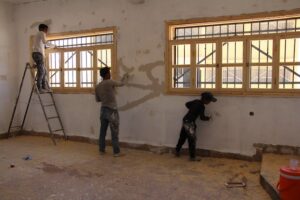
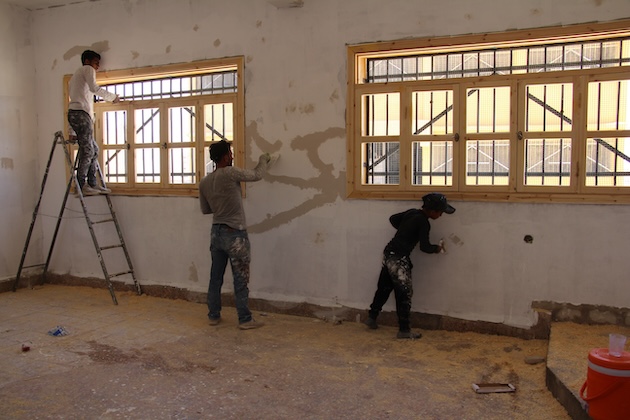
The community gets together to repair a school in the city of Saraqib, located south of Idlib, that was destroyed by bombing during the Assad regime. Credit: Sonia Al Ali/IPS

The community gets together to repair a school in the city of Saraqib, located south of Idlib, that was destroyed by bombing during the Assad regime. Credit: Sonia Al Ali/IPS

IDLIB, Syria, Oct 16 2025 (IPS) – The war has deprived thousands of Syrian children of their right to education, especially displaced children in makeshift camps. Amidst difficult economic conditions and the inability of many families to afford educational costs, the future of these children is under threat.


Adel Al-Abbas, a 13-year-old boy from Aleppo, northern Syria, was forced to quit his education after being displaced from his city and moving to a camp on the Syrian-Turkish border. He says, “I was chasing my dream like any other child, but my family’s poverty and the harsh circumstances stood in my way and destroyed all my dreams.”

Adel had hoped to become an engineer, but he left school and gave up on his goal. He replaced books and pens with work tools to help his impoverished family secure life’s necessities. He adds, “We are living in extremely difficult conditions today; we can’t even afford food. So, I have to find a job to survive and help my family, especially after my father was hit by shrapnel in the head, which caused him a permanent disability.”

Adel’s mother is saddened by her son’s situation, saying to IPS, “We need the income my son brings in after my husband got sick and became unable to provide for our family. In any case, work is better than an education that is now useless after he’s been out of school for so long and has fallen behind his peers.”

Reem Al-Diri, an 11-year-old, left school after her family was displaced from rural Damascus to the city of Idlib in northern Syria. Explaining why, she speaks with a clear sense of regret: “I loved school very much and was one of the top students in my class, but my family decided I had to stop my education to help my mom with the housework.”

The young girl confirms that she watches children on their way to school every morning, and she wishes she could go with them to complete her education and become a teacher in the future.

Reem’s mother, Umayya Al-Khalid, justifies her daughter’s absence from school, saying, “After we moved to a camp on the outskirts of Idlib, the schools became far from where we live. We also suffer from a lack of security and the widespread kidnapping of girls. So, I feared for my daughter and preferred for her to stay at home.”

Causes of school dropout

Akram Al-Hussein, a school principal in Idlib, northern Syria, speaks about the school dropout crisis in the country.

“School dropouts are one of the most serious challenges facing society. The absence of education leads to an unknown future for children and for the entire community.”

Al-Hussein emphasizes that relevant authorities and the international community must exert greater efforts to support education and ensure it does not remain a distant dream for children who face poverty and displacement.

He adds, “The reasons and motivations for children dropping out of school vary, ranging from conditions imposed by war—such as killings, displacement, and forced conscription-to child labor and poverty. Other factors include frequent displacement and the child’s inability to settle in one place during the school year, as well as a general lack of parental interest in education and their ignorance of the risks of depriving a child of schooling.”

In this context, the Syria Response Coordinators team, a specialized statistics group in Syria, noted in a statement that the number of out-of-school children in Syria has reached more than 2.5 million, with northwestern Syria alone accounting for over 318,000 out-of-school children, with more than 78,000 of them living in displacement camps. Of this group, 85 percent are engaged in various occupations, including dangerous ones.

In a report dated June 12, 2024, the team identified the key reasons behind the widening school dropout crisis.

A shortage of schools relative to the population density, a shift towards private education, difficult economic conditions, a lack of local government laws to prevent children from entering the labor market, displacement and forced migration, and a marginalized education sector with insufficient support from both local and international humanitarian organizations are seen as the causes.

The team’s report warned that if this trend continues, it will lead to the emergence of an uneducated, illiterate generation. This generation will be consumers rather than producers, and as a result, these uneducated children will become a burden on society.

Initiatives to Restore Destroyed Schools

The destruction of schools in Syria has significantly contributed to the school dropout crisis. Throughout the years of war, schools were not spared from destruction, looting, and vandalism, leaving millions of children without a place to learn or in buildings unfit for education. However, with the downfall of the Assad regime, several initiatives have been launched to restore these schools. This is seen as an urgent and immediate necessity for building a new Syria.

Samah Al-Dioub, a school principal in the northern Syrian city of Maarat al-Nu’man, says, “Syria’s schools suffered extensive damage from both the earthquake and the bombings. We have collected funds from the city’s residents and are now working on rehabilitating the school, but the need is still immense and the costs are very high, especially with residents returning to the city.” She explained that their current focus is on surveying schools and prioritizing which ones need renovation the most.

Engineer Mohammad Hannoun, director of school buildings at the Syrian Ministry of Education, states that approximately 7,400 schools across Syria were either partially or completely destroyed. They have restored 156 schools so far.

Hannoun adds, “We are working to rehabilitate schools in all Syrian regions, aiming to equip at least one school in every village or city to welcome returning students. The Ministry of Education, along with local and international organizations and civil society, are all contributing to these restoration efforts.”

Hannoun points out that the extensive damage to school buildings harms both teachers and students. It leads to a lack of basic educational resources, puts pressure on the few schools that are still functional, and causes a large number of students to drop out, which ultimately impacts the quality of the educational process.

As part of their contingency plans, Hannoun explains that the ministry, in collaboration with partner organizations, intends to activate schools with the available resources to accommodate children returning from camps and from asylum countries. This effort is particularly focused on affected areas that have experienced massive waves of displacement.

The United Nations Children’s Fund (UNICEF) said in 2025, 16.7 million people, including 7.5 million children, are in need of humanitarian support in the country, with 2.45 million children out of school, and 2 million children are at risk of malnutrition.

The phenomenon of school dropouts has become a crisis threatening Syria’s children, who have been forced by circumstances to work to earn a living for their families. Instead of being in a classroom to build their futures, children are struggling to survive in an environment left behind by conflict and displacement.

  Source

Global South Can Rebalance Climate Agenda in Belém, Says Gambian Negotiator

Active Citizens, Africa, Climate Change, Climate Change Finance, Climate Change Justice, COP30, Development & Aid, Editors’ Choice, Environment, Featured, Global, Headlines, International Justice, Latin America & the Caribbean, Sustainable Development Goals, TerraViva United Nations

COP30


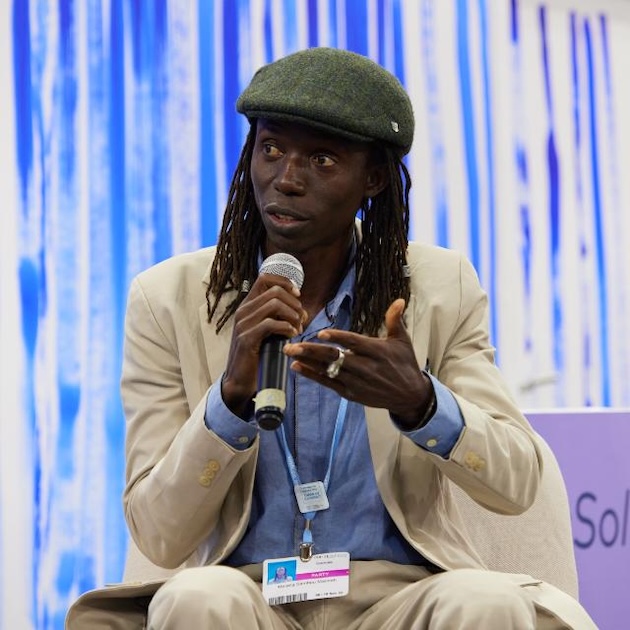
COP30 negotiator Malang Sambou Manneh believes the method of countering growth in fossil fuel development lies in technology. Showcasing alternatives that work provides the opportunity for the global South to take the lead and present best practices in renewables.

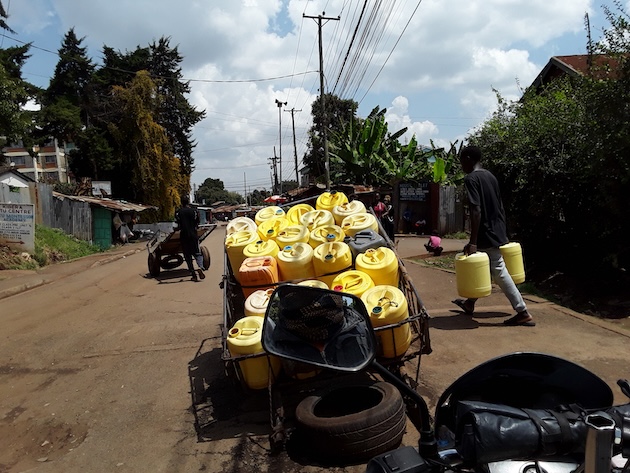
Climate change is a significant contributor to water insecurity in Africa. Water stress and hazards, like withering droughts, are hitting African communities, economies, and ecosystems hard. Credit: Joyce Chimbi/IPS

Climate change is a significant contributor to water insecurity in Africa. Water stress and hazards, like withering droughts, are hitting African communities, economies, and ecosystems hard. Credit: Joyce Chimbi/IPS

NAIROBI, Oct 14 2025 (IPS) – The Gambia’s lead negotiator on mitigation believes that COP30 presents a unique opportunity to rebalance global climate leadership.


“This COP cannot be shrouded in vagueness. Too much is now at stake,” Malang Sambou Manneh says in an interview with IPS ahead of the climate negotiations. He identified a wide range of issues that are expected to define COP30 climate talks.

The global community will shortly descend on the Amazon rainforest, the world’s largest intact forest, home to more than 24 million people in Brazil alone, including hundreds of thousands of Indigenous Peoples. Here, delegates will come face-to-face with the realities of climate change and see what is at stake.

Malang Sambou Manneh

Malang Sambou Manneh.

COP30, the UN’s annual climate conference, or the Conference of Parties, will take place from November 10-21, 2025 in the Amazonian city of Belém, Brazil and promises to be people-centered and inclusive. But with fragmented and fragile geopolitics, negotiations for the best climate deal will not be easy.

Sambou, a lead climate negotiator who has attended all COPs, says a unified global South is up to the task.

He particularly stressed the need for an unwavering “focus on mitigation or actions to reduce or prevent greenhouse gas emissions.” Stating that the Mitigation Work Programme is critical, as it is a process established by the United Nations Framework Convention on Climate Change (UNFCCC) at COP26 to urgently scale up the ambition and implementation of efforts to mitigate climate change globally.

Sambou spoke about how COP30 differs from previous conferences, expectations from the global South, fossils fuels and climate financing, stressing that “as it was in Azerbaijan for COP29, Belem will be a ‘finance COP’ because climate financing is still the major hurdle. Negotiations will be tough, but I foresee a better outcome this time round.”

The Baku to Belém Roadmap to 1.3T is expected to be released soon, outlining a framework by the COP 29 and COP 30 Presidencies for scaling climate finance for developing countries to at least USD 1.3 trillion annually by 2035.

Unlike previous conferences, COP30 focuses on closing the ambition gap identified by the Global Stocktake, a periodic review that enables countries and other stakeholders, such as the private sector, to take inventory to assess the world’s collective progress in meeting its climate goals.

The first stocktake was completed at COP28 in 2023, revealing that current efforts are insufficient and the world is not on track to meet the Paris Agreement. But while the Paris Agreement, a legally binding international treaty on climate change, set off on a high singular note when it entered into force in November 2016, that unity is today far from guaranteed.

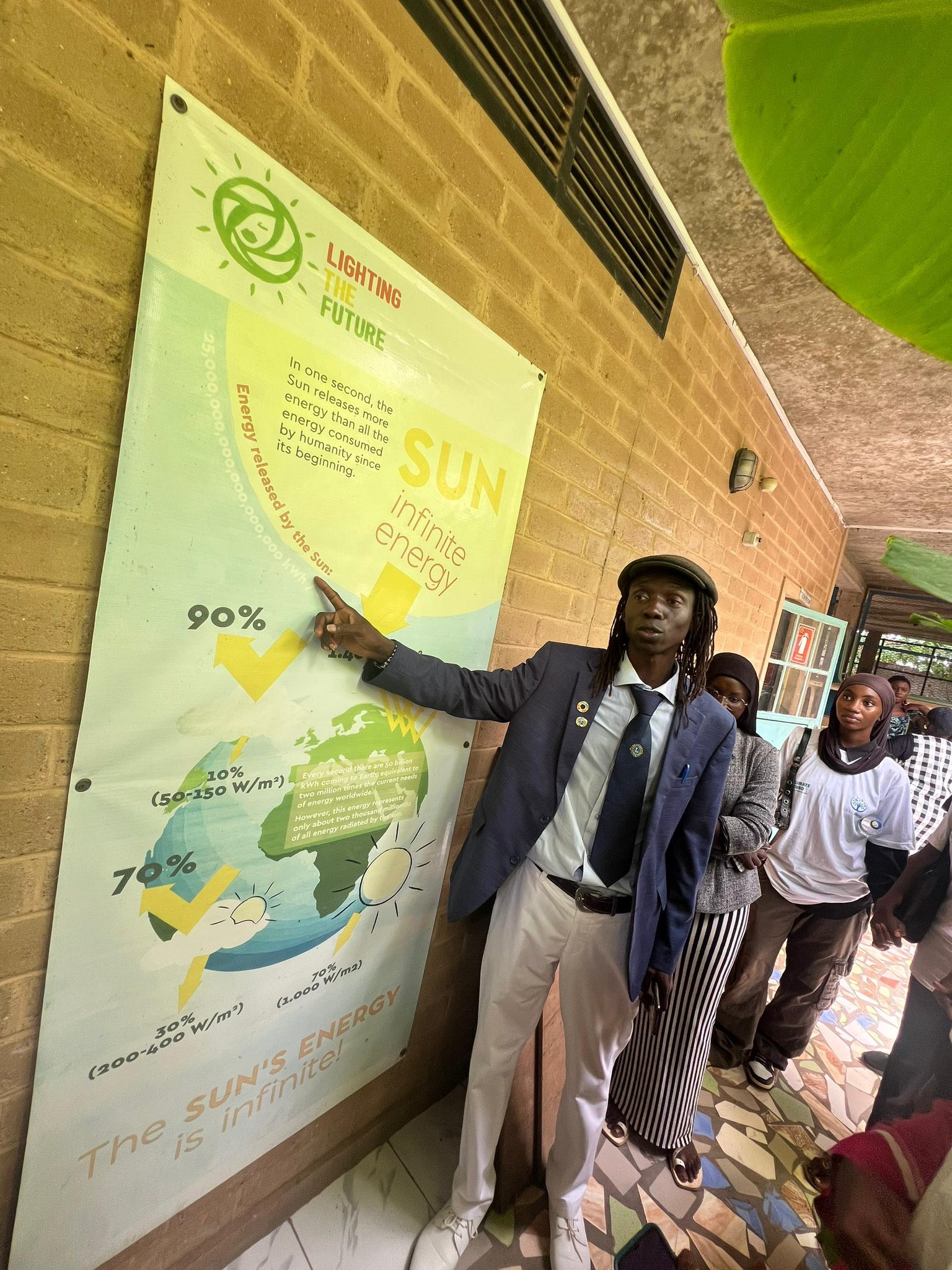
Malang Sambou Manneh with She-Climate Fellows. Credit: Clean Earth Gambia/Facebook

Malang Sambou Manneh with She-Climate Fellows. Credit: Clean Earth Gambia/Facebook

Unlocking high-impact and sustainable climate action opportunities amidst geopolitical turbulence was always going to be difficult. Not only did President Donald Trump pull the United States out of the Paris Agreement, but he is now reenergized against climate programs and robustly in support of fossil fuels—and there are those who are listening to his message.

Sambou says while this stance “could impact the transition from fossil fuels to clean energy, many more countries are in favor of renewable energy than against.”

“But energy issues are complex because fossil fuels have been a way of life for centuries, and developed countries leveraged fossil fuels to accelerate development. And then, developing countries also started discovering their oil and gas, but they are not to touch it to accelerate their own development and must instead shift to renewables. It is a complex situation.”

Ilham Aliyev, the President of Azerbaijan, famously described oil as a “gift from God” at COP29 to defend his country’s reliance on fossil fuels despite climate change concerns. This statement highlights the complexity of the situation, especially since it came only a year after the landmark COP28 hard-won UAE Consensus included the first explicit reference to “transitioning away from all fossil fuels in energy systems” in a COP agreement.

As a negotiator, Sambou says he is very much alive to these dynamics but advises that the global community “will not successfully counter fossil fuels by saying they are bad and harmful; we should do so through technology. By showcasing alternatives that work. This is an opportunity for the global South to take the lead and present best practices in renewables.”

And it seems there is evidence for his optimism. A recent report shows the uptake of renewables overtaking coal generation for the first time on record in the first half of 2025 and solar and wind outpacing the growth in demand.

This time around, the global south has its work cut out, as it will be expected to step up and provide much-needed leadership as Western leaders retreat to address pressing problems at home, defined by escalating economic crises, immigration issues, conflict, and social unrest.

It is in the developing world’s leadership that Sambou sees the opportunities—especially as scientific evidence mounts on the impacts of the climate crisis.

The World Meteorological Organization projects a continuation of record-high global temperatures, increasing climate risks and potentially marking the first five-year period, 2025-2029.

Sambou says all is not lost in light of the new and ambitious national climate action plans or the Nationally Determined Contributions.

This past September marked the deadline for a new set of these contributions, which will guide the COP30 talks. Every five years, the signatory governments to the Paris Agreement are requested to submit new national climate plans detailing more ambitious greenhouse gas emission reduction and adaptation goals.

“Ambition has never been a problem; it is the lack of implementation that remains a most pressing issue. Action plans cannot be implemented without financing. This is why the ongoing political fragmentation is concerning, for if there was ever a time to stand unified, it is now. The survival of humanity depends on it,” he emphasizes.

“Rather than just setting new goals in Belém, this time around, we are better off pushing for a few scalable solutions, commitments that we can firmly hold ourselves accountable to, than 200 pages of outcomes that will never properly translate into climate action.”

Despite many competing challenges and a step forward, two steps backwards here and there, from the heart of the Amazon rainforest, COP30’s emphasis on the critical role of tropical forests and nature-based solutions is expected to significantly drive action for environmental and economic growth.

Note: This interview is published with the support of Open Society Foundations.

IPS UN Bureau Report
  Source

‘No Solution Will Work If the Institutions Responsible for Abuses Remain in Charge of Implementing It’

Active Citizens, Civil Society, Crime & Justice, Featured, Headlines, Human Rights, Latin America & the Caribbean, TerraViva United Nations

Oct 13 2025 (IPS) –  
CIVICUS discusses enforced disappearances in Mexico with a member of the International Network of Associations of Missing Persons.

The crisis of disappearances in Mexico has reached alarming proportions, with over 52,000 unidentified bodies in morgues and mass graves. On 1 July, the Mexican Congress approved controversial changes to the General Law on Disappearances, which promise to modernise the search process through a national biometric system, but which human rights organisations and victims’ groups claim could establish an unprecedented system of mass surveillance.


What are the main changes and how will they affect searches?


The changes seek to strengthen the mechanisms for searching for, locating and identifying missing persons. The main innovations include the creation of a National Investigation File Database and a Single Identity Platform that will integrate various databases. The revised law also provides for the strengthening of the Unique Population Registry Code (CURP) through the incorporation of biometric data such as iris scans, photographs and fingerprints.

The law obliges authorities and individuals to provide information useful for search processes and incorporates new institutions such as the National Guard and the Ministry of Security into the National Search System. It also increases the penalties for the crime of enforced disappearance.

The new system aims to ensure faster and more efficient searches through technology and inter-institutional coordination. It also provides for the use of satellite imagery and advanced identification technologies, under the coordination of the National Search System.

What risks are posed by the authorities’ access to biometric data?

There are serious concerns that the changes give security and justice institutions, including prosecutors’ offices, the National Guard and the National Intelligence Centre, immediate and unrestricted access to public and private databases, including those containing biometric information. The official argument is that this will speed up searches.

However, civil society warns that the Single Identity Platform and the biometric CURP could become instruments of mass surveillance. It is feared the authorities could misuse the information and, instead of helping to find missing persons, use it to help control the population, putting the rights to privacy and security at risk.

How have victims’ groups reacted?

Victims’ collectives have rejected the reform as opaque and rushed. They complain that, although round table discussions were organised, these were merely symbolic and their proposals were not taken into account.

The families of missing persons argue the changes focus on technological solutions that don’t address the underlying structural problems of corruption, cronyism, organised crime and impunity. But no technological solution will work as long as the institutions responsible for abuses and cover-ups remain in charge of implementing it.

This law runs the risk of repeating the mistakes of the 2017 General Law on Enforced Disappearances. That was an important step forward, as it criminalised the offence, created a national search system and sought to guarantee the participation of families in locating and identifying missing persons. Unfortunately, it was never properly implemented. There are fears this new law, in the absence of effective enforcement mechanisms, will only deepen frustration and perpetuate impunity.

What alternatives do victims’ groups propose?

Their demands go beyond legislative changes: they demand truth and justice through thorough investigations, the prosecution of those responsible in state institutions and organised crime groups and an effective search in the field, with the coordination and active participation of victims’ groups.

The collectives also stress the urgency of identifying the over 52,000 unnamed people in morgues and mass graves, and are calling for the creation of an Extraordinary Forensic Identification Mechanism. And they demand real protection for those searching for their relatives, who continue to face threats and attacks.

Above all, they demand an end to impunity through the dismantling of the networks of corruption and collusion between authorities and organised crime. As one local activist summed it up, at the end of the day, without a genuine National Plan for Missing Persons, none of this will work. Each state also needs its own plan. Otherwise, we will remain in the same situation: without results, without reports and without answers about our disappeared.

GET IN TOUCH
Website
Facebook

SEE ALSO
Mexico’s judicial elections consolidate ruling party power CIVICUS Lens 23.Jun.2025
The disappeared: Mexico’s industrial-scale human rights crisis CIVICUS Lens 22.Apr.2025
‘The discovery of the torture centre exposed the state’s complicity with organised crime’ CIVICUS Lens | Interview with Anna Karolina Chimiak 09.Apr.2025

  Source

Man, Sea, Algae: HOMO SARGASSUM’s Stirring Critique of Human Culpability in the Caribbean

Active Citizens, Arts, Biodiversity, Climate Change, Editors’ Choice, Environment, Global, Headlines, Latin America & the Caribbean, Natural Resources, TerraViva United Nations

Arts

“Plastic Ocean” by Alejandro Duràn, one of the artworks previously on display in the UN lobby. Credit: Jennifer Levine/IPS

“Plastic Ocean” by Alejandro Duràn, one of the artworks previously on display in the UN lobby. Credit: Jennifer Levine/IPS

UNITED NATIONS, Jul 14 2025 (IPS) – The United Nations’ HOMO SARGASSUM exhibition served as a public immersion into the marine world and called upon viewers to take action in the face of the climate crisis, specifically regarding invasive species and water pollution.


For the past month, an art exhibition entitled HOMO SARGASSUM took up residence in the New York headquarters lobby in connection to World Ocean Month and the 2025 UN Ocean Conference. Organized by the Tout-Monde Art Foundation. In its final week on display, visitors walked through the various projected films, sculptures and photographs. The exhibit closed on July 11.

The work is described as an immersive multisensorial art and science exhibition intended to bring together various experts in science, scholarship and creativity from the Caribbean to share their perspectives on the prevalent environmental and social issue. The exhibit is primarily an introspective study of sargassum, a type of seaweed or algae commonly found on the coast of the Americas and in the Caribbean.

Sargassum, which has proliferated significantly in recent years due to pollution and chemical fertilizer, releases toxic gases that harm nearby residents in water and on land. Animals struggle to survive, and humans experience respiratory failures and burns. This algae has inspired fear since Christopher Columbus recorded his crew’s sighting of the plant. Sargassum has also become a symbol recently for climate change in the Caribbean as well as the coexisting nature of marine and human life.

Co-curator and executive and artistic director of the Tout-Monde Art Foundation Vanessa Selk described the exhibit as a journey rather than a singular experience. She said, “Much like sargassum migrating through the Atlantic Ocean, we encounter natural and human-made challenges such as pandemics, pollutants and hurricanes. This narrative of the global ecological crisis, reflected in silent floating algae, warns us to change our existing paradigms and consider ourselves as one with our environment.”

Billy Gerard Frank, one of the featured artists in HOMO SARGASSUM, echoes this sentiment.

Frank created a mixed-media piece entitled “Poetics of Relation and Entanglement” with a painting featuring Columbus’ archival notes and sargassum pigment, as well as a film he shot on the island of Carriacou. The film centered on a large metal tank surrounded by sargassum, which had washed on shore and rusted onto the massive object. He specifically shot the film around the sargassum and the tank, an eyesore for the locals who used the beach and a barrier to boats trying to leave. Growing up in Grenada, Frank recalls sargassum as a mild inconvenience but explained how it has become more prevalent due to climate change.

However, only in recent years has conversation around sargassum shifted towards the impact of climate change and geographical inequities, like, as Frank noted, how smaller islands that produce significantly lower levels of pollution are the worst affected by climate change through natural disasters.

He referenced the recent Hurricane Beryl, a Category 5 storm that “completely devastated” islands like Carriacou. His inclusion of Columbus’ notes brings a decolonial perspective: the threats Caribbean islands face from mounting climate change are exacerbated by their history of occupation, mostly from European colonial powers. In a global organization like the UN where historical, geographical and environmental context is key to making any decision, such an interdisciplinary perspective is key.

From countless gifts from member states to various donations, the UN has been an artistic hub since its inception. As both a tourist attraction and space of work for international diplomats, the UN is a particularly ripe space for more radical, political art—notably Guernica, a tapestry based on a Picasso painting portraying the Spanish Civil War—due to its broad audience.

Speaking to IPS, Frank shared how influential art has been in political, social and intellectual movements, saying, “historically…creators, writers, and artists have been able to forge ahead and create new spaces…it gives us some hope that our work and the calling are even more important.”

Frank also told IPS how important it was for him to have the work featured at the UN.

“Because the UN is also a site of consternation right now, specifically with everything that’s happening globally. And in fact, that’s the space where this type of work should be, where there should be more conversation, and a space in which it could create a critical dialogue amongst people who work there, but also the public facing that too.”

IPS UN Bureau Report

  Source