Tanzania, Mozambique and Malawi Launch $7.12 Million GEF Project to Protect the Ruvuma Basin

Africa, Biodiversity, Conferences, Conservation, Development & Aid, Economy & Trade, Editors’ Choice, Environment, Featured, Green Economy, Headlines, Natural Resources, Sustainable Development Goals, TerraViva United Nations
Environment

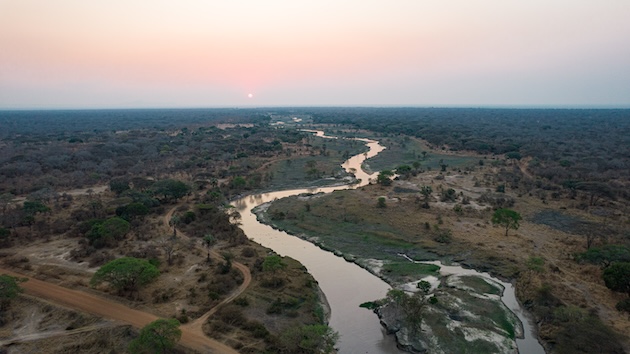
The Ruvuma River winds through wetlands and forests in southern Tanzania, forming part of the natural border with Mozambique. The river sustains farming, fishing and wildlife across the vast Ruvuma River Basin, supporting millions of people who depend on its waters for their livelihoods. Credit: Kizito Makoye/IPS

The Ruvuma River winds through wetlands and forests in southern Tanzania, forming part of the natural border with Mozambique. The river sustains farming, fishing and wildlife across the vast Ruvuma River Basin, supporting millions of people who depend on its waters for their livelihoods. Credit: Kizito Makoye/IPS

DAR ES SALAAM, Tanzania, Mar 16 2026 (IPS) – At dawn, the Ruvuma River moves quietly through a vast wetland along the border between Tanzania and Mozambique. Its muddy waters appear calm, disturbed only by drifting logs and the occasional ripple.


But the fishermen paddling wooden canoes across the river know the danger that lurks under the surface.

“Always keep away from the edge,” says Hamisi Mkude, a fisherman from Michenjele village. “Never trust this river.”

For generations, communities living along the Ruvuma Basin have learned to coexist with crocodiles, whose presence defines life on one of East Africa’s most dangerous rivers. Fishermen follow unwritten rules passed down through families: stay away from the water’s edge, avoid muddy banks marked by crocodile tracks, and never wade into the river.

“That distance saves lives,” Mkude tells IPS by phone. “Crocodiles attack from the bank.”

Inside the small fishing boats, discipline is strict. Arms and legs must never dangle over the side, and no one stands on the canoe’s edge while pulling in nets.

Yet despite the dangers, the Ruvuma River remains the lifeline of millions of people who live within its vast basin.

Stretching across about 155,000 square kilometres, the Ruvuma Basin connects southern Tanzania’s highlands with eastern Malawi and northern Mozambique before snaking into the Indian Ocean. Along its long journey, the river nourishes forests, wetlands and fertile floodplains that support farming, fishing and transport.

But the ecosystem that sustains these communities is increasingly under pressure from deforestation, unsustainable land use and climate change.

Now, Tanzania, Mozambique and Malawi have launched a new regional initiative aimed at protecting the fragile ecosystems of the basin.
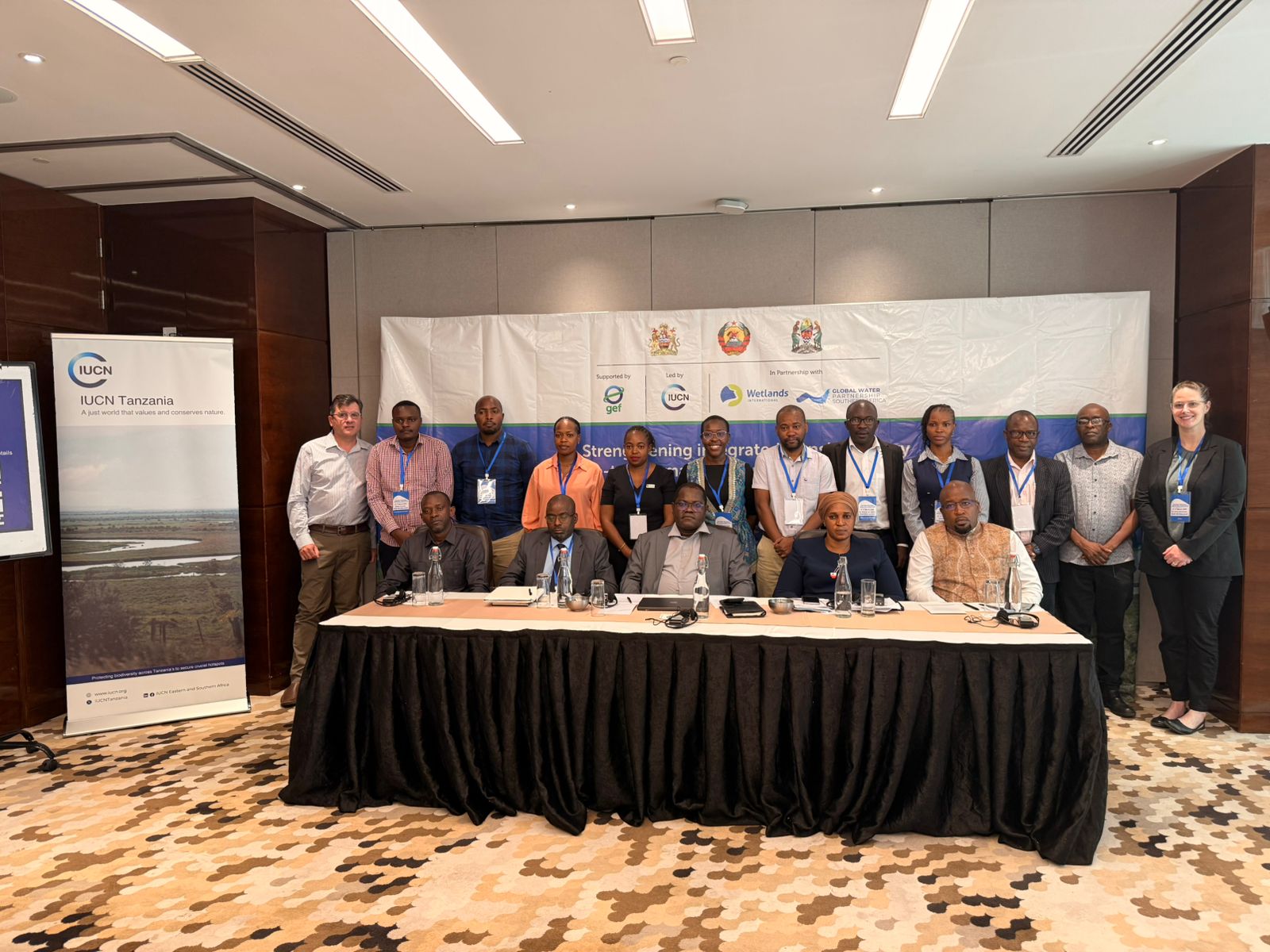
Delegates from Tanzania, Mozambique and Malawi pose for a group photo during the inception workshop launching the “Strengthening Integrated Transboundary Source-to-Sea Management of the Ruvuma River Basin and Its Coastal Zones” project at Johari Rotana on March 4, 2026. The five-year, USD 7.12 million initiative funded by the Global Environment Facility aims to improve cross-border management of the Ruvuma River Basin, protecting ecosystems while strengthening livelihoods for communities across Tanzania, Mozambique and Malawi. Credit: Kizito Makoye/IPS

Delegates from Tanzania, Mozambique and Malawi pose for a group photo during the inception workshop launching the “Strengthening Integrated Transboundary Source-to-Sea Management of the Ruvuma River Basin and Its Coastal Zones” project at Johari Rotana on March 4, 2026. The five-year, $7.12 million initiative funded by the Global Environment Facility aims to improve cross-border management of the Ruvuma River Basin, protecting ecosystems while strengthening livelihoods for communities across Tanzania, Mozambique and Malawi. Credit: Kizito Makoye/IPS

A Transboundary Effort

The three countries have unveiled a project to strengthen environmental management across the Ruvuma Basin.

Officials announced the initiative during a workshop in Dar es Salaam, bringing together policymakers, scientists and conservationists concerned about the basin’s future.

The programme will be implemented with USD 7.12 million in funding from the Global Environment Facility (GEF) and led by the International Union for Conservation of Nature (IUCN) with Global Water Partnership Southern Africa and Wetlands International.

About 65 percent of the basin lies in Mozambique, 34 percent in Tanzania, and a small portion in Malawi, making cooperation between the three countries essential.

“This inception workshop marks an important milestone,” said Julie Mulonga, director of Wetlands International Eastern Africa. “It represents the transition from planning to implementation, when our shared vision begins to translate into coordinated action.”

The initiative aims to improve management of forests, wetlands and water resources from the upper catchments of the basin to its coastal ecosystems.

A River That Sustains Millions

The Ruvuma River begins in the highlands of southern Tanzania and flows more than 800 kilometres to the Indian Ocean.

Along the way, it supports a wide range of ecosystems, including wetlands, forests, floodplains and estuaries that are among the most biologically diverse landscapes in southeastern Africa.

For communities scattered along its banks, the river is central to daily life.

Farmers depend on its waters to irrigate crops such as maize, rice and cassava. Fishermen rely on the river for their daily catch. Women collect water for cooking and washing, while pastoralists bring livestock to drink.

Seasonal rhythms shape life across the basin.

During the rainy season, the river swells and floods surrounding wetlands that serve as breeding grounds for fish and wildlife. In the dry months, shrinking channels concentrate fish stocks that sustain local economies.

But these natural cycles are becoming increasingly unpredictable.

“The Ruvuma landscape is both ecologically important and socially vital,” Mulonga told participants at the meeting. “Its wetlands, forests and agricultural lands support millions of people across Tanzania, Malawi and Mozambique.”

“These ecosystems regulate water resources, sustain biodiversity and underpin livelihoods and food security,” she added.

Growing Environmental Pressures

Environmental experts warn that the basin’s ecosystems are under mounting strain.

Across the region, forests are being cleared for farmland and charcoal production. Hillsides once covered with woodland are now exposed to erosion, sending sediment into rivers and damaging aquatic habitats.

Population growth is increasing demand for land, while climate change is altering rainfall patterns.

“Land degradation, unsustainable farming and deforestation are placing increasing pressure on these ecosystems,” Mulonga said.

Scientists warn that without coordinated action, the basin could lose ecological functions that are vital for both biodiversity and human livelihoods.

A “Source-to-Sea” Approach

The new initiative adopts what experts call a “source-to-sea” approach, recognising that environmental activities upstream can affect ecosystems downstream.

For example, deforestation in the upper catchments can increase soil erosion and sediment in rivers, affecting fisheries and coastal habitats further along the basin.

Project planners say the programme will focus on improving land management in agricultural areas, restoring degraded landscapes and protecting wetlands.

“The Ruvuma River Basin serves as a vital lifeline for millions across Malawi, Mozambique, and Tanzania,” said Andrew Hume, International Waters Focal Area Coordinator at the Global Environment Facility.

“This project demonstrates how safeguarding the basin depends on a shared vision and collaborative transboundary efforts. By supporting this initiative, the GEF is helping to connect land, freshwater, and marine management in a model that transcends national borders. This comprehensive, source-to-sea approach reflects our commitment to protecting international waters and will guide our future investments in shared ecosystems as we move toward GEF-9.”

The project aims to restore about 88,620 hectares of degraded ecosystems while improving landscape management across nearly 280,000 hectares. More than 50,000 people are expected to benefit directly from the initiative.

Representatives from conservation organisations say the project could demonstrate how integrated environmental management can work across national borders.

“The project embodies an integrated vision of land, freshwater and marine resources,” said a representative from the IUCN. “It positions the Ruvuma Basin as a model for transboundary resource management and sustainable development.”

Cooperation Across Borders

Because the river crosses national boundaries, cooperation among the three countries is critical.

Decisions made upstream can have consequences downstream.

For instance, changes in land use in Tanzania may affect water flows in Mozambique, while environmental degradation in Malawi could influence sediment levels in the lower basin.

For years, limited coordination between countries made it difficult to manage the basin effectively.

But officials say that is beginning to change.

The three countries have signed agreements to strengthen collaboration through the Joint Development and Management of the Ruvuma Basin.

James Chitete, head of the Malawian delegation, said the project represents an opportunity for shared responsibility.

“The project is not only about water management,” he said. “It is about safeguarding ecosystems, improving livelihoods and ensuring our natural resources benefit present and future generations.”

Improving Knowledge and Governance

Beyond environmental restoration, the initiative will also focus on strengthening governance and scientific research.

Experts say that data on water flows and environmental changes in the basin remain limited.

The project aims to improve hydrological monitoring and data sharing between the three countries to help policymakers make informed decisions.

“The source-to-sea approach recognises that land management affects river health and coastal ecosystems,” said the chairperson of the Joint Development and Management of the Ruvuma Basin.

“Decisions made in one part of the basin can have consequences across borders.”

Communities at the Centre

Experts stress that local communities must play a central role in protecting the basin.

Farmers, fishermen and pastoralists interact with the landscape every day, making them key partners in conservation efforts.

The project therefore emphasises community participation and aims to involve women and youth in environmental decision-making.

“The Ruvuma River Basin is a shared resource and opportunity,” said Shamiso Kumbirai of Global Water Partnership Southern Africa.

“Through cooperation and inclusive governance, this project can strengthen ecosystem health and regional collaboration.”

Protecting Wetlands

Wetlands – often overlooked in development planning – are receiving particular attention under the initiative.

These ecosystems act as natural filters, trapping sediment and pollutants before they reach rivers.

They also store water during rainy seasons and release it gradually during dry periods, helping regulate river flows and reduce flood risks.

“Wetlands are often undervalued,” Mulonga said.

“Yet they regulate water flows, reduce flood risks and support biodiversity. They are natural infrastructure that enhances climate resilience.”

Climate Change Challenges

Climate variability is already affecting communities along the Ruvuma River.

Farmers report shifting rainfall patterns that disrupt planting seasons, while fishermen say fish populations are changing as water temperatures fluctuate.

Floods have also become more intense in recent years, damaging homes and crops.

To address these challenges, the project will promote nature-based solutions such as forest restoration, sustainable agriculture and wetland conservation.

Experts say strengthening ecosystems can help communities adapt to climate change while protecting biodiversity.

Life Along the River

Back on the Ruvuma River, fishermen like Abdallah Hassan say they understand the delicate balance between humans and nature.

Declining fish stocks or polluted water would threaten their livelihoods.

“You must respect the river,” Hassan says. “If you respect it, it will feed you.”

As the meeting in Dar es Salaam concludes, officials express cautious optimism that the new initiative could improve cooperation and restore degraded ecosystems across the basin.

Conservation groups say the project could also become a model for transboundary environmental management in Africa.

For communities living along the river, the stakes are high.

At sunset, fishermen pull in their nets as lanterns flicker on the darkening waters of the Ruvuma.

Beneath the surface, crocodiles slither silently.

For generations, survival here has depended on knowledge, discipline and cooperation — principles that the three nations now hope will guide the protection of the river they share.

For fishermen like Mkude, the hope is simple: That the Ruvuma River will endure for generations to come.

Note: This feature is published with the support of the GEF. IPS is solely responsible for the editorial content, and it does not necessarily reflect the views of the GEF

IPS UN Bureau Report
 

Housing as Climate Resilience in Asia-Pacific Cities

Asia-Pacific, Civil Society, Climate Change, Environment, Featured, Headlines, Humanitarian Emergencies, Sustainable Development Goals, TerraViva United Nations

Opinion

Housing as Climate Resilience in Asia-Pacific Cities

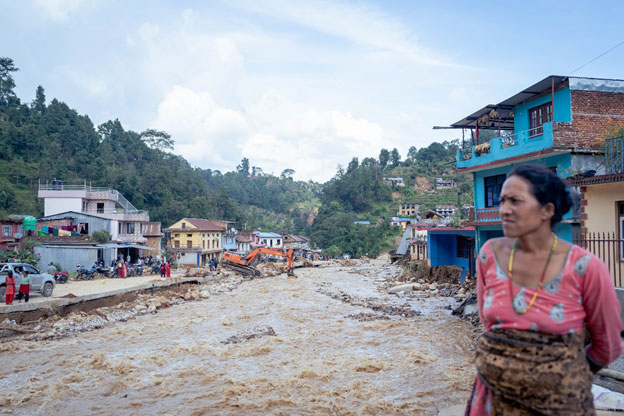
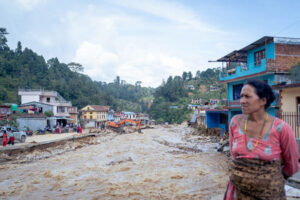
A woman looking at the flooding and landslides in Panauti Muncipality of central Nepal in October 2024. Housing resilience is essential in preventing urban loss and saving lives. Credit: UNICEF/ Rabik Upadhayay

BANGKOK, Thailand, Mar 16 2026 (IPS) – Access to adequate housing is a foundation of resilient cities. Safe and affordable homes provide stability, allow residents to access essential services, and enhance the capacity for communities to withstand and recover from shocks. Yet housing is often treated as a downstream outcome of urban development or disaster recovery rather than as a strategic investment in resilience.


The Asia and the Pacific SDG Progress Report 2026 delivers a stark warning. The region is not on track to achieve the Sustainable Development Goals, and 88 per cent of measurable targets are projected to be missed by 2030 at the current pace. Progress across SDG 11 indicators reflects mixed trends. While some indicators show improvement, disaster losses and infrastructure damage continue to rise.

This widening gap between policy commitments and real-world outcomes exposes a growing resilience deficit in urban systems. Accelerating progress on SDG Target 11.1, which calls for access to adequate, safe and affordable housing and the upgrading of informal settlements, will be critical to reducing urban vulnerability across Asia and the Pacific.

Regional dialogue increasingly reflects this shift toward translating policy commitments into concrete action that reduces urban vulnerability. Discussions at the 13th Asia-Pacific Forum on Sustainable Development in 2026 and statements at the eighty-first session of the Economic and Social Commission for Asia and the Pacific, held under the theme resilient and sustainable urban development for regional cooperation, highlighted housing affordability, informal settlements and climate-resilient housing as growing policy priorities requiring stronger action at the city level.

Across Asia and the Pacific, around 700 million people, nearly one-third of the region’s urban population, live in informal settlements – many located in hazard-prone areas exposed to flooding, extreme heat, landslides and sea-level rise.

Urban informality reflects deeper structural weaknesses in urban systems, such as gaps in land governance, planning frameworks and service delivery, concentrating climate risks in the same neighbourhoods where housing conditions are most fragile.

Urban vulnerability is shaped by the way cities are built and governed. Unplanned development, weak land-use systems and inadequate housing expose millions of urban residents to climate hazards and disaster risks. In informal settlements, these risks intensify through substandard construction, overcrowding, and limited access to water and sanitation.

Climate change further amplifies these vulnerabilities as flooding, extreme heat, water insecurity, land subsidence and air pollution interact through fragile urban systems.

Evidence also shows that improving housing conditions generates broad development gains. Habitat for Humanity’s research indicates that large-scale upgrading of informal settlements could raise GDP per capita by up to 10 per cent and increase life expectancy by four percent.

Within just one year, housing improvements could prevent more than 20 million illnesses, avert nearly 43 million incidents of gender-based violence, and avoid around 80,000 deaths. These findings highlight that expanding affordable housing and upgrading informal settlements are critical investments in climate adaptation, public health and inclusive development.

A shared but differentiated responsibility

To realign SDG trajectories and move the region closer to a resilient urban future, housing must be understood as a core component of the urban system. Achieving this requires coordinated action across governments, the private sector and civil society.

Governments: From pilot projects to systemic guarantees

Governments must anchor climate-resilient and adequate housing as a national priority, embedding secure tenure, resilient housing and informal settlement upgrading within urban development, climate adaptation and disaster risk reduction strategies. Regulatory frameworks should enable participatory and in-situ upgrading and community-led tenure solutions that allow residents to invest in climate-resilient housing improvements.

Private sector: From speculative value to resilient value

The private sector can help scale resilient housing solutions by mobilizing blended finance that combines guarantees, concessional capital and private investment. These mechanisms can support incremental home improvements, affordable rental supply and climate-resilient retrofits. Companies can also prioritize locally sourced, low-carbon materials and passive design solutions such as cool roofs, insulation and cross-ventilation suited to tropical cities.

Civil society and academia: From isolated initiatives to knowledge-powered coalitions

Civil society and academic institutions play an essential role in co-producing evidence and solutions with communities. This includes exploring nature-based approaches in informal settlements and ensuring policies reflect lived realities on the ground. They also help hold institutions accountable to SDG 11 and climate justice by tracking progress on Target 11.1 and ensuring policies and investments prioritize the most vulnerable.

Housing will shape the region’s urban resilience

The future of urban resilience in Asia and the Pacific will largely be determined in its informal neighbourhoods. If current trends continue, millions more families will be pushed into precarious and hazard-exposed housing. Aligning housing policy with climate adaptation, disaster risk reduction and inclusive urban governance therefore offers one of the most powerful pathways to accelerate SDG 11 and strengthen resilience across the region.

Sanjeevani Singh is Economic Affairs Officer, ESCAP; Enid Madarcos is Associate Director for Urban, Land and Policy, Habitat for Humanity International (Asia-Pacific)

IPS UN Bureau

  Source

Why Does African Leadership Lack Coordination on Reparations?

Civil Society, Global, Global Governance, Headlines, Human Rights, International Justice, IPS UN: Inside the Glasshouse, TerraViva United Nations

Opinion

Why Does African Leadership Lack Coordination on Reparations?

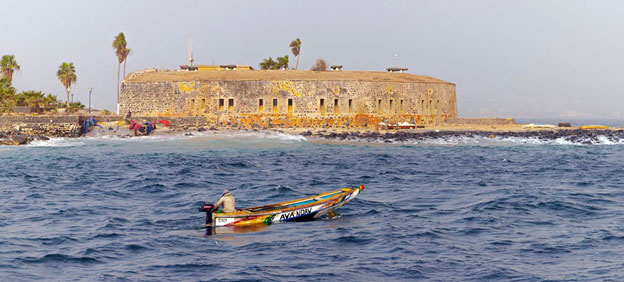
Unsplash Fort of Goree Island, Senegal, was the site of one of the earliest European settlements in Western Africa. Source UN News

The calls for reparatory justice can no longer be ignored, speakers at the fourth session of the United Nations Permanent Forum on African Descent said last April.

They urged greater collaboration between governments, civil society and regional organizations to create a system that would compensate Africa and the African diaspora for the enduring legacies of colonialism, enslavement, apartheid and genocide between the 16th and 19th centuries. “Africa was under siege,” said Hilary Brown, speaking on behalf of the Caribbean Community (CARICOM) about the 300 years of enslavement and exploitation on the continent. “Her political, economic and social systems thrown into chaotic instability as Europe plundered the continent for her most valuable asset, her people.”

MOSCOW, Mar 13 2026 (IPS) – Professor Jude Osakwe—a Nigerian scholar at the Namibian University of Science and Technology (NUST) and Continental Chairman of the Nigerians in Diaspora Organisation Africa (NIDOAF)—has reiterated the absolute truth over Reparations for Africa, noting that African governments have consistently expressed only ’emotional solidarity’ over Reparations instead of tackling and addressing, with seriousness, this pertinent issue within the context of diplomacy.


He strongly believes that despite sharp political and cultural diversity influencing developments, African leaders can still adopt a collective strategy in pursuit of advantageous aspirations for sustaining continental sovereignty. The concept of Pan-Africanism is noticeably fragmented while grassroot movements lack strategic coordination.

Here are excerpts from the interview:

How well do African people represent the continent on Reparations and Pan-Africanism?

Professor Jude Osakwe: Honestly, inadequately, but not without effort. Representation is fragmented. The loudest voices on reparations often come from the Caribbean and African-American communities, while continental Africans, remain largely sidelined in that global conversation.

Pan-Africanism as an ideology is more spoken about than practiced. There is emotional solidarity, but very little structural unity. The honest reality is that African governments have not made reparations a serious diplomatic priority, and grassroots movements lack the coordination to pressure them to do so.

Does the diaspora media landscape affect how these topics are viewed in a Western light?

Professor Osakwe: Absolutely.

Western media frames Pan-Africanism as either nostalgic romanticism or a political threat, and frames reparations as a Black American issue, effectively erasing the continental African dimension entirely. As an African in the diaspora, you are constantly navigating between your own lived framework and a media environment that either misrepresents or ignores your perspective.

This creates a psychological burden, you must actively resist the dominant narrative just to maintain an accurate self-understanding. African diaspora media exists, but it remains underfunded and underreached compared to mainstream outlets, which means the Western framing dominates public discourse by default.

What are the measures for upholding African identity in the diaspora, and diaspora contributions amid geopolitical shifts?

Professor Osakwe: Key measures:

    • Intentional cultural transmission, language, history, and values must be actively taught, not assumed
    • Building diaspora institutions that are African-led, not just African-themed
    • Political engagement both in host countries and in countries of origin
    • Economic networking through platforms like NIDO that connect diaspora professionals to continental development

On geopolitical contributions: The current moment, with Africa renegotiating relationships with Western powers, China, Russia, and Gulf states, is actually an opportunity for the diaspora. Diaspora Africans sitting inside Western governments, universities, and financial institutions carry real leverage.

The question is whether that leverage gets used collectively or dissipates individually. Remittances already outpace foreign aid to many African countries. What’s needed now is moving beyond remittances to strategic investment, policy advocacy, and knowledge transfer, turning the diaspora from a financial lifeline into a genuine development partner.

Kester Kenn Klomegah focuses on current geopolitical changes, foreign relations and economic development-related questions in Africa with external countries. Most of his well-resourced articles are reprinted in several reputable foreign media.

IPS UN Bureau

  Source

The Most Appropriate Response to Falling Birthrates? Embrace Them

Civil Society, Featured, Global, Global Governance, Headlines, Health, IPS UN: Inside the Glasshouse, Population, Poverty & SDGs, TerraViva United Nations

Opinion

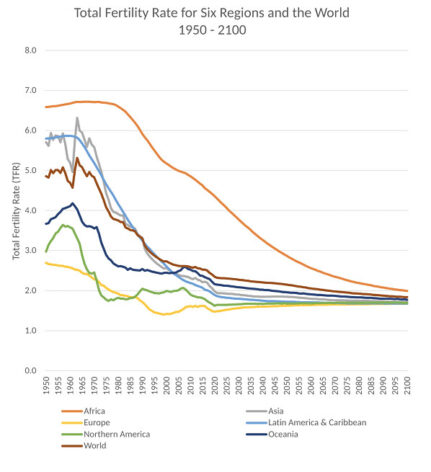
Total Fertility Rate (TFR) is the average number of children that would be born to a woman over her lifetime. Source: World Population Prospects 2022 report from the Population Division of the United Nations Department of Economic and Social Affairs

ST. PAUL, Minnesota, USA, Mar 12 2026 (IPS) – As birthrates continue to decline in many industrialized countries, anxious governments are running out of schemes to keep women procreating.


In the US, millionaires and billionaires are lining up to donate to Trump’s “baby bonus” savings accounts. Trump accounts give parents $1,000 for all babies born between now and 2028, plus whatever private donors add.

Late last year tech billionaires Michael and Susan Dell donated $6.25 billion to them. The accounts are part of Trump’s far-Right pronatalist agenda, and also part of the broader trend of governments using heavy-handed pronatalist policies, ranging from bribes to outright coercion, to convince women to have more babies and shore up the supply of future workers, taxpayers, and soldiers.

These interventions are notoriously ineffective. A recent Heritage Foundation report recommended using economic incentives to convince American women to have more babies, “with preferences for larger-than-average [families],” while shaming those who choose to have fewer or no children.

A family in South Korea, which has the lowest Total Fertility Rate in the world (0.8).

But it also admitted, “Other nations have tried to reverse declining birthrates through financially generous family policies, none has succeeded. Government spending alone does not ensure demographic success.”

Nor can such policies achieve what Heritage calls “success.” Trying to raise birthrates by incentivizing women to have babies not only undermines hard-won reproductive rights, it’s a waste of money.

Such spending is not a priority for U.S. taxpayers, as most Americans do not see falling birth rates as a crisis. Instead, they overwhelmingly want the government to address untenably high child care costs. But a one-time Trump account infusion makes no dent in high costs of raising children and other barriers to motherhood.

Just as recent cuts to SNAP and Medicaid disproportionately affect marginalized women and children, Trump accounts benefit least those who need help most. By the Administration’s own calculations, the accounts will benefit wealthy parents disproportionately.

This shouldn’t be surprising. Trump accounts and other pronatalist policies aren’t really about empowerment or saving families or supporting children. They are a bid to make more white Americans, part of a larger nativist program which includes cracking down on immigration from African and Muslim countries, detaining and deporting non-white people in huge numbers, and even abandoning former U.S. efforts to fight child exploitation and trafficking.

These policies overtly stoke panic about falling birthrates, and tacitly uphold the white supremacist “great replacement” conspiracy theory.

That makes support for pronatalism from some progressives especially disturbing. Even if their intent is not nativist, advocating policies that push women to have more children is anti-feminist and fundamentally at odds with reproductive agency.

And even when such policies intend to serve feminist goals–for example Finland’s generous parental leave and child and health care—they fail to raise birthrates. That’s because the biggest factor in childbearing decisions isn’t affordability; it’s empowerment.

Nobel prizewinning economic historian Claudia Goldin has shown high birthrates are no longer tied to economic prosperity, as women increasingly choose education and careers over traditional family roles. In fact, she found an inverse relationship between per capita income and fertility. “Wherever you get increased agency,” she said, “you get reduction in the birth rate.”

Another study across 136 countries confirms this: whenever women achieve reproductive agency, birthrates decline, whether the economy is growing or shrinking.

But hundreds of millions of women and girls are denied this agency. Over 640 million alive today were child brides (including in the US). Over 220 million have an unmet need for contraception. More than half of pregnancies are unintended—121 million annually. Cuts in USAID and other aid programs make the situation more dire.

Despite birthrates declining in many countries, global population is going up, projected to swell by 2 billion to 10.4 billion by the 2080s, with vast ecological and social consequences. Extreme climate events are expected to kill more than a billion people and displace up to 3 billion this century, most in countries where women and girls are disempowered and fertility rates remain high. Pronatalism will only make ecological and social crises worse.

We need new policy thinking that recognizes this and embraces the many advantages of declining fertility and less growth. As fertility rates fall, female labor participation will increase and gender pay gaps will narrow.

As median age rises, changing demographics could enable policy shifts that improve wages and conditions for workers and extend job opportunity to billions on the sidelines who want work but don’t have it.

There is no lack of good ideas, from economic models that center wellbeing and rethink growth to radical ecological democracy. Exploring them requires getting off the endless growth treadmill that enriches elites at the expense of the rest of us. We must stop treating women like reproductive vessels for making more people to serve the economy, and start reshaping our economies to serve more people and the planet.

Nandita Bajaj is executive director of the NGO Population Balance, senior lecturer at Antioch University, and producer and host of the podcasts OVERSHOOT and Beyond Pronatalism. Her research and advocacy work focuses on addressing the combined impacts of pronatalism and human expansionism on reproductive and ecological justice.

IPS UN Bureau

  Source

VENEZUELA: ‘An Economically Stable Authoritarian Model Could Become Entrenched’

Active Citizens, Civil Society, Crime & Justice, Democracy, Economy & Trade, Energy, Featured, Headlines, Human Rights, Latin America & the Caribbean, Migration & Refugees, TerraViva United Nations

Mar 11 2026 (IPS) –  
CIVICUS discusses the situation in Venezuela following US intervention and the ousting of President Nicolás Maduro with Verónica Zubillaga, a Venezuelan sociologist who specialises in urban violence, state repression and community responses to armed violence.


Verónica Zubillaga

In late January, the interim government led by Delcy Rodríguez announced an amnesty for political prisoners, coinciding with a rapprochement with the USA driven by oil interests. It is unclear whether this represents the beginning of a genuine opening or is an attempt by the government to gain international legitimacy without relinquishing power. In a country with millions of migrants and exiles, a historically fragmented opposition and a civil society that has faced brutal repression for years, it remains to be seen whether recent changes will create space for democracy or lead to the consolidation of economically stable authoritarianism.

Is the recently announced amnesty a real opening or a strategic manoeuvre?

We are at an unprecedented crossroads. Venezuela and its Chavista regime, under US tutelage and despite two decades of anti-imperialist rhetoric, are reconfiguring themselves in such a way that some opening could result. However, there is still a risk that an authoritarian model will be consolidated, with economic and humanitarian concessions, but without real democratisation.

The release of political prisoners — a constant demand in all negotiations with international support, and a low-cost form of early opening for the interim government that has taken over from Maduro — could function as a stepping stone towards democratisation. The restoration of civil, political and social rights will be a difficult and lengthy struggle in this context of such deprivation, in which our rights have been violated for so long.

In the first half of February, there were partial and gradual releases, but hundreds of people remained in detention. The enactment of the Amnesty Law on 19 February has accelerated the releases.

The announcement was presented as a political concession, not as a recognition of the extensive human rights violations committed by Maduro’s government. There has been no mention yet of initiating processes to seek the truth, hold those responsible accountable, provide reparations or dismantle the repressive apparatus, which are urgent.

We therefore need to react with caution. The release of people deprived of their liberty for political reasons is essential, but it cannot replace a broader agenda of justice, reparation and institutional transformation.

How has civil society worked to keep this issue at the centre of the debate?

The cause of political prisoners is cross-cutting. There are detained people of different ages, social classes and political backgrounds. In a society as polarised as ours, this is one of the few causes around which there is broad consensus.

After the results of the presidential election of 28 July 2024, which the opposition clearly won, were disregarded, it was mainly people from the working classes who took to the streets to protest. Many young people, including teenagers, were arrested and imprisoned. This situation significantly deepened the social dimension of the problem, highlighted the break between the ruling party and its traditional base and consolidated the brutally authoritarian nature and illegitimacy of Maduro’s government.

There is also an important gender dimension. While many young men are in prison, it is women – mothers, sisters and other relatives – who have organised committees, vigils and public actions demanding their release. Symbolically, the figure of the grieving mother demanding the release of her children is particularly powerful. It is a symbol that appeals to the Latin American imagination about women and their cries for democratisation, justice and reparation in the context of crumbling authoritarian regimes.

Recently, the demand for the release of political prisoners has also been raised by the student movement in its call for a rally at the Central University of Venezuela. After a year and a half of brutal repression following the 2024 election, which emptied the streets and created a climate of widespread fear, any public demonstration is a significant sign that could trigger a chain of progressive demands and the vindication of civil, political and social rights.

What has been the impact of the USA’s renewed interest in Venezuelan oil?

It is clear that the Trump administration is fixated on oil and investment opportunities and completely disregards democracy and human rights. The part of the opposition represented by María Corina Machado has been stunned by its exclusion from key decision-making despite its efforts to gain Donald Trump’s attention. This exclusion has altered the internal political balance.

Historically, there has been tension within the Venezuelan opposition between those who favour resorting to external pressure and those who prioritise internal negotiation strategies. Since 2014, two main strategies have coexisted: one that is more confrontational, demanding the immediate end of the government, and another favouring negotiation or elections. Civil society mirrors these same divisions. One of the difficulties of the Venezuelan process is this constant fragmentation and internal disagreements within the opposition. As the government has become more authoritarian, these divisions have prevented more powerful coordinated political action. It is important for the opposition to coordinate strategies and, instead of wearing itself down in these disagreements, coordinate efforts to move strategically between confrontation and negotiation.

Whenever the opposition has managed to coordinate, as in the 2015 legislative and 2024 presidential elections, it made significant gains. During the 2024 campaign led by Machado, the opposition achieved an unprecedented level of coordination, generating enormous collective hope, particularly with regard to the prospect of family reunification in a country with over eight million migrants. This situation affects people of all social classes and political ideologies. But in response, the government redoubled its repression and consolidated the dictatorship. This led to frustration, demobilisation and further fragmentation. The opposition lacked a long-term strategy to sustain its gains and withstand setbacks. This is still one of the biggest challenges today.

What should the international community do to contribute to real democratisation?

The international community, and Latin American states in particular, could have taken a firmer stance after the 2024 electoral fraud. Silence and a lukewarm approach weakened the defence of democracy. Now it should not repeat that mistake. Beyond Maduro’s profound delegitimisation, the US military operation in Venezuela is a sign of what could happen to any Latin American country under the US government’s new national security strategy.

With the USA as an imperial power primarily concerned with its geostrategic interests and oil resources, demands for democratisation may take a back seat. An authoritarian model that is economically stable but without real democratisation could become entrenched.

In this context, the USA’s prioritisation of energy interests is worrying. It is an unprecedented scenario in which external intervention and the permanence of the ruling party in power coexist. The situation is highly volatile, and this has only just begun. A period of instability and political violence could follow if the civil-military coalition in power breaks down, which may happen given the tradition of anti-imperialist discourse rooted in the armed forces during the two and a half decades of Chavista rule.

Ironically, the USA’s focus on energy interests could result in the defence of sovereignty becoming a new unifying cause for the Venezuelan opposition, potentially leading to basic agreements between the ruling party post-Maduro and the opposition to defend Venezuelan oil interests. What’s at stake is recovering politics as an exercise involving conflict and struggle, as well as recognition and exchange for democratic coexistence — something we have lost, particularly over the past decade.

CIVICUS interviews a wide range of civil society activists, experts and leaders to gather diverse perspectives on civil society action and current issues for publication on its CIVICUS Lens platform. The views expressed in interviews are the interviewees’ and do not necessarily reflect those of CIVICUS. Publication does not imply endorsement of interviewees or the organisations they represent

GET IN TOUCH
LinkedIn
Twitter

SEE ALSO
‘Although the repressive architecture remains intact, a small window of hope has opened’ CIVICUS Lens | Interview with Luz Mely Reyes 05.Feb.2026
Venezuela: democracy no closer CIVICUS Lens 29.Jan.2026
‘We are seeing an economic transition, but no democratic transition’ CIVICUS Lens | Interview with Guillermo Miguelena 26.Jan.2026

  Source

The Cost of Being Seen: Exposure versus Exploitation

Civil Society, Featured, Global, Global Governance, Headlines, IPS UN: Inside the Glasshouse, TerraViva United Nations, Youth

Opinion

The Cost of Being Seen: Exposure versus Exploitation

Credit: United Nations

NEW YORK, Mar 11 2026 (IPS) – I have often been asked a simple but important question: How can we make it sustainable if we are not being compensated for it?


That question sits at the heart of a conversation we do not address enough. Somewhere between exposure and exploitation lies a line we still have not learned to draw clearly. And perhaps that is exactly where the real conversation on “inclusion” begins.

The cost of being seen, is probably the heaviest cost youth have to bear in pursuit of carrying the passion and aspirations they strive for when trying to make an impact.

As conversations around the 2030 Agenda and the SDGs continue to grow, one question remains: how far have we really come in shaping perspectives, and not just numbers?

Too often, inclusion is measured by attendance, representation, and diversity metrics. But inclusion is not just about presence. It is about value. It is about whether people are acknowledged, respected, and taken seriously for their contribution. Inclusion does not live in the excel sheets we fill or the rooms we temporarily occupy during events.

It begins where age, gender, ethnicity, and job titles are not weighed before credibility is given. This matters even more for young people.

A single voice, a single appearance, or a single statement is often framed as an opportunity. And sometimes, it is. But when visibility becomes a substitute for fair compensation, authorship, decision-making power, or real support, exposure stops being empowered and starts becoming exploitative.

Exposure on its own is not empowerment. Visibility can open doors, but it cannot replace fair structures. Being seen is meaningful only when it is followed by trust, ownership, opportunity, and value.

Too often, young people are handed advice when what they really need is access. They are mentored, encouraged, and told to keep going, yet rarely sponsored in the spaces that shape outcomes. If we want inclusion to move beyond symbolism, we must build cultures where support does not end at guidance.

It must extend into advocacy. Because for many underrepresented voices, the issue is not a lack of talent or preparation. It is the absence of someone willing to open the right door and say, this person belongs here.

The goal is not to reject exposure. Exposure can be powerful. But it cannot be the only thing being offered. Real inclusion begins when participation is respected, contribution is valued, and visibility leads to something more lasting. Being seen may open the door, but being valued is what makes inclusion real.

Bisma Qamar is Pakistan’s Youth Representative to the UN & USA chapter under the Prime Minister’s Youth Programme (PMYP). Her work is centered towards learning and development and capability building initiatives, with a strong emphasis on creating inclusive and sustainable opportunities through “Bridging talent with opportunities” by upskilling individuals focusing on SDG 4 ( Education ) and SDG 5 ( Gender Equality )

https://www.un.org/youthaffairs/en/youth2030/about

IPS UN Bureau

  Source